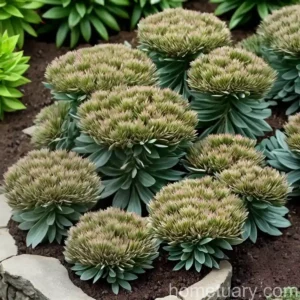
Echeveria nodulosa (Painted Echeveria): A Comprehensive Guide
Echeveria nodulosa, commonly known as Painted Echeveria, is a stunning succulent plant that belongs to the Crassulaceae family. With its striking foliage and low maintenance requirements, it has gained popularity among plant enthusiasts and gardeners. In this comprehensive guide, we will delve into the various aspects of caring for Echeveria nodulosa, including its cultural requirements, propagation techniques, common diseases and pests, and much more.
What is Echeveria nodulosa (Painted Echeveria)?
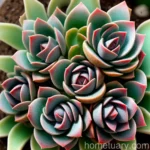
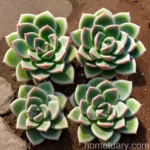
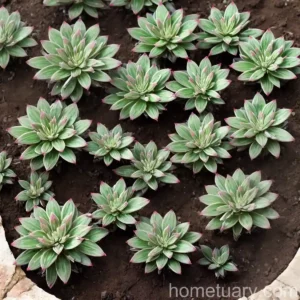
Echeveria nodulosa is a species of flowering succulent that is native to Mexico. It is characterized by its rosette-shaped arrangement of leaves, which exhibit intricate patterns and colors, making it a sought-after addition to both indoor and outdoor spaces. The plant is known for its ability to thrive in arid conditions and is often cultivated for its ornamental value.
Key Takeaways – Echeveria nodulosa (Painted Echeveria)
Here are the key takeaways when it comes to caring for Echeveria nodulosa:
- Water: Echeveria nodulosa requires well-draining soil and should be watered sparingly to prevent root rot.
- Sunlight: It thrives in bright, indirect light and should be shielded from intense afternoon sun.
- Fertilizer: Use a balanced, diluted fertilizer during the growing season to support healthy growth.
- Soil: Well-draining, gritty soil is essential for preventing waterlogged conditions.
- Pruning: Remove any dead or damaged leaves as needed to maintain the plant’s appearance.
- Propagation: Echeveria nodulosa can be propagated from leaf or stem cuttings with high success rates.
Now, let’s explore each of these aspects in detail to understand how to best care for Echeveria nodulosa.
Culture
Cultivating Echeveria nodulosa successfully requires an understanding of its cultural preferences. From soil composition to watering practices, providing the right environment is crucial for its overall health and appearance.
Uses
Echeveria nodulosa is predominantly grown for its ornamental value, serving as an eye-catching addition to both indoor and outdoor gardens. Its distinct foliage adds texture and color to mixed succulent arrangements, rock gardens, and container displays. Additionally, it can be used as a focal point in xeriscapes, where low-water and drought-tolerant plants are favored.
Water
Proper watering is a critical aspect of Echeveria nodulosa care. Due to its succulent nature, the plant is adapted to storing water in its leaves, allowing it to withstand dry spells. Here are some essential guidelines for watering Echeveria nodulosa:
- Frequency: Water the plant thoroughly when the top inch of the soil feels dry. Allow excess water to drain away, and never let the plant sit in water.
- Seasonal Variations: Adjust the watering frequency based on the season. During the active growing season (spring and summer), the plant may require more frequent watering, while in the dormant period (fall and winter), water sparingly to prevent rot.
Sunlight
Proper sunlight exposure is essential for the healthy growth and vibrant coloration of Echeveria nodulosa. Consider the following factors when determining the plant’s light requirements:
- Indirect Light: Place the plant in a location that receives bright, indirect sunlight. Direct exposure to intense afternoon sun can lead to sunburn and leaf damage.
- Shade Protection: In hot climates, provide partial shade during the hottest part of the day to shield the plant from excessive heat and sun exposure.
Fertilizer
While Echeveria nodulosa is relatively low-maintenance, providing occasional fertilization can support its overall vitality and promote robust growth. Here’s what you should know about fertilizing this succulent:
- Type of Fertilizer: Use a balanced, water-soluble fertilizer formulated for succulents and cacti. Alternatively, a general-purpose, diluted fertilizer with an N-P-K ratio of 20-20-20 can be applied during the active growing season.
- Frequency: Apply fertilizer every 2-4 weeks during the growing season, ensuring that the soil is moist before feeding. Avoid fertilizing during the plant’s dormant phase.
Soil
Choosing the right soil mix is crucial for ensuring optimal drainage and root health for Echeveria nodulosa. Given the plant’s preference for arid conditions, it is essential to provide a well-draining medium that prevents waterlogging. Here are some soil considerations for this succulent:
- Composition: Use a specialized succulent or cactus potting mix, or create a custom blend by combining equal parts of standard potting soil, coarse sand, and perlite for improved drainage.
- Aeration: Incorporating porous materials such as pumice or gritty sand can enhance soil aeration and prevent compaction.
- Container Drainage: Ensure that the plant’s container has drainage holes to allow excess water to escape, reducing the risk of root rot.
Pruning
Pruning Echeveria nodulosa is a straightforward process that involves removing dead or damaged leaves to maintain the plant’s appearance and overall health. By regularly assessing the foliage and addressing any issues promptly, you can promote a tidy and attractive growth habit. Here are some key points to keep in mind:
- Sanitization: Use clean, sharp scissors or pruning shears to avoid causing unnecessary damage to the plant.
- Leaf Removal: Gently remove any yellowing, shriveled, or decaying leaves close to the base of the plant. Be cautious not to disturb healthy leaves unless necessary.
- Frequency: Prune the plant as needed throughout the year, especially when addressing signs of disease, pest infestations, or natural leaf shedding.
Propagation
Echeveria nodulosa can be propagated through both leaf and stem cuttings, offering an exciting opportunity to expand your succulent collection or share the plant with fellow enthusiasts. Understanding the propagation techniques and ideal conditions is essential for achieving successful results.
Leaf Propagation
The leaf propagation method involves removing healthy leaves from the parent plant and allowing them to develop roots and new growth. Follow these steps for successful leaf propagation:
- Leaf Selection: Choose mature, healthy leaves from the lower portion of the plant, ensuring that they are fully intact and free from damage.
- Drying Period: Allow the leaf cuttings to air dry for 1-2 days to form a protective callus over the cut ends, reducing the risk of rot.
- Planting: Place the dried leaf cuttings on top of a well-draining potting mix, ensuring that the cut end makes contact with the soil surface.
- Root Development: Keep the soil lightly moist, and provide indirect light to encourage root development. After a few weeks, small rosettes will begin to develop from the base of the leaf.
Stem Propagation
Stem propagation involves taking stem cuttings from the parent plant and allowing them to root and produce new growth. Here’s how you can propagate Echeveria nodulosa using stem cuttings:
- Cutting Selection: Choose a healthy, non-flowering stem and make a clean, angled cut using sharp, sanitized scissors or pruning shears.
- Callus Formation: Place the stem cutting in a shaded area and allow the cut end to air dry for a few days, promoting callus formation.
- Planting: Once calloused, plant the stem cutting in a well-draining soil mix, burying the cut end slightly.
- Rooting Phase: Maintain lightly moist soil and indirect light, and within a few weeks, the cutting should produce new roots and initiate growth.
Both leaf and stem propagation techniques offer a reliable way to expand your collection of Echeveria nodulosa while preserving the unique characteristics of the parent plant.
Container Popularity
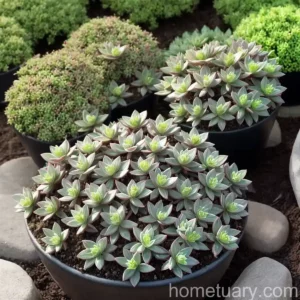
Echeveria nodulosa’s popularity as a container plant stems from its compact growth habit, attractive rosettes, and drought-tolerant nature. Whether displayed individually or as part of a mixed succulent arrangement, it adds visual interest and requires minimal maintenance, making it an ideal choice for various container gardening settings.
Common Diseases
While Echeveria nodulosa is generally resilient, it is susceptible to certain diseases that can impact its overall well-being if left unaddressed. Being familiar with common diseases and their symptoms is crucial for maintaining a healthy plant.
Disease Diagnosis
Here are some common diseases that can affect Echeveria nodulosa:
- Root Rot: Overwatering or poor soil drainage can lead to root rot, causing the plant to wilt, exhibit yellowing leaves, and develop a foul odor. Gently inspect the roots for mushy, discolored sections and take corrective action promptly.
- Powdery Mildew: This fungal disease presents as a powdery, white substance on the leaves, compromising their appearance and vigor. Provide adequate air circulation and consider applying a fungicidal treatment to manage mildew infestations.
- Leaf Spot: Dark, irregular spots and lesions on the leaves may indicate a leaf spot disease. Remove and dispose of affected foliage to prevent the spread of the disease, and adjust watering practices to minimize leaf moisture.
Common Pests
Echeveria nodulosa is occasionally targeted by pests that can affect its growth and vitality. Prompt identification and intervention are essential for mitigating pest-related issues.
Pests:
- Mealybugs: These small, white, cottony insects cluster on the leaves and stems, sapping the plant’s juices and stunting its growth. Remove mealybugs manually, and consider applying horticultural oil as a natural control method.
- Aphids: These tiny, soft-bodied insects can congregate on the new growth of Echeveria nodulosa, causing distortion and yellowing of the leaves. Spray the affected areas with a strong jet of water or introduce natural predators such as ladybugs to manage aphid infestations.
Botanist’s Tips
As a plant scientist, I encourage plant enthusiasts to consider the following tips when caring for Echeveria nodulosa:
- Prevent Waterlogging: Ensure that the plant’s soil is well-draining and that the container has sufficient drainage holes to prevent waterlogged conditions.
- Monitor Light Exposure: While Echeveria nodulosa thrives in bright, indirect light, it can suffer from sunburn if exposed to intense, direct sunlight for prolonged periods.
- Resist Overwatering: Allow the soil to dry out between waterings, and adjust the frequency based on seasonal variations and the plant’s growth stage.
Fun Facts
- Echeveria nodulosa is named after the renowned Mexican botanical artist Atanasio Echeverría y Godoy.
- The plant’s distinctive leaf markings and patterns serve as a natural defense mechanism, helping it blend into its arid, rocky habitats.
Links to External Resources
To further enrich your knowledge of Echeveria nodulosa and its care requirements, consider exploring the following resources:
In conclusion, Echeveria nodulosa, or Painted Echeveria, is a captivating succulent plant with unique characteristics and a remarkable ability to thrive in diverse environments. By understanding its cultural requirements, propagation techniques, and how to address potential issues, you can cultivate and enjoy the beauty of this stunning succulent with confidence.
With diligent care and attention to its specific needs, Echeveria nodulosa can thrive and bring joy to both novice and experienced plant enthusiasts alike.
Whether displayed in a stylish container or incorporated into a vibrant succulent garden, this species adds a touch of elegance and natural beauty to any space. By embracing its unique features and accommodating its preferences, you can create a flourishing environment for Echeveria nodulosa to thrive and showcase its captivating allure.