Echeveria ‘Lady Aquarius’ (Echeveria ‘Lady Aquarius’) – The Ultimate Care Guide
What is Echeveria ‘Lady Aquarius’?
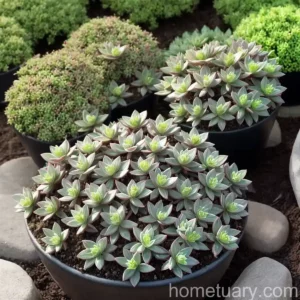
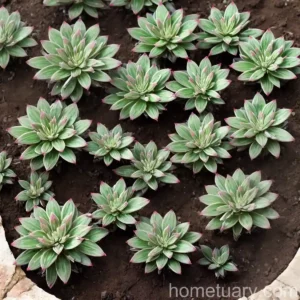
Echeveria ‘Lady Aquarius’ is a stunning succulent that belongs to the Crassulaceae family, native to Mexico. This perennial plant is beloved for its rosette-shaped arrangement of fleshy leaves and its remarkable tolerance to dry conditions. The ‘Lady Aquarius’ variety is a cultivar specifically known for its captivating blue-gray leaves, which form an alluring contrast against its bright coral-pink flowers.
Echeverias are prized for their remarkable aesthetic appeal and resilience, making them a popular choice among succulent enthusiasts and gardeners alike.
Echeveria ‘Lady Aquarius’ is a noteworthy member of this diverse genus, renowned for its unique charm and relatively low maintenance requirements. In the following sections, we will delve into the various aspects of caring for Echeveria ‘Lady Aquarius’, including its cultural needs, usage, water and sunlight requirements, soil preferences, pruning, propagation, container gardening tips, common diseases, pests, and much more. Let’s uncover the intricacies of caring for this mesmerizing succulent!
Key Takeaways – Echeveria ‘Lady Aquarius’
-
Echeveria ‘Lady Aquarius’ is a succulent plant native to Mexico, renowned for its eye-catching blue-gray leaves and coral-pink flowers.
-
This variety is valued for its resilience and remarkable tolerance to dry conditions, making it an excellent choice for low-maintenance landscaping and indoor cultivation.
-
Understanding its cultural requirements, water and sunlight needs, soil preferences, and common diseases and pests is essential for ensuring the health and vitality of Echeveria ‘Lady Aquarius’.
Culture
Uses
Echeveria ‘Lady Aquarius’ is cherished for a multitude of purposes, both ornamental and practical. Some of its uses include:
-
Ornamental Value: As an ornamental plant, Echeveria ‘Lady Aquarius’ is prized for its striking appearance and is widely used in succulent gardens, rock gardens, xeriscaping, and as a focal point plant in landscaping.
-
Indoor Décor: Its compact size and attractive foliage make it an ideal choice for indoor cultivation, bringing a touch of natural beauty to homes, offices, and other indoor spaces.
-
Container Gardening: Echeveria ‘Lady Aquarius’ thrives in containers, making it a popular choice for succulent enthusiasts who enjoy creating charming arrangements and displays.
-
Drought-Tolerant Landscapes: With its exceptional drought tolerance, this succulent is a valuable addition to gardens in arid and water-stressed regions.
-
Erosion Control: Echeveria ‘Lady Aquarius’ can aid in erosion control due to its ability to thrive in challenging environmental conditions.
-
Medicinal and Culinary Use: While primarily grown for ornamental purposes, some Echeveria species have been traditionally used for medicinal and culinary purposes, although it is essential to exercise caution and consult reliable sources before using any plant for such purposes.
Water
Proper watering is crucial for the health and vitality of Echeveria ‘Lady Aquarius’. This succulent is adapted to dry environments and has moderate water needs. Overwatering can lead to root rot and other issues, while underwatering can cause dehydration and wilting.
Here are some key considerations when it comes to watering Echeveria ‘Lady Aquarius’:
-
Watering Frequency: During the growing season, water Echeveria ‘Lady Aquarius’ when the top inch of the soil is dry. Allow the soil to dry out between watering sessions to prevent waterlogged conditions.
-
Watering Method: When watering, apply water directly to the soil around the plant, avoiding wetting the leaves. This helps prevent issues such as rot and fungal diseases.
-
Seasonal Adjustments: In winter, reduce the frequency of watering to accommodate the plant’s dormancy period. During this time, it is advisable to water sparingly, allowing the soil to dry out more thoroughly between waterings.
-
Avoid Overhead Watering: Minimize overhead watering methods, as this can lead to moisture accumulation in the center of the rosette, potentially causing rot and other issues.
-
Monitoring Soil Moisture: Regularly check the moisture levels in the soil to ensure that you are providing adequate hydration without overwatering.
Sunlight
Echeveria ‘Lady Aquarius’ thrives in bright, indirect light and is well-suited to both indoor and outdoor settings. Proper sunlight exposure is essential for maintaining its vibrant coloration and overall health.
Consider the following points regarding sunlight requirements for Echeveria ‘Lady Aquarius’:
-
Indoor Placement: When cultivating Echeveria ‘Lady Aquarius’ indoors, position it in a location where it can receive ample indirect sunlight. South-facing windows typically provide excellent light conditions for succulents.
-
Outdoor Cultivation: In outdoor settings, ensure that Echeveria ‘Lady Aquarius’ is placed in a spot with partial to full sunlight exposure. Morning sunlight and dappled shade may be beneficial in regions with intense afternoon sun.
-
Avoid Extreme Heat: While Echeverias appreciate sunlight, they may need protection from scorching afternoon sun, especially in hot climates, to prevent sunburn and heat stress.
-
Seasonal Adjustments: During the peak of summer, monitor the plant for signs of sunburn or heat stress, and consider providing additional shade if necessary.
Fertilizer
Fertilizing Echeveria ‘Lady Aquarius’ should be approached with care, as these succulents have modest nutrient requirements and are sensitive to over-fertilization. A balanced approach to fertilization can support healthy growth and vibrant foliage.
Consider the following guidelines when fertilizing Echeveria ‘Lady Aquarius’:
-
Fertilizer Selection: Choose a balanced, water-soluble fertilizer formulated for succulents or a diluted, balanced liquid fertilizer with a lower nitrogen content.
-
Application Frequency: During the growing season (spring and summer), fertilize Echeveria ‘Lady Aquarius’ once a month. Avoid providing fertilizer during the dormant period in winter.
-
Dilution and Application: Dilute the fertilizer according to the manufacturer’s instructions and apply it to the moistened soil. Avoid direct contact with the leaves to minimize the risk of potential damage.
-
Observation and Adjustment: Monitor the plant for any signs of nutrient deficiencies or excesses and adjust your fertilization regimen accordingly.
Soil
The choice of soil is critical for the health and well-being of Echeveria ‘Lady Aquarius’. A well-draining, nutrient-rich soil mixture is essential for preventing issues such as root rot and waterlogging, which can be detrimental to the plant’s health.
Consider the following aspects when selecting a suitable soil mix for Echeveria ‘Lady Aquarius’:
-
Well-Draining Nature: Opt for a well-draining soil mix that promotes healthy root development and prevents water accumulation around the roots. Incorporating materials such as perlite, coarse sand, or pumice can enhance drainage.
-
Nutrient Content: While Echeverias have modest nutrient requirements, a soil mix enriched with organic matter, such as compost or well-decomposed leaf mold, can support healthy growth and vigor.
-
pH Level: Aim for a slightly acidic to neutral pH level (around 6.0 to 7.0) in the soil mix, as this provides an optimal environment for nutrient uptake and overall plant health.
-
Commercial Succulent Mixes: Consider using commercially available succulent or cactus mixes, which are specifically formulated to meet the needs of succulent plants, including Echeverias.
Pruning
Pruning Echeveria ‘Lady Aquarius’ is generally minimal, as these succulents naturally maintain a compact and tidy growth habit. However, occasional pruning can be beneficial for aesthetic reasons or to address specific concerns such as removing dead or decaying leaves.
When it comes to pruning Echeveria ‘Lady Aquarius’, consider the following points:
-
Removal of Dead Leaves: Periodically remove any dead or desiccated leaves from the base of the plant to maintain its tidy appearance and minimize the risk of disease.
-
Rejuvenation: If the plant becomes leggy or elongated, it is possible to reshape it by taking stem cuttings and propagating new plants, while also encouraging the parent plant to produce new growth.
-
Sanitization: Use clean, sharp tools for pruning, and ensure that any removed plant material is properly disposed of to prevent the spread of diseases or pests.
Propagation
Propagating Echeveria ‘Lady Aquarius’ is an exciting way to expand your collection or share the beauty of this succulent with others. These plants can be propagated from offsets, leaf cuttings, or seeds, with each method offering its unique advantages and requirements.
Explore the following propagation techniques for Echeveria ‘Lady Aquarius’:
-
Offsets: Offsets, also known as “chicks,” are small rosettes that develop from the base of the parent plant. Gently separate these offsets from the parent plant and allow them to callus before planting them in a well-draining succulent mix.
-
Leaf Cuttings: Carefully select healthy leaves and allow them to callus for a few days before planting them in a succulent mix. With time, new rosettes will emerge from the base of the planted leaf.
-
Seed Propagation: While seed propagation requires more time and patience, it can be a rewarding way to grow Echeverias from scratch. Sow the seeds in a well-draining, sterile growing medium and provide optimal conditions for germination.
-
Temperature and Moisture: Provide consistent warmth and moderate moisture to the propagated plants, taking care to avoid overwatering during the initial stages of growth.
-
Root Development: Monitor the development of roots and new growth, and adjust the care regimen as needed to facilitate healthy establishment.
Container Gardening
Echeveria ‘Lady Aquarius’ is well-suited to container gardening, offering versatility and visual appeal in various indoor and outdoor settings. When cultivating this succulent in containers, several factors should be taken into consideration to ensure its well-being.
Consider the following tips for successful container gardening with Echeveria ‘Lady Aquarius’:
-
Container Selection: Choose containers with adequate drainage holes to prevent waterlogging. Opt for pots that provide ample space for the plant’s root system while also complementing its aesthetic qualities.
-
Potting Mix: Select a well-draining succulent or cactus mix or create a custom blend using materials such as perlite, coarse sand, and peat-free compost to promote healthy root development.
-
Placement: Position the container in a location that provides the right balance of sunlight exposure, protecting the plant from extreme heat and prolonged periods of intense sunlight.
-
Watering and Fertilization: Be mindful of the watering needs of container-grown Echeveria ‘Lady Aquarius’, adjusting the frequency based on the moisture levels of the soil. Fertilize with care, following the guidelines provided earlier.
-
Repotting: As the plant grows, monitor its root development and consider repotting into a slightly larger container when necessary, ensuring that the new container offers adequate space for continued growth.
These considerations can help you create an appealing and thriving container garden featuring Echeveria ‘Lady Aquarius’.
Popularity
Echeveria ‘Lady Aquarius’ has gained popularity among succulent enthusiasts, gardeners, and landscape designers due to its captivating visual appeal, resilience, and versatility. Its popularity is attributed to several factors, including:
-
Aesthetic Appeal: The distinctive blue-gray foliage and coral-pink flowers of Echeveria ‘Lady Aquarius’ contribute to its visual allure, making it a desirable addition to various indoor and outdoor settings.
-
Low Maintenance: The minimal care requirements of Echeveria ‘Lady Aquarius’ make it an attractive choice for individuals seeking to cultivate plants that thrive with relative ease.
-
Container Gardening: Its suitability for container gardening adds to its popularity, allowing individuals with limited outdoor space to enjoy the beauty of succulents.
-
Compatibility with Various Settings: From succulent gardens and rock gardens to indoor displays and drought-tolerant landscapes, Echeveria ‘Lady Aquarius’ seamlessly integrates into diverse environments, enhancing their visual appeal.
-
Availability: The accessibility of Echeveria ‘Lady Aquarius’ through nurseries, online retailers, and botanical gardens has contributed to its increasing popularity among plant enthusiasts.
Due to these factors, Echeveria ‘Lady Aquarius’ continues to captivate plant enthusiasts and remains an esteemed member of the succulent community.
Common Diseases
While Echeveria ‘Lady Aquarius’ is generally resilient, it is susceptible to certain diseases, particularly when grown in suboptimal conditions or exposed to excessive moisture. Recognizing the signs of common diseases and promptly addressing them is crucial for preserving the health of the plant.
Some common diseases that may affect Echeveria ‘Lady Aquarius’ include:
-
Root Rot: Excessive moisture and poor drainage can lead to root rot, which is characterized by soft, discolored roots and a foul odor. To prevent and address this issue, avoid overwatering and ensure proper soil drainage.
-
Powdery Mildew: In conditions of high humidity and inadequate air circulation, powdery mildew may develop on the leaves as a white, powdery substance. Improve ventilation and consider fungicidal treatments to manage this issue.
-
Sunburn: Intense, direct sunlight can cause sunburn, leading to discoloration, browning, or white patches on the leaves. Gradually introduce the plant to sunlight and provide shade during the hottest part of the day to prevent sunburn.
-
Pests and Disease Vectors: Pests such as aphids, mealybugs, and spider mites can affect the health of Echeveria ‘Lady Aquarius’ and may also serve as vectors for diseases. Regular monitoring and prompt intervention can help manage these potential challenges.
By staying vigilant and providing appropriate care, it is possible to mitigate the risk of these diseases and safeguard the well-being of Echeveria ‘Lady Aquarius’.
Disease Diagnosis
Diagnosing diseases in Echeveria ‘Lady Aquarius’ involves careful observation, familiarity with common disease symptoms, and an understanding of potential contributing factors. When assessing the health of the plant, consider the following diagnostic steps:
-
Visual Assessment: Examine the foliage, stems, and roots for any signs of discoloration, lesions, wilting, or abnormal growth patterns. Note any unusual substances on the leaves, such as powdery residues or sticky secretions.
-
Environmental Considerations: Assess the environmental conditions in which the plant is situated, including humidity levels, airflow, and exposure to sunlight. Evaluate the watering practices and drainage to identify potential issues.
-
Pest Inspection: Look for any indications of pest infestations, including the presence of insects, webbing, or stippling on the leaves. Some pests may also leave behind identifiable excrement or cause visible damage to the plant.
-
Recent Changes: Consider any recent changes in care routines, environmental conditions, or adjacent plant populations that may have impacted the health of Echeveria ‘Lady Aquarius’.
Upon identifying potential symptoms and contributing factors, appropriate interventions can be implemented to address the specific disease or stressors affecting the plant.
Common Pests
While Echeveria ‘Lady Aquarius’ possesses a natural resilience to many pests, it is not immune to potential infestations that can compromise its health and appearance. Vigilance and proactive measures can help manage common pests that may affect this succulent.
Some of the common pests that may target Echeveria ‘Lady Aquarius’ include:
-
Aphids: These small, sap-sucking insects can cluster on the leaves and stems, causing distortion, yellowing, and the development of sticky honeydew on the foliage.
-
Mealybugs: Mealybugs are recognizable by their white, cottony appearance and can feed on the plant’s sap, potentially leading to leaf yellowing and stunted growth.
-
Spider Mites: These minuscule pests can cause stippling on the leaves and create fine webbing, particularly on the undersides of the foliage.
-
Scale Insects: Scale insects may appear as small, immobile bumps on the plant, often on the stems or leaves. They can weaken the plant by sapping its resources and causing leaf yellowing.
-
Fungus Gnats: The larvae of fungus gnats feed on organic matter in the soil and may harm young roots, leading to reduced vigor and potential susceptibility to other issues.
To manage and prevent pest infestations, maintain cleanliness, monitor the plant regularly, provide proper ventilation, and consider targeted interventions if pest populations rise to problematic levels.
Botanist’s Tips
As a plant scientist with a passion for succulents, I’m excited to share some valuable tips for successful care and cultivation of Echeveria ‘Lady Aquarius’. Whether you’re a seasoned succulent enthusiast or a newcomer to the world of Echeverias, these insights can help you ensure the well-being of your plants and deepen your appreciation for these captivating succulents.
Here are some expert tips to consider:
-
Understand Your Environment: Recognize the particular environmental conditions of your growing space, including temperature ranges, humidity levels, and sunlight exposure. This awareness allows you to tailor your care practices to match the needs of Echeveria ‘Lady Aquarius’.
-
Prioritize Drainage: Whether planting directly in the ground or in containers, prioritize adequate drainage to prevent waterlogged conditions that can threaten the health of the plant. Incorporate well-draining soil mixes and choose containers with drainage holes.
-
Observe Plant Behavior: Regularly monitor the appearance and behavior of Echeveria ‘Lady Aquarius’, paying attention to any changes in color, growth patterns, or signs of stress. This proactive approach can help you address issues early on.
-
Respect Dormancy Periods: Acknowledge the natural growth cycles of the plant and adjust your care routine accordingly. For Echeveria ‘Lady Aquarius’, this may involve reducing watering and refraining from fertilizer application during the dormant winter months.
-
Selective Pruning: When pruning this succulent, aim for selective and minimalistic interventions. Removing dead or unhealthy leaves can help maintain the plant’s vitality and aesthetics without causing unnecessary stress.
-
Experiment with Propagation: Explore different methods of propagation, such as leaf cuttings and offsets, to propagate new plants and expand your collection of Echeveria ‘Lady Aquarius’. This hands-on approach can be both rewarding and educational.
-
Maintain Balance: Strive to strike a balance in your care routine, providing sufficient water, light, and nutrients while avoiding excessive inputs that can lead to imbalances and potential problems.
By integrating these tips into your approach to caring for Echeveria ‘Lady Aquarius’, you can enhance your gardening experience and cultivate thriving, visually captivating succulent displays.
Fun Facts
Echeveria ‘Lady Aquarius’ possesses several fascinating attributes and qualities that make it a standout succulent in the botanical world. From its natural adaptations to its symbolic significance, these fun facts offer a deeper appreciation for this remarkable plant:
- Water-Storing Adaptations: Like other succulents, Echeveria ‘Lady Aquarius’ has specialized tissues that allow it to store water, enabling the plant to endure dry spells and thrive