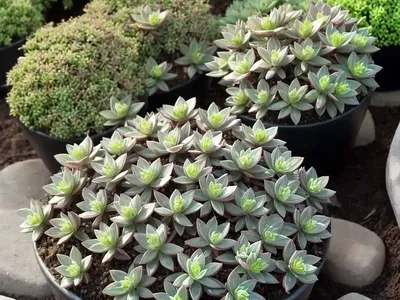
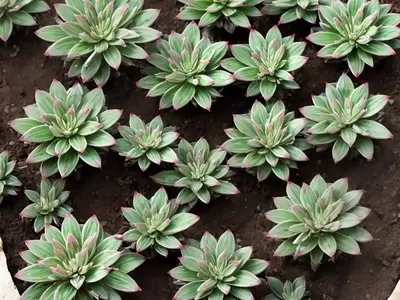
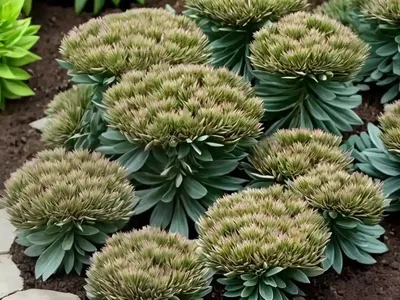
Echeveria Afterglow (Echeveria ‘Afterglow’)
Echeveria Afterglow, also known as Echeveria ‘Afterglow’, is a beautiful succulent plant that belongs to the family Crassulaceae. It is a highly.
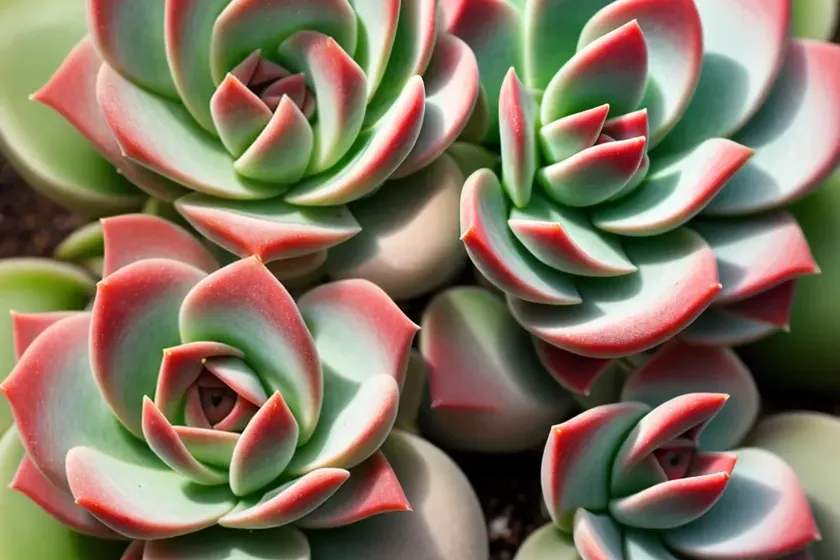
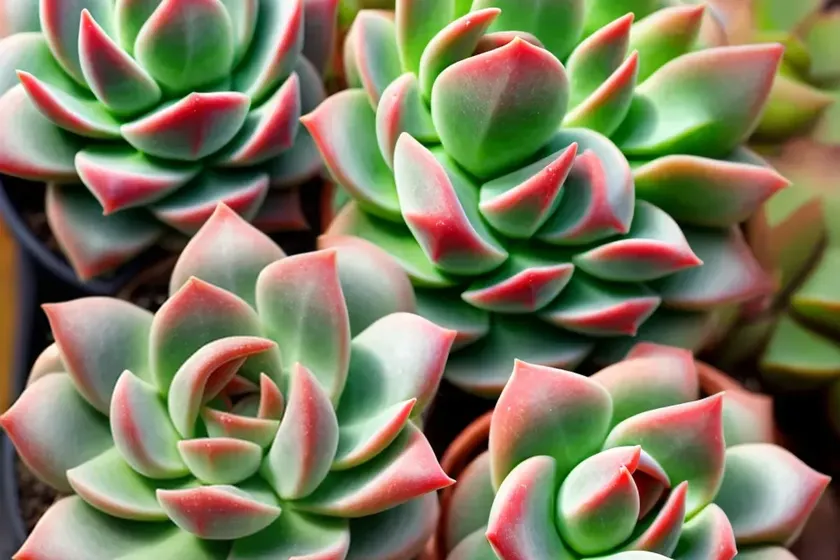
Echeveria Afterglow, also known as Echeveria ‘Afterglow’, is a beautiful succulent plant that belongs to the family Crassulaceae. It is a highly sought-after variety among succulent enthusiasts due to its stunning rosettes and vibrant colors. In this comprehensive guide, we will delve into all aspects of Echeveria Afterglow care, propagation, maintenance, and much more. Whether you’re a seasoned succulent collector or a beginner looking to add a touch of elegance to your plant collection, this article will equip you with the knowledge to ensure the health and vibrancy of your Echeveria Afterglow.
What is Echeveria Afterglow?
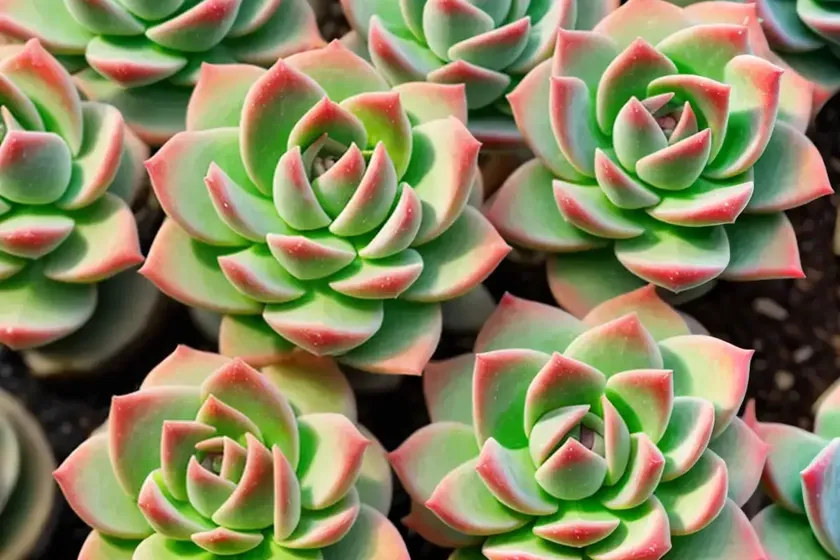
Echeveria Afterglow is a captivating succulent that originates from Mexico, where it thrives in arid environments. It is characterized by its striking rosettes of fleshy, spoon-shaped leaves that exhibit exquisite coloration. The leaves of Echeveria Afterglow boast a mesmerizing blend of pastel hues, including powdery lavender, pink, and peach tones, which intensify in response to sunlight and environmental conditions. As a low-maintenance plant, Echeveria Afterglow is an excellent choice for both indoor and outdoor cultivation, making it a versatile and popular addition to any plant collection.
Key Takeaways – Echeveria Afterglow
Culture
- Echeveria Afterglow hails from Mexico.
- It thrives in arid environments and exhibits low-maintenance characteristics.
Uses
- Echeveria Afterglow is prized for its ornamental value and is a favorite among succulent enthusiasts and collectors.
- It is suitable for both indoor and outdoor cultivation, adding a touch of elegance to gardens, succulent arrangements, and container plantings.
Water
- Echeveria Afterglow has low water needs and is susceptible to root rot if overwatered.
- Ensure well-draining soil, and water the plant sparingly, allowing the soil to dry out between waterings.
Sunlight
- Echeveria Afterglow thrives in bright, indirect light and partial to full sunlight.
- Ensure adequate sun exposure to maintain the plant’s vibrant coloration and compact growth habit.
Fertilizer
- Use a balanced, diluted fertilizer during the growing season to support healthy growth.
- Avoid over-fertilization, as succulents have minimal nutrient requirements.
Soil
- Plant Echeveria Afterglow in well-draining, sandy soil to prevent waterlogging and root rot.
- Consider adding perlite or coarse sand to optimize drainage.
Pruning
- Remove dead or decaying leaves to maintain the plant’s appearance and overall health.
- Regular pruning can help control the size and shape of the plant.
Propagation
- Echeveria Afterglow can be propagated from offsets, leaf cuttings, or seeds.
- Follow proper propagation techniques to ensure the success of new plantlets.
Container Popularity
- Echeveria Afterglow is a popular choice for container gardening due to its compact size and ornamental value.
- It thrives in containers and can be featured in succulent arrangements and indoor displays.
Common Diseases
- Echeveria Afterglow is susceptible to root rot if overwatered or if planted in poorly draining soil.
- Monitor the plant for signs of pests and diseases, and address any issues promptly.
Disease Diagnosis
- Common diseases affecting Echeveria Afterglow include root rot, powdery mildew, and leaf spot diseases.
- Proper cultural practices and well-draining soil can prevent most disease issues.
Common Pests
- Watch for common succulent pests such as aphids, mealybugs, and spider mites.
- Regularly inspect the plant for pests and treat infestations promptly.
Botanist’s Tips
- Provide Echeveria Afterglow with a balance of sunlight, well-draining soil, and sufficient airflow to promote healthy growth.
- Avoid overwatering and over-fertilization to prevent potential issues.
Fun Facts
- Echeveria Afterglow is named for its stunning, “afterglow” coloration, which intensifies in response to environmental conditions.
- The plant’s charming rosettes and pastel hues make it a sought-after variety among succulent aficionados.
Links to External Resources
Now that we have covered the key takeaways of Echeveria Afterglow, let’s delve deeper into the specifics of caring for and cultivating this exquisite succulent.
Echeveria Afterglow Care
Echeveria Afterglow Sunlight Requirements
Echeveria Afterglow thrives in bright, indirect light and partial to full sunlight. When grown indoors, ensure that the plant receives ample natural light to maintain its vibrant coloration and compact growth habit. If cultivating Echeveria Afterglow outdoors, choose a location with partial to full sunlight, providing the plant with at least six hours of sunlight per day. Sunlight is crucial to promoting the development of the plant’s distinctive foliage colors and ensuring its overall health and vigor.
Echeveria Afterglow Water Needs
Proper watering is essential for the health and vitality of Echeveria Afterglow. As a succulent, it is important to adhere to a watering schedule that allows the soil to dry out between waterings. Overwatering can lead to root rot and other issues, so it is crucial to exercise restraint when watering Echeveria Afterglow. Depending on environmental conditions, such as temperature and humidity, adjust the watering frequency accordingly. In general, water Echeveria Afterglow thoroughly, allowing excess water to drain away, and refrain from watering again until the soil has dried out.
Echeveria Afterglow Soil Preferences
Selecting the right soil is paramount to the successful cultivation of Echeveria Afterglow. It thrives in well-draining soil with a sandy or gritty texture, which prevents waterlogging and promotes healthy root development. A suitable soil mix for Echeveria Afterglow should consist of a blend of regular potting soil, coarse sand, and perlite to optimize drainage and aeration. Alternatively, specialized succulent or cactus potting mixes are readily available and offer the ideal growing medium for Echeveria Afterglow and other succulents.
Echeveria Afterglow Temperature Tolerance
Echeveria Afterglow exhibits good tolerance to a range of temperatures, provided that excessive moisture and frost are avoided. It thrives in warm to hot temperatures but can withstand mild frost if provided with adequate protection. When temperatures drop, especially during the winter months, it is advisable to provide Echeveria Afterglow with shelter or bring it indoors to safeguard it from potential frost damage. By maintaining a suitable temperature range, typically between 65°F to 80°F (18°C to 27°C), you can ensure the well-being and longevity of your Echeveria Afterglow.
Echeveria Afterglow Foliage Colors
The foliage of Echeveria Afterglow is a standout feature, characterized by its captivating blend of pastel hues. The waxy, spoon-shaped leaves often display shades of powdery lavender, pink, and peach, which intensify in response to sunlight and environmental conditions. When exposed to ample sunlight, Echeveria Afterglow develops and maintains vibrant foliage colors, enhancing its visual appeal and making it a prized succulent variety among enthusiasts. By providing the plant with suitable light conditions, you can showcase the full spectrum of its breathtaking foliage colors.
Echeveria ‘Afterglow’ Growth Habits
Echeveria Afterglow exhibits a compact growth habit, forming elegant rosettes of fleshy leaves that radiate outward from the center. The plant’s rosettes can reach a diameter of approximately 6 to 8 inches (15 to 20 cm) at maturity, creating a visually striking and substantial presence. Additionally, well-maintained Echeveria Afterglow plants will produce offsets, or “pups,” which can be propagated to yield new plants. The plant’s growth habits contribute to its desirability as a low-maintenance, ornamental succulent, suitable for a variety of planting scenarios.
Echeveria Afterglow Potting Tips
When potting Echeveria Afterglow, select a well-draining container that accommodates the plant’s root system while promoting airflow and moisture control. Use a pot with drainage holes to prevent water from accumulating at the roots, risking potential issues such as root rot. Prior to potting, ensure that the soil is dry and the plant is free from excess moisture. After potting, allow the plant to acclimate to its new container and location, providing it with appropriate sunlight and watering as needed. Regularly monitor the plant for signs of adjustment and growth, and adjust care practices as necessary.
Echeveria ‘Afterglow’ Maintenance
As an integral part of succulent maintenance, regularly inspect Echeveria Afterglow for signs of overgrowth, infestations, or disease. Address any issues promptly, including removing dead or decaying leaves to maintain the plant’s appearance and overall health. Additionally, continue to provide the plant with suitable growing conditions, including proper sunlight, watering, and soil maintenance, to ensure its continued well-being. Routine maintenance will help sustain the vibrancy and longevity of Echeveria Afterglow, allowing you to enjoy its aesthetic appeal for years to come.
Echeveria Afterglow Pruning Techniques
Pruning is a beneficial practice for maintaining the appearance and health of Echeveria Afterglow. Remove any dead, damaged, or withered leaves by gently twisting them from the base of the plant. Be cautious not to disturb the surrounding leaves or the plant’s delicate root system. Additionally, consider pruning to control the size and shape of the plant, promoting a more compact and desirable growth habit. Utilize clean, sharp pruning shears or scissors to ensure precise cuts and to minimize the risk of damage to the plant. Through regular pruning, you can enhance the overall aesthetic and vigor of Echeveria Afterglow.
Echeveria Afterglow Pests and Diseases
Echeveria Afterglow is vulnerable to common succulent pests and diseases, making regular monitoring an essential aspect of care. Watch for pests such as aphids, mealybugs, and spider mites, which can infest the plant and compromise its health. Additionally, maintain proper cultural practices to prevent common succulent diseases, including root rot, powdery mildew, and leaf spot diseases. Practice good air circulation, avoid overwatering, and provide well-draining soil to minimize the risk of disease development. By promptly addressing any issues, you can safeguard the health and vitality of your Echeveria Afterglow.
Echeveria ‘Afterglow’ Indoor Care
When cultivating Echeveria Afterglow indoors, select a location that receives ample natural light, such as a south- or west-facing window. Alternatively, provide the plant with artificial grow lights that emit suitable wavelengths for succulent growth. Ensure proper ventilation and airflow to reduce the risk of humidity-related issues and pest infestations. Follow best practices for watering, soil maintenance, and pest control to create an optimal indoor environment for the plant. By meeting the plant’s specific care needs, you can successfully cultivate Echeveria Afterglow as an indoor ornamental centerpiece.
Echeveria Afterglow Outdoor Planting
For outdoor planting, select a well-draining location that receives partial to full sunlight, creating an ideal environment for Echeveria Afterglow. Ensure that the plant is sheltered from excessive moisture and frost, especially during the winter months. Implement proper soil preparation, including enriching the planting area with well-draining soil or amendments, such as coarse sand and perlite. When planting Echeveria Afterglow outdoors, adhere to recommended spacing guidelines to allow the plant to thrive and showcase its captivating foliage colors. Regularly monitor the plant for signs of growth, adjusting care practices as needed to accommodate seasonal changes.
Echeveria Afterglow Container Gardening
Container gardening offers an excellent opportunity to showcase the ornamental value of Echeveria Afterglow in various settings. Select a suitable container with adequate drainage to prevent waterlogging and support the plant’s root development. Utilize well-draining potting mixes or specialized succulent and cactus blends to create an optimal growing medium for the plant. Incorporate Echeveria Afterglow into succulent arrangements, tabletop displays, or container gardens, pairing it with complementary plants and decorative elements. Container gardening allows for flexibility in plant placement and facilitates the creation of visually appealing compositions featuring Echeveria Afterglow.
Echeveria Afterglow Companion Plants
When choosing companion plants for Echeveria Afterglow, consider species that share similar care requirements and complement its compact growth habit and vibrant foliage colors. Select succulents, cacti, and drought-tolerant plants that thrive in similar conditions and create visually harmonious combinations. Opt for plants with contrasting textures, heights, and forms to create dynamic and eye-catching arrangements. Additionally, explore options for companion plants that enhance the overall aesthetic and create captivating contrasts alongside Echeveria Afterglow, contributing to the creation of striking succulent displays.
Echeveria Afterglow Gardening Tips
Mastering the art of succulent gardening involves understanding the specific care needs and growth habits of plants such as Echeveria Afterglow. Tailor your gardening practices to promote the health, vigor, and aesthetic appeal of the plant, creating a thriving and visually stunning garden or succulent collection. Incorporate suitable sunlight exposure, well-draining soil, and controlled watering to facilitate optimal growth and maintain the inherent beauty of Echeveria Afterglow. By implementing best practices and adapting to the plant’s needs, you can cultivate a successful and captivating succulent garden.
Echeveria Afterglow Landscape Ideas
Echeveria Afterglow is an excellent choice for enhancing various landscaped settings, including rock gardens, succulent beds, and xeriscape designs. Incorporate the plant into dry, well-draining areas that receive ample sunlight and showcase its vibrant foliage colors. Seek opportunities to feature Echeveria Afterglow as a focal point within the landscape, maximising its ornamental value and creating captivating visual interest. Embrace the plant’s compact growth habit and distinctive rosettes to craft dynamic and sophisticated landscaped arrangements, utilizing appropriate soil amendments and niche planting opportunities. Echeveria Afterglow can serve as an emblem of elegance and resilience within diverse landscape designs.
Echeveria ‘Afterglow’ Succulent Care
Succulent care encompasses a range of considerations specific to the needs of plants such as Echeveria Afterglow. Emphasize well-draining soil, sunlight exposure, and controlled watering to create a suitable environment for the plant. Implement succulent-specific care practices, such as providing sufficient aeration, managing soil moisture, and preventing excess humidity to promote optimal growth and vibrant foliage colors. Recognize the resilience and adaptability of Echeveria Afterglow as a succulent, tailoring your care routine to support the plant’s inherent characteristics and elevate its ornamental value within garden and container settings.
Echeveria Afterglow Light Requirements
Proper light exposure is essential for maintaining the health and vibrant colors of Echeveria Afterglow. Ensure that the plant receives bright, indirect light or partial to full sunlight, both indoors and outdoors, to support optimal growth and visual appeal. Adapt to seasonal changes in light intensity and duration, providing adequate sunlight to prevent etiolation and maintain the plant’s compact growth habit. By meeting the specific light requirements of Echeveria Afterglow, you can foster the development of its captivating foliage colors and create a visually stunning display of ornamental succulents.
Echeveria ‘Afterglow’ Watering Schedule
Establishing a consistent watering schedule is crucial for the health and long-term vitality of Echeveria Afterglow. Allow the soil to dry out between waterings, adjusting the frequency based on environmental conditions and seasonal changes. Monitor the moisture levels of the soil, especially during periods of high humidity or low light intensity. Exercise caution to avoid overwatering, which can compromise the plant’s root system and overall health. By adhering to a suitable watering schedule, you can sustain the vigor and vibrant coloration of Echeveria Afterglow, ensuring its continued well-being.
Echeveria Afterglow Soil Preparation
Prior to planting or repotting Echeveria Afterglow, prepare a well-draining soil mix that promotes healthy root development and overall plant vitality. Consider creating a custom succulent or cactus mix by blending regular potting soil with coarse sand, perlite, or pumice to enhance the soil’s drainage and aeration. Alternatively, utilize specialized succulent potting mixes that offer an optimal growing medium for Echeveria Afterglow. By preparing suitable soil, you can lay the foundation for the successful cultivation of the plant, reducing the risk of potential issues related to moisture retention and soil compaction.
Echeveria Afterglow Cold Hardiness
Echeveria Afterglow exhibits good cold hardiness under suitable conditions, allowing it to withstand mild frost and low temperatures. However, it is important to provide the plant with adequate protection during periods of inclement weather, especially when frost is anticipated. Consider bringing Echeveria Afterglow indoors or providing temporary shelter to shield it from potential frost damage. By implementing cold-hardiness measures, you can safeguard the plant’s well-being and preserve its vibrant foliage colors, ensuring its continued health and aesthetic appeal.
Echeveria ‘Afterglow’ Radiant Colors
The radiant colors of Echeveria Afterglow are a defining feature that captivates enthusiasts and collectors alike. The plant’s pastel hues, including powdery lavender, pink, and peach tones, intensify in response to sunlight and environmental conditions. Optimize the plant’s exposure to suitable light levels to showcase and maintain its radiant colors, creating an impactful and visually striking display. By appreciating and enhancing the inherent coloration of Echeveria Afterglow, you can celebrate its aesthetic significance and contribute to the creation of captivating succulent arrangements and garden designs.
Echeveria Afterglow Growth Rate
Echeveria Afterglow exhibits a moderate growth rate under favorable conditions, developing elegant rosettes and producing offsets over time. Adapt your care routine and propagation practices to accommodate the plant’s growth habits, promoting healthy development and visual appeal. The plant’s growth rate may fluctuate in response to environmental conditions, seasonal changes, and adjustments in care practices. By observing the plant’s growth patterns and adapting your care routine, you can support its continued vigor and resilience, creating a visually engaging and thriving succulent display.
Echeveria ‘Afterglow’ Plant Size
At maturity, Echeveria Afterglow typically reaches a diameter of approximately 6 to 8 inches (15 to 20 cm