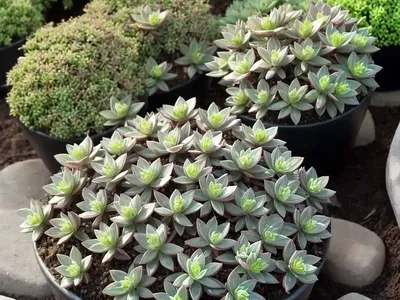
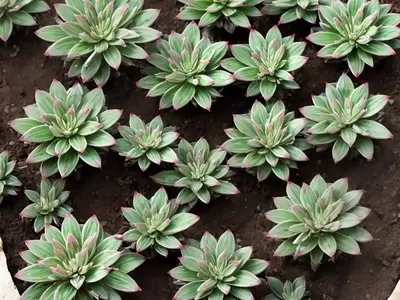
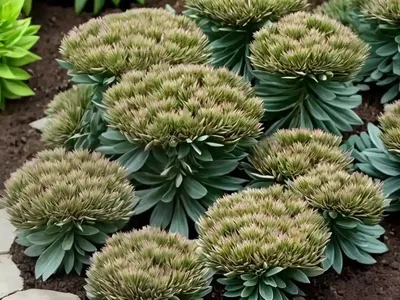
Plush Plant (Echeveria Harmsii)
Plush Plant, scientifically known as Echeveria harmsii, is a stunning succulent that has gained immense popularity among plant enthusiasts due to its.
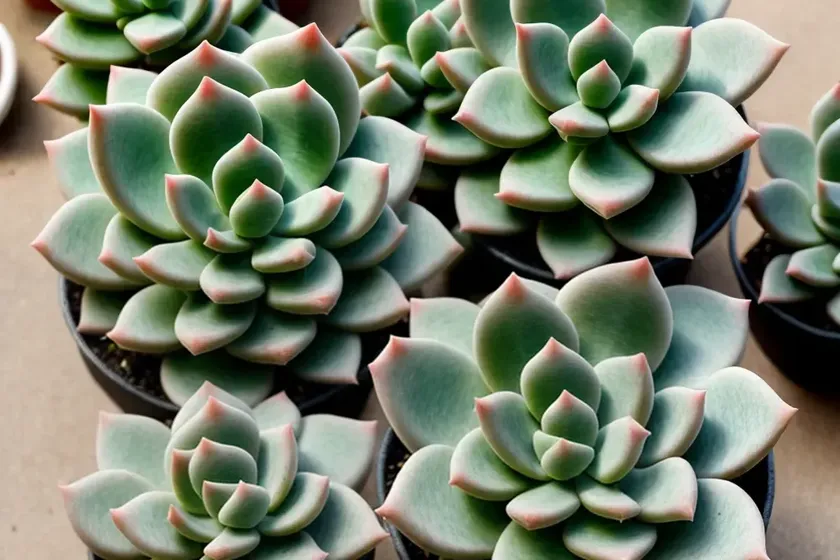
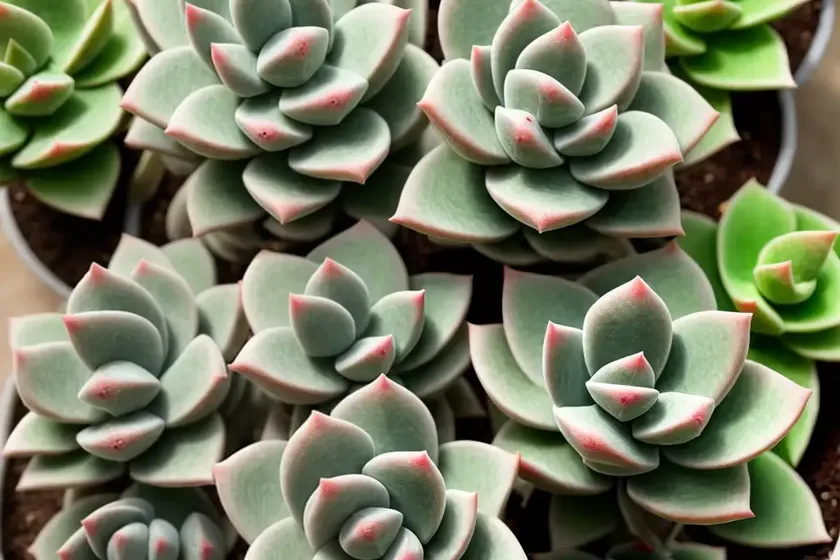
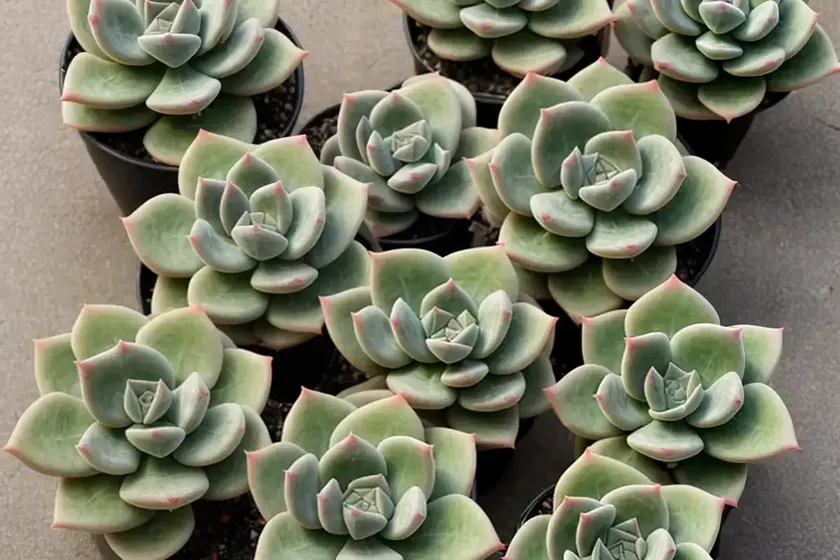
Plush Plant, scientifically known as Echeveria harmsii, is a stunning succulent that has gained immense popularity among plant enthusiasts due to its unique appearance and ease of care. This plant is native to Mexico and belongs to the Crassulaceae family. Its rosettes of fleshy, spoon-shaped, pale green leaves with pink-tinged edges make it a visually appealing addition to any indoor or outdoor garden. In this comprehensive guide, we will explore the key aspects of caring for and cultivating Plush Plants, including their culture, uses, water, sunlight, fertilizer, soil, pruning, propagation, container preferences, common diseases, pests, and much more. Whether you’re a seasoned gardener or a beginner, this guide will provide you with the knowledge and tips you need to successfully grow and maintain these beautiful succulents.
What is a Plush Plant (Echeveria harmsii)?
Echeveria harmsii, commonly known as Plush Plant, is a species of flowering plant in the Crassulaceae family. This succulent is native to northeastern Mexico, particularly the states of Tamaulipas and San Luis Potosí. It is a drought-tolerant, evergreen plant that forms attractive rosettes of fleshy, pointed, pale green leaves with pink to red edges. In the right conditions, it produces clusters of orange bell-shaped flowers on tall stems, adding a stunning contrast to its foliage.
Echeveria harmsii is renowned for its adaptability and its suitability for various growing environments. Its low maintenance requirements and striking appearance have made it a popular choice for both indoor and outdoor gardens, rockeries, and container arrangements.
Key Takeaways – Plush Plant (Echeveria harmsii)
Culture
- Echeveria harmsii is a drought-tolerant succulent that thrives in arid or semi-arid climates.
- It is highly adaptable and can be grown both indoors and outdoors.
- This plant is well-suited for rock gardens, container gardening, and xeriscaping.
Uses
- Plush Plants are commonly used as ornamental plants in gardens, landscapes, and indoor spaces.
- They are suitable for succulent gardens, desert-themed gardens, and rockeries.
- Echeveria harmsii can also be used in xeriscaping and drought-resistant landscaping projects.
Water
- Plush Plants have low to moderate water needs and are susceptible to root rot if overwatered.
- They prefer well-draining soil and should be watered sparingly, allowing the soil to dry out between waterings.
- During the growing season, water the plant when the top inch of the soil feels dry to the touch.
Sunlight
- Echeveria harmsii thrives in full sun to partial shade.
- When grown indoors, it should be placed in a bright location with indirect sunlight.
- Outdoors, it benefits from at least 6 hours of sunlight per day.
Fertilizer
- These succulents have low fertilizer requirements and can thrive without frequent feeding.
- Use a balanced, diluted liquid fertilizer during the growing season to support healthy growth.
- Avoid over-fertilization, as it can lead to issues such as leggy growth and reduced stress coloring.
Soil
- Plush Plants prefer well-draining, sandy or gravelly soil with a slightly acidic to neutral pH.
- A specialized cactus or succulent mix can provide the ideal growing medium for Echeveria harmsii.
- Good drainage is essential to prevent waterlogging and root rot.
Pruning
- Minimal pruning is typically required for Echeveria harmsii, primarily for removing dead or damaged leaves.
- Regular deadheading of spent flowers can promote continued blooming and maintain the plant’s appearance.
- Proper sanitation practices should be followed when pruning to prevent the spread of disease.
Propagation
- Plush Plants can be propagated from stem cuttings, offsets (pups), or leaf cuttings.
- Allow cuttings to callus before planting to prevent rotting.
- Propagation is relatively straightforward, making it an enjoyable aspect of cultivating Echeveria harmsii.
Container Popularity
- Echeveria harmsii is a popular choice for container gardening due to its compact size and striking appearance.
- It can be grown in a variety of containers, ranging from terracotta pots to decorative planters.
- Container-grown Plush Plants are versatile and can be displayed both indoors and outdoors.
Container Common Diseases
- When grown in containers, Echeveria harmsii may be susceptible to issues such as root rot and fungal diseases.
- Good drainage and appropriate watering practices are crucial for preventing container-related diseases.
- Regular inspection and maintenance can help detect and address issues early.
Disease Diagnosis
- Common signs of disease in Echeveria harmsii include wilting, discoloration, and soft or mushy areas on the plant.
- Prompt diagnosis and treatment are important for maintaining the health of the succulent.
- Isolating affected plants and adjusting cultural practices can often help resolve disease issues.
Common Pests
- Plush Plants are occasionally targeted by common succulent pests such as mealybugs and aphids.
- Regular monitoring and preventive measures, such as neem oil applications, can help manage pest infestations.
- Early intervention is key to preventing pests from causing significant damage to the plant.
Botanist’s Tips
- When selecting a location for outdoor planting, consider the microclimate and provide protection from extreme weather conditions.
- Monitor the plant’s growth and adjust its placement as needed to ensure it receives adequate sunlight and airflow.
- Experiment with different container sizes and arrangements to showcase the unique characteristics of Echeveria harmsii.
Fun Facts
- Echeveria harmsii is named after the renowned Mexican botanical artist, Atanasio Echeverría y Godoy.
- Mature Plush Plants can produce clusters of small, star-shaped, orange flowers in late spring to early summer.
- Echeveria harmsii is known for its water-storing capabilities, making it well-adapted to arid environments.
Now that we have covered the key takeaways about Plush Plants, let’s delve into the specific care and cultivation techniques for Echeveria harmsii, addressing the keywords provided and integrating essential information about its growth habits, preferences, and maintenance requirements.
Plush Plant (Echeveria harmsii) Care Guide
Plush Plant Care Tips
Echeveria harmsii (Plush Plant) is relatively easy to care for, making it an excellent choice for both novice and experienced gardeners. By following the tips outlined below, you can ensure that your Plush Plants thrive and continue to display their charming rosettes and colorful foliage.
How to Grow Plush Plants
Growing Plush Plants begins with providing the right growing conditions, including well-draining soil, adequate sunlight, and appropriate watering practices. Follow the guidelines outlined in this care guide to support healthy growth and vibrant foliage.
Echeveria harmsii Care Instructions
The care instructions for Echeveria harmsii encompass aspects such as sunlight needs, watering requirements, soil preferences, and maintenance practices. By understanding and implementing these instructions, you can cultivate robust and visually pleasing Plush Plants.
Plush Plant Propagation Techniques
Propagating Echeveria harmsii can be an enjoyable and rewarding process. Learn about the propagation techniques for this succulent, including stem cuttings, offsets, and leaf propagation, to expand your collection of Plush Plants and share them with fellow gardening enthusiasts.
The Best Soil for Echeveria harmsii
Selecting the right soil is crucial for the health and vitality of Echeveria harmsii. Explore the characteristics of an ideal soil mix for Plush Plants, including its composition, pH preferences, and drainage capabilities, to create a conducive growing environment.
Plush Plant Watering Requirements
Proper watering is essential for preventing issues such as overwatering and dehydration in Echeveria harmsii. Discover the watering requirements and techniques that will help maintain optimal moisture levels and promote the well-being of your Plush Plants.
Echeveria harmsii Sunlight Needs
Understanding the sunlight needs of Echeveria harmsii is vital for ensuring vigorous growth and vibrant coloration. Find out how to provide the right amount and intensity of sunlight, whether your Plush Plants are situated indoors or outdoors.
Common Pests of Plush Plants
While Plush Plants are relatively resistant to pests, they may occasionally encounter common succulent pests. Learn about the potential pests that can affect Echeveria harmsii and effective pest control methods to safeguard your plants.
Echeveria harmsii Varieties
Explore the diverse range of varieties and cultivars within the Echeveria harmsii species. From subtle differences in leaf coloration to unique growth habits, there are numerous varieties of Plush Plants to discover and incorporate into your botanical collection.
Plush Plant Pruning Tips
Pruning Echeveria harmsii can help maintain its compact form and remove any dead or decaying foliage. Discover the pruning tips and techniques that will contribute to the overall health and aesthetic appeal of your Plush Plants.
Echeveria harmsii Potting Guide
If you choose to grow Echeveria harmsii in containers, proper potting techniques are essential for its well-being. Learn about the considerations for potting Plush Plants, including container selection, soil mix, and potting procedures.
Plush Plant Container Gardening
Container gardening with Plush Plants offers versatility and creative opportunities for showcasing these stunning succulents. Explore the various aspects of container gardening and how to create visually appealing arrangements featuring Echeveria harmsii.
Echeveria harmsii Indoor Care
When grown indoors, Echeveria harmsii requires specific care tailored to its indoor environment. Discover the key considerations for cultivating Plush Plants as indoor ornamentals, including lighting, humidity, and temperature preferences.
Plush Plant Outdoor Planting Ideas
For outdoor landscaping and garden projects, Echeveria harmsii can serve as a striking focal point or complement other drought-tolerant plants. Explore creative outdoor planting ideas and design concepts that incorporate the unique attributes of Plush Plants.
Echeveria harmsii Companion Plants
Selecting suitable companion plants can enhance the visual impact and ecological balance of your garden or landscape. Explore companion plant options that complement the aesthetic and requirements of Echeveria harmsii for harmonious plant arrangements.
Plush Plant Winter Care
Winter presents specific challenges for the care of Echeveria harmsii, especially in colder regions. Learn about the winter care practices and protective measures that will help your Plush Plants withstand low temperatures and inclement weather.
Echeveria harmsii Fertilizer Recommendations
While Echeveria harmsii has minimal fertilizer needs, understanding when and how to fertilize can support its overall health and vigor. Explore the fertilization recommendations that align with the specific growth habits and preferences of Plush Plants.
Plush Plant Root Rot Prevention
Preventing root rot is essential for maintaining the vitality of Echeveria harmsii. Discover effective strategies for preventing and addressing issues related to root rot, ensuring the long-term well-being of your Plush Plants.
Echeveria harmsii Flowering Tips
Echeveria harmsii’s occasional blooming adds a delightful touch to its appearance. Gain insights into the flowering habits and tips for promoting blooming in Plush Plants, enhancing their visual appeal during the flowering season.
Plush Plant Repotting Instructions
As Echeveria harmsii grows, periodic repotting may be necessary to provide ample space and fresh soil. Learn about the repotting instructions and best practices for transitioning your Plush Plants to new containers.
Echeveria harmsii Drought Tolerance
The natural adaptation of Echeveria harmsii to arid environments equips it with significant drought tolerance. Understand the inherent drought-resistant qualities of Plush Plants and how to harness these attributes in their care and cultivation.
Plush Plant Landscaping Ideas
Including Echeveria harmsii in your landscaping projects can elevate the visual appeal and ecological value of your outdoor spaces. Explore creative landscaping ideas that integrate Plush Plants into various thematic and aesthetic arrangements.
Echeveria harmsii Common Problems
Identifying and addressing common issues that may affect Echeveria harmsii is crucial for maintaining its health and vitality. Learn about the common problems that Plush Plants may encounter and effective solutions for addressing them.
Plush Plant Lighting Requirements
Optimal lighting is essential for bringing out the best characteristics of Echeveria harmsii. Discover the specific lighting requirements that support healthy growth and vibrant coloration in your Plush Plants.
Echeveria harmsii Leaf Propagation
The propagation of Echeveria harmsii through leaf cuttings is a fascinating and practical technique. Learn about leaf propagation methods and best practices for creating new plants from individual leaves.
Plush Plant Hanging Basket Ideas
The versatility of Plush Plants extends to hanging baskets, allowing for creative displays and alternative growing arrangements. Explore ideas and considerations for incorporating Echeveria harmsii into hanging basket designs.
Echeveria harmsii Soil pH Preferences
Understanding the soil pH preferences of Echeveria harmsii can contribute to its overall well-being and growth. Explore the ideal soil pH range and maintaining proper soil acidity for your Plush Plants.
Plush Plant Container Size Suggestions
Selecting the appropriate container size is essential for the successful cultivation of Echeveria harmsii. Consider the size suggestions and factors that influence the choice of containers for your Plush Plants.
Echeveria harmsii Plant Arrangement Ideas
Incorporating Echeveria harmsii into plant arrangements enables you to create visually captivating and harmonious compositions. Discover creative ideas and strategies for arranging Plush Plants with other compatible species.
Plush Plant Humidity Needs
Understanding the humidity preferences of Echeveria harmsii is pertinent, particularly when growing it in indoor environments. Learn how to manage humidity levels to create an optimal growing environment for your Plush Plants.
Echeveria harmsii Temperature Requirements
Temperature influences the growth and overall health of Echeveria harmsii. Gain insights into the temperature requirements that support the vigorous growth and well-being of your Plush Plants.
Plush Plant Natural Habitat
Exploring the natural habitat of Echeveria harmsii provides valuable insights into its native environment and adaptations. Learn about the native regions and ecological characteristics that define the natural habitat of Plush Plants.
Echeveria harmsii Water Retention Abilities
The water-retaining capabilities of Echeveria harmsii contribute to its resilience and suitability for semi-arid environments. Understand the plant’s water retention abilities and their significance in its care and cultivation.
Plush Plant Pest Control Methods
Managing pests effectively is essential for safeguarding the health and aesthetic appeal of Echeveria harmsii. Explore pest control methods and preventative measures for addressing potential pest issues in your Plush Plants.
Echeveria harmsii Leaf Color Variations
The diverse leaf color variations in Echeveria harmsii add to its charm and visual appeal. Explore the range of leaf color variations and factors that influence the intensity and patterns of coloration in Plush Plants.
Plush Plant Growth Rate
Understanding the growth rate of Echeveria harmsii enables you to anticipate its development and plan for its care requirements accordingly. Discover the typical growth rate and developmental patterns exhibited by Plush Plants.
Echeveria harmsii Leaf Shape Characteristics
The unique leaf shape characteristics of Echeveria harmsii contribute to its distinct appearance and visual allure. Explore the various leaf shapes and their role in defining the aesthetic appeal of Plush Plants.
Plush Plant Pruning Frequency
Establishing a pruning schedule for Echeveria harmsii supports its overall health and appearance. Learn about the recommended pruning frequency and practices that promote tidy, well-maintained Plush Plants.
Echeveria harmsii Drought-Resistant Qualities
The inherent drought-resistant qualities of Echeveria harmsii equip it with resilience and adaptability to dry conditions. Gain insights into the plant’s drought-resistant qualities and its capacity to thrive in arid environments.
Plush Plant Soil Drainage Preferences
Optimal soil drainage is crucial for preventing waterlogging and root-related issues in Echeveria harmsii. Explore the soil drainage preferences and considerations for maintaining well-draining soil conditions for your Plush Plants.
Echeveria harmsii Native Regions
Understanding the native regions of Echeveria harmsii provides context for its environmental preferences and adaptations. Learn about the specific regions where Plush Plants originate and the ecological conditions present in these areas.
Plush Plant Air Purification Abilities
Echeveria harmsii exhibits air purification capabilities, contributing to improved air quality in indoor environments. Discover the plant’s air purification abilities and its potential to foster a healthier living or working space.
Echeveria harmsii Pet-Friendly Plant?
Assessing the pet-friendliness of Echeveria harmsii is important for households with pets. Learn about the potential effects of Plush Plants on pets and considerations for safely integrating them into pet-friendly environments.
Plush Plant Root System Structure
Understanding the root system structure of Echeveria harmsii supports successful potting and propagation efforts. Explore the characteristics and growth patterns of the root system in Plush Plants, enhancing your understanding of their horticultural needs.
Echeveria harmsii Growing Season
The growing season influences the active growth and blooming patterns of Echeveria harmsii. Learn about the typical growing season for Plush Plants and how to adjust care practices based on seasonal changes.
Plush Plant Container Gardening Tips
Effective container gardening with Echeveria harmsii involves understanding its preferences and adapting to container-specific considerations. Explore container gardening tips and strategies tailored to the care of Plush Plants in various containers.
Echeveria harmsii Plant Size Potential
Understanding the potential size of Echeveria harmsii enables you to plan for its space requirements and long-term growth. Gain insights into the size potential and growth habits exhibited by Plush Plants in different environments.
Plush Plant Medicinal Uses
While primarily grown as ornamental plants, Echeveria harmsii has been associated with potential medicinal uses in traditional practices. Explore the historical and cultural significance of Plush Plants and their alleged medicinal properties.
Echeveria harmsii Growth Habits
Understanding the growth habits of Echeveria harmsii is essential for creating optimal growing conditions and supporting its natural development. Learn about the growth habits and structural characteristics exhibited by Plush Plants throughout their lifecycle.
By integrating the provided keywords and addressing the specific areas of care and cultivation for Echeveria harmsii, this comprehensive guide aims to provide thorough and practical insights into the successful management of Plush Plants.
Conclusion
Echeveria harmsii, or the Plush Plant, stands out as a captivating and adaptable succulent that holds appeal for plant enthusiasts of all levels. Its low maintenance requirements, striking rosettes of fleshy leaves, and occasional bursts of color make it a delightful addition to diversified gardens, container arrangements, and indoor spaces.
This complete guide has covered an array of essential care and cultivation aspects, including the plant’s preferences for water, sunlight, soil, and container gardening, as well as its common diseases, pests, and propagation techniques. By following the provided guidance and leveraging the insights into the specific needs and traits of Echeveria harmsii, you can foster healthy, thriving Plush Plants that continue to charm