Eastern Gamagrass (Tripsacum dactyloides): A Comprehensive Guide
As a plant scientist, I am often amazed by the myriad of plant species that grace our planet. Each of these plant species has its own unique characteristics, requirements, and ecological significance. In this comprehensive guide, we will delve into the intriguing world of eastern gamagrass (Tripsacum dactyloides), a plant species that holds great importance in various aspects including its uses, habitat, cultivation practices, and ecological role.
What is Eastern Gamagrass (Tripsacum dactyloides)?
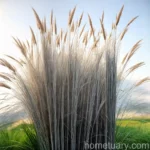
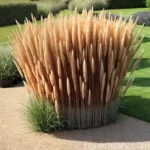
Eastern gamagrass, scientifically known as Tripsacum dactyloides, is a warm-season perennial bunchgrass native to North America. This tall, tufted grass belongs to the Poaceae family and is primarily found in the central and eastern United States, as well as in parts of Mexico and Central America.
Tripsacum dactyloides is known for its ability to thrive in a variety of environmental conditions, making it a valuable component of native ecosystems. Its deep root system and high forage quality have also contributed to its significance in both ecological and agricultural settings.
Tripsacum dactyloides Characteristics
- Scientific Name: Tripsacum dactyloides
- Common Name: Eastern Gamagrass
- Family: Poaceae
- Type: Warm-season perennial bunchgrass
- Native Range: Central and eastern United States, Mexico, and Central America
- Height: Can reach up to 6 feet in height
- Leaf Color: Typically green, with variations in foliage color
- Seed Structure: Dispersed via seed heads, forming dense clusters
- Ecological Role: Valuable for wildlife habitat, erosion control, and forage production
Now that we have an overview of the plant’s characteristics, let’s explore the key takeaways, cultural practices, and uses of eastern gamagrass.
Key Takeaways – Eastern Gamagrass (Tripsacum dactyloides)
Before diving into the specific aspects of eastern gamagrass cultivation and usage, let’s summarize the key takeaways regarding this remarkable plant species:
-
- Eastern gamagrass (Tripsacum dactyloides) is a warm-season perennial bunchgrass native to North America.
-
- It is known for its tall, tufted growth habit and adaptability to various environmental conditions.
-
- Tripsacum dactyloides plays a crucial role in wildlife habitat restoration, erosion control, and forage production.
-
- Its potential as a biofuel crop and its ecological significance make it an important species for conservation purposes.
-
- Understanding the cultural requirements and uses of eastern gamagrass can aid in its successful integration into landscaping, agriculture, and ecological restoration projects.
With these key takeaways in mind, let’s proceed to explore the cultural practices, uses, and ecological significance of eastern gamagrass in detail.
Eastern Gamagrass Culture
Cultivating eastern gamagrass requires an understanding of its specific cultural requirements, including water, sunlight, soil, and maintenance practices. By meeting these requirements, we can ensure the healthy growth and optimal performance of Tripsacum dactyloides.
Water
Eastern gamagrass exhibits good drought tolerance once established, making it suitable for regions with limited water availability. During the establishment phase, consistent moisture is crucial to facilitate root development and overall plant vigor. In periods of prolonged drought, supplemental watering may be necessary to maintain the plant’s health, especially in drier climates.
- Water Requirements:
- Adequate moisture during establishment
- Drought-tolerant once mature
- Occasional supplemental watering during prolonged dry spells
Sunlight
As a warm-season grass, eastern gamagrass thrives in full sun to partial shade. It is well-adapted to open, sunny areas and benefits from ample sunlight to support vigorous growth and flowering. When selecting a planting site for Tripsacum dactyloides, prioritize locations with good sunlight exposure for optimal performance.
- Sunlight Needs:
- Full to partial sun exposure
- Well-adapted to open, sunny areas
- Benefits from ample sunlight for robust growth
Soil
The soil requirements of eastern gamagrass are relatively flexible, as it can tolerate a range of soil types, including sandy, loamy, and clay soils. Well-drained soils are preferred to prevent waterlogging and root rot. Before planting, it is beneficial to conduct a soil test to assess nutrient levels and pH, enabling appropriate amendments to be made to achieve optimal soil conditions for Tripsacum dactyloides.
- Soil Preferences:
- Tolerant of various soil types
- Well-drained soils are ideal
- Conduct soil test for nutrient and pH assessment
Fertilizer
While eastern gamagrass can thrive without the need for excessive fertilization, judicious application of balanced, slow-release fertilizers can support its growth and development. Incorporating organic matter into the soil can also enhance its fertility and structure, benefiting the overall health of Tripsacum dactyloides.
- Fertilization Approach:
- Moderate use of balanced, slow-release fertilizers
- Incorporation of organic matter for soil fertility
- Avoid over-fertilization, as it may lead to excessive vegetative growth
Pruning
For eastern gamagrass, pruning primarily involves the removal of dried or damaged foliage and seed heads. This practice is beneficial for maintaining the plant’s aesthetic appeal and preventing the accumulation of thatch. Pruning can be carried out in late winter or early spring before new growth emerges.
- Pruning Guidelines:
- Remove dried or damaged foliage and seed heads
- Pruning in late winter or early spring
- Promotes a tidy appearance and reduces thatch accumulation
Propagation
Eastern gamagrass can be propagated through seeds or vegetative means, such as rhizome division. When collecting seeds, ensure they are from a reputable source to maintain genetic integrity and desirable traits. For vegetative propagation, division of healthy rhizomes can be undertaken to establish new plantings of Tripsacum dactyloides.
- Propagation Methods:
- Seed propagation from reputable sources
- Vegetative propagation via rhizome division
- Select healthy, vigorous plant material for propagation
Container Popularity
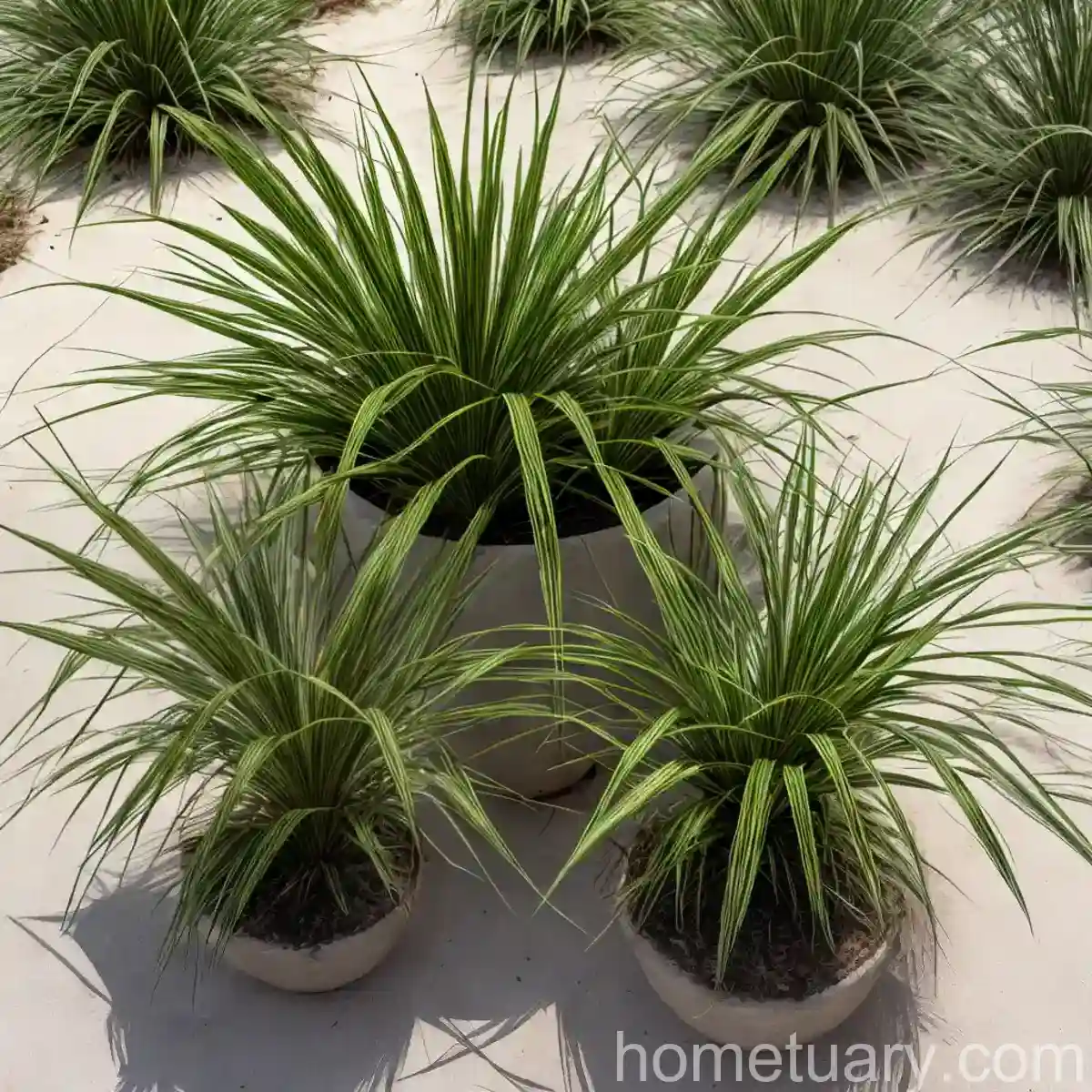
While eastern gamagrass is predominantly grown in open landscapes and conservation areas, its potential for container cultivation is gaining attention. This approach allows for the creation of portable displays of Tripsacum dactyloides, offering flexibility in landscaping and ornamental arrangements.
- Container Cultivation:
- Increasing popularity for container planting
- Provides flexibility for landscaping and ornamental uses
- Requires well-drained, appropriately sized containers
As we continue to explore the cultural practices and uses of eastern gamagrass, it’s essential to address common diseases and pests that may affect this plant species.
Common Diseases
Like any other plant, eastern gamagrass is susceptible to certain diseases that can impact its overall health and vigor. Being aware of these diseases and their management strategies is crucial for preventing and mitigating their impact on Tripsacum dactyloides.
Disease Diagnosis
- Leaf Rust (Puccinia tripsaci):
- Identified by orange pustules on leaves
- Fungicide application may be warranted in severe cases
- Ergot (Claviceps purpurea):
- Occurs as dark, elongated masses replacing seeds
- Removal of infected seed heads and crop rotation can aid in control
- Charcoal Rot (Macrophomina phaseolina):
- Leads to wilting and stem discoloration
- Improving soil drainage and avoiding waterlogged conditions can mitigate its impact
- Leaf Spot Diseases:
- Manifest as circular spots on leaves
- Maintain good air circulation and practice sanitation to minimize spread
Understanding the symptoms and management of these diseases is essential for preserving the health and vitality of eastern gamagrass. Implementing integrated pest and disease management strategies can contribute to a thriving stand of Tripsacum dactyloides.
Common Pests
In addition to diseases, certain pests can pose a threat to eastern gamagrass, impacting its overall growth and productivity. Monitoring for these pests and implementing appropriate control measures is vital for safeguarding the plant from potential damage.
- Grasshoppers:
- Feeding by nymphs and adults can defoliate plants
- Mechanical barriers and natural predators can aid in control
- Armyworms:
- Consume foliage and seed heads
- Biological control agents and targeted insecticides can mitigate their impact
- Aphids:
- Suck sap from plants, causing distortion and stunting
- Use of insecticidal soaps and horticultural oils for control
- Wireworms:
- Feeding on root systems can reduce plant vigor
- Crop rotation and soil amendments can help manage wireworm populations
By being vigilant and responsive to the presence of these pests, we can protect eastern gamagrass from potential infestations and minimize their effects on plant health.
Botanist’s Tips
As we immerse ourselves in the world of eastern gamagrass, it’s essential to heed the advice of seasoned botanists and horticulturists who have valuable insights into the successful cultivation and utilization of this remarkable plant species. Their tips can offer guidance for enthusiasts and practitioners seeking to incorporate Tripsacum dactyloides into various settings.
- Selecting Suitable Varieties:
- Choose eastern gamagrass cultivars adapted to local climate and soil conditions
- Consider the intended use of the plant, whether for landscaping, conservation, or forage production
- Sustainable Management Practices:
- Embrace sustainable cultivation methods, such as minimal tillage and organic amendments
- Foster biodiversity and ecological balance through the integration of eastern gamagrass into diverse landscapes
- Continuous Observation and Assessment:
- Regularly monitor the growth and condition of eastern gamagrass stands
- Adjust management practices based on plant performance and environmental dynamics
By incorporating these tips into our approach to eastern gamagrass, we can enhance the success and positive impacts of cultivating Tripsacum dactyloides.
Fun Facts
In the realm of plant science, uncovering intriguing and lesser-known facts about specific plant species often adds to the fascination and appreciation for the natural world. Here are some captivating fun facts about eastern gamagrass to enrich our understanding of this exceptional plant:
- Native American Uses:
- Indigenous cultures utilized eastern gamagrass for food, fiber, and ceremonial purposes
- Its historical significance as a valuable resource for Native American communities spans centuries
- Wildlife Habitat Support:
- Eastern gamagrass serves as a vital source of cover and forage for a diverse array of wildlife species
- Its ecological importance in sustaining wildlife populations underscores its value in natural ecosystems
- Historical Roots:
- Tripsacum dactyloides has a rich botanical history, with its lineage dating back millions of years
- Its evolutionary adaptations and survival strategies reflect its resilience and endurance as a species
These fun facts shed light on the multifaceted role of eastern gamagrass, extending beyond its botanical attributes to encompass its cultural, ecological, and historical significance.
As we continue our exploration of eastern gamagrass, it’s important to leverage external resources that provide comprehensive insights and practical information about this plant species.
Links to External Resources
To expand our knowledge and understanding of eastern gamagrass, I recommend exploring the following reliable external resources:
- USDA Plants Database
- Native Plant Database – Lady Bird Johnson Wildflower Center
- Grass Manual on the Web – Tripsacum dactyloides
- Forage and Range Research Laboratory – Eastern Gamagrass
These resources offer valuable botanical information, cultivation guidelines, and ecological insights pertaining to eastern gamagrass, enriching our understanding and enabling informed decision-making in its cultivation and utilization.
Conclusion
From its cultural requirements and uses to its ecological significance and fun facts, our journey through the realm of eastern gamagrass has provided a holistic view of this remarkable plant species. Tripsacum dactyloides stands as a testament to the intricate relationships between plants, wildlife, and ecosystems, showcasing its potential to enrich landscapes, support biodiversity, and provide valuable resources.
As plant scientists and enthusiasts, let us continue to explore the diverse tapestry of plant life, embracing the knowledge and appreciation that each species imparts. In doing so, we deepen our connection to the natural world and amplify our efforts towards sustainable stewardship of plant resources.
Remember, the intricate wonders of plant life invite us to delve deeper, learn continuously, and nurture the living tapestry that surrounds us.
Cultivate the wonder of plants and let the legacy of knowledge blossom.
[Delight in the cultivation of eastern gamagrass and the myriad wonders of the plant kingdom.]