E. T. Fern (Polypodium Formosanum ‘Cristatum’)
Plants have always played a vital role in our lives, from providing food and oxygen to enhancing the aesthetic appeal of our surroundings. Within the vast.
Introduction
Plants have always played a vital role in our lives, from providing food and oxygen to enhancing the aesthetic appeal of our surroundings. Within the vast and diverse world of plants, ferns have their own unique charm and beauty. E. T. Fern, scientifically known as Polypodium Formosanum ‘Cristatum’, is a striking fern variety that captivates plant enthusiasts with its elegant fronds and relatively low maintenance requirements. In this comprehensive plant care guide, we will explore the cultivation, care, and various other aspects of E. T. Fern, shedding light on the best practices for ensuring its healthy growth in different environments.
What is E. T. Fern (Polypodium Formosanum ‘Cristatum’)?
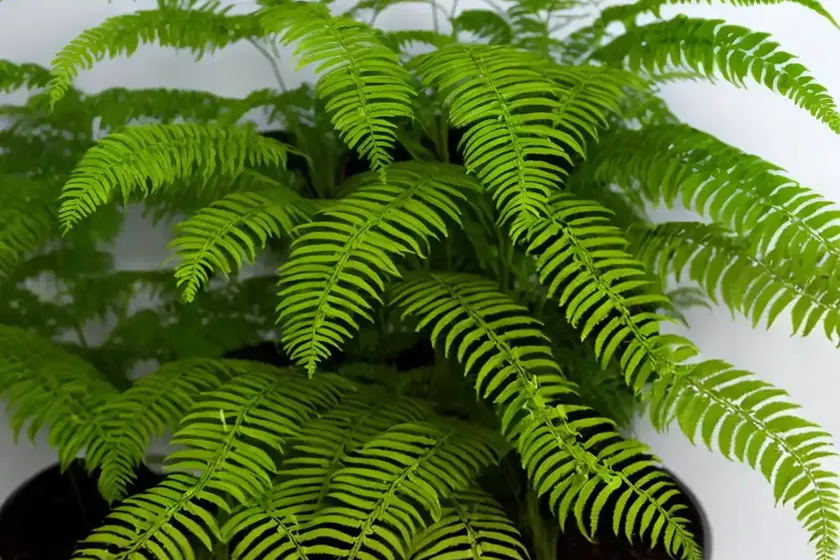
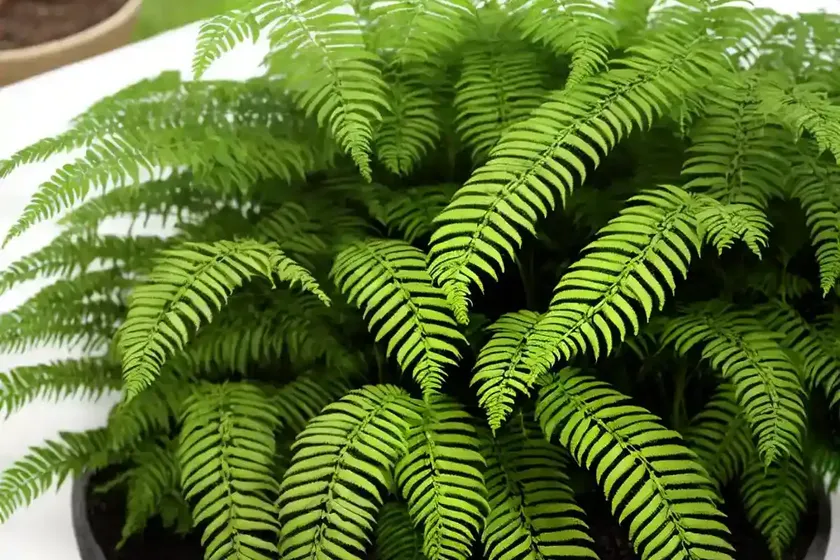
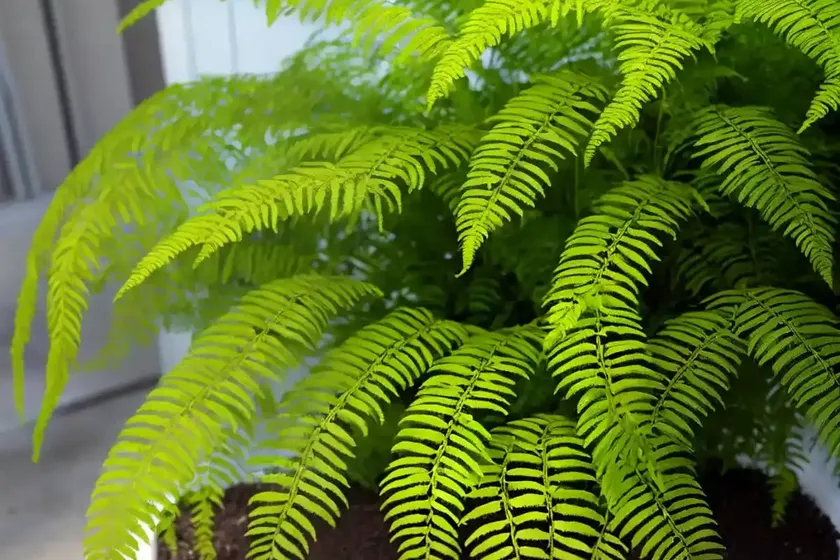
E. T. Fern, or Polypodium Formosanum ‘Cristatum’, is a visually stunning fern with intricately divided fronds, forming a delightful crinkled foliage. This fern variety belongs to the Polypodium genus, which encompasses a wide array of fern species known for their ornamental value and adaptability to various growing conditions.
Key Takeaways
E. T. Fern (Polypodium Formosanum ‘Cristatum’):
- Scientific Name: Polypodium Formosanum ‘Cristatum’
- Cultivar Name: E. T. Fern
- Common Name: E. T. Fern
- Type: Fern
Culture
Uses
E. T. Fern is primarily valued for its ornamental appeal and is often cultivated for decorative purposes, both indoors and outdoors. Its distinctive fronds add a touch of elegance to gardens, landscapes, and interior spaces, making it a sought-after choice for plant enthusiasts and horticulturists alike.
Care Requirements
Water
Proper watering is crucial for the health and vitality of E. T. Fern. This fern variety thrives in moist conditions, necessitating regular watering to maintain adequate soil moisture. However, it is important to avoid overwatering, as excessive moisture can lead to root rot and other water-related issues.
Sunlight
In terms of sunlight requirements, E. T. Fern prefers filtered or indirect light. It thrives in bright, but not direct, light conditions, making it well-suited for shaded areas or spaces with dappled sunlight. Direct sun exposure should be avoided, as it can scorch the delicate fronds of the plant.
Fertilizer
When it comes to fertilization, E. T. Fern benefits from regular, light feeding during the growing season. A balanced, water-soluble fertilizer formulated for indoor plants or ferns can be applied at half the recommended strength every 4-6 weeks to provide the necessary nutrients for robust growth.
Soil
The choice of soil is crucial for the overall health and development of E. T. Fern. It thrives in well-draining, rich potting mix with high organic matter content. A mixture of peat moss, perlite, and pine bark can create an ideal growing medium for this fern, facilitating healthy root development and moisture retention.
Pruning
Pruning is a key aspect of E. T. Fern care, as it helps maintain the plant’s aesthetic appeal and prevents the accumulation of dead or damaged fronds. Remove any yellowing or brown fronds close to the base of the plant using sterilized pruning shears to promote the emergence of new growth.
Propagation
E. T. Fern can be propagated through division, a method that involves separating the rhizomes and planting them in individual containers or suitable locations. This process is best carried out during the early spring, ensuring that each division has viable roots and foliage for successful establishment.
Container Popularity
Due to its compact size and attractive appearance, E. T. Fern is a popular choice for container gardening and indoor plant displays. Its elegant fronds and low maintenance needs make it well-suited for adorning tabletops, shelves, and other indoor spaces in pots or decorative containers.
Common Diseases
E. T. Fern is relatively resistant to diseases when provided with optimal growing conditions. However, it may be susceptible to certain issues such as:
-
Root Rot: Overwatering or waterlogged soil can lead to root rot in E. T. Fern, causing the roots to decay and impairing the plant’s overall health.
-
Leaf Spot: Fungal infections or bacterial pathogens can cause unsightly leaf spots on the fronds of the fern, affecting its visual appeal and vigor.
Disease Diagnosis
To diagnose diseases in E. T. Fern, it is essential to inspect the plant regularly for any signs of discoloration, wilting, or unusual growth patterns. Additionally, monitoring the soil moisture and overall environmental conditions can provide valuable insights into potential disease issues.
Common Pests
While E. T. Fern is generally resistant to pest infestations, it may occasionally attract certain common pests, including:
-
Spider Mites: These tiny arachnids can infest the foliage of E. T. Fern, causing stippling, discoloration, and overall decline in plant health.
-
Scale Insects: Scale insects may attach themselves to the fronds and stems of the fern, feeding on the plant sap and causing damage to its structure and vitality.
Botanist’s Tips
To ensure the thriving growth of E. T. Fern, consider the following expert tips:
- Place the fern in a location with adequate humidity to mimic its natural habitat and promote lush, healthy growth.
- Regularly inspect the plant for any signs of pests or diseases, and promptly address any issues that may arise to prevent further damage.
- Provide consistent, gentle care to E. T. Fern, as it responds well to a stable and nurturing environment.
Fun Facts
- E. T. Fern is named for its striking, crinkled fronds that resemble the whimsical appearance of an extra-terrestrial creature, lending an intriguing touch to its visual appeal.
- This fern variety has a rich history and cultural significance, with traditional uses in folklore, medicine, and decorative arts.
Links to External Resources
For additional information on E. T. Fern care, cultivation, and related topics, refer to the following external resources:
Conclusion
E. T. Fern, or Polypodium Formosanum ‘Cristatum’, stands out as an exceptional addition to any plant collection, offering captivating foliage and relatively undemanding care requirements. By gaining insights into its cultivation, care, and unique characteristics, plant enthusiasts can cultivate this striking fern variety with confidence, creating visually appealing displays and enhancing the natural beauty of their surroundings.
Plant enthusiasts and horticulturists alike can benefit from the guidance provided in this comprehensive care guide, ensuring the successful growth and flourishing vitality of E. T. Fern in diverse environmental settings and cultivation contexts.


