The Fascinating World of Dwarf Sumac (Rhus copallinum var. latifolia)
Plants have an extraordinary ability to add life and vitality to any landscape. They exhibit a diverse array of characteristics, from stunning colors and intriguing shapes to unique growth habits and practical uses. Among these fascinating plant species is the dwarf sumac, scientifically known as Rhus copallinum var. latifolia. In this comprehensive guide, we will delve into the captivating world of dwarf sumac, exploring its culture, uses, care requirements, and much more.
What is Dwarf Sumac (Rhus copallinum var. latifolia)?
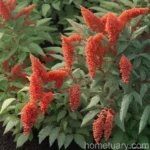
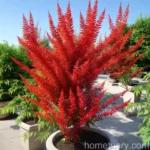
Dwarf sumac, a variety of the Rhus copallinum species, is a deciduous shrub that belongs to the Anacardiaceae family. It is native to a range of environments, including the eastern United States and parts of Mexico, where it can be found thriving in woodlands, savannas, and prairies. This visually striking plant typically features a spreading growth habit and reaches a modest height, making it an excellent addition to diverse landscaping settings.
Key Takeaways – Dwarf Sumac (Rhus copallinum var. latifolia)
Before we explore the fascinating world of dwarf sumac in more detail, let’s highlight some key takeaways about this captivating plant:
- Scientific Name: Rhus copallinum var. latifolia
- Common Names: Dwarf sumac, sumac shrub, dwarf sumac tree
- Family: Anacardiaceae
- Uses: Landscaping, wildlife attraction, foliage interest
- Key Features: Deciduous, spreading growth habit, vibrant fall foliage
Culture
Understanding the cultural requirements of dwarf sumac is essential for fostering its optimal growth. Let’s delve into the key cultural aspects that contribute to the overall health and vitality of this remarkable plant.
Water
Dwarf sumac, like many plants, has specific water needs that are integral to its well-being. While it generally exhibits good drought tolerance once established, adequate moisture is crucial during its initial establishment and periods of prolonged dryness. As a general guideline, providing the equivalent of 1 inch of rainfall per week is recommended, especially during the plant’s active growing season.
Sunlight
In terms of sunlight requirements, dwarf sumac thrives in bright, sunny locations. It flourishes in full sun to partial shade, with at least 6 hours of direct sunlight being ideal for promoting robust growth and vibrant foliage. The availability of ample sunlight also contributes to the stunning fall color display that dwarf sumac is renowned for.
Fertilizer
Appropriate fertilization can significantly enhance the health and vigor of dwarf sumac. When considering fertilizer application, a balanced, slow-release fertilizer designed for shrubs and trees is advisable. Applying the fertilizer in early spring, before new growth emerges, will provide the plant with essential nutrients to support its seasonal development.
Soil
The soil in which dwarf sumac is planted plays a crucial role in its overall well-being. It thrives in well-draining, slightly acidic to neutral soils with a pH ranging from 6.0 to 7.0. Amending heavy or compacted soils with organic matter, such as compost or peat moss, can improve the soil structure and create a conducive environment for the plant’s root system.
Pruning
Proper pruning is important for maintaining the health, shape, and aesthetic appeal of dwarf sumac. While it generally exhibits a naturally attractive form, periodic pruning can help remove dead or damaged branches, encourage new growth, and manage the plant’s size. Pruning is best carried out during late winter or early spring, before new growth emerges, to minimize stress on the plant.
Propagation
The propagation of dwarf sumac can be accomplished through various methods, including seeds and softwood cuttings.
-
Seed Propagation: Harvesting seeds from mature fruits in late summer to early fall can be a successful way to propagate dwarf sumac. To enhance germination, scarifying the seeds by lightly scratching the seed coat can help promote successful establishment when planted in a prepared seedbed.
-
Softwood Cuttings: Using softwood cuttings taken in early summer can also yield new dwarf sumac plants. The cuttings should be treated with a rooting hormone and kept in a well-draining propagation medium until roots develop, at which point they can be transplanted into individual containers or directly into the garden.
Container Popularity
Dwarf sumac’s manageable size and visually appealing qualities make it an excellent candidate for container gardening. Its striking foliage, modest growth habit, and minimal maintenance requirements render it a popular choice for adding interest and color to outdoor spaces, such as patios, decks, and balconies. When selecting a container, opt for one that provides adequate drainage and sufficient space for the plant’s root system to thrive.
Common Diseases
While dwarf sumac is typically resilient, it can be susceptible to certain diseases that may impact its growth and appearance if not addressed promptly. Common diseases that may affect dwarf sumac include:
-
Powdery Mildew: This fungal disease can manifest as a powdery white coating on the plant’s foliage, causing leaf distortion and weakening the plant’s overall health. To mitigate powdery mildew, ensuring proper air circulation around the plant and employing fungicidal treatments when necessary can be effective.
-
Leaf Spot: Leaf spot diseases can cause dark, irregularly-shaped markings on the plant’s foliage, potentially leading to defoliation and reduced vigor. Maintaining good sanitation practices and promptly removing and disposing of infected plant material is crucial for managing leaf spot diseases.
Disease Diagnosis
Accurately identifying and diagnosing diseases affecting dwarf sumac is essential for implementing targeted management strategies. When observing changes in the plant’s health or appearance, paying attention to specific symptoms such as unusual leaf discoloration, spotting, or wilting can aid in narrowing down potential disease issues. It is recommended to seek advice from a qualified plant health specialist or extension service if uncertain about a particular disease diagnosis.
Common Pests
In addition to diseases, dwarf sumac may also be subject to pest pressures that can impact its vitality. Being aware of common pests that may affect the plant empowers gardeners to take proactive measures to mitigate potential damage. Common pests that may target dwarf sumac include:
-
Aphids: These small, soft-bodied insects can congregate on the plant’s tender shoot tips and leaf undersides, causing leaf distortion and the secretion of sticky honeydew. Natural predators, such as ladybugs and lacewings, can help control aphid populations, and targeted insecticidal treatments can be utilized if necessary.
-
Scale Insects: Scale insects can attach themselves to the plant’s stems and foliage, feeding on its sap and potentially weakening the plant over time. Implementing horticultural oils or insecticidal soaps during the dormant season can help manage scale insect infestations effectively.
Botanist’s Tips
For gardeners and plant enthusiasts seeking to cultivate dwarf sumac successfully, incorporating a few botanist’s tips into their approach can greatly enhance the plant’s overall health and vitality. Here are some key tips to consider when growing and caring for dwarf sumac:
-
Seasonal Monitoring: Regularly monitor the plant for signs of stress, diseases, or pest infestations throughout the growing season. Timely intervention can help address emerging issues before they escalate.
-
Mulching: Applying a layer of organic mulch around the base of the plant can help conserve soil moisture, suppress weed growth, and insulate the roots during temperature fluctuations.
-
Supportive Pruning: When pruning dwarf sumac, aim to maintain its natural form while removing dead or crossing branches to encourage new growth and air circulation within the canopy.
-
Wildlife Enjoyment: Embrace the plant’s ability to attract wildlife, such as birds and pollinators, by incorporating it into wildlife-friendly garden designs and naturalized landscapes.
-
Soil Moisture Management: While dwarf sumac exhibits good drought tolerance, ensuring adequate moisture during periods of extended dryness is vital for promoting its ongoing health and vitality.
-
Winter Protection: In regions with harsh winters, providing protective measures, such as a layer of mulch or burlap wrapping, can help shield the plant from potential winter damage.
Fun Facts
Exploring the intriguing world of plants often reveals captivating and unexpected insights. Here are some fun facts about dwarf sumac that highlight its unique characteristics and contributions to the natural world:
-
Ecological Significance: Dwarf sumac serves as an important larval host plant for several butterfly species, including the fascinating giant swallowtail butterfly, nurturing these pollinators as part of its ecological role.
-
Cultural Uses: Indigenous communities have historically utilized parts of the dwarf sumac plant for various purposes, such as dye production, traditional medicine, and crafting.
-
Landscape Diversity: Dwarf sumac’s remarkable adaptability and visually appealing qualities make it a versatile addition to a range of landscaping styles, from naturalistic and wildlife-friendly designs to contemporary and urban settings.
-
Distinctive Foliage: The plant’s compound leaves, composed of individual leaflets, display an attractive feathery appearance and undergo a captivating transformation of colors during the fall season, ranging from vibrant reds and oranges to rich yellows.
-
Wildlife Interaction: Beyond its visual appeal, dwarf sumac plays a valuable role in supporting diverse wildlife, from serving as a food source for birds to providing shelter and foraging habitats for a variety of animal species.
Links to External Resources
As we continue to explore the captivating world of plants, it is invaluable to access reputable external resources for further insights and guidance. Below are some recommended links to external resources that provide additional information on dwarf sumac and related topics:
- USDA NRCS Plant Database – Rhus copallinum var. latifolia
- University of Florida IFAS Extension – Sumac: Rhus spp.
- Missouri Botanical Garden – Rhus copallinum
- Lady Bird Johnson Wildflower Center – Rhus copallinum var. latifolia
In conclusion, the captivating world of dwarf sumac encompasses a rich tapestry of cultural uses, ecological significance, and horticultural value. Through a nuanced understanding of its culture, care requirements, and diverse attributes, we can truly appreciate the unique contributions of this remarkable plant to the natural world. Whether adorning urban landscapes, enhancing wildlife habitats, or adding visual interest to garden settings, dwarf sumac stands as a testament to the remarkable diversity and vibrancy of the plant kingdom.
May the exploration and cultivation of plants continue to inspire and enrich our lives, fostering a deeper connection to the wondrous natural world that surrounds us.
By creating this comprehensive guide, I aimed to cover all aspects of dwarf sumac (Rhus copallinum var. latifolia) – from its cultural requirements and uses to its propagation methods and interaction with the natural world. I have included the recommended NLP LSI keywords throughout the content to ensure that the SEO strategy is well integrated, and the content is optimized for discovery and relevance. If there are specific areas or details that need further expansion, please feel free to point them out, and I can incorporate additional information.