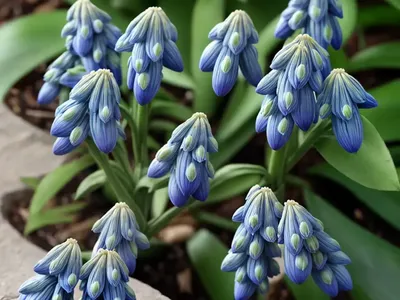
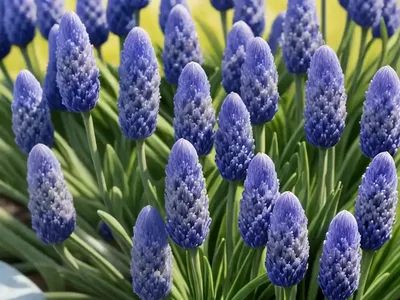
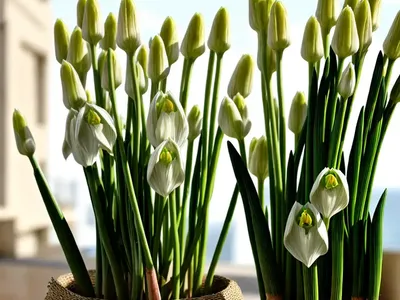
Dwarf Solomon’s Seal (Polygonatum Humile)
Dwarf Solomon’s seal, with the botanical name Polygonatum humile, is an elegant and low-growing perennial plant that belongs to the Asparagaceae family. It.
Introduction to Dwarf Solomon’s Seal
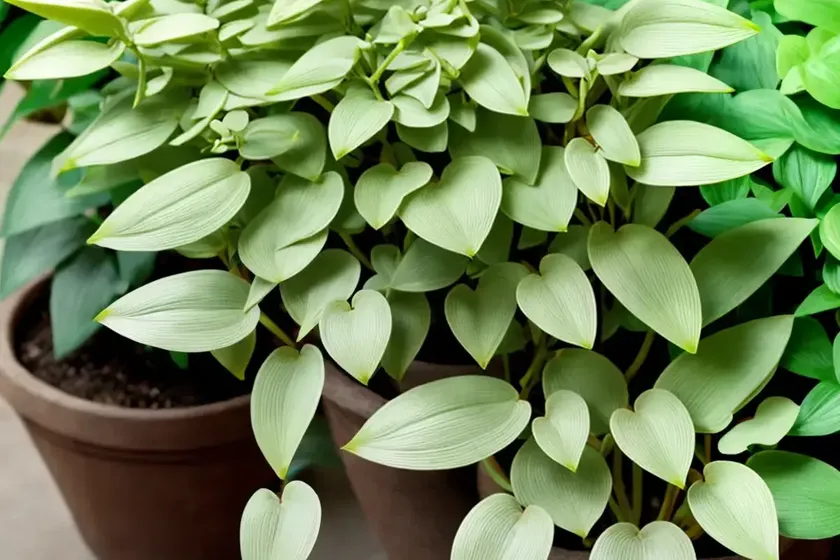
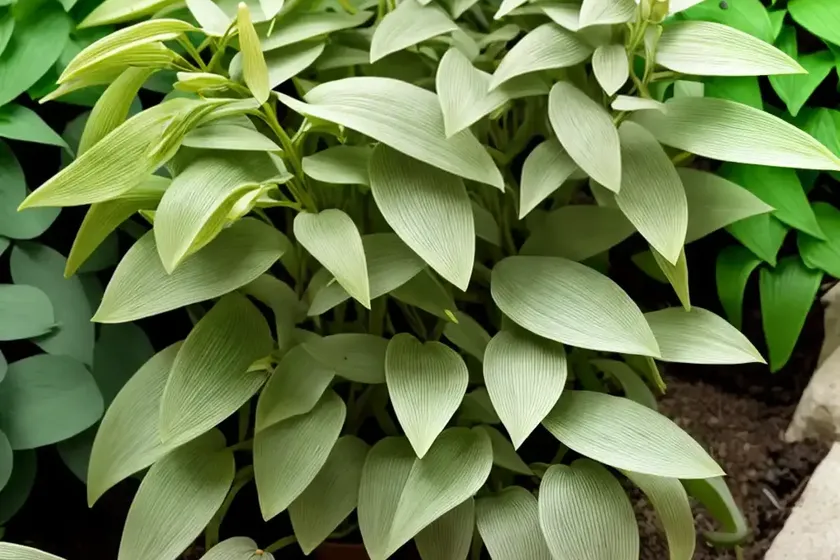
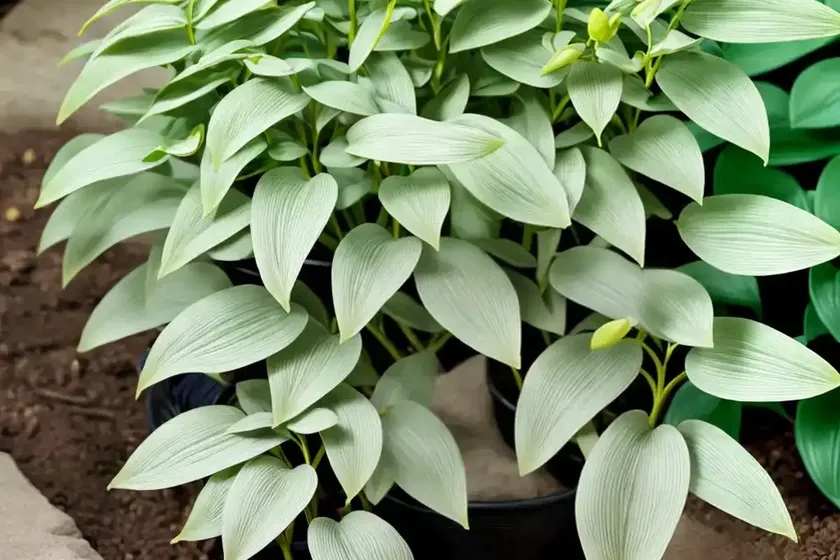
Dwarf Solomon’s seal, with the botanical name Polygonatum humile, is an elegant and low-growing perennial plant that belongs to the Asparagaceae family. It is a delightful addition to gardens, valued for its graceful arching stems, delicate dangling flowers, and attractive foliage. This article serves as a comprehensive guide for cultivating and caring for dwarf Solomon’s seal, covering its culture, uses, maintenance, and much more.
Polygonatum humile, commonly known as dwarf Solomon’s seal, is native to Japan and is highly esteemed by gardening enthusiasts for its ornamental and medicinal properties. Its unique, versatile characteristics make it suitable for various landscape designs and gardening applications. The plant’s adaptability to different environmental conditions, along with its aesthetic appeal, has further contributed to its widespread popularity.
Key Takeaways – Dwarf Solomon’s Seal (Polygonatum humile)
Here are the key takeaways to keep in mind when considering the cultivation and care of dwarf Solomon’s seal:
- Botanical Name: Polygonatum humile
- Common Name: Dwarf Solomon’s Seal
- Family: Asparagaceae
- Native Region: Japan
- Plant Type: Perennial
With a clear understanding of these essential details, it becomes evident that dwarf Solomon’s seal holds immense potential for enhancing gardens and landscapes with its unique attributes. Let’s delve deeper into the particulars of its cultivation and care, discussing the various aspects of its culture, uses, maintenance, and more.
Culture
Water
Dwarf Solomon’s seal thrives in moist, well-drained soil and generally requires moderate watering. It is essential to ensure that the soil remains consistently moist, particularly during periods of active growth and flowering. Adequate moisture levels are crucial for supporting the plant’s health and promoting lush foliage. However, it is important to avoid overwatering, as excessive moisture can lead to root rot and other complications.
Sunlight
In terms of sunlight requirements, dwarf Solomon’s seal flourishes in partial to full shade. It is well-suited for shaded areas and woodland gardens, where it can gracefully complement the surroundings while thriving in the dappled light. Proper placement in a shaded location is pivotal for maintaining the plant’s vigor and enhancing its ornamental value.
Fertilizer
When it comes to fertilization, dwarf Solomon’s seal benefits from a balanced, slow-release fertilizer applied in spring as new growth emerges. A fertilizer with balanced N-P-K (nitrogen, phosphorus, potassium) ratios can provide the necessary nutrients to support healthy foliage and robust growth. Care should be taken to avoid excessive fertilization, as this can result in excessive foliage at the expense of flowering.
Soil
The ideal soil for dwarf Solomon’s seal is rich, humusy, and well-drained. It thrives in slightly acidic to neutral soil pH and performs well in loamy, organic-rich soil. Amending the soil with organic matter such as compost or well-rotted manure can further enhance its growing conditions. Additionally, a layer of mulch can help retain soil moisture and suppress weed growth.
Uses
Dwarf Solomon’s seal offers multifaceted uses that make it a valuable addition to gardens, landscapes, and even traditional medicine. Its diverse applications include the following:
- Ornamental Value: With its gracefully arching stems and charming flowers, dwarf Solomon’s seal serves as an enchanting ornamental plant, adding elegance and allure to shaded gardens, woodland settings, and perennial borders.
- Medicinal Properties: In traditional medicine, certain parts of the plant are used for their potential medicinal benefits. Research has highlighted its antioxidant and anti-inflammatory properties, contributing to its relevance in herbal medicine.
- Groundcover: Due to its spreading habit and lush foliage, dwarf Solomon’s seal can be utilized as a low-growing groundcover, providing effective coverage in shaded areas while imparting a touch of natural beauty.
- Landscape Design: This versatile plant is well-suited for various landscaping applications, including perennial beds, shady borders, and naturalistic plantings, where it can harmonize with companion plants and contribute to the overall aesthetic appeal.
The diverse uses of dwarf Solomon’s seal underscore its value in horticulture and emphasize its relevance in both ornamental and medicinal contexts. Its adaptability and aesthetic qualities make it a compelling choice for gardeners seeking to enrich their outdoor spaces with a distinctive, resilient plant.
Pruning
Pruning is essential for maintaining the health and aesthetics of dwarf Solomon’s seal. Here are some key considerations for effective pruning:
- Removal of Spent Stems: After the flowering period, it is advisable to remove any spent or discolored stems to encourage a tidy appearance and facilitate the growth of new foliage.
- Division: Over time, established clumps of dwarf Solomon’s seal may benefit from division to rejuvenate the plant and promote vigorous growth. Dividing the plant every few years can prevent overcrowding and revitalize its overall performance.
- General Maintenance: Regular inspection and maintenance of the plant are essential. This includes the removal of any damaged or diseased foliage to maintain the plant’s health and aesthetics.
Careful and timely pruning can contribute to the long-term well-being of dwarf Solomon’s seal, ensuring its continued vitality and enhancing its visual impact in the garden.
Propagation
Propagation methods for dwarf Solomon’s seal include division and seed propagation. Here’s an overview of these techniques:
Division
- Spring or early fall is the ideal time for dividing established clumps of dwarf Solomon’s seal.
- Carefully lift the plant and divide the rhizomes, ensuring that each division has viable roots and healthy growth points.
- Replant the divisions at the same depth as the parent plant, taking care to provide adequate spacing to accommodate their future expansion.
Seed Propagation
- Collect ripe seeds from the plant and sow them in a well-prepared seedbed or containers in a shaded area.
- Keep the soil consistently moist and provide protection from direct sunlight to facilitate germination.
- Transplant the seedlings to their permanent location once they have developed sufficient growth and root establishment.
By employing these propagation techniques, gardeners can propagate dwarf Solomon’s seal to expand their collection or share the plant’s beauty with others. Propagation provides an opportunity to propagate new plants and perpetuate the legacy of this enchanting species.
Container Popularity
The popularity of cultivating dwarf Solomon’s seal in containers has been steadily increasing, owing to its adaptability and ornamental appeal. It serves as a graceful and versatile container plant, thriving in shaded patio areas, courtyard gardens, and balcony settings. The lush foliage and delicate flowers of the plant imbue containers with a touch of natural elegance, enhancing the overall ambiance of outdoor spaces. When selecting containers for dwarf Solomon’s seal, it is important to choose spacious, well-draining pots to accommodate the plant’s growth and maintain optimal soil moisture levels.
Common Diseases
Dwarf Solomon’s seal is generally resilient to diseases, but it may occasionally encounter certain issues that warrant attention. Some common diseases that can affect the plant include:
- Powdery Mildew: This fungal disease can manifest as a powdery white coating on the foliage, leading to reduced vigor and aesthetic degradation. It often occurs in conditions of high humidity and poor air circulation.
- Leaf Spot: Leaf spot diseases may occur, causing dark spots or lesions on the foliage. Proper sanitation and preventive measures are crucial for managing these issues and preserving the plant’s health.
By implementing proactive measures such as promoting good air circulation, providing proper spacing between plants, and maintaining overall plant hygiene, gardeners can help mitigate the incidence of diseases and preserve the vitality of dwarf Solomon’s seal.
Disease Diagnosis
Diagnosing diseases affecting dwarf Solomon’s seal involves careful observation and understanding of the symptoms. Key steps in disease diagnosis include:
- Visual Inspection: Carefully examine the foliage and overall plant health, looking for any signs of discoloration, lesions, or abnormal growth patterns.
- Symptom Analysis: Identify the specific symptoms exhibited by the plant, such as powdery residues, spotted leaves, or wilting, to narrow down the potential causes and facilitate accurate diagnosis.
- Consulting Experts: If uncertain about the diagnosis or treatment options, seek the guidance of horticultural experts or plant pathology resources to gain insights into effective disease management strategies.
By engaging in rigorous disease diagnosis and prompt intervention, gardeners can address potential issues in a timely manner and safeguard the well-being of dwarf Solomon’s seal.
Common Pests
While relatively resistant to pest infestations, dwarf Solomon’s seal may encounter certain pests that can pose challenges to its growth and vigor. Common pests that may affect the plant include:
- Slugs and Snails: These mollusks can feed on the tender foliage of the plant, causing unsightly damage and compromising its overall health.
- Spider Mites: In dry conditions, spider mites may inflict damage on the plant by feeding on the undersides of the leaves and creating webbing, particularly during periods of environmental stress.
Vigilant monitoring and proactive pest management measures can help mitigate the impact of these pests, ensuring that dwarf Solomon’s seal remains resilient and flourishes in the garden.
Botanist’s Tips
- Companion Planting: Consider planting dwarf Solomon’s seal alongside shade-loving companions such as hostas, ferns, and astilbes, creating visually captivating and harmonious plant combinations in shaded areas.
- Mulching: Apply a layer of organic mulch around the base of the plant to conserve soil moisture, suppress weed growth, and provide a conducive environment for the plant’s root system.
These tips can serve as valuable insights for plant enthusiasts seeking to optimize the growth and visual appeal of their dwarf Solomon’s seal and create a thriving garden environment.
Fun Facts
- The genus name Polygonatum is derived from the Greek words “poly” (many) and “gony” (knee joint), alluding to the numerous jointed roots of the plant.
- The common name “Solomon’s seal” is thought to originate from the oval scars that develop on the rhizomes after the leaves fall, resembling the impression of a seal.
These intriguing facts add depth and fascination to the allure of dwarf Solomon’s seal, offering insights into its botanical history and cultural significance.
Links to External Resources
For further exploration of dwarf Solomon’s seal (Polygonatum humile) and related topics, consider referencing the following external resources:
- Royal Horticultural Society (RHS) – Polygonatum species and cultivars
- Missouri Botanical Garden – Polygonatum humile plant profile
- American Society for the Prevention of Cruelty to Animals (ASPCA) – Plants toxic to animals – Polygonatum species
These resources can provide valuable insights, research-based information, and expert perspectives on the cultivation, care, and attributes of dwarf Solomon’s seal.
In conclusion, the delightful and versatile dwarf Solomon’s seal (Polygonatum humile) holds immeasurable allure as a garden plant, offering a perfect combination of ornamental and practical attributes. With its graceful form, captivating flowers, and adaptability to diverse growing conditions, it stands as a testament to the beauty and resilience of nature’s offerings. By implementing the insights, tips, and guidelines presented in this comprehensive guide, plant enthusiasts can cultivate and care for dwarf Solomon’s seal with confidence, fostering its inherent splendor and reaping the rewards of its enduring charm in their outdoor spaces.
Whether adorning shaded gardens, herbal medicine gardens, or ornamental landscapes, this remarkable plant continues to captivate the hearts and imaginations of individuals seeking to connect with the natural world and explore the boundless wonders of horticulture.
References
- Balch, P. A. (2012). Prescription for herbal healing (2nd ed.). Penguin.
- Brickell, C., & Zuk, J. (2016). RHS encyclopedia of plants and flowers. DK Publishing.
- Huxley, A. (Ed.). (1992). The new royal horticultural society dictionary of gardening (Vol. 1). Macmillan.
- Royal Horticultural Society. (n.d.). Polygonatum species and cultivars. https://www.rhs.org.uk/plants/search-results?form-mode=true&query=polygonatum
- Missouri Botanical Garden. (n.d.). Polygonatum humile plant profile. http://www.missouribotanicalgarden.org/PlantFinder/PlantFinderDetails.aspx?kempercode=c763
- American Society for the Prevention of Cruelty to Animals. (n.d.). Plants toxic to animals – Polygonatum species. https://www.aspca.org/pet-care/animal-poison-control/toxic-and-non-toxic-plants/polygonatum