The Versatile Dwarf Palmetto (Sabal minor)
Sabal minor, commonly known as dwarf palmetto, is a fascinating and resilient plant that has captured the attention of gardeners, landscapers, and botanists alike. This hardy perennial is native to the southeastern United States and belongs to the Arecaceae family. With its striking appearance and various uses, the dwarf palmetto has become a favorite among plant enthusiasts and conservationists.
In this comprehensive guide, we will explore the various aspects of the dwarf palmetto, including its description, cultural needs, propagation methods, common diseases and pests, and its ecological and medicinal significance. Whether you are a seasoned horticulturist or just starting your gardening journey, this article will provide valuable insights into maximizing the potential of the Sabal minor plant.
Key Takeaways – Dwarf Palmetto (Sabal minor)
Before delving into the details, let’s outline some key takeaways about the dwarf palmetto:
- Scientific Name: Sabal minor
- Common Name: Dwarf palmetto
- Family: Arecaceae
- Native Range: Southeastern United States
- Uses: Ornamental landscaping, medicinal properties, wildlife habitat
- Cultural Needs: Adequate water, well-draining soil, partial to full sunlight
- Growth Habit: Slow-growing, clumping palm with fan-shaped leaves
- Disease Resistance: Generally resistant to pests and diseases
- Conservation Status: Not listed as endangered or threatened
Now, let’s delve deeper into the various aspects of the dwarf palmetto, from its cultural requirements to its ecological importance and beyond.
What is the Dwarf Palmetto (Sabal minor)?
Sabal minor is a low-growing, palm-like plant characterized by its fan-shaped leaves and sturdy, fibrous trunk. As the name suggests, the dwarf palmetto is smaller in stature compared to other palms in the Sabal genus, making it a versatile choice for a wide range of landscapes and gardening styles.
Dwarf Palmetto Description
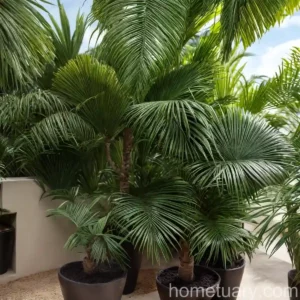
The dwarf palmetto typically reaches a height of 3 to 5 feet (0.9 to 1.5 meters) and forms clumps that spread slowly over time. Its leaves are glossy green and fan-shaped, giving the plant a tropical appearance. The trunk of the dwarf palmetto is often partially underground and covered with persistent leaf bases, creating a robust and distinctive silhouette.

Sabal Minor Habitat
In its natural habitat, Sabal minor thrives in humid, subtropical environments and is commonly found in wetlands, swamps, and along riverbanks. The plant is well-adapted to moist soils and can tolerate periodic flooding, making it an excellent choice for water gardens or landscapes with fluctuating water levels.
The natural range of the dwarf palmetto extends from the coastal plains of Virginia to eastern Texas, where it contributes to the biodiversity of these ecosystems and provides essential habitat for wildlife.
Dwarf Palmetto Foliage
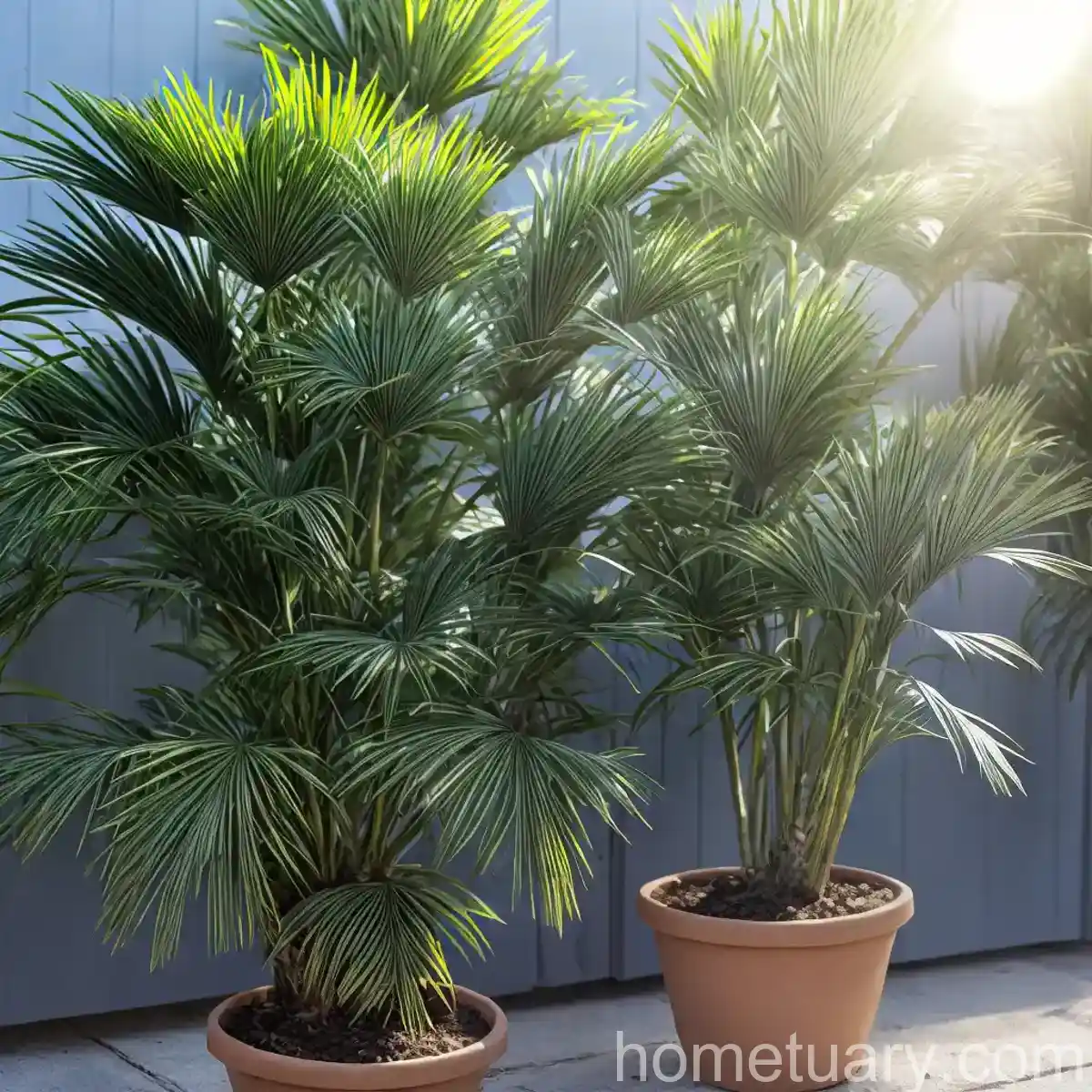
The foliage of the Sabal minor plant is an outstanding feature that adds a touch of exotic charm to any setting. The fan-shaped leaves, known as fronds, can reach lengths of up to 4 feet (1.2 meters) and are arranged in a circular pattern, giving the plant a symmetrical and graceful appearance.
The glossy, deep green color of the foliage remains consistent throughout the growing season, providing year-round visual interest. During periods of heavy wind or adverse weather, the flexible nature of the leaves allows them to sway without sustaining damage, demonstrating the plant’s resilience.
Sabal Minor Flower Characteristics
While the dwarf palmetto is not predominantly grown for its flowers, it does produce small, inconspicuous blooms that add a delicate charm to the plant. The flowers are creamy white or pale yellow in color and are held on branching inflorescences that emerge from the center of the plant.
Though the flowers themselves are not showy, they give way to clusters of black, berry-like fruits that provide a valuable food source for various bird species and wildlife, contributing to the plant’s ecological importance.
Culture
Cultivating the dwarf palmetto in a garden or landscape setting requires an understanding of its specific cultural requirements. Whether you are interested in growing Sabal minor for its ornamental appeal, ecological benefits, or medicinal properties, paying attention to its cultural needs is crucial for its long-term health and vitality.
Water
Sabal minor exhibits a preference for consistently moist soils and is well-suited to locations with ample water availability. In the garden, it is important to ensure that the plant receives sufficient moisture, particularly during hot and dry periods. However, the soil should also be well-draining to prevent waterlogging, which can lead to root rot and other issues.
Sabal Minor Watering Needs
- Establishment: Newly planted dwarf palmettos should be watered regularly to encourage root establishment. Ensure that the soil remains evenly moist, but not waterlogged, for the first few months after planting.
- Mature Plants: Once established, Sabal minor plants still benefit from regular watering, particularly during prolonged periods of drought. Deep, infrequent watering is preferable over frequent, shallow watering to encourage deep root growth and drought tolerance.
Sunlight
In its natural habitat, the dwarf palmetto thrives in partial to full sunlight, making it adaptable to a range of light conditions. When cultivated in a garden or landscape, it is important to provide the plant with adequate sunlight to promote healthy growth and foliage development.
Dwarf Palmetto Sun Requirements
- Partial Shade: Sabal minor can tolerate partial shade, particularly in hot climates or during periods of intense sunlight. Providing dappled shade or protection from harsh afternoon sun can prevent leaf scorch and maintain the plant’s overall health.
- Full Sun: While partial shade is suitable for Sabal minor, the plant also thrives in full sunlight, provided that it receives adequate water to support its moisture needs.
Soil
Optimal soil conditions are essential for the successful cultivation of the dwarf palmetto. The plant thrives in organic, well-draining soils with a slightly acidic to neutral pH. Whether grown in containers or in the ground, the soil should be carefully selected to provide the ideal growing environment for Sabal minor.
Sabal Minor Soil Preferences
- Texture: Well-draining, sandy loam soils are preferable for Sabal minor, as they allow excess water to percolate away from the roots while retaining sufficient moisture for the plant’s needs.
- Acidity: The ideal soil pH for dwarf palmetto ranges from 5.5 to 6.5, creating a slightly acidic to neutral environment that supports nutrient uptake and overall plant health.
- Organic Matter: Amending the soil with organic matter such as compost or well-rotted manure can improve its structure and fertility, providing essential nutrients for the growth of the plant.
Fertilizer
While the dwarf palmetto is not considered a heavy feeder, providing supplemental nutrients can promote vigorous growth and enhance the plant’s overall appearance. When considering fertilization for Sabal minor, it is important to use a balanced, slow-release fertilizer and apply it judiciously to avoid overfertilization.
Dwarf Palmetto Fertilization Tips
- Timing: Fertilize Sabal minor in early spring, just before the start of the growing season, to provide the plant with essential nutrients as it begins its active growth phase.
- Application: Apply a balanced, slow-release fertilizer around the base of the plant, taking care to avoid direct contact with the trunk or emerging fronds. Follow the manufacturer’s instructions for the specific fertilizer product being used.
Pruning
Pruning requirements for the dwarf palmetto are minimal, as the plant naturally sheds old fronds to make way for new growth. However, light pruning may be performed to remove damaged or discolored fronds and to maintain the aesthetic appeal of the plant.
Sabal Minor Pruning Techniques
- Old Frond Removal: As fronds age and become discolored, they can be gently trimmed away at the base of the plant to keep the appearance of the Sabal minor tidy and visually pleasing.
- Caution: When pruning Sabal minor, take care to avoid cutting into the central growing point, or apical meristem, as this can stunt the growth of the plant and leave it vulnerable to pests and diseases.
Uses
The dwarf palmetto is valued for its versatility and numerous uses, extending beyond its role as an ornamental plant. From landscape design to traditional medicine, Sabal minor has made its mark in various domains, exhibiting its adaptability and cultural significance.
Ornamental Value
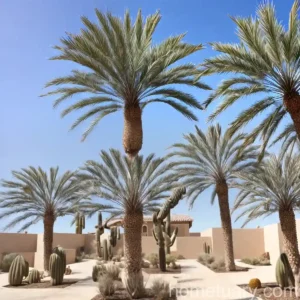
Sabal minor is a prized addition to ornamental landscapes, where its compact size and striking foliage make it a standout feature. Whether planted as a specimen or in small groupings, the plant’s architectural form and lush greenery lend elegance and a touch of the tropics to gardens, parks, and public spaces.
Dwarf Palmetto Garden Design
- Accent Plant: Incorporate Sabal minor as a focal point in garden beds or borders, where its unique texture and form can be appreciated up close.
- Mixed Plantings: Pair the dwarf palmetto with complementary perennials, grasses, or shrubs to create visually appealing combinations that offer a harmonious blend of colors and textures.
Wildlife Habitat
In its native range and beyond, the dwarf palmetto provides valuable habitat and food for a variety of wildlife species. The plant’s fruits are consumed by birds and small mammals, while its dense foliage offers shelter and nesting sites for insects, reptiles, and amphibians.
Sabal Minor Wildlife Attraction
- Birds: Several bird species, including thrashers, warblers, and woodpeckers, are attracted to the fruits of the dwarf palmetto, contributing to the biodiversity of landscapes where the plant is grown.
- Insects: Insect pollinators such as bees and butterflies visit the inconspicuous flowers of Sabal minor, aiding in the plant’s reproductive cycle and supporting local ecosystems.
Medicinal Properties
Traditionally, various parts of the dwarf palmetto plant have been used for medicinal purposes by indigenous peoples and herbalists. The roots, in particular, have been employed to create herbal preparations that are believed to support prostate and urinary tract health.
Sabal Minor Medicinal Uses
- Herbal Remedies: Extracts derived from the roots of Sabal minor have been utilized in herbal medicine to address urinary and reproductive system concerns in men, with potential benefits for prostate health.
- Research: While further scientific research is needed to fully understand the medicinal properties of the dwarf palmetto, its longstanding use in traditional remedies has sparked interest in its potential health applications.
Landscape Maintenance
In addition to its aesthetic appeal, the dwarf palmetto is valued for its low-maintenance nature, making it an ideal choice for landscapes where minimal upkeep is desired. Its adaptability to various growing conditions and climates further enhances its appeal for landscape use.
Sabal Minor Landscape Maintenance
- Drought Tolerance: Once established, Sabal minor exhibits good tolerance to drought, reducing the need for supplemental irrigation and making it suitable for water-wise landscapes.
- Cold Hardiness: The plant’s ability to withstand freezing temperatures and recover from cold damage makes it an attractive option for gardens in colder regions.
Propagation
The propagation of the dwarf palmetto can be achieved through several methods, offering opportunities for gardeners and enthusiasts to expand their collection of Sabal minor plants and share them with others. From seeds to division, each propagation method has its unique considerations and benefits.
Sabal Minor Propagation Methods
- Seed Propagation: Collect mature fruits from a healthy Sabal minor plant and extract the seeds for sowing. Ensure that the seeds are cleaned, scarified, and planted in a well-draining mix to encourage germination.
- Division: Mature clumps of Sabal minor can be carefully divided to create new plants, ensuring that each division has a good portion of roots and leaves to support its growth.
- Offsets: As the dwarf palmetto matures, it produces offsets or side shoots that can be separated from the parent plant and potted up to form independent specimens.
Container Gardening
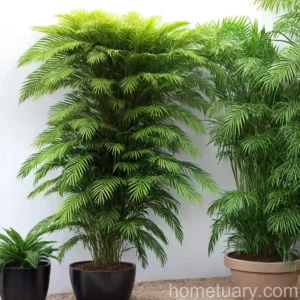
Due to its compact size and adaptability, the dwarf palmetto is well-suited to container gardening, allowing individuals with limited garden space to enjoy the beauty and resilience of the plant. When grown in containers, Sabal minor can be positioned on patios, decks, or balconies, adding a touch of greenery to urban and small-scale environments.
Sabal Minor Container Care
- Container Size: Choose a sufficiently large container that accommodates the size of the mature plant and provides space for root development. A depth of at least 18 inches (45 cm) is recommended for robust root growth.
- Drainage: Ensure that the container has adequate drainage holes to prevent waterlogging and promote aeration of the root zone. Elevating the container with pot feet or placing it on gravel can further enhance drainage.
- Watering: Container-grown Sabal minor may require more frequent watering than those planted in the ground, as the soil in containers can dry out more quickly.
Common Diseases
While the dwarf palmetto is generally robust and disease-resistant, certain environmental stressors and cultural issues can predispose it to specific diseases and disorders. By identifying and addressing these concerns early, gardeners can maintain the health and vigor of their Sabal minor plants.
Disease Diagnosis
- Root Rot: Prolonged soil waterlogging or poorly draining planting sites can lead to root rot in Sabal minor. Symptoms include wilting, yellowing of fronds, and a foul odor around the root zone. To prevent root rot, ensure proper soil drainage and avoid overwatering.
- Fungal Leaf Spots: Under conditions of high humidity or excessive moisture, fungal leaf spots may develop on the foliage of Sabal minor. These spots appear as dark lesions on the leaves and can lead to defoliation over time. Improve air circulation and avoid overhead watering to reduce the risk of fungal infections.
- Pest Infestation: While not a disease, pest infestations can stress the plant and make it more susceptible to diseases. Keep an eye out for common pests such as spider mites and scale insects, and apply appropriate control measures if infestations occur.
Common Pests
Sabal minor is relatively resistant to most pests, but occasional pest infestations may occur, affecting the appearance and vitality of the plant. Vigilance and prompt action can help mitigate pest issues and maintain the health of the dwarf palmetto.
Sabal Minor Pest Control
- Spider Mites: These tiny, sap-sucking pests can cause stippling and webbing on the undersides of leaves. Use a forceful spray of water or insecticidal soap to dislodge and control spider mite populations.
- Scale Insects: Scale insects, often found on the fronds of Sabal minor, can be managed through physical removal or the application of horticultural oils to suffocate and eliminate the pests.
Botanist’s Tips:
- Choose the Right Location: When planting Sabal minor, select a site with well-draining soil and adequate sunlight. While the plant can tolerate partial shade, full sunlight is preferable for optimal growth and foliage development.
- Provide Ample Water: Ensure that the soil around the dwarf palmetto remains consistently moist, especially during the establishment phase. Deep, infrequent watering is ideal for promoting robust root development.
- Monitor Environmental Conditions: Keep an eye on environmental factors such as humidity levels, soil moisture, and airflow, as these can impact the health and resilience of Sabal minor. Addressing any imbalances early can prevent stress on the plant.
- Minimal Intervention: Avoid overpruning or excessive fertilization, as the dwarf palmetto thrives when left to its own devices. Light maintenance and corrective actions are generally sufficient to keep the plant in optimal condition.
Fun Facts
- Sabal minor is the only palm species native to North Carolina, where it is found in the wild in specific habitats such as pocosins and swamps.
- The leaves of the dwarf palmetto were traditionally utilized by indigenous peoples for weaving baskets and creating thatched roofs for shelter.
- In some regions, the fruits of Sabal minor are collected and used to produce a type of palm wine, which has cultural and culinary significance.
Links to External Resources
For further information about the cultivation, ecology, and uses of the dwarf palmetto, consider exploring the following resources:
- North Carolina Extension Gardener Plant Toolbox – Sabal minor
- University of Florida IFAS Extension – Dwarf Palmetto
- Lady Bird Johnson Wildflower Center – Sabal minor
Conclusion
In conclusion, the dwarf palmetto (Sabal minor) is a captivating plant with a rich history, diverse uses, and enduring appeal in horticulture and environmental conservation. By understanding its cultural requirements, ecological significance, and potential for landscape enhancement, gardeners and enthusiasts can cultivate and appreciate this remarkable palm for its exceptional qualities.
Whether planted for its ornamental value, ecological benefits, or traditional uses, the dwarf palmetto stands as a testament to the resilience and beauty of native plants, contributing to the myriad landscapes where it takes root.
As you embark on your journey with Sabal minor, may you find inspiration in its tropical allure, ecological contributions, and cultural significance, spurring a deeper appreciation for the botanical marvels that enrich our lives.
Remember, the dwarf palmetto is more than a plant – it is a symbol of resilience, adaptability, and the enduring connections between humans and the natural world.
Happy gardening!
In this extensive guide, we explored the diverse facets of the dwarf palmetto (Sabal minor), from its cultural needs and uses to its ecological significance and propagation methods. The plant’s adaptability, resilience, and distinctive beauty make it a valuable addition to gardens, landscapes, and natural habitats, embodying the rich diversity of the botanical world.