Dwarf Crested Iris (Iris Cristata ‘Powder Blue Giant’)
As a plant scientist with a passion for botany and horticulture, I am thrilled to present to you the enchanting and delicate dwarf crested iris, also known.
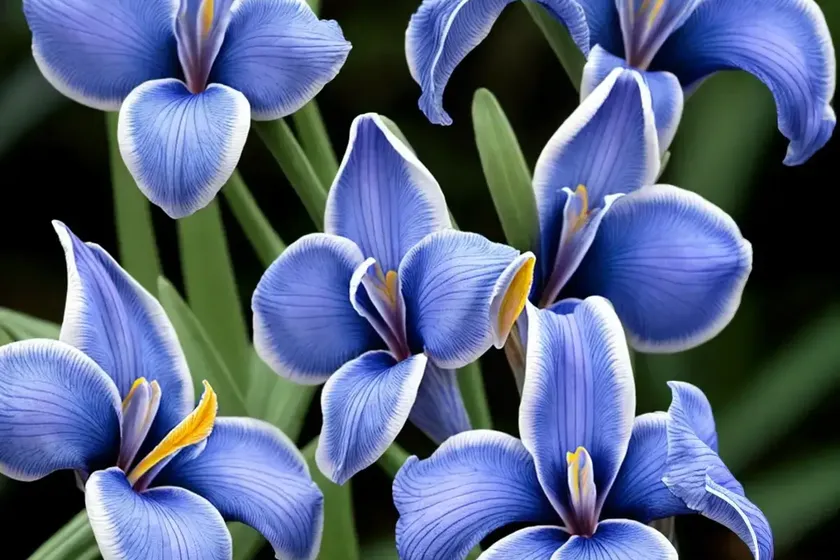
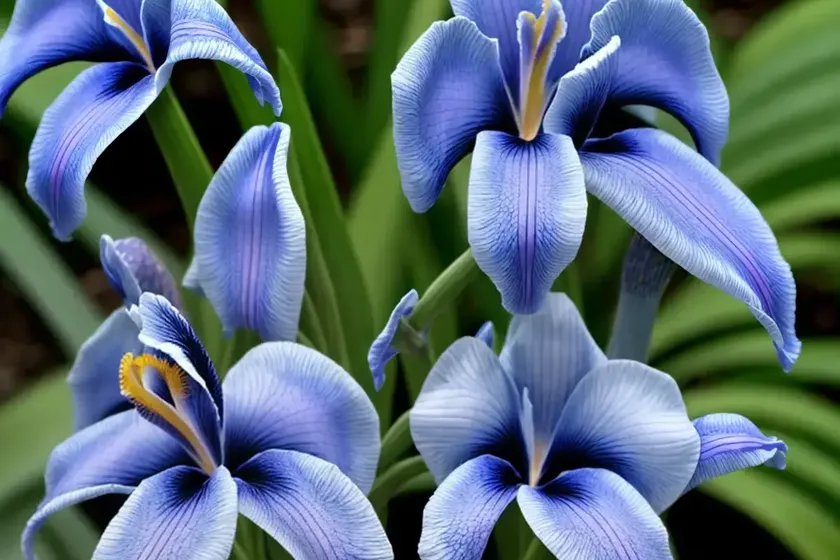
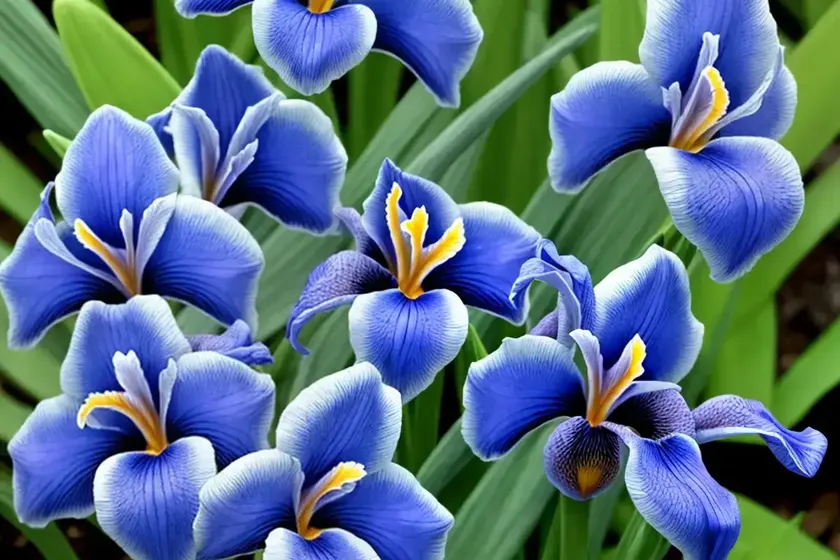
As a plant scientist with a passion for botany and horticulture, I am thrilled to present to you the enchanting and delicate dwarf crested iris, also known as Iris cristata ‘Powder Blue Giant’. In this comprehensive guide, we will explore the key aspects of this stunning plant, including its cultural requirements, uses, maintenance, and propagation techniques. Whether you’re an avid gardener, a landscape designer, or simply someone who appreciates the beauty of nature, this article will provide you with valuable insights to help you cultivate and appreciate the charm of the dwarf crested iris.
What is the Dwarf Crested Iris (Iris cristata ‘Powder Blue Giant’)?
The dwarf crested iris (Iris cristata ‘Powder Blue Giant’) belongs to the Iris genus and is a charming perennial plant that is native to North America. This particular cultivar, ‘Powder Blue Giant’, is renowned for its pale blue blooms and compact growth habit, making it a favored choice for woodland gardens, rockeries, and border plantings.
This delightful iris species is characterized by its diminutive size, reaching a height of 6-8 inches (15-20 cm), and a spread of 6-12 inches (15-30 cm). Its elegant flowers feature delicate crests or “beards” on the sepals, adding an exquisite touch to its graceful appearance. The dwarf crested iris is a true gem in the plant kingdom, captivating the hearts of gardening enthusiasts with its ethereal beauty.
Key Takeaways – Dwarf Crested Iris (Iris cristata ‘Powder Blue Giant’)
Before delving into the specific cultural requirements and care tips for the dwarf crested iris, let’s summarize the key takeaways for this captivating plant:
- Botanical Name: Iris cristata ‘Powder Blue Giant’
- Common Name: Dwarf crested iris, powder blue giant iris
- Plant Type: Herbaceous perennial
- Mature Size: 6-8 inches (15-20 cm) in height, 6-12 inches (15-30 cm) in spread
- Flower Color: Pale blue
- Sunlight: Partial to full shade
- Watering: Moderate to consistent moisture
- Soil Type: Well-draining, humus-rich soil
- Uses: Woodland gardens, rockeries, border plantings
- Maintenance: Low maintenance, minimal pruning required
- Propagation: Division, seed propagation
- Common Pests: Deer, slugs
- Common Diseases: Leaf spot, root rot
Now, let’s delve deeper into each of these components to gain a comprehensive understanding of how to nurture and appreciate the dwarf crested iris in various garden settings.
Culture
Cultivating the dwarf crested iris involves a thoughtful understanding of its cultural requirements, including its affinity for particular soil conditions, sunlight exposure, and moisture levels. By creating an environment that mimics the natural habitat of this enchanting plant, you can ensure its optimal growth and flourishing blooms.
Uses
The dwarf crested iris (Iris cristata ‘Powder Blue Giant’) is prized for its ornamental value and versatility in garden designs. Its applications include:
-
Woodland Gardens: The delicate beauty of the dwarf crested iris adds a touch of elegance to woodland settings, where it thrives in the dappled shade beneath deciduous trees. Plant it among native woodland species for a naturalistic and enchanting display.
-
Rockeries: The compact size and graceful blooms of the dwarf crested iris make it an ideal choice for rock gardens and alpine plantings. Its ability to thrive in well-drained soil makes it well-suited for these specialized garden environments.
-
Border Plantings: Whether used as a border accent or massed in drifts, the dwarf crested iris lends a charming and colorful presence to the edges of garden beds and pathways. Its low-growing habit makes it an attractive choice for defining garden borders.
Water
The dwarf crested iris thrives in soil that maintains moderate to consistent moisture levels. As with many woodland plants, it appreciates a steady supply of moisture but is susceptible to root rot if the soil becomes waterlogged. When establishing this iris species, it is essential to provide adequate watering to support its root development and establishment.
-
Establishment Phase: During the initial stages of growth, ensure that the newly planted dwarf crested iris receives regular watering to support root establishment. Monitor the soil moisture to prevent it from drying out, especially during periods of limited rainfall.
-
Mature Plants: Once established, the dwarf crested iris benefits from regular watering, particularly during dry spells or prolonged periods of heat. While it demonstrates some tolerance to drier conditions once established, consistent moisture will promote robust growth and prolific flowering.
Sunlight
One of the distinguishing traits of the dwarf crested iris is its preference for partial to full shade. In its natural habitat, this shade-loving perennial thrives beneath the canopy of deciduous trees, where it receives filtered sunlight and protection from the intense midday sun. When integrating the dwarf crested iris into garden designs, it is important to consider its light requirements to ensure its vitality and vigor.
-
Partial Shade: Ideal for woodland and shaded garden settings, the dwarf crested iris flourishes in areas that receive dappled sunlight or gentle morning sun. It benefits from protection against the harsh afternoon sun, which can scorch its delicate foliage.
-
Full Shade: In regions with intense sunlight and high temperatures, providing the dwarf crested iris with full shade or minimal exposure to direct sunlight is crucial for its well-being. By creating a shaded microclimate, you can safeguard this charming iris species from the potential adverse effects of excessive sun exposure.
Fertilizer
The cultural requirements of the dwarf crested iris extend to its nutritional needs, which can be supported through strategic fertilization. By supplying essential nutrients and organic matter to the soil, you can enhance the overall health and vitality of this delicate woodland gem.
-
Organic Amendments: Before planting or as part of routine maintenance, incorporate organic matter such as compost or well-rotted manure into the soil. This enriches the soil with valuable nutrients and improves its texture, creating an optimal growing environment for the dwarf crested iris.
-
Balanced Fertilizer: If the soil is deficient in essential nutrients, you can apply a balanced, slow-release fertilizer in early spring before the growing season begins. Choose a fertilizer with a balanced NPK ratio to ensure that the iris receives the necessary macro and micronutrients for healthy growth and abundant blooms.
Soil
The soil composition plays a pivotal role in the successful cultivation of the dwarf crested iris. The plant’s preference for well-draining, humus-rich soil mirrors its natural woodland habitat, where it thrives in soils that are rich in organic matter and moisture-retentive without becoming waterlogged.
-
Texture: The ideal soil for the dwarf crested iris is loamy and well-draining, offering a balance between water retention and permeability. This type of soil ensures that excess moisture is not trapped around the plant’s roots, reducing the risk of rot and other moisture-related issues.
-
Organic Matter: Incorporating organic matter into the soil, such as compost, leaf mold, or well-rotted manure, enhances its fertility and moisture-holding capacity. The presence of organic materials also promotes a healthy soil ecosystem and beneficial microbial activity, which contributes to the overall well-being of the dwarf crested iris.
-
pH Levels: The dwarf crested iris thrives in slightly acidic to neutral soil, with a pH range of 6.0 to 7.0. Conduct a soil test to determine the pH of the planting site, and if necessary, amend the soil to achieve the desired pH level for optimal plant growth.
Pruning
The maintenance requirements for the dwarf crested iris are minimal, and pruning is generally limited to the removal of spent flowers and the occasional tidying of the foliage. By practicing thoughtful pruning techniques, you can promote the plant’s aesthetic appeal and support its overall vigor.
-
Deadheading: To prolong the flowering period and maintain the plant’s tidy appearance, promptly remove faded blooms by snipping the flower stems at their base. Deadheading redirects the plant’s energy from seed production to vegetative growth, resulting in a more robust and floriferous display.
-
Foliage Maintenance: As the growing season progresses, the foliage of the dwarf crested iris may become untidy or develop discolored leaves. Carefully trim away any damaged or unsightly foliage to rejuvenate the plant’s appearance and reduce the risk of disease development.
Propagation
The propagation of the dwarf crested iris can be achieved through division or seed propagation, providing opportunities to expand your iris collection or share the plant’s beauty with fellow gardening enthusiasts. By following proper propagation techniques, you can successfully multiply this captivating iris species and introduce it to new garden settings.
-
Division: The division of established clumps of dwarf crested iris plants is a reliable method of propagation. Lift the plant in early spring or immediately after the flowering period, and carefully divide the rhizomes into sections, ensuring that each division has several healthy shoots and a sufficient root system.
- Planting Divisions: Replant the divided sections at the same depth as the original plants, ensuring that the roots are adequately covered with soil. Water the newly planted divisions to support their establishment and encourage the development of new growth.
-
Seed Propagation: Collecting and sowing iris seeds can be a rewarding way to propagate the dwarf crested iris and explore the variability of seed-grown progeny. Harvest mature seeds from the iris pods and sow them in prepared seed-starting trays or pots, providing the seeds with a well-draining and moist growing medium for germination.
- Germination: Keep the seed-starting containers in a sheltered location with indirect light, maintaining consistently moist soil until germination occurs. Once the seedlings have developed several sets of leaves, they can be transplanted into individual pots or directly into the garden.
Container Popularity
The compact size and ornamental appeal of the dwarf crested iris make it a popular choice for container gardening. Whether showcased in individual containers or combined with other shade-loving companions, this iris species adds a touch of grace and charm to outdoor living spaces and patio settings.
-
Container Selection: Choose well-draining containers with adequate drainage holes to accommodate the growth of the dwarf crested iris. Terra cotta pots and wooden planters are excellent choices, as they allow for air circulation and moisture regulation within the growing medium.
-
Potting Mix: Use a high-quality, well-draining potting mix that is suitable for woodland and shade-loving plants. Incorporate organic matter and perlite or vermiculite to improve the soil structure and support healthy root development in the confines of a container.
-
Placement: Position the containers in locations that receive partial to full shade, protecting the dwarf crested iris from the intense midday sun. Consider grouping containers together to create visually appealing arrangements and capitalize on the plant’s delicate blooms as a focal point.
Common Diseases
While the dwarf crested iris is generally resilient to many common garden ailments, it may be susceptible to certain diseases, particularly under conditions that compromise its vigor or environmental stressors. Recognizing the symptoms of common diseases and implementing timely interventions are integral to preserving the health and beauty of this beloved iris species.
Disease Diagnosis
-
Leaf Spot: The appearance of dark, sunken spots on the foliage of the dwarf crested iris may indicate the presence of leaf spot. This fungal disease thrives in moist conditions and can lead to defoliation if left unaddressed.
-
Root Rot: Excessive moisture and poor soil drainage can predispose the dwarf crested iris to root rot, a condition characterized by the decay of the plant’s root system. Symptoms include wilting, yellowing foliage, and a general decline in the plant’s overall vigor.
Disease Prevention and Management
-
Cultural Practices: Implementing cultural practices that promote soil drainage and reduce moisture on the foliage can help prevent the onset of common diseases. Avoid overhead watering and overcrowding of plants to minimize humidity levels and create an environment that is less conducive to disease development.
-
Fungicidal Treatments: If disease symptoms are observed, applications of fungicidal treatments may be warranted to manage the spread of fungal diseases. Select an appropriate fungicide based on the specific disease affecting the dwarf crested iris and follow the manufacturer’s instructions for safe and effective use.
Common Pests
In addition to potential disease challenges, the dwarf crested iris may attract certain pests that can affect its foliage, blooms, or overall vitality. By remaining vigilant and implementing suitable pest management strategies, you can safeguard the plant from pest-related issues and preserve its enchanting beauty.
-
Deer: In areas with deer populations, the foliage of the dwarf crested iris may be vulnerable to browsing by deer. Protect the plants with physical barriers or consider deer-resistant planting strategies to mitigate the impact of deer browsing.
-
Slugs and Snails: These mollusks are known for their voracious appetite for tender foliage, and the dwarf crested iris may fall victim to their feeding habits. Employ slug and snail control methods, such as barriers, traps, or environmentally friendly repellents, to deter these pests from damaging the iris plants.
Botanist’s Tips
As a plant scientist with a deep appreciation for the natural world and a passion for botanical discoveries, I would like to share some insightful tips to help you cultivate and enjoy the captivating presence of the dwarf crested iris in your garden or landscape.
-
Naturalistic Pairings: Integrate the dwarf crested iris with native woodland companions, such as ferns, foamflowers (Tiarella), and wild ginger (Asarum), to create harmonious and ecologically rich planting combinations that mirror its native habitat.
-
Mulching: Apply a layer of organic mulch, such as shredded bark or leaf litter, around the base of the dwarf crested iris to conserve soil moisture, suppress weed growth, and insulate the roots during temperature fluctuations.
-
Seasonal Maintenance: After the blooming period, groom the foliage of the dwarf crested iris by removing any tattered or yellowing leaves to maintain its tidy appearance and promote air circulation around the plants.
-
Woodland Restoration: Consider incorporating the dwarf crested iris into woodland restoration projects and conservation efforts to enhance biodiversity, restore native plant communities, and celebrate the intrinsic beauty of this enchanting iris species.
Fun Facts
The world of plants is filled with remarkable and intriguing facets, and the dwarf crested iris is no exception. Here are some fun and fascinating facts about this enchanting iris species:
- The specific epithet “cristata” in Iris cristata refers to the crested or “bearded” appearance of the flower sepals, a distinctive feature of this iris species.
- The dwarf crested iris is a valuable nectar source for early pollinators, such as bees and butterflies, contributing to the ecological tapestry of the woodland ecosystem.
- Iris cristata ‘Powder Blue Giant’ is renowned for its ability to naturalize and form charming colonies over time, creating captivating displays of delicate blue blooms in spring.
- This iris species can thrive as a natural ground cover in shaded areas, providing erosion control and adding an understated elegance to the landscape.
Links to External Resources
For further exploration and in-depth information about the dwarf crested iris (Iris cristata ‘Powder Blue Giant’), I recommend the following external resources:
-
The American Iris Society: The official website of The American Iris Society provides comprehensive information about iris species, including cultivation guides, educational resources, and a community of iris enthusiasts.
-
Royal Horticultural Society – Dwarf Crested Iris: The Royal Horticultural Society offers guidance on growing and caring for the dwarf crested iris, along with valuable insights on garden design and plant combinations.
-
North American Rock Garden Society: The North American Rock Garden Society is a valuable resource for exploring the uses of dwarf crested iris in rock garden designs and alpine plantings, as well as conservation efforts related to native woodland species.
-
Lady Bird Johnson Wildflower Center: Visit the Lady Bird Johnson Wildflower Center for information on native plant species, including dwarf crested iris, and their ecological significance in preserving native plant communities.
-
University Extension Services: University extension services, such as those offered by leading horticultural institutions, provide practical and science-based guidance on cultivating dwarf crested iris and managing common garden challenges.
In conclusion, the dwarf crested iris (Iris cristata ‘Powder Blue Giant’) stands as an exquisite testament to the grace and enchantment of the plant kingdom. With its delicate blooms, resilient nature, and invaluable contributions to garden aesthetics and ecosystem health, this charming iris species offers a wealth of possibilities for gardeners, landscape designers, and nature enthusiasts alike. By embracing the cultural requirements, unique features, and timeless allure of the dwarf crested iris, we can cultivate a deeper appreciation for the wondrous diversity of the natural world and the captivating beauty it bestows upon our lives.
By: [Your Name]
Date: [Date]


