Dwarf Crested Iris (Iris Cristata ‘Alba’)
Gardening enthusiasts are always on the lookout for unique and beautiful plants to enhance their outdoor spaces. One such gem is the dwarf crested iris.
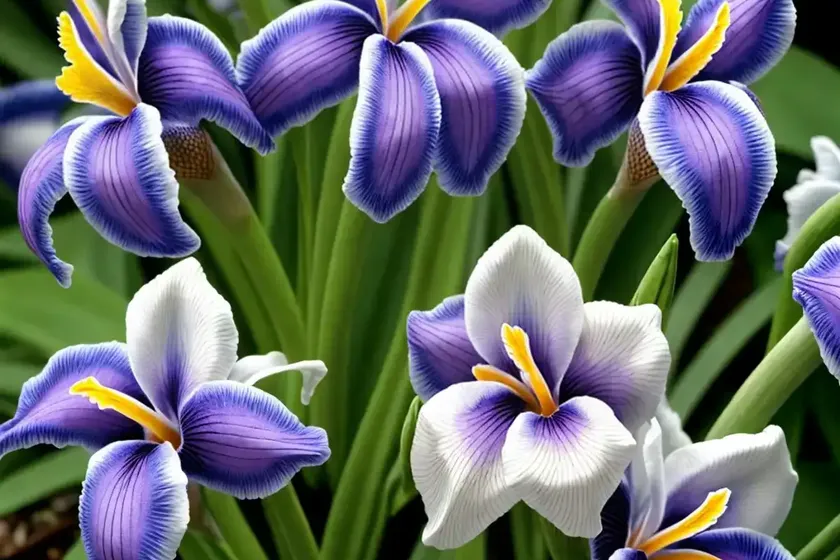
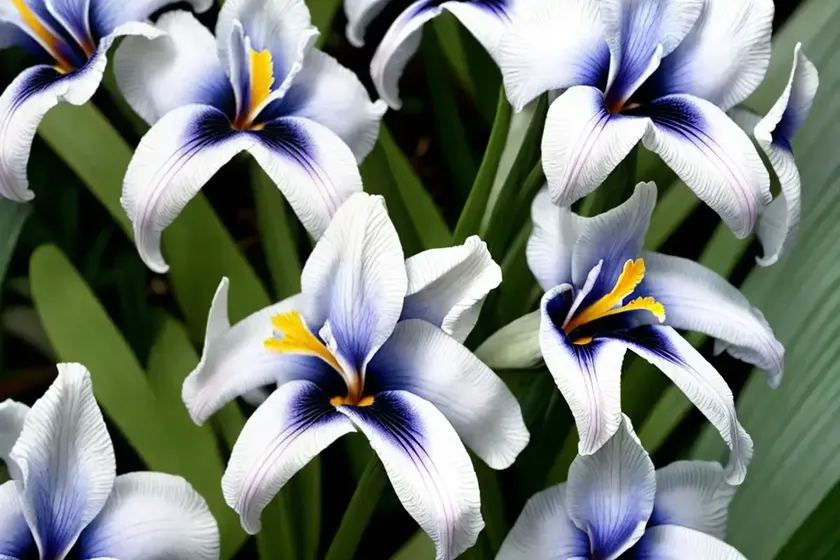
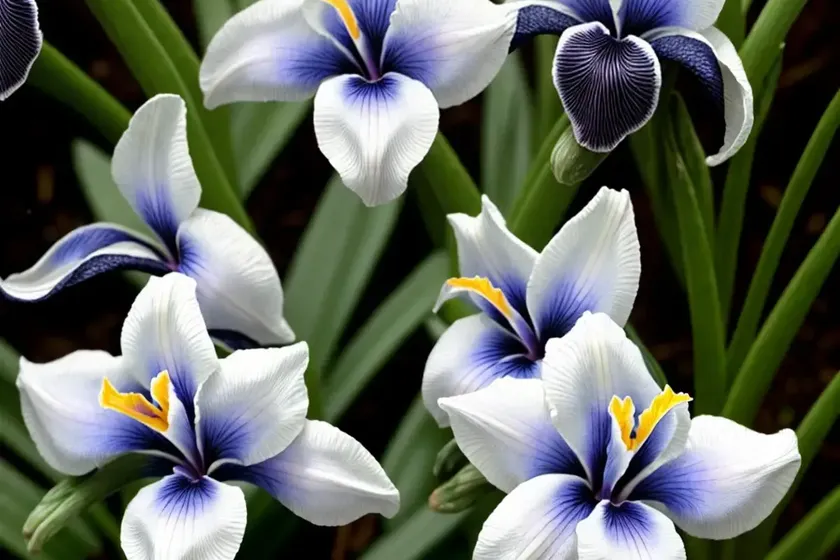
Gardening enthusiasts are always on the lookout for unique and beautiful plants to enhance their outdoor spaces. One such gem is the dwarf crested iris, scientifically known as Iris cristata ‘Alba’. This stunning plant not only adds an element of charm to gardens but also offers a range of uses and benefits. In this comprehensive guide, we will explore the various aspects of the dwarf crested iris, from its cultivation and care to its cultural significance and ecological value.
What is a Dwarf Crested Iris (Iris cristata ‘Alba’)?
The dwarf crested iris, a variety of the Iris cristata species, is a herbaceous perennial plant known for its delicate white blossoms and unique crested petals. The ‘Alba’ variety specifically boasts striking whitish flowers that illuminate shady areas with their beauty. As a member of the Iridaceae family, this iris is native to the woodlands and slopes of Eastern North America, where it can be found carpeting the forest floor with its enchanting blooms.
Key Takeaways – Dwarf Crested Iris (Iris cristata ‘Alba’)
Before delving deeper into the specifics of cultivating and caring for the dwarf crested iris, it’s essential to highlight some key takeaways about this plant. Understanding these fundamental points will lay the groundwork for a successful gardening experience with the Iris cristata ‘Alba’.
- Common Name: Dwarf Crested Iris
- Scientific Name: Iris cristata ‘Alba’
- Plant Type: Herbaceous perennial
- Bloom Color: White
- Special Feature: Unique crested petals
- Sunlight Requirement: Partial to full shade
- Soil Preference: Moist, well-draining soil
- Hardiness Zones: 3-9
Now, let’s embark on an exploration of the culture, uses, and care of this exquisite plant.
Culture
Understanding the cultural preferences of the dwarf crested iris is essential for successfully integrating it into a garden setting. From its water requirements to its soil preferences, here’s a comprehensive look at the culture of the Iris cristata ‘Alba’.
Water
Proper watering is crucial for the health and vigor of the dwarf crested iris. While these plants appreciate consistently moist soil, they are also susceptible to root rot if the soil remains waterlogged. During dry spells, especially in the absence of natural rainfall, regular watering is essential to maintain soil moisture. Mulching around the plants can also aid in retaining moisture while preventing excessive evaporation.
Sunlight
Dwarf crested iris thrives in partially shaded to fully shaded environments. While they are adapted to woodland settings with dappled light, they can also tolerate a moderate amount of direct sunlight, particularly in cooler regions. In warmer climates, however, providing them with shade during the hottest parts of the day is crucial to prevent leaf scorch and heat stress.
Fertilizer
When it comes to fertilizing dwarf crested iris, a balanced, organic fertilizer applied in early spring can help promote healthy growth and abundant blooms. It’s important to avoid excessive nitrogen, as this can lead to lush foliage at the expense of flower production. A slow-release fertilizer specifically formulated for flowering perennials is an excellent choice for these plants.
Soil
The ideal soil for dwarf crested iris is rich, organic, and well-draining. These plants thrive in woodland soil that is high in organic matter and retains moisture without becoming waterlogged. A slightly acidic to neutral soil pH is preferred, typically ranging from 5.5 to 7.0. Amending the soil with compost or well-rotted organic matter can improve its structure and fertility, creating an optimal growing environment for the Iris cristata ‘Alba’.
Uses
The dwarf crested iris, with its ethereal beauty and adaptability, offers a range of uses in garden landscapes and beyond. From its ornamental value to its ecological significance, let’s explore the various uses of this enchanting plant.
Ornamental Use
As an ornamental plant, the dwarf crested iris adds a touch of elegance and whimsy to shaded gardens, woodland areas, and naturalized landscapes. Its delicate white blooms, often adorned with yellow and white crests, provide a striking contrast against the lush greenery of the forest floor. Whether planted en masse for a breathtaking spring display or nestled among rock gardens for a pop of color, these irises are prized for their ornamental appeal.
Ecological Value
Beyond their visual allure, dwarf crested iris plants play a vital role in supporting local ecosystems. Their nectar-rich blooms attract pollinators, including bees and butterflies, contributing to the overall biodiversity of the area. Additionally, the foliage provides cover and nesting sites for small creatures, further enhancing the ecological value of these plants.
Propagation
Propagating the dwarf crested iris allows gardeners to expand their collection of these enchanting plants or share them with fellow gardening enthusiasts. Several methods can be employed to propagate Iris cristata ‘Alba’, each offering its own set of advantages and considerations.
Division
Dividing established clumps of dwarf crested iris is one of the most common and straightforward propagation methods. This can be done in early spring or immediately after the plants have finished flowering. By carefully dividing the rhizomes, ensuring each division has several healthy shoots and roots, gardeners can create new plantings or rejuvenate existing ones.
Seed Propagation
For those looking to grow dwarf crested iris from seed, patience and attention to detail are key. Harvesting ripe seed pods in late spring and sowing the seeds in a well-prepared seedbed can yield new plants, but it’s important to note that the resulting seedlings may not exhibit the exact traits of the parent plant. Adequate moisture and protection from direct sunlight are essential for the successful germination and establishment of iris seedlings.
Container Popularity
Dwarf crested iris also thrives in containers, making them a versatile choice for patio gardens, balconies, and other urban settings. Their compact size and graceful blooms add a touch of natural beauty to small outdoor spaces, while their low maintenance requirements make them an ideal option for container gardening enthusiasts.
Common Diseases
While the dwarf crested iris is generally a resilient and low-maintenance plant, it can be susceptible to certain diseases and pests. Understanding these potential challenges and knowing how to address them is essential for preserving the health and beauty of these irises.
Disease Diagnosis
One of the most common diseases that affect iris plants is bacterial leaf spot. This fungal disease typically manifests as small, water-soaked spots on the leaves, which eventually turn dark brown or black. Proper sanitation, including the removal of infected plant debris, and the application of fungicidal sprays can help manage and prevent the spread of bacterial leaf spot.
Another potential concern is iris rot, a fungal disease that can lead to the decay of rhizomes and the collapse of the plant. Good cultural practices, such as proper spacing to promote air circulation and well-draining soil, can mitigate the risk of iris rot. Additionally, removing and destroying affected plant material can prevent the disease from spreading.
Common Pests
In addition to diseases, dwarf crested iris plants can be targets for certain pests that may compromise their health and vitality. One of the most notable pests is the iris borer, the larvae of a moth species that can inflict significant damage to iris plants. Signs of iris borer infestation include wilting foliage, stunted growth, and visible tunneling within the rhizomes. Control measures include the removal and destruction of affected plant parts and the application of insecticidal treatments at the appropriate times in the insect’s life cycle.
Botanist’s Tips
Gardening enthusiasts and botany aficionados alike can benefit from a few key tips for cultivating and caring for dwarf crested iris. These insights can help elevate the gardening experience and ensure the successful integration of these enchanting plants into a variety of settings.
-
Naturalizing Effect: When planting dwarf crested iris, consider creating a naturalized look by allowing the plants to spread and form dense carpets of delicate blooms. This not only adds visual interest but also mimics the plant’s native habitat in woodland environments.
-
Companion Planting: Pair dwarf crested iris with complementary woodland plants, such as ferns, hostas, and woodland phlox, to create a harmonious and cohesive garden display. The contrast in foliage texture and color can enhance the overall visual appeal.
-
Mulching Technique: Applying a layer of organic mulch around dwarf crested iris plants can help retain moisture, suppress weed growth, and maintain a more consistent soil temperature. Opt for natural mulch materials, such as shredded bark or leaf compost, to promote a healthy growing environment.
Fun Facts
These captivating plants hold a few delightful and intriguing facts that further enhance their appeal and allure. Discovering these fun facts not only deepens an appreciation for the dwarf crested iris but also adds a layer of fascination to the gardening experience.
-
Native Habitat: Dwarf crested iris is indigenous to the Eastern United States, where it can be found gracing the woodlands with its delicate blooms. Its natural habitat provides insight into its preferred growing conditions and cultural requirements.
-
Species Diversity: The Iris cristata genus encompasses several distinct species and cultivars, each offering its own unique blend of features and characteristics. Exploring the diversity within this genus can unveil a world of captivating irises to plant enthusiasts.
-
Historical Significance: Iris plants, including the dwarf crested iris, have held symbolic and cultural significance throughout history. From representing royalty in ancient Greece to being associated with wisdom and courage, irises have left their mark on various cultures worldwide.
Links to External Resources
Understanding the intricacies of cultivating and caring for the dwarf crested iris requires a wealth of knowledge and resources. Below are some curated links to external resources that offer valuable insights and guidance on the Iris cristata ‘Alba’.
- The American Iris Society
- Royal Horticultural Society – Growing Irises
- University of Illinois Extension – Iris Care and Maintenance
In conclusion, the dwarf crested iris (Iris cristata ‘Alba’) stands as a testament to nature’s grace and beauty. Its ethereal blooms, adaptable nature, and ecological value make it a cherished addition to gardens, naturalized landscapes, and woodland settings. By delving into the nuances of its culture, uses, and care, gardeners can cultivate a deeper appreciation for this enchanting plant and create enchanting outdoor spaces that are adorned with the timeless allure of the dwarf crested iris.


