Dwarf Cavendish Banana (Musa Acuminata ‘Dwarf Cavendish’)
Welcome to our in-depth exploration of the fascinating Dwarf Cavendish banana plant, scientifically known as Musa acuminata ‘Dwarf Cavendish’. In this.
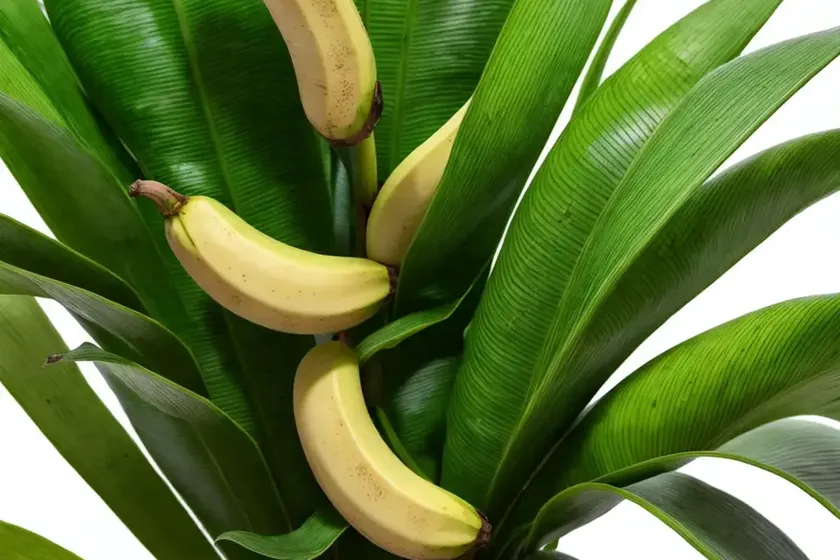
Welcome to our in-depth exploration of the fascinating Dwarf Cavendish banana plant, scientifically known as Musa acuminata ‘Dwarf Cavendish’. In this article, we’ll unravel the various facets of this unique species of banana, from its culture and uses to disease resistance and landscaping benefits. Whether you’re a home gardener or an enthusiast of tropical flora, you’ll find valuable insights and practical growing tips for cultivating this exceptional variety.
What is the Dwarf Cavendish Banana (Musa acuminata ‘Dwarf Cavendish’)?
The Dwarf Cavendish banana is a cultivar of the Musa acuminata species, which belongs to the Musaceae family. This variety is known for its relatively compact size, making it a popular choice for home gardeners and indoor cultivation. The plant produces delectable, medium-sized bananas and is renowned for its robust growth and disease resistance.
Key Takeaways
Before we delve into the specifics of the Dwarf Cavendish banana, let’s outline the key takeaways that we’ll be exploring in this comprehensive guide.
- Botanical Name: Musa acuminata ‘Dwarf Cavendish’
- Common Name: Dwarf Cavendish Banana
- Cultivar: Dwarf Cavendish
- Growth Habit: Compact and sturdy
- Fruit Characteristics: Medium-sized, flavorful bananas
- Cultural Uses: Ornamental and fruit production
- Key Considerations: Water, sunlight, soil, fertilizer, and disease resistance
Now, let’s embark on our journey to uncover the intricacies of cultivating and caring for the captivating Dwarf Cavendish banana plant.
Culture of Dwarf Cavendish Banana (Musa acuminata ‘Dwarf Cavendish’)
Water
The Dwarf Cavendish banana plant thrives in a consistently moist environment. Providing adequate water is crucial for its growth and fruit production. The plant should be watered regularly, especially during the warmer months, ensuring that the soil is consistently damp but not waterlogged. During the winter or cooler periods, it’s essential to reduce the frequency of watering while still keeping the soil moist.
Sunlight
This variety of banana plant flourishes in bright, indirect sunlight. While it tolerates some direct sun exposure, prolonged intense sunlight can lead to leaf burn and reduced plant vigor. Therefore, it’s advisable to place the Dwarf Cavendish banana in a location that receives ample light without being subjected to harsh, direct rays.
Fertilizer
Proper fertilization is vital for ensuring the robust growth and fruiting of the Dwarf Cavendish banana. It’s recommended to use a balanced, slow-release fertilizer to provide essential nutrients at regular intervals. During the growing season, a fertilizer with a higher potassium content can benefit fruit development. Regularly monitor the plant’s growth and adjust the fertilization regimen accordingly.
Soil
The ideal soil for Dwarf Cavendish bananas is well-draining and rich in organic matter. A slightly acidic to neutral pH range is preferred, typically between 5.5 and 7.0. A loamy or sandy loam soil type is suitable, promoting good drainage while retaining sufficient moisture for the plant’s needs.
Pruning of Dwarf Cavendish Banana (Musa acuminata ‘Dwarf Cavendish’)
Pruning is an essential aspect of caring for the Dwarf Cavendish banana plant, especially for maintaining its compact size and promoting healthy fruit production.
Key Objectives of Pruning:
- Height Control: Regular pruning helps manage the plant’s height, making it more suitable for indoor or limited space cultivation.
- Removing Dead or Damaged Leaves: Proper pruning allows for the removal of dead or damaged leaves, promoting overall plant health.
- Enhancing Aesthetic Appeal: Strategic pruning can create a tidy, visually appealing appearance for the plant.
- Directing Energy to Fruit Development: By removing excess foliage, the plant can allocate its resources towards developing and ripening its fruit.
Pruning Techniques:
- Use sharp, clean pruning shears to make precise cuts without causing unnecessary stress to the plant.
- Remove any dead, yellowing, or damaged leaves by cutting them close to the main trunk.
- To control the plant’s height, selectively prune the top portion of the stem to encourage lateral growth.
Being mindful to prune selectively and not excessively is crucial, as over-pruning can impact fruit production and plant vigor.
Propagation of Dwarf Cavendish Banana (Musa acuminata ‘Dwarf Cavendish’)
The Dwarf Cavendish banana can be propagated through various methods, including suckers, tissue culture, and seeds. Suckers, or offshoots, are the most common and efficient way to propagate this variety.
Sucker Propagation:
- Identify healthy, mature suckers connected to the main plant.
- Using a clean, sharp tool, carefully separate the sucker from the parent plant, ensuring that it has its own root system.
- Plant the sucker in a well-prepared, moist soil medium, providing consistent care to establish its roots and promote vigorous growth.
Tissue Culture:
Tissue culture propagation involves utilizing small pieces of plant tissue to generate new plants under controlled laboratory conditions. This method is suitable for large-scale propagation but requires specialized equipment and expertise.
Container Gardening with Dwarf Cavendish Banana (Musa acuminata ‘Dwarf Cavendish’)
One of the unique attributes of the Dwarf Cavendish banana is its adaptability to container gardening, making it an excellent choice for indoor or patio cultivation.
Popularity in Container Gardening
The compact size and relatively slow growth rate of the Dwarf Cavendish banana make it an appealing option for container gardening. Its ornamental value, combined with the prospect of homegrown bananas, has garnered significant popularity among urban and home gardeners.
Container Selection and Requirements
When choosing a container for Dwarf Cavendish bananas, opt for a sizable, sturdy pot with adequate drainage holes. The container should be large enough to accommodate the plant’s root system, and it’s advisable to choose a potting mix that provides good aeration and drainage.
Container Requirements:
- Material: Select containers made of durable materials such as plastic, ceramic, or terracotta.
- Size: A 15 to 20-gallon container is typically suitable for a mature Dwarf Cavendish banana plant, allowing ample space for root development.
- Drainage: Ensure that the container has sufficient drainage holes to prevent waterlogging, which can lead to root rot.
Common Diseases and Pest Management
Dwarf Cavendish bananas are relatively resilient to diseases and pests. However, several common issues can impact their health and fruit production, necessitating proper diagnosis and management.
Common Diseases
1. Fusarium Wilt (Panama Disease): This soil-borne fungal disease can cause wilting, yellowing of leaves, and eventual plant death. Proper soil sterilization and resistant cultivars are key preventive measures.
2. Black Sigatoka: A fungal leaf spot disease that affects the foliage, leading to reduced photosynthetic capacity. Regular monitoring and fungicidal treatments can help manage this disease.
Disease Diagnosis
When observing potential signs of disease in Dwarf Cavendish bananas, it’s essential to accurately identify the underlying issue for effective management.
Key Indicators:
- Leaf discoloration
- Wilting or drooping leaves
- Unusual spots or lesions on foliage
- Stunted growth and fruit development
Common Pests
Dwarf Cavendish bananas are relatively resistant to major pest infestations. However, occasional encounters with the following pests may necessitate targeted management strategies:
1. Aphids: These small, sap-sucking insects can cluster on new growth and undersides of leaves, leading to stunted growth and distortion.
2. Spider Mites: These arachnids can cause stippling and discoloration of leaves, reducing the plant’s overall vigor.
3. Banana Weevils: These pests primarily infest the rhizome and root system, leading to structural damage and reduced nutrient uptake.
Botanist’s Tips for Successful Cultivation
As experienced botanists and avid banana enthusiasts, we’ve compiled a set of valuable tips to ensure successful cultivation, whether you’re growing Dwarf Cavendish bananas for ornamental purposes or to enjoy their delectable fruit.
1. Soil Quality Matters
Select a well-draining soil medium enriched with organic matter to provide the essential nutrients and moisture retention that the Dwarf Cavendish banana requires for optimal growth.
2. Prudent Pruning
When pruning the plant, aim for strategic and selective removal of foliage to manage its height, enhance fruit production, and maintain an attractive, healthy appearance.
3. Vigilant Pest Monitoring
Regularly inspect the plant for signs of aphids, spider mites, and weevils, and promptly implement appropriate pest control measures to safeguard the plant’s health.
4. Balanced Fertilization
Utilize a balanced, slow-release fertilizer with adequate potassium content to support healthy growth and encourage robust fruit development in the Dwarf Cavendish banana.
Fun Facts about Dwarf Cavendish Banana (Musa acuminata ‘Dwarf Cavendish’)
Uncover the fascinating and lesser-known aspects of the Dwarf Cavendish banana through these intriguing fun facts.
- The Dwarf Cavendish banana plant was named after the renowned Cavendish family, prominent in the realms of horticulture and botanical exploration.
- Cultivating Dwarf Cavendish bananas not only yields delicious fruit but also enhances indoor and outdoor spaces with its lush foliage and tropical charm.
- The fruit of the Dwarf Cavendish banana is botanically classified as a berry, containing numerous seeds within its pulp.
- In addition to its culinary uses, the plant’s sturdy leaves have been traditionally utilized in various cultures for weaving and creating handicrafts.
Links to External Resources
For further insights and practical guidance on cultivating and caring for Dwarf Cavendish bananas, delve into these valuable external resources:
- University of Florida – Banana Growing in the Home Landscape
- Royal Horticultural Society – Banana Growing Guide
- Missouri Botanical Garden – Musa acuminata ‘Dwarf Cavendish’
- Texas A&M University – Growing Bananas in Texas
We hope this comprehensive guide has provided valuable insights into the mesmerizing world of Dwarf Cavendish bananas, empowering you to embark on a rewarding journey of cultivating and cherishing these exceptional plants. Whether for their ornamental allure or delectable fruit, the Dwarf Cavendish banana captivates the senses and enriches the landscape with its tropical splendor.


