Dusty Zenobia (Zenobia pulverulenta) – A Complete Guide
Zenobia pulverulenta, commonly known as dusty zenobia, is an elegant deciduous shrub that belongs to the Ericaceae family. This native shrub of the southeastern United States is a breathtaking addition to any landscape due to its stunning foliage and delicate flowers. In this comprehensive guide, we will explore the various aspects of dusty zenobia, including its characteristics, cultivation, uses, and maintenance.
What is Dusty Zenobia (Zenobia pulverulenta)?
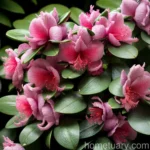
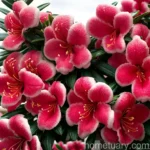
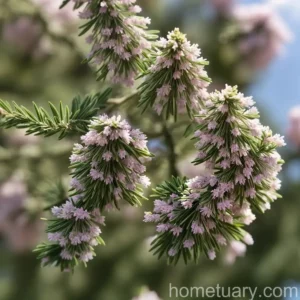
Dusty zenobia, or Zenobia pulverulenta, is a species of flowering plant in the heath family, Ericaceae. This species is native to the southeastern United States, where it can be found in moist woods and along stream banks. It is valued for its attractive foliage, which turns vibrant shades of yellow, orange, and red in the fall, as well as its showy white or pink flowers that bloom in the spring.
This elegant shrub typically grows to a height of 4 to 6 feet, with a spread of 3 to 6 feet. Its arching branches and slender leaves give it a graceful appearance, making it a popular choice for ornamental landscaping.
Key Takeaways – Dusty Zenobia (Zenobia pulverulenta)
Culture
- Common Names: Dusty Zenobia, Honeycup, and Zenobia
- Plant Type: Deciduous shrub
- Native Range: Southeastern United States
- Habitat: Moist woods and stream banks
- Flowering Period: Spring
- Foliage Colors: Yellow, orange, and red in the fall
Uses
- Landscape Design: Ornamental shrub, border plant, wildlife gardens
- Medicinal Properties: Yet to be widely documented
- Culinary Uses: No significant culinary applications
Water
- Watering Needs: Regular watering, particularly during dry spells
- Drought Tolerance: Moderate
Sunlight
- Sunlight Requirements: Partial shade to full sun
- Foliage Color: Intensifies with more sun exposure
Fertilizer
- Fertilization: Light feeding in spring with a balanced fertilizer
Soil
- Soil Type: Moist, well-draining acidic soil
- Soil pH: Acidic (5.0 – 6.0)
Pruning
- Pruning Techniques: Minimal pruning required, remove dead or damaged branches
- Pruning Schedule: Early spring before new growth begins
Propagation
- Propagation Methods: Softwood cuttings, division, layering
- Propagation Period: Spring or early summer
Container
- Container Gardening: Suitable for large containers
- Soil Requirements: Well-draining acidic soil
Common Diseases
- Diseases: Generally resistant to diseases
- Preventive Measures: Proper air circulation, avoiding waterlogged conditions
Common Pests
- Pests: Few major pest issues
- Pest Control: Regular inspection, horticultural oils
Botanist’s Tips
- Dusty zenobia is best suited for gardens in hardiness zones 5 to 8.
- It is important to provide adequate moisture during the establishment period for optimal growth.
Fun Facts
- The genus Zenobia is named in honor of Zenobia, the warrior queen of Palmyra.
- Dusty zenobia is an excellent choice for wildlife gardens, attracting various pollinators.
Now, let’s delve deeper into the various aspects of caring for dusty zenobia and integrating it into your landscape.
Dusty Zenobia Cultivation Guide
Habitat
Zenobia pulverulenta is primarily found in moist woods and along stream banks in its native range. It thrives in locations with consistently moist but well-draining soil. When cultivating dusty zenobia, it is essential to recreate these conditions to ensure its optimal growth.
Soil Requirements
As a member of the heath family, dusty zenobia thrives in acidic soil with a pH range of 5.0 to 6.0. When preparing the planting site, it is crucial to amend the soil with organic matter and ensure it is well-draining. Incorporating pine bark or peat moss into the soil can aid in achieving the desired acidity and texture.
Sunlight Needs
Dusty zenobia performs well in partial shade to full sun. While it can tolerate some shade, providing ample sunlight can enhance the intensity of its fall foliage colors. When selecting a planting site, consider a location that receives at least 4 to 6 hours of direct sunlight daily for optimal growth and flowering.
Watering Tips
Adequate moisture is crucial for the health of dusty zenobia, particularly during the establishment period. After planting, it is recommended to water the shrub regularly to ensure that the soil remains consistently moist. During dry spells, supplemental watering may be necessary to support healthy growth.
Fertilizer Application
While dusty zenobia is not heavy feeder, a light feeding of a balanced fertilizer in early spring can provide the necessary nutrients for vigorous growth and blooming. It is important to follow the manufacturer’s recommendations regarding the application rate and frequency to avoid over-fertilization.
Pruning Techniques
One of the key attractions of dusty zenobia is its naturally graceful form, requiring minimal pruning to maintain its shape. In late winter to early spring, before new growth begins, inspect the shrub for any dead, damaged, or crossing branches and remove them to promote air circulation and maintain its elegant structure.
Propagation Methods
Dusty zenobia can be propagated through various methods, including softwood cuttings, division, and layering. Softwood cuttings taken in spring or early summer and treated with a rooting hormone can yield successful results. Additionally, division and layering are viable techniques to increase the stock of these beautiful shrubs in your garden.
Dusty Zenobia in Containers
Container Gardening
If you have limited garden space or prefer to cultivate dusty zenobia on a patio or balcony, it is well-suited for container gardening. Select a large container with adequate drainage holes to accommodate its mature size and promote root health. For soil, use a well-draining acidic mix similar to the one used in the ground.
Soil Requirements for Containers
When growing dusty zenobia in containers, it is essential to use a high-quality potting mix specifically formulated for acidic-loving plants. This mix should provide adequate aeration and drainage while also retaining moisture to support the shrub’s growth in a restricted environment.
Dusty Zenobia’s Popularity and Common Uses
Dusty zenobia’s popularity stems from its striking foliage, graceful form, and charming blooms, making it a sought-after addition to various landscape designs. Here are some common uses of dusty zenobia in gardens and landscapes:
Landscape Design
- Ornamental Shrub: Dusty zenobia serves as an exquisite focal point in landscape designs, showcasing its elegant form and vibrant foliage throughout the seasons.
- Border Plant: Its arching branches and delicate flowers make it a perfect choice for creating natural borders and edges within garden beds.
- Wildlife Gardens: The nectar-rich flowers attract pollinators, making it an excellent addition to wildlife-friendly gardens.
Medicinal and Culinary Uses
While dusty zenobia may have potential medicinal properties, these have yet to be widely documented. Similarly, it does not have significant culinary uses, but its stunning appearance makes it a valuable ornamental plant in landscaping.
Common Diseases and Pest Control
Diseases
Dusty zenobia is generally resistant to most diseases, particularly when grown in suitable conditions with proper air circulation and moist but well-draining soil. While it is not immune to disease, maintaining a healthy growing environment can minimize the risk of issues such as powdery mildew and root rot.
Pests
This species is fairly resistant to major pest issues, but occasional pest infestations may occur. Regular inspection of the foliage for signs of pests and prompt intervention, if necessary, can help mitigate potential damage. Horticultural oils and insecticidal soaps are effective and gentle options for controlling pests.
Botanist’s Tips on Dusty Zenobia Care
As a plant scientist with a passion for ornamental flora, I have some valuable tips for caring for dusty zenobia:
- Dusty zenobia is best suited for gardens in hardiness zones 5 to 8, where it can thrive in the mild to moderate climates of these regions.
- When establishing young shrubs, providing consistent moisture is essential for promoting healthy root development and overall growth.
- To enhance the fall foliage display, consider planting dusty zenobia in a location that receives ample sunlight, as this can intensify the vibrant coloration of its leaves.
Fun Facts about Dusty Zenobia
As we continue to explore the fascinating world of plants, here are some intriguing fun facts about dusty zenobia:
- The genus Zenobia is named in honor of Zenobia, the warrior queen of Palmyra, known for her intelligence and bravery. This namesake reflects the graceful and resilient nature of the shrub.
- Dusty zenobia is an exceptional plant for wildlife gardens, attracting various pollinators such as bees, butterflies, and hummingbirds with its nectar-rich flowers.
External Resources for Further Exploration
For those eager to expand their knowledge and appreciation of dusty zenobia, the following external resources offer additional insights:
- North Carolina State University – Zenobia Pulverulenta
- Missouri Botanical Garden – Zenobia Pulverulenta
- The American Horticultural Society – Zenobia Pulverulenta
As we conclude our in-depth exploration of dusty zenobia, it’s evident that this elegant shrub holds immense value for ornamental landscaping and wildlife gardens. Its graceful form, vibrant foliage, and charming blooms contribute to its allure, making it a prized addition to diverse outdoor settings. With comprehensive knowledge of its cultivation, uses, and maintenance, plant enthusiasts can incorporate dusty zenobia as a stunning focal point in their gardens and appreciate its beauty throughout the seasons.