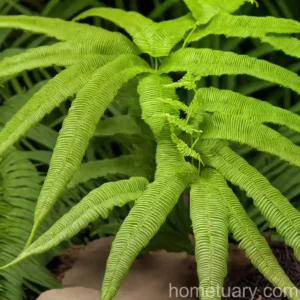
Dryopteris affinis (Golden Male Fern): A Complete Guide

Dryopteris affinis, commonly known as Golden Male Fern, is a popular choice among plant enthusiasts for its stunning fronds and ease of care. This elegant fern is native to Europe and some parts of North America, where it thrives in moist, shaded environments. In this comprehensive guide, we will explore the various facets of Dryopteris affinis, including its growth conditions, care tips, propagation techniques, common pests and diseases, and much more.
What is Dryopteris affinis?
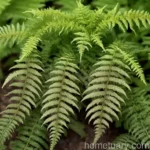
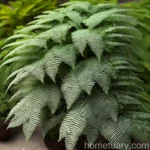
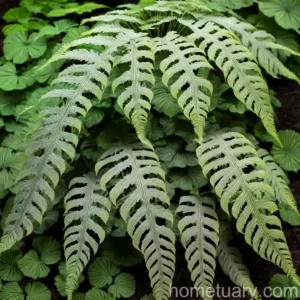
Dryopteris affinis belongs to the Dryopteridaceae family and is characterized by its attractive, lance-shaped fronds and vibrant green foliage. The plant typically reaches a height of 60 to 90 centimeters, making it an excellent choice for both indoor and outdoor settings. The name “Golden Male Fern” is derived from the coloration of its young fronds, which emerge in a striking golden hue before maturing into a luscious green shade.
Key Takeaways – Dryopteris affinis (Golden Male Fern)
- Scientific Name: Dryopteris affinis
- Common Name: Golden Male Fern
- Family: Dryopteridaceae
- Native Habitat: Europe, North America
- Growth Cycle: Perennial
- Foliage: Evergreen
Culture
Dryopteris affinis is revered for its adaptability and resilience, making it a sought-after addition to gardens, landscapes, and indoor spaces. To ensure a thriving environment for this fern, it is vital to consider its cultural needs, which include proper watering, adequate sunlight, suitable soil conditions, and occasional fertilization.
Uses
The versatility of Dryopteris affinis extends beyond ornamental purposes, as it serves several other practical and aesthetic functions, such as:
- Ornamental Planting: With its striking foliage and graceful demeanor, Golden Male Fern is often used as an ornamental accent in gardens, woodland settings, and shaded borders.
- Landscaping: Its lush greenery and adaptability to shade make it a popular choice for landscaping, especially in areas with limited sunlight.
- Indoor Décor: Dryopteris affinis thrives in indoor environments, making it an ideal decorative addition to homes, offices, and public spaces.
- Air Purification: Like many other ferns, Golden Male Fern contributes to indoor air quality by purifying and humidifying the surrounding air.
Water
Proper watering is crucial for maintaining the health and vitality of Dryopteris affinis. As a fern that naturally thrives in moist environments, it is essential to ensure consistent soil moisture without waterlogging. Here are some key considerations for watering your Golden Male Fern:
- Regular Monitoring: Check the moisture level of the soil regularly, especially during dry or warm periods. Avoid letting the soil dry out completely.
- Hydration Frequency: Water the plant when the top layer of the soil feels slightly dry to the touch. Aim for a consistent level of moisture without overwatering.
- Water Quality: Use filtered or room-temperature water to avoid subjecting the plant to extreme temperature or mineral imbalances.
Sunlight
Dryopteris affinis exhibits a preference for shaded or partially shaded environments, mimicking its natural habitat in the understory of woodlands. While it can tolerate some degree of sunlight, prolonged exposure to direct sunlight can be detrimental to its well-being. Here’s how to manage sunlight exposure for your Golden Male Fern:
- Ideal Conditions: Provide dappled or filtered sunlight, such as that found under the canopy of trees or beside tall structures.
- Indoor Placement: If growing indoors, position the fern near north-facing windows or other areas where it can receive indirect light.
- Protect from Harsh Sun: Shield the plant from intense midday or afternoon sun, especially during the summer months, to prevent leaf scorch.
Fertilizer
Applying a balanced fertilizer can promote healthy growth and vibrant foliage in Dryopteris affinis. While the fern does not have excessive fertilizer requirements, periodic feeding can replenish soil nutrients and support its overall vigor. Consider the following guidelines for fertilizing your Golden Male Fern:
- Feeding Schedule: Apply a diluted, balanced liquid fertilizer every one to two months during the growing season, typically from spring to early autumn.
- Moderation is Key: Avoid over-fertilization, as excessive nutrients can lead to salt buildup in the soil and cause harm to the plant.
- Nutrient Composition: Opt for a fertilizer with a balanced NPK ratio (nitrogen, phosphorus, potassium) to support healthy foliage and root development.
Soil
The choice of soil plays a significant role in the well-being of Dryopteris affinis, as it directly influences moisture retention, aeration, and nutrient availability. As native to woodland settings, the Golden Male Fern thrives in rich, well-draining soil with a slightly acidic to neutral pH. Consider the following soil-related factors when cultivating this fern:
- Moisture Retention: Use a well-draining soil mix that retains moisture without becoming waterlogged, such as a blend of peat moss, compost, and perlite.
- Soil pH: Aim for a pH level between 5.5 and 7.0, leaning towards the slightly acidic side. Conduct a soil test if necessary and amend the pH as needed.
- Organic Matter: Incorporate organic matter, such as leaf mold or well-rotted compost, to enhance soil structure and fertility.
Pruning
Pruning is a valuable aspect of maintaining the appearance and health of Dryopteris affinis. Regular pruning helps eliminate old or damaged fronds, promotes new growth, and prevents overcrowding. Follow these pruning tips to keep your Golden Male Fern in optimal condition:
- Seasonal Pruning: Perform pruning in late winter or early spring before new growth emerges. This timing allows the plant to allocate energy towards producing fresh fronds.
- Trimming Technique: Use clean, sharp scissors or pruning shears to remove dead or yellowing fronds at the base of the plant. Trim damaged or discolored sections to maintain a neat appearance.
- Sanitation Practices: Disinfect pruning tools with a solution of 70% alcohol or a mixture of water and bleach to prevent the spread of diseases between plants.
Propagation
Propagating Dryopteris affinis enables enthusiasts to expand their fern collection and share the beauty of this plant with others. While it can be propagated through spores, divisions, or rhizome cuttings, division is the most common and reliable method for home gardeners. Here’s how to propagate Golden Male Fern through division:
- Division Process: Choose a mature, healthy fern and carefully lift it from the soil. Gently separate the root ball into smaller sections, ensuring each division has viable roots and several fronds.
- Container Placement: Plant the divisions in individual pots with well-draining, moist soil. Provide adequate humidity by misting the foliage and covering the containers with clear plastic to create a mini-greenhouse effect.
- Establishment Care: Place the divisions in a shaded area with consistent moisture and warmth. Monitor their progress and gently acclimate them to normal conditions once new growth becomes visible.
Container Popularity
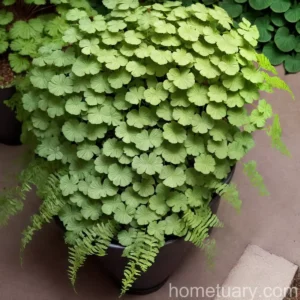
The adaptability of Dryopteris affinis makes it well-suited for container gardening, offering an attractive option for those with limited outdoor space or those looking to enhance interior landscapes. When selecting a container for Golden Male Fern, prioritize features that promote healthy growth and provide a suitable environment for the plant. Consider the following container-related considerations:
- Container Size: Choose a pot or container with ample space for the fern’s root system to spread. A diameter of 12 to 16 inches is generally sufficient for mature plants.
- Drainage Holes: Select containers with drainage holes to prevent waterlogging and promote soil aeration. Proper drainage is essential for ferns, as they are susceptible to root rot in waterlogged conditions.
- Aesthetics and Functionality: Balance aesthetic appeal with functionality when selecting containers for Golden Male Fern. Consider the material, design, and color that best complements your indoor or outdoor space while meeting the plant’s needs.
Common Diseases
While Dryopteris affinis is relatively resistant to diseases, certain environmental conditions and cultural practices can make it susceptible to specific issues. Understanding common diseases and their symptoms can help proactive gardeners prevent and manage potential concerns effectively.
Disease Diagnosis
- Leaf Spot: Leaf spot diseases, often caused by fungal pathogens, manifest as dark or discolored spots on the fronds. Keep foliage dry, improve air circulation, and consider fungicidal treatments if leaf spot becomes prevalent.
- Root Rot: Excessive moisture and waterlogging can lead to root rot, characterized by wilting, yellowing foliage, and decayed roots. Ensure proper drainage and adjust watering practices to prevent root rot.
Common Pests
While Dryopteris affinis is generally resistant to most pests, occasional infestations may occur, particularly when the plant is stressed or growing in unfavorable conditions. Recognizing common pests and implementing pest management strategies can help preserve the health of the fern.
Pest Control Methods
- Aphids: Aphids may occasionally feed on the foliage of Golden Male Fern, causing stunted growth and distorted leaves. Use insecticidal soap or neem oil to control aphid populations and minimize damage to the plant.
- Spider Mites: Spider mites thrive in dry, warm environments and can cause stippled, discolored foliage. Increase humidity, rinse the foliage regularly, and use horticultural oil to manage spider mite infestations.
Botanist’s Tips
Seasoned botanists and plant enthusiasts often share valuable insights and tips for cultivating and caring for specific plant species. Here are some expert tips for successfully growing and enjoying Dryopteris affinis:
- Humidity Maintenance: Ensure adequate humidity levels for Golden Male Fern, especially when grown indoors or in environments with low humidity. Regular misting or placing a humidifier nearby can help maintain optimal moisture levels.
- Consistent Monitoring: Regularly inspect the plant for any signs of stress, nutrient deficiencies, or pest infestations. Early intervention can prevent issues from escalating and support the overall health of the fern.
- Seasonal Adjustments: Adjust care practices, such as watering frequency and lighting, to accommodate seasonal changes and fluctuations in environmental conditions. Observing the plant’s response to seasonal variations can guide adjustments in care routines.
Fun Facts
Dryopteris affinis (Golden Male Fern) captivates enthusiasts with its beauty and unique attributes. Here are some intriguing and lesser-known facts about this remarkable plant:
- Ancient Origins: Ferns, including Dryopteris affinis, have a rich evolutionary history, dating back to hundreds of millions of years. They have thrived on Earth long before the emergence of flowering plants.
- Folklore Connections: Ferns, including Golden Male Fern, have been associated with various folk beliefs and traditions. In some cultures, they were regarded as symbols of protection and magic.
- Spore Reproduction: Ferns reproduce through spores, which are tiny, dust-like structures found on the underside of fronds. These spores germinate into heart-shaped, green structures known as gametophytes.
- Horticultural Versatility: Beyond their ornamental appeal, ferns like Dryopteris affinis contribute to horticultural practices as subjects for botanical illustration and scientific study.
Links to External Resources
For further information about Dryopteris affinis and related topics, explore the following external resources:
- Royal Horticultural Society – Ferns
- American Fern Society
- University of Florida IFAS Extension – Ferns for Indoor Use
In this comprehensive guide, we have delved into the captivating world of Dryopteris affinis (Golden Male Fern), shedding light on its remarkable characteristics, care needs, and cultural significance. Whether gracing garden landscapes or adding a touch of elegance to indoor spaces, this resilient fern continues to enchant plant enthusiasts with its timeless allure and practical benefits. With a solid understanding of its growth conditions, care tips, pest and disease management, and propagation techniques, cultivating and enjoying Dryopteris affinis becomes an enriching and rewarding endeavor.
Remember, patience, attentiveness, and a touch of botanical finesse are the keys to nurturing a flourishing Golden Male Fern and embracing the timeless beauty of this remarkable plant.
“`python
“`