Broad Buckler Fern (Dryopteris Dilatata ‘Lepidota Cristata’)
Ferns are a fascinating group of plants with diverse species and varieties, each possessing unique characteristics and requirements. Among them, the broad.
Introduction
Ferns are a fascinating group of plants with diverse species and varieties, each possessing unique characteristics and requirements. Among them, the broad buckler fern (Dryopteris dilatata ‘Lepidota Cristata’) stands out for its ornamental qualities and adaptability to various growing conditions. In this comprehensive guide, we will delve into the culture, uses, care, and maintenance of the broad buckler fern, providing valuable insights for both novice and experienced gardeners.
What is the Broad Buckler Fern (Dryopteris dilatata ‘Lepidota Cristata’)?
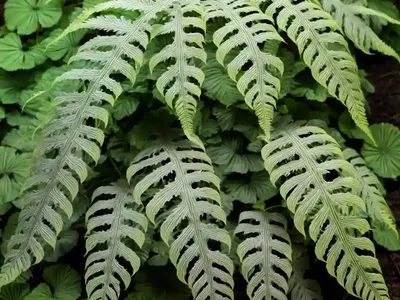
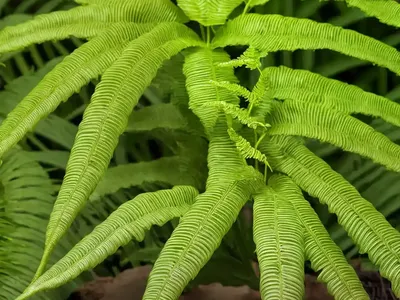
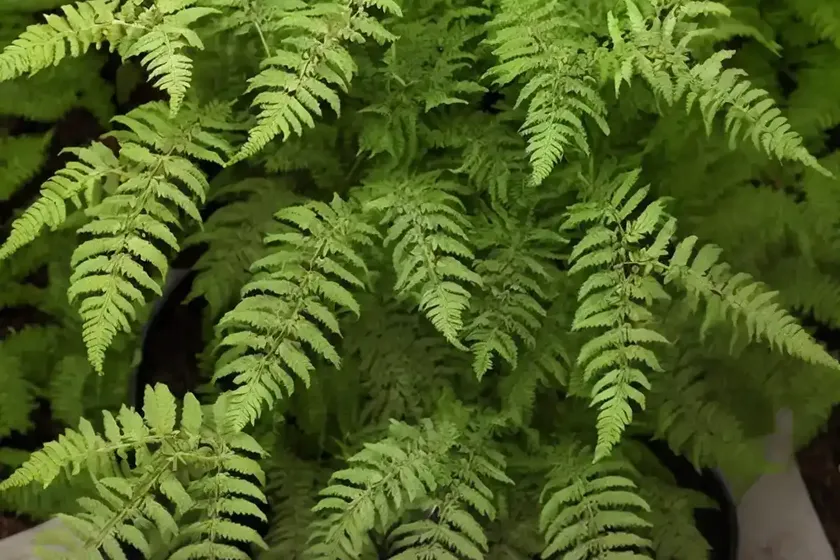
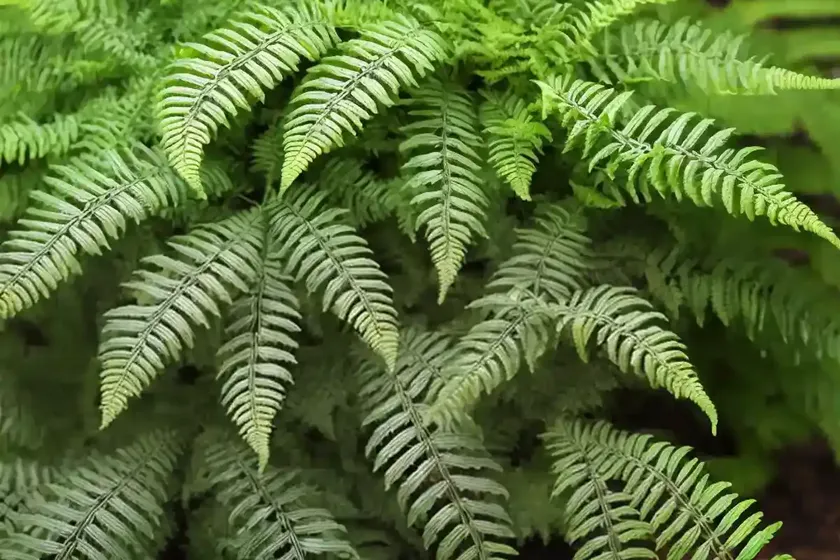
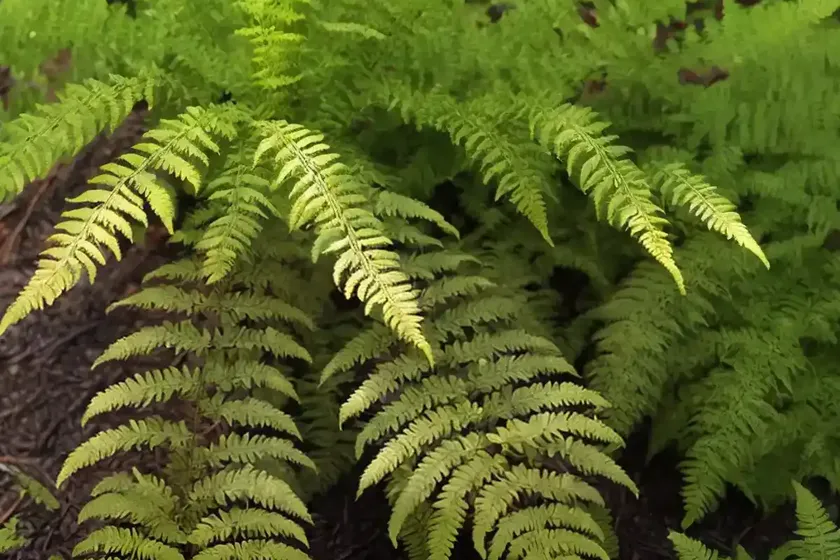
Dryopteris dilatata ‘Lepidota Cristata’ is a cultivar of the species Dryopteris dilatata, commonly known as the broad buckler fern. Belonging to the Dryopteridaceae family, this fern is native to Europe and Asia, where it thrives in various woodland habitats. The specific epithet ‘dilatata’ refers to the spreading nature of its fronds, while ‘Lepidota Cristata’ pertains to its crested and lacy appearance, making it a highly sought-after ornamental plant.
Key Takeaways
Here are some key takeaways to keep in mind when considering the broad buckler fern for your garden or indoor space:
- Broad buckler ferns are hardy and versatile, suitable for both indoor and outdoor cultivation.
- The ‘Lepidota Cristata’ variety is particularly prized for its finely divided, decorative fronds.
- These ferns are ideal for shaded or partially shaded areas, making them valuable for landscaping and woodland gardens.
- Proper culture, including suitable soil, watering, and maintenance, is crucial for the health and vigor of broad buckler ferns.
Culture
Uses
- Ornamental: The broad buckler fern, especially the ‘Lepidota Cristata’ variety, is highly valued for its decorative foliage, adding an elegant touch to gardens, landscapes, and indoor spaces.
- Landscaping: Due to its hardy nature and preference for shaded environments, broad buckler ferns are often used in landscaping to enhance the appeal of woodland gardens and shaded borders.
- Erosion Control: With their spreading nature and dense root systems, these ferns help stabilize soil and prevent erosion in woodland and wetland areas.
Water
Proper watering is essential for maintaining healthy broad buckler ferns, especially during their establishment and growth phases. Here are some guidelines for watering these ferns:
- Establishment: During the initial planting period, it’s crucial to keep the soil consistently moist to promote root establishment and growth.
- Mature Plants: Established broad buckler ferns should be watered regularly, ensuring that the soil remains evenly moist. However, they also tolerate short periods of dryness, making them adaptable to varying moisture levels.
Sunlight
Broad buckler ferns thrive in shaded or partially shaded environments, making them ideal for areas with limited direct sunlight. Here are some considerations for their sunlight requirements:
- Indoor Setting: When grown indoors, place broad buckler ferns in a location with bright, indirect light. Avoid direct sunlight, as it can scorch their delicate fronds.
- Outdoor Setting: In outdoor spaces, these ferns prefer locations with dappled or filtered shade. They can also tolerate morning sun or late afternoon sun if the soil remains consistently moist.
Fertilizer
Fertilization is beneficial for promoting the growth and vigor of broad buckler ferns. Consider the following guidelines for fertilizing these plants:
- Timing: Apply a balanced, water-soluble fertilizer once a month during the growing season, from spring to early fall.
- Strength: Use a diluted fertilizer solution to prevent the risk of over-fertilization, as ferns are sensitive to excessive nutrients. A general-purpose, balanced fertilizer with an N-P-K ratio of 10-10-10 or similar is suitable for broad buckler ferns.
- Application: Apply the fertilizer to the soil around the base of the fern, ensuring that it is thoroughly watered in to reach the root zone.
Soil
The right soil composition is crucial for the health and growth of broad buckler ferns. Consider the following soil requirements for these ferns:
- Well-Draining: Use a well-draining potting mix or amend the existing soil with organic matter to improve drainage and aeration.
- Acidic pH: Broad buckler ferns prefer slightly acidic to neutral soil, with a pH range of 5.5 to 7.0. Test the soil pH periodically and adjust it as needed to create an optimal growing environment.
- Moisture Retention: The soil should have good moisture retention capabilities without becoming waterlogged. Organic matter such as peat moss or compost can help improve moisture retention while maintaining adequate drainage.
Pruning
Proper pruning helps maintain the attractive appearance of broad buckler ferns and promotes healthy growth. Here are some key points to consider when pruning these ferns:
- Remove Dead Fronds: Regularly remove any dead or yellowing fronds to improve the overall appearance of the plant and encourage the growth of new, healthy fronds.
- Prune Sparingly: Avoid excessive or aggressive pruning, as broad buckler ferns naturally shed older fronds while producing new growth. Light grooming to remove unsightly or damaged fronds is generally sufficient.
Propagation
Broad buckler ferns can be propagated through division, spores, or by transplanting young offsets. Here are some methods for propagating these ferns:
- Division: Divide mature ferns by carefully separating the rhizomes and root masses into smaller sections, each with their own growth points. Replant the divisions in suitable growing conditions to establish new plants.
- Spore Propagation: Propagate broad buckler ferns from spores collected from mature fronds, following the specific requirements for spore germination and cultivation.
Container Popularity
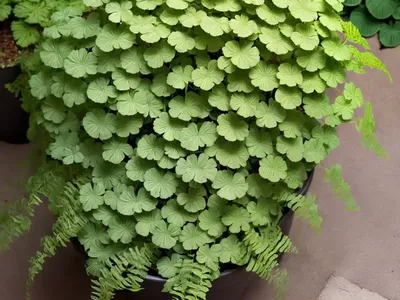
Broad buckler ferns are popular choices for container gardening, especially in indoor settings. Their decorative foliage, adaptability to low light conditions, and moderate water requirements make them well-suited for various types of containers, including pots, hanging baskets, and vertical gardens.
Container Common Diseases
When grown in containers, broad buckler ferns may be susceptible to certain diseases and issues. Common container diseases affecting these ferns include:
- Root Rot: Overwatering and poor drainage can lead to root rot in container-grown ferns. Ensure that the containers have drainage holes and avoid waterlogging the soil.
- Leaf Spots: Fungal infections and bacterial pathogens can cause unsightly leaf spots on the fronds. Maintain good air circulation and avoid overhead watering to minimize the risk of leaf spot diseases.
Disease Diagnosis
Diagnosing diseases in broad buckler ferns involves careful observation of the plant’s symptoms and conducting necessary tests. Common signs of disease in these ferns include wilting, yellowing or browning of fronds, abnormal growth, and overall decline in vigor. Conducting a thorough examination of the plant and its growing conditions can help determine the cause of the disease.
Common Pests
Broad buckler ferns may face potential pest issues, particularly when grown in indoor or protected outdoor environments. Common pests that may affect these ferns include:
- Spider Mites: These tiny pests can infest the undersides of fern fronds, causing stippling and discoloration. Regularly inspect the foliage and use natural or chemical control methods if an infestation is detected.
- Scale Insects: Scales can attach themselves to the fronds and stems of ferns, feeding on plant sap and potentially causing wilting and yellowing. Physical removal or the use of horticultural oils can help manage scale infestations.
Botanist’s Tips
As a plant scientist, I can offer some valuable tips for successfully growing and caring for broad buckler ferns:
- Monitoring Moisture: Pay close attention to the moisture level in the soil, ensuring that it remains consistently moist without becoming waterlogged. Proper irrigation is crucial for the health and vitality of these ferns.
- Humidity Considerations: Indoor environments may have lower humidity levels, requiring additional measures such as misting or using a humidifier to create a suitable microclimate for the ferns.
- Container Selection: When growing broad buckler ferns in containers, choose pots with adequate drainage and a size that accommodates the growth of the plant’s root system.
Fun Facts
- The name “buckler fern” is derived from the shape of the plant’s fronds, which are reminiscent of small shields or bucklers.
- Some ferns, including the broad buckler fern, have been used in traditional medicine for their potential medicinal properties, although caution should be exercised when considering such uses.
Links to External Resources
For further information and resources on broad buckler ferns, fern gardening, and related topics, consider exploring the following links:
- American Fern Society
- Royal Horticultural Society – Ferns
- University of Illinois Extension – Ferns for the Home and Garden
In conclusion, the broad buckler fern (Dryopteris dilatata ‘Lepidota Cristata’) offers both aesthetic appeal and practical benefits as a versatile fern variety. Whether grown indoors or in outdoor landscapes, these ferns bring elegance and natural beauty to their surroundings. By understanding their cultural requirements, maintenance needs, and potential uses, gardeners and plant enthusiasts can appreciate and cultivate these remarkable ferns with confidence and success.