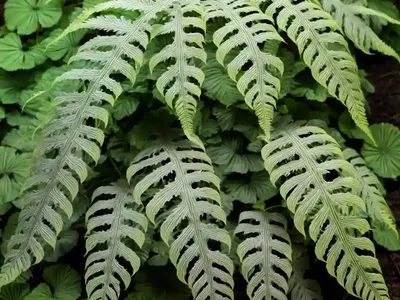
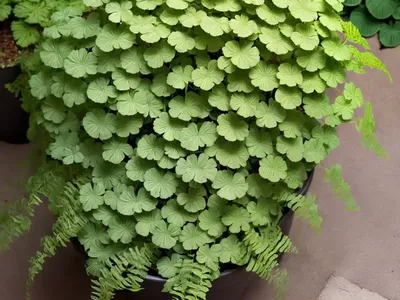
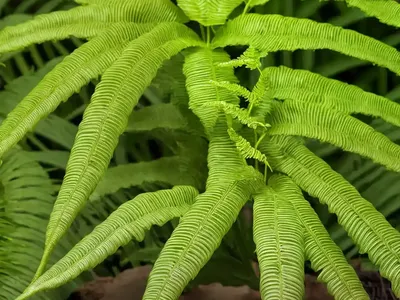
Dryopteris Cycadina (Shaggy Wood Fern)
As a plant scientist, I have spent countless hours studying and admiring the diverse and intriguing world of botanical life. Among the multitude of plant.
Introduction
As a plant scientist, I have spent countless hours studying and admiring the diverse and intriguing world of botanical life. Among the multitude of plant species, Dryopteris cycadina, commonly known as the Shaggy Wood Fern, has captured my attention for its unique characteristics, practical uses, and undeniable aesthetic appeal. In this comprehensive guide, we will delve into the fascinating realm of Dryopteris cycadina, exploring its cultural significance, growth requirements, maintenance, and the multitude of ways it can enrich our lives.
What is Dryopteris cycadina (Shaggy Wood Fern)?
Dryopteris cycadina is a perennial plant belonging to the Dryopteridaceae family, which is commonly known as the wood fern family. This species of fern is native to regions of East Asia and has also gained popularity as an ornamental plant in many other parts of the world due to its striking appearance and relatively low maintenance requirements.
Key Taxonomy Information:
– Family: Dryopteridaceae
– Genus: Dryopteris
– Species: cycadina
– Common Name: Shaggy Wood Fern
Key Takeaways – Dryopteris cycadina (Shaggy Wood Fern)
Culture
Dryopteris cycadina is deeply entwined in various cultures due to its rich history and aesthetic appeal. It has become a symbol of beauty and resilience in many societies and is widely cultivated for its ornamental value.
- Historical and Cultural Significance: The Shaggy Wood Fern has been an integral part of various cultures and societies for centuries, often symbolizing resilience, endurance, and adaptability. In some cultures, it holds mythical and spiritual significance, portraying harmony with nature and the cycle of life.
Uses
The uses of Dryopteris cycadina extend beyond its visual appeal. This versatile plant has been utilized for both practical and decorative purposes, making it an invaluable addition to any garden or landscape.
- Ornamental Use: The Shaggy Wood Fern is widely grown as an ornamental plant in gardens, parks, and landscapes due to its elegant fronds and attractive foliage. Its graceful appearance and lush greenery make it a sought-after addition to any botanical ensemble.
Water
Effective watering is crucial to the health and vitality of Dryopteris cycadina. Understanding its water requirements and implementing proper watering practices is essential in ensuring its optimal growth and development.
- Watering Tips: Dryopteris cycadina thrives in well-drained soil, requiring regular watering to maintain consistent moisture levels. However, it is important to avoid waterlogging, as excessively wet conditions can lead to root rot and other detrimental effects.
Sunlight
As with all plants, sunlight plays a pivotal role in the growth and well-being of Dryopteris cycadina. Understanding its sunlight requirements and providing the appropriate light conditions is essential for its overall health.
- Sunlight Needs: Shaggy Wood Ferns thrive in partial to full shade, making them an ideal choice for shaded areas in gardens and landscapes. While they can tolerate some sunlight, they prefer indirect light and are well-suited for shaded environments.
Fertilizer
Proper fertilization is essential for the robust growth and vitality of Dryopteris cycadina. Understanding its fertilizer needs and implementing a suitable fertilization schedule is integral to its overall health and appearance.
- Fertilization Schedule: Shaggy Wood Ferns benefit from a balanced, slow-release fertilizer applied in spring, as this supports healthy frond development and overall growth. It is important to follow recommended dosage guidelines and avoid over-fertilization, which can have adverse effects on the plant.
Soil
The soil composition greatly influences the growth and well-being of Dryopteris cycadina. Understanding its soil requirements and providing optimal soil conditions is essential for its overall health and vitality.
- Soil Requirements: These ferns thrive in well-drained, humus-rich soil with slightly acidic to neutral pH levels. Incorporating organic matter into the soil promotes optimal growth and ensures favorable growing conditions for the Shaggy Wood Fern.
Pruning
Pruning is an essential aspect of maintaining the appearance and health of Dryopteris cycadina. Understanding the proper pruning techniques and implementing regular pruning practices is vital for ensuring the plant’s vigor and aesthetic appeal.
- Pruning Tips: Regular removal of old or damaged fronds helps to promote new growth and maintain the plant’s overall appearance. Trim the fronds close to the base, taking care not to damage the emerging fiddleheads or new growth.
Propagation
The propagation of Dryopteris cycadina allows for the expansion of its presence and the creation of new plantings. Understanding effective propagation methods is essential for perpetuating the species and creating new plantings.
- Propagation Methods: Shaggy Wood Ferns can be propagated through division, spores, or rhizomes. Each method offers unique advantages and can be employed based on the specific requirements and preferences of the grower.
Container Popularity
Dryopteris cycadina’s adaptability and aesthetic qualities make it a popular choice for container gardening. Its graceful fronds and relatively low maintenance requirements make it an excellent addition to container displays and indoor settings.
- Container Gardening: Shaggy Wood Ferns thrive in containers with well-drained soil, and their lush foliage adds elegance and vibrancy to indoor and outdoor spaces. They can be used to create captivating displays and bring a touch of nature to any setting.
Common Diseases
Like all plants, Dryopteris cycadina is susceptible to certain diseases and infections. Identifying common diseases and implementing appropriate preventive measures is crucial in ensuring the plant’s long-term health.
- Common Diseases: Shaggy Wood Ferns may be prone to fungal infections, such as leaf spot and rust, as well as issues related to waterlogged soil. Proper sanitation, appropriate watering practices, and good air circulation can help mitigate disease risks.
Disease Diagnosis
The ability to accurately diagnose and address diseases is essential for maintaining the health and vigor of Dryopteris cycadina. Understanding the symptoms and characteristics of common diseases is integral to effective disease management.
- Diagnosis Techniques: Careful observation of the plant’s foliage, including changes in color, texture, and the presence of any lesions or spots, can aid in the diagnosis of potential diseases. Prompt action and targeted treatments can help alleviate disease-related stress on the plant.
Common Pests
Pest infestations can pose a threat to the well-being of Dryopteris cycadina. Recognizing common pests and implementing appropriate pest management strategies are crucial for safeguarding the plant from potential damage.
- Common Pests: Shaggy Wood Ferns may be susceptible to attacks from pests such as slugs, snails, and aphids. Regular inspections, natural predators, and cultural controls can help mitigate pest pressures and preserve the plant’s health.
Botanist’s Tips
Guided by the insights of experienced botanists, the following tips offer valuable guidance for cultivating and caring for Dryopteris cycadina, ensuring its optimal growth and continued vitality.
- Botanist’s Wisdom: Providing adequate moisture, suitable shade, and well-drained soil is essential for the successful cultivation of Shaggy Wood Ferns. Additionally, maintaining good air circulation and addressing pest and disease concerns in a timely manner contributes to the plant’s overall well-being.
Fun Facts
Discover the captivating world of Dryopteris cycadina through a collection of fascinating and lesser-known facts, shedding light on the remarkable qualities and attributes of this charismatic fern.
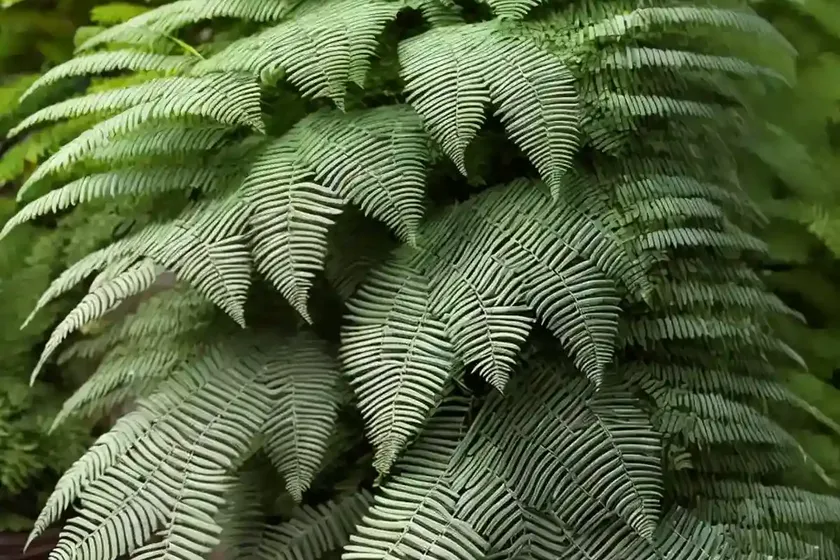
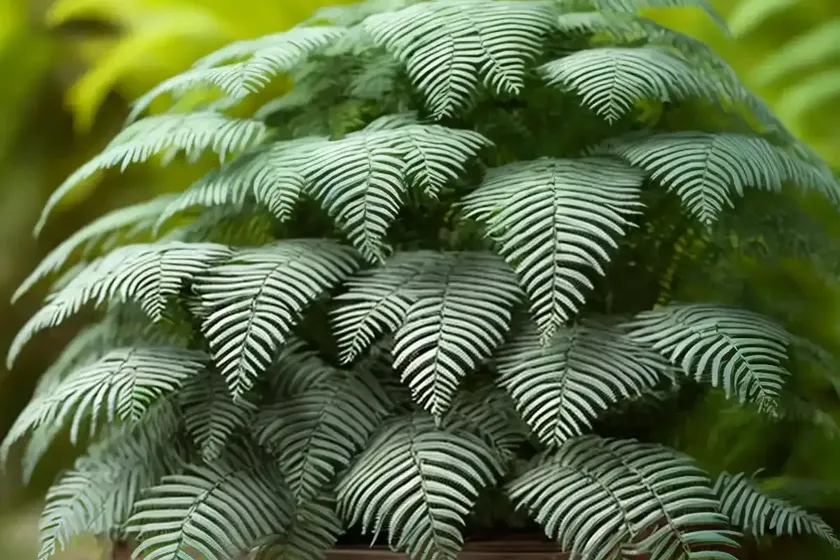
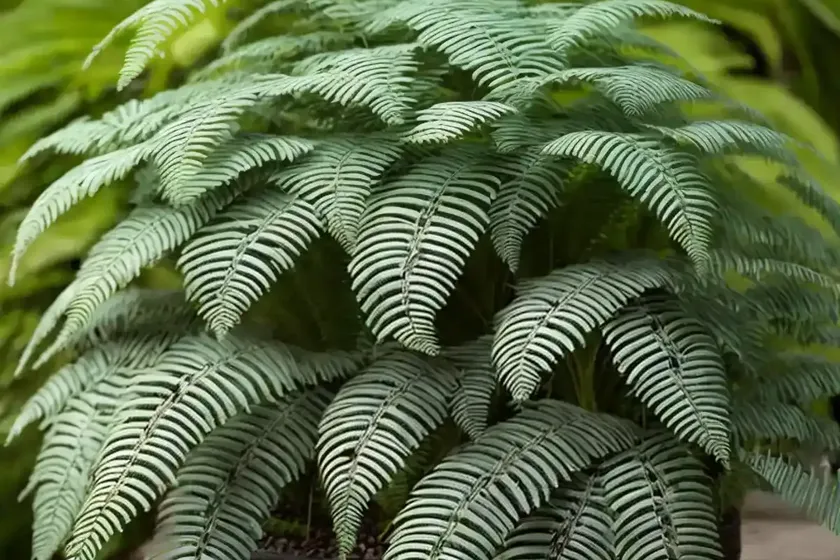
- Fascinating Insights: Did you know that the intricate patterns found on the fronds of Dryopteris cycadina are often likened to delicate lace, adding to their visual allure? Additionally, the plant’s ability to thrive in shaded environments makes it a versatile choice for landscaping and garden design.
Links to External Resources
For further exploration of Dryopteris cycadina and related topics, the following external resources provide valuable insights, research, and practical guidance:
- The American Fern Society
- Royal Horticultural Society – Ferns
- The Ferns of Kentucky
- Missouri Botanical Garden – Plant Finder
Conclusion
In conclusion, the captivating allure and practical utility of Dryopteris cycadina (Shaggy Wood Fern) make it a cherished addition to botanical landscapes and indoor displays. Its resilience, aesthetic qualities, and cultural significance contribute to its enduring appeal and practical value. By understanding its growth requirements, maintenance needs, and rich cultural history, we gain a deeper appreciation for the remarkable contributions of this versatile fern. Through the careful cultivation and appreciation of Dryopteris cycadina, we honor its legacy and enhance the natural beauty of our surroundings.