Dragon Tree (Dracaena Marginata)
The Dracaena Marginata, commonly known as the Dragon Tree, is a popular ornamental plant that belongs to the family Asparagaceae. This striking plant is.
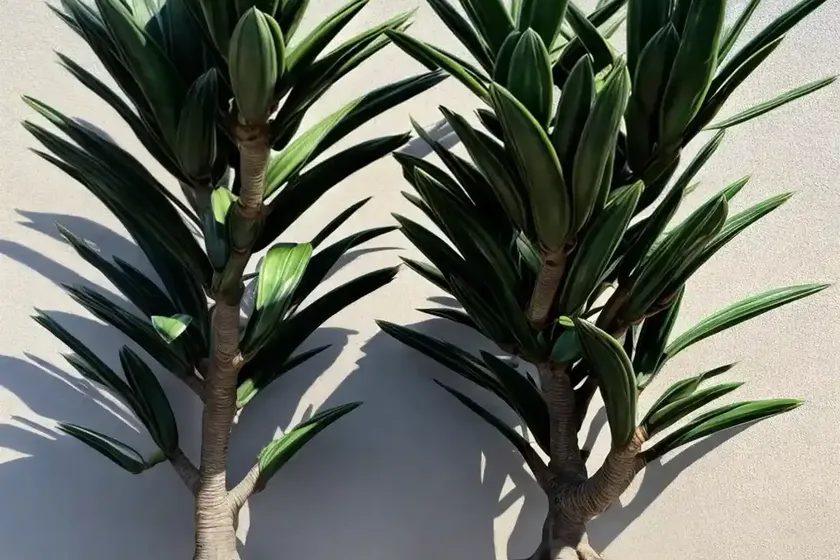

Introduction to the Dragon Tree
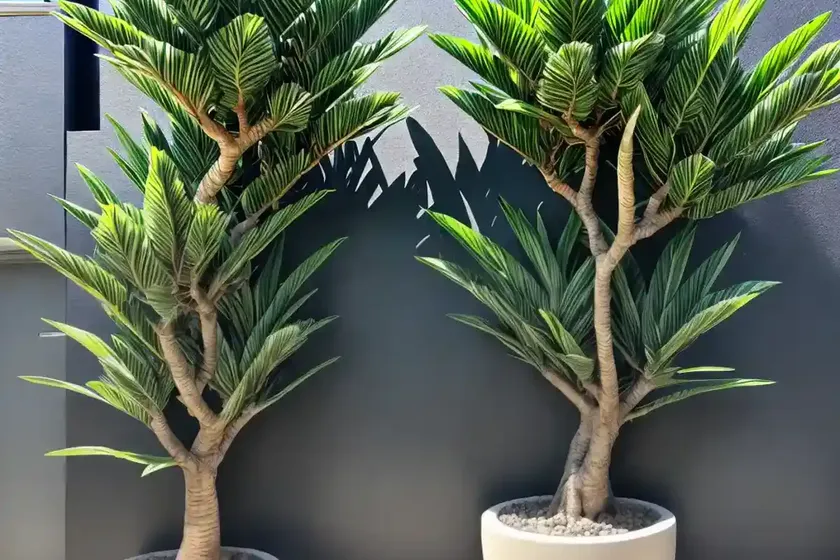
The Dracaena Marginata, commonly known as the Dragon Tree, is a popular ornamental plant that belongs to the family Asparagaceae. This striking plant is native to Madagascar and Mauritius, and it has gained immense popularity as a houseplant due to its low maintenance requirements and air-purifying qualities. The name “Dragon Tree” originates from the red resin that exudes from the stems of the plant, which was believed to be dragon’s blood in ancient times.
In this comprehensive guide, we will delve into the various aspects of caring for the Dragon Tree, including its cultural requirements, uses, maintenance, and common pests and diseases. Whether you’re a seasoned plant enthusiast or a beginner looking to add a touch of tropical elegance to your indoor or outdoor spaces, this guide will provide you with the essential knowledge to ensure the thriving health of your Dracaena Marginata.
Key Takeaways – Dragon Tree (Dracaena Marginata)
Before we delve into the specifics of caring for the Dragon Tree, let’s outline some key takeaways to pique your interest and provide a brief overview of the plant’s characteristics and care requirements. Here are the essential points to remember about the Dracaena Marginata:
- Common Name: Dragon Tree
- Scientific Name: Dracaena Marginata
- Origin: Madagascar and Mauritius
- Cultural Uses: Ornamental, Air Purification
- Water: Moderate, Allow Soil to Partially Dry Between Watering
- Sunlight: Moderate to High Indirect Light
- Fertilizer: Balanced Liquid Fertilizer Every 2-4 Weeks
- Soil: Well-Draining, Aerated Potting Mix
- Pruning: Regular Removal of Dead or Yellowing Leaves
- Propagation: Stem Cuttings in Spring or Early Summer
- Container: Well-Draining Pots with Sufficient Drainage Holes
- Popularity: Widely Popular as Indoor Houseplant
- Common Diseases: Leaf Spot, Tip Burn, Root Rot
- Common Pests: Spider Mites, Mealybugs
- Botanist’s Tips: Avoid Overwatering, Provide Adequate Air Circulation
- Fun Facts: Named for Resemblance to Dragon Scales, Believed to Bring Good Luck
Now, let’s dive into the detailed care guide for the Dragon Tree to understand each of these aspects comprehensively.
Culture
The cultural requirements of the Dragon Tree are pivotal to its overall health and vitality. Understanding the plant’s preferences for water, sunlight, fertilizer, soil, and pruning will enable you to create an environment where it can flourish.
Uses
The Dracaena Marginata serves various cultural and decorative purposes, making it a versatile addition to any indoor or outdoor setting.
Indoor Uses
-
Ornamental Display: The striking foliage and architectural structure of the Dragon Tree make it a popular choice for indoor decor, adding a touch of tropical elegance to living spaces, offices, and lobbies.
-
Air Purification: The plant is renowned for its air-purifying properties, effectively removing common indoor pollutants such as formaldehyde, xylene, and toluene.
Outdoor Uses
-
Landscaping: In suitable climates, the Dragon Tree is used in outdoor landscaping to create focal points or as part of tropical-themed gardens.
-
Patio and Balcony Decor: Due to its tolerance for moderate sunlight, the plant thrives on patios and balconies, adding a tropical ambiance to outdoor living spaces.
Water
Establishing a proper watering routine is crucial for the health of the Dragon Tree. Overwatering can lead to root rot, while underwatering may cause the plant to wilt and experience stunted growth.
-
Optimal Watering Schedule: Allow the top 1-2 inches of the soil to dry out between waterings. Water the plant thoroughly when the soil feels dry, and ensure that excess water can freely drain from the pot to prevent waterlogged conditions.
-
Water Quality: Use room temperature water, and avoid water that is high in salts or fluoride, which can cause leaf tip burn.
Sunlight
Proper light conditions are essential for the Dragon Tree to thrive and maintain its vibrant foliage.
-
Light Requirements: The plant thrives in moderate to bright indirect light. Position it near a north or east-facing window indoors to provide the ideal light conditions.
-
Avoid Direct Sunlight: While the plant can tolerate some direct sunlight, prolonged exposure to intense rays can lead to leaf scorching. Indirect light or filtered sunlight is preferred.
Fertilizer
Regular fertilization is key to promoting steady growth and maintaining the Dragon Tree’s vibrancy.
-
Fertilizing Schedule: Use a balanced liquid fertilizer diluted to half strength, and apply it every 2-4 weeks during the growing season (spring and summer). Refrain from fertilizing during the plant’s dormant period in fall and winter.
-
Fertilizer Type: Opt for a well-balanced, all-purpose liquid fertilizer specifically formulated for houseplants.
Soil
Well-draining and aerated soil is essential for preventing waterlogged conditions, which can be detrimental to the Dragon Tree.
-
Ideal Soil Type: Use a well-draining potting mix that is rich in organic matter. A combination of peat moss, perlite, and coarse sand provides the necessary aeration and drainage for the plant’s roots.
-
Soil pH: The ideal soil pH for the Dragon Tree ranges from slightly acidic to neutral (pH 6.0-7.0).
Pruning
Regular pruning not only enhances the aesthetic appeal of the Dragon Tree but also promotes air circulation and the plant’s overall health.
-
Pruning Guide: Remove any yellowing, withered, or dead leaves as soon as they appear. Use clean, sharp scissors or pruning shears to make clean cuts and prevent unnecessary damage to the stems.
-
Stem Pruning: If the plant becomes leggy or overgrown, consider pruning the top growth to encourage branching and a more compact growth habit.
Propagation
Propagating the Dragon Tree allows you to expand your plant collection or share the beauty of this plant with others.
-
Propagation Methods: Stem cuttings are the most effective method for propagating the Dracaena Marginata. Select a healthy stem cutting with at least two nodes, and place it in a container with water to encourage root development. Once the roots have formed, transplant the cutting into a well-draining potting mix.
-
Propagating Timeframe: Spring and early summer are the optimal times for propagation, as the plant is actively growing during this period.
Container
Choosing the right container and ensuring proper drainage is crucial for the plant’s health and growth.
-
Container Type: Select a well-draining pot with sufficient drainage holes to prevent water from collecting at the bottom. Terra cotta or ceramic pots are ideal choices, as they allow for air circulation and moisture evaporation.
-
Container Size: Choose a container that provides ample room for the plant’s roots to grow. Transplant the Dracaena Marginata to a slightly larger pot every 2-3 years to accommodate its growth.
Popularity
The Dragon Tree’s popularity as an indoor houseplant is attributed to its striking appearance, air-purifying qualities, and low maintenance requirements.
-
Widespread Appeal: Due to its adaptability to indoor environments and relatively low light conditions, the plant has gained widespread popularity among plant enthusiasts and interior decorators.
-
Interior Decor: It is often featured in home decor magazines and interior design blogs for its ability to add an exotic and tropical touch to living spaces.
Common Diseases
While the Dragon Tree is relatively resilient, it is susceptible to certain diseases that can affect its overall vigor and appearance. Recognizing and addressing these diseases promptly is crucial for maintaining the plant’s health.
Disease Diagnosis
Understanding the symptoms of common diseases will enable prompt intervention and treatment.
Leaf Spot
-
Symptoms: Dark, water-soaked spots or lesions on the leaves, often accompanied by yellowing or browning of the affected areas.
-
Cause: Fungal infections, often exacerbated by overwatering or high humidity levels.
-
Treatment: Remove affected leaves, and ensure proper air circulation and reduced moisture to prevent further spread. Apply a fungicidal spray if the condition persists.
Tip Burn
-
Symptoms: Brown, dried leaf tips, often progressing inward from the margins of the leaves.
-
Cause: Buildup of salts from over-fertilization or water high in salts, leading to burning of the leaf tips.
-
Treatment: Flush the soil with distilled water to leach out excess salts, and adjust the fertilization regimen. Trim affected leaves if necessary.
Root Rot
-
Symptoms: Wilted, yellowing leaves, accompanied by soft, darkened roots and a foul odor from the soil.
-
Cause: Prolonged overwatering and waterlogged soil, leading to fungal infections in the roots.
-
Treatment: Trim affected roots, and repot the plant in fresh, well-draining soil. Adjust the watering schedule to prevent future instances of overwatering.
Common Pests
In addition to diseases, the Dragon Tree can attract certain pests that may affect its overall health and appearance.
Spider Mites
-
Symptoms: Fine webbing on the undersides of leaves, stippling or yellow speckling on the foliage, and weakened plant vigor.
-
Control: Regularly mist the foliage to create a less favorable environment for spider mites. Introduce predatory mites as a natural control method.
Mealybugs
-
Symptoms: White, cottony masses on the leaves and stems, accompanied by sticky honeydew secretion. Stunted growth and yellowing of foliage may also occur.
-
Control: Remove mealybugs manually with a cotton swab dipped in rubbing alcohol. Monitor the plant regularly for any signs of reinfestation.
Botanist’s Tips
As a plant scientist and enthusiast, here are some essential tips to ensure the successful care and maintenance of the Dragon Tree:
-
Avoid Overwatering: Allow the soil to partially dry out between waterings to prevent waterlogged conditions and root rot.
-
Provide Adequate Air Circulation: Good air circulation helps prevent fungal diseases and maintains the overall health of the plant. Position the plant in an area with gentle air movement.
-
Monitor Light Conditions: Ensure that the plant receives adequate but not direct sunlight to prevent leaf scorching and promote healthy growth.
By incorporating these tips into your care routine, you can promote the optimal growth and well-being of your Dracaena Marginata.
Fun Facts
Uncover some intriguing and little-known facts about the Dragon Tree that add to its allure and mystique:
-
Dragon Scale Resemblance: The plant’s leaves bear a striking resemblance to dragon scales, contributing to its captivating and mythical aura.
-
Belief in Good Luck: In some cultures, the Dragon Tree is believed to bring good luck and positive energy to the spaces it inhabits.
-
Mythological Significance: In ancient lore, the red resin exuded by the plant was believed to be the blood of dragons, adding to its mystical reputation.
-
Longevity: When provided with proper care, the Dragon Tree can live for several decades, becoming a cherished and enduring companion in the home.
Links to External Resources
For further exploration of the Dragon Tree and its care, refer to the following external resources:
- Royal Horticultural Society – Dracaena Marginata
- The Spruce – How to Grow and Care for Dracaena Marginata
- University of Florida IFAS Extension – Dracaena Marginata Plant Care
- Plant Care Today – Dragon Tree Care and Growing Tips
By utilizing these resources, you can expand your knowledge and further enhance your cultivation and care of the Dragon Tree.
The Dracaena Marginata, or Dragon Tree, embodies a captivating blend of beauty, resilience, and cultural significance, making it an enchanting addition to any indoor or outdoor setting. With its striking foliage, air-purifying qualities, and low maintenance requirements, this plant has become a beloved choice for plant enthusiasts and interior decorators alike.
By adopting the principles of proper Dragon Tree care, including watering, sunlight, pruning, and pest management, you can ensure the longevity and vitality of this remarkable plant. Whether you seek to create a tropical oasis in your living space or harness the plant’s air-purifying benefits, the Dragon Tree stands as a symbol of elegance, longevity, and natural allure in the world of botanical wonders.