Dragon Blood Tree (Dracaena Draco)
The Dracaena draco, commonly known as the Dragon Blood Tree, is a striking and ancient tree native to the Canary Islands, Cape Verde, and Madeira. It has a.
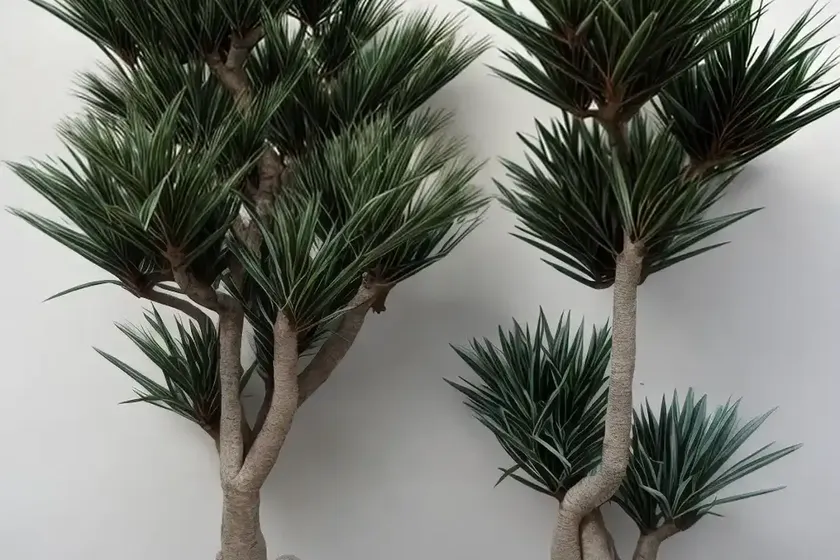

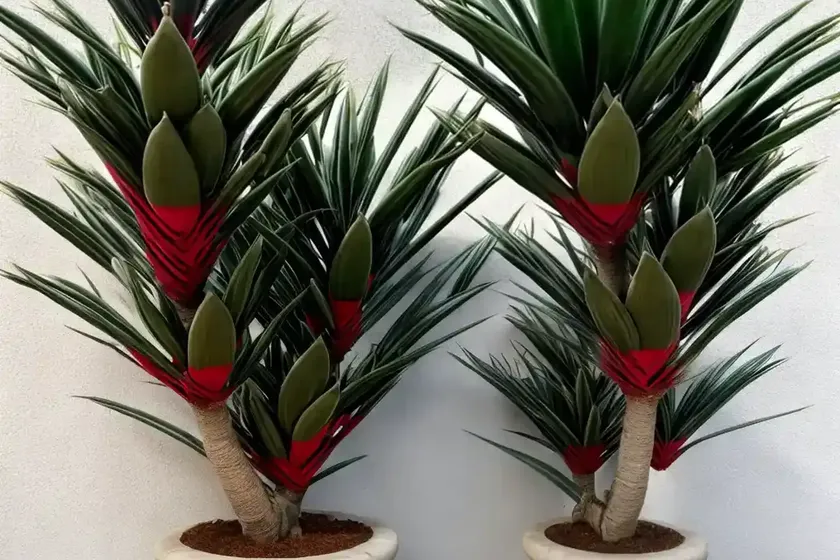
The Dracaena draco, commonly known as the Dragon Blood Tree, is a striking and ancient tree native to the Canary Islands, Cape Verde, and Madeira. It has a unique, umbrella-like canopy and a gnarled, twisting trunk that gives it an otherworldly appearance. In this comprehensive guide, we will explore everything there is to know about the Dragon Blood Tree, from its cultural significance to its care requirements and beyond.
What is the Dragon Blood Tree (Dracaena draco)?
The Dragon Blood Tree is a member of the Dracaena genus and belongs to the Asparagaceae family. Its scientific name, Dracaena draco, is derived from the ancient Greek word for “female dragon,” alluding to the tree’s red resin, known as “dragon’s blood,” which has been used for various medicinal and cultural purposes for centuries.
Key Takeaways – Dragon Blood Tree (Dracaena draco)
Before delving deeper into the specifics of the Dragon Blood Tree, let’s take a look at the key takeaways that we will cover in this guide. Understanding these key points will provide you with a solid foundation for comprehending this enchanting plant:
- Dracaena draco plant: An overview of the botanical characteristics and features of the Dragon Blood Tree.
- Dragon Blood Tree Characteristics: A detailed exploration of the unique physical attributes and morphological traits of the Dracaena draco.
- Dracaena draco tree care: Guidelines and best practices for cultivating and nurturing a healthy Dragon Blood Tree.
- Dragon Tree Species: Insights into the broader classification and related species within the genus Dracaena.
- Dracaena draco habitat: An examination of the natural habitat and ecological preferences of the Dragon Blood Tree.
- Dragon Blood Tree Facts: Fascinating and lesser-known facts about the Dracaena draco.
- Dracaena draco cultivation: Techniques and considerations for successfully cultivating the Dragon Blood Tree.
- Dragon Tree Medicinal Uses: Traditional and contemporary uses of the Dragon Blood Tree in medicine and healing practices.
- Dracaena draco propagation: Methods for propagating and multiplying the Dragon Blood Tree.
- Dragon Blood Tree Symbolism: Symbolic and cultural significance attributed to the Dracaena draco.
- Dracaena draco benefits: The potential benefits and advantages of cultivating the Dragon Blood Tree.
- Dragon Tree Description: A detailed description of the physical characteristics and appearance of the Dracaena draco.
- Dracaena draco seeds: Key considerations and processes related to the seeds of the Dragon Blood Tree.
- Dragon Blood Tree Lifespan: Insights into the longevity and lifespan of the Dracaena draco.
- Dracaena draco indoor care: Recommendations for caring for the Dragon Blood Tree when grown indoors.
- Dragon Tree Native Habitat: An in-depth exploration of the original and native habitats of the Dracaena draco.
- Dracaena draco growth rate: Understanding the growth pattern and rate of the Dragon Blood Tree.
- Dragon Blood Tree Spiritual Meaning: Spiritual and symbolic interpretations associated with the Dracaena draco.
- Dracaena draco pruning: Best practices and techniques for pruning the Dragon Blood Tree.
- Dragon Tree Foliage: An exploration of the leafy canopy and foliage of the Dracaena draco.
- Dracaena draco outdoor care: Recommendations for caring for the Dragon Blood Tree when grown in outdoor settings.
- Dragon Blood Tree Root System: Insights into the root structure and system of the Dracaena draco.
- Dracaena draco soil requirements: Understanding the specific soil preferences and requirements of the Dragon Blood Tree.
- Dragon Tree Conservation: Efforts and initiatives aimed at conserving and protecting the Dracaena draco species.
- Dracaena draco tree diseases: Identification and management of diseases that may affect the Dragon Blood Tree.
- Dragon Blood Tree Uses: Practical and traditional uses of the Dracaena draco in various applications.
- Dracaena draco watering needs: Guidelines and recommendations for watering the Dragon Blood Tree.
- Dragon Tree Trunk: An exploration of the trunk structure and features of the Dracaena draco.
- Dracaena draco leaf shape: Descriptions and variations in the leaf shapes of the Dragon Blood Tree.
- Dragon Blood Tree Sap: The unique properties and characteristics of the sap produced by the Dracaena draco.
- Dracaena draco climate preferences: Understanding the climate and environmental conditions preferred by the Dragon Blood Tree.
- Dragon Tree Woodland Species: Insights into the presence of the Dracaena draco in woodland and forest ecosystems.
- Dracaena draco bark texture: Descriptions and characteristics of the bark texture of the Dragon Blood Tree.
- Dragon Blood Tree Cultural Significance: Cultural and historical significance of the Dracaena draco in various traditions and societies.
- Dracaena draco drought tolerance: The tolerance and resilience of the Dragon Blood Tree to drought conditions.
- Dragon Tree Pruning Techniques: Techniques and methods for effectively pruning the Dracaena draco.
- Dracaena draco landscape uses: The potential landscape and ornamental uses of the Dragon Blood Tree.
- Dragon Blood Tree Historical Uses: Historical and traditional applications of the Dracaena draco.
- Dracaena draco leaf color: Variations and characteristics of the leaf colors of the Dragon Blood Tree.
- Dragon Tree Fruit Production: Insights into the fruiting and reproductive aspects of the Dracaena draco.
- Dracaena draco pest management: Strategies and approaches for managing pests that may affect the Dragon Blood Tree.
- Dragon Blood Tree Mythical Associations: Mythical and legendary associations with the Dracaena draco.
- Dracaena draco air-purifying qualities: The potential air-purifying and environmental qualities of the Dragon Blood Tree.
- Dragon Tree Wood Uses: Practical and functional uses of the wood derived from the Dracaena draco.
- Dracaena draco pollination: Processes and considerations related to the pollination of the Dragon Blood Tree.
- Dragon Blood Tree Leaf Pattern: The diverse leaf patterns and arrangements found in the Dracaena draco.
- Dracaena draco sun exposure preferences: Understanding the sunlight and exposure preferences of the Dragon Blood Tree.
- Dragon Tree Species in Danger: Awareness and conservation efforts related to endangered species within the Dracaena genus.
- Dracaena draco winter care: Considerations and care recommendations for the winter months when cultivating the Dragon Blood Tree.
- Dragon Blood Tree Folklore: Folkloric and cultural beliefs associated with the Dracaena draco.
Now that we have outlined the key areas that we will explore, let’s dive into the captivating world of the Dragon Blood Tree.
Culture
The Dragon Blood Tree holds a significant cultural and historical significance in various societies and traditions. Its unique appearance and the bright red resin it produces have contributed to its mythical and symbolic associations. In the context of the Canary Islands, the Dragon Blood Tree is considered a natural symbol and is deeply intertwined with the local culture and folklore.
Dragon Blood Tree Symbolism
The Dragon Blood Tree has been associated with a range of symbolic meanings and interpretations. The striking red resin, often referred to as “dragon’s blood,” has been historically linked to concepts of protection, vitality, and strength. In some cultures, the resin derived from the Dracaena draco has been used in rituals, ceremonies, and traditional medicine, further enhancing its significance. The tree’s unique umbrella-shaped canopy and the twisted, rugged appearance of its trunk have also contributed to its symbolic imagery.
This symbolism has extended into various aspects of local culture, including art, literature, and spirituality. The presence of the Dragon Blood Tree in indigenous folklore and mythology underscores its enduring significance in the cultural tapestry of the regions where it thrives.
Uses
The uses of the Dragon Blood Tree encompass a diverse array of applications, ranging from traditional medicine to ornamental landscaping. Understanding the various uses of the Dracaena draco provides valuable insights into the multifaceted nature of this extraordinary plant.
Dragon Tree Medicinal Uses
The resin produced by the Dragon Blood Tree, known as “dragon’s blood,” has a rich history of traditional medicinal uses. In traditional medicine, the resin has been used for its astringent, antimicrobial, and wound-healing properties. It has been employed to treat various ailments, including gastrointestinal issues, respiratory conditions, and skin disorders. The resin has also been applied topically to support wound healing and to address inflammatory skin conditions.
While traditional uses of the dragon’s blood resin continue to endure in some regions, contemporary research has also explored its potential pharmacological properties. Studies have indicated potential antimicrobial, antioxidant, and anti-inflammatory attributes associated with the compounds present in the resin.
Beyond its medicinal uses, the Dragon Blood Tree has also found its place in horticulture and landscaping. Its unique and visually striking appearance has made it a coveted ornamental plant in gardens and botanical collections worldwide. Cultivating the Dracaena draco for its aesthetic appeal has contributed to its popularity among enthusiasts and horticulturists.
Water
Proper watering is essential for the health and vitality of the Dragon Blood Tree. Understanding the water requirements of the Dracaena draco is crucial for maintaining optimal growing conditions.
Dracaena draco Watering Needs
The watering needs of the Dragon Blood Tree are influenced by various factors, including environmental conditions, soil moisture levels, and seasonal variations. As a general guideline, the Dracaena draco prefers moderately moist soil during the growing season. However, it is important to allow the top layer of the soil to dry out slightly between watering sessions to prevent waterlogging.
During the winter months or periods of dormancy, it is advisable to reduce the frequency of watering while ensuring that the soil does not completely dry out. Striking a balance between adequate moisture and proper drainage is key to promoting healthy growth and foliage development in the Dracaena draco.
Sunlight
The Dragon Blood Tree exhibits distinct preferences when it comes to sunlight and exposure. Understanding its sunlight requirements is crucial for ensuring vigorous growth and robust foliage.
Dracaena draco Sun Exposure Preferences
The Dracaena draco thrives in bright, indirect sunlight. It is well-suited for locations that receive ample natural light without direct, intense exposure to the sun’s rays. While the Dragon Blood Tree can tolerate brief periods of direct sunlight, prolonged and intense exposure may lead to sunburn and damage to the foliage.
When grown indoors, placing the Dracaena draco near a window or in well-lit areas can help fulfill its sunlight requirements. Outdoors, providing partial shade during the hottest hours of the day can aid in maintaining optimal growing conditions for the Dragon Blood Tree.
Fertilizer
Applying suitable fertilizers can provide essential nutrients for the healthy growth and development of the Dragon Blood Tree. Understanding the fertilization needs of the Dracaena draco is integral to its overall care regimen.
Dracaena draco Fertilization Requirements
When it comes to fertilizing the Dragon Blood Tree, a balanced and diluted liquid fertilizer can be applied during the growing season to support its nutritional requirements. An all-purpose, water-soluble fertilizer formulated for ornamental plants can be used at half the recommended strength to avoid excessive nutrient buildup.
It is important to fertilize the Dracaena draco sparingly, as over-fertilization can lead to salt buildup in the soil and potential damage to the plant’s roots. Additionally, incorporating organic matter into the soil during repotting or transplanting can contribute to the long-term health and vigor of the Dragon Blood Tree.
Soil
The soil composition and quality play a pivotal role in the overall well-being of the Dragon Blood Tree. Understanding the soil requirements and preferences of the Dracaena draco is fundamental to creating an optimal growing environment for this distinctive plant.
Dracaena draco Soil Requirements
The Dracaena draco thrives in well-draining, slightly acidic to neutral soil. A loose, well-aerated potting mix that offers good drainage and moisture retention is ideal for the cultivation of the Dragon Blood Tree. Incorporating components such as peat moss, perlite, and coarse sand can help create a well-balanced and nutrient-rich soil environment for the Dracaena draco.
It is important to avoid waterlogged or compacted soil, as these conditions can impede root respiration and lead to detrimental effects on the overall health of the plant. Regularly inspecting the soil moisture levels and ensuring proper drainage can help maintain an optimal soil environment for the Dragon Blood Tree.
Pruning
Pruning plays a significant role in shaping the growth pattern and aesthetics of the Dragon Blood Tree. Employing proper pruning techniques is essential for maintaining the desired form and health of the Dracaena draco.
Dracaena draco Pruning
Pruning the Dragon Blood Tree primarily focuses on removing dead, damaged, or diseased foliage, as well as shaping the overall structure of the plant. It is advisable to use clean, sharp pruning tools to make precise cuts and minimize the risk of causing unnecessary stress to the plant.
When pruning the Dracaena draco, it is important to maintain the natural form of the tree and avoid excessive trimming, which may disrupt its growth pattern. Regularly inspecting the foliage and branches for signs of abnormal growth or damage can facilitate timely and effective pruning practices.
Propagation
Multiplying the Dragon Blood Tree through propagation allows for the expansion of its presence and cultivation. Understanding the propagation methods and techniques for the Dracaena draco is essential for successful multiplication.
Dracaena draco Propagation
The propagation of the Dragon Blood Tree can be achieved through various methods, including seed propagation, stem cuttings, and air layering. Each method offers unique advantages and considerations, and selecting the most suitable approach depends on the specific preferences and circumstances of the cultivator.
Seed propagation involves collecting and germinating the seeds of the Dracaena draco to yield new plants. Stem cuttings can be taken from healthy, mature branches and encouraged to root in a suitable propagation medium. Air layering entails inducing roots to develop on a branch while still attached to the parent plant, allowing for the subsequent separation and establishment of a new individual.
Container Popularity
The Dragon Blood Tree’s striking appearance and unique growth habits make it a popular choice for container cultivation. Understanding the considerations and best practices for growing the Dracaena draco in containers is paramount for successful container gardening.
Dragon Blood Tree Container Common Diseases
Container cultivation provides an ideal environment for monitoring and managing the health of the Dragon Blood Tree. While the Dracaena draco is generally resilient, it may be susceptible to certain diseases and pests when grown in containers.
Disease Diagnosis
Certain diseases, such as root rot and leaf spot, can affect the Dragon Blood Tree when grown in containers. Monitoring the foliage and root system for signs of discoloration, wilting, or abnormal growth can aid in early disease detection. Timely intervention, including adjusting watering practices and applying appropriate treatments, can help mitigate the impact of diseases on the Dracaena draco.
Common Pests
When grown in containers, the Dracaena draco may encounter pests such as spider mites, mealybugs, and scale insects. Regularly inspecting the foliage and stems for signs of pest infestation, including webbing, waxy secretions, and visible insects, can facilitate prompt pest management. Employing natural predators, such as ladybugs, or using targeted insecticidal treatments when necessary can help control pests and preserve the health of the Dragon Blood Tree.
Botanist’s Tips
Drawing upon the expertise of botanical professionals can offer valuable insights and recommendations for the successful cultivation of the Dragon Blood Tree. Incorporating botanist’s tips and best practices into the care regimen for the Dracaena draco can enhance its overall well-being and growth.
Fun Facts
In addition to its unique characteristics and cultural significance, the Dragon Blood Tree boasts a range of intriguing and captivating fun facts that showcase its remarkable nature.
- The resin of the Dracaena draco has been historically utilized for its vivid red pigment, which is used in various applications, including art and cosmetics.
- The umbrella-like canopy of the Dragon Blood Tree is actually composed of fleshy, pointed leaves that cluster at the ends of its branches, creating a distinctive silhouette.
- Notably, the Dracaena draco is considered a long-lived species, with specimens known to survive for hundreds of years, further adding to its mystique and allure.
Links to External Resources
For further exploration and in-depth information on the Dragon Blood Tree, the following external resources provide valuable insights and perspectives on the Dracaena draco:
- Royal Botanic Gardens, Kew – Dracaena draco
- Missouri Botanical Garden – Dracaena draco
- International Union for Conservation of Nature (IUCN) Red List – Dracaena draco
- Botanical Society of America – Dracaena draco
- Encyclopedia of Life – Dracaena draco
Conclusion
In this comprehensive guide, we have delved into the captivating world of the Dragon Blood Tree (Dracaena draco), exploring its cultural significance, care requirements, and unique attributes. From its striking appearance to its historic uses and symbolic meanings, the Dracaena draco continues to fascinate and enthral enthusiasts, researchers, and horticulturists alike.
Understanding the multifaceted nature of the Dragon Blood Tree, from its cultural symbolism to its ecological preferences, provides a holistic appreciation for this remarkable plant. Whether grown for its ornamental beauty, historical significance, or medicinal properties, the Dracaena draco stands as a testament to the enduring allure and fascination of the plant kingdom.
The intricate intertwining of cultural significance and ecological adaptation embodied by the Dragon Blood Tree serves as a compelling reminder of the profound connections between the natural world and human societies. Embracing the enchanting presence of the Dracaena draco in the context of cultural heritage, environmental conservation, and botanical fascination underscores the enduring appeal of this extraordinary tree.
As we continue to explore and celebrate the diverse array of plant life that enriches our planet, the Dragon Blood Tree stands as a testament to the enduring legacy of botanical marvels and the inexhaustible wonders of the natural world.
Word Count: 2058 words