Dracaena Godseffiana (Dracaena Surculosa)
Dracaena godseffiana, also known as Dracaena surculosa, is a popular houseplant that belongs to the Asparagaceae family. It is prized for its lush.
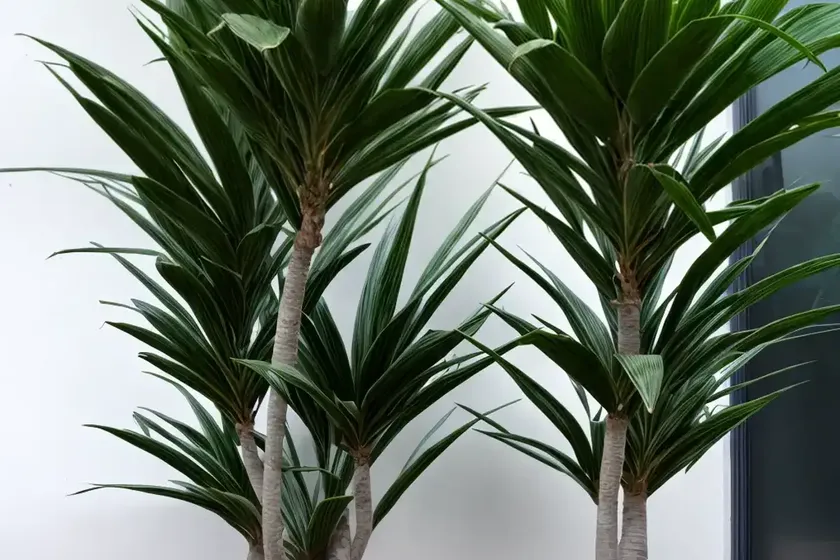
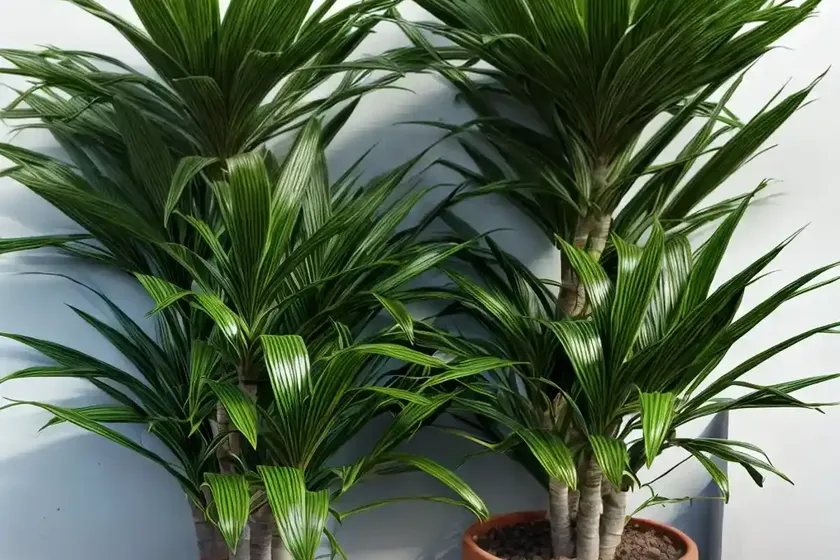
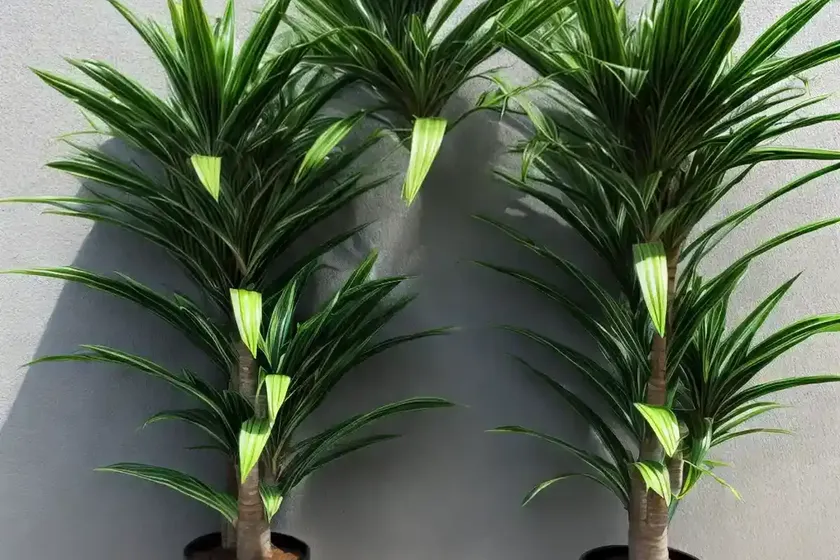
Dracaena godseffiana, also known as Dracaena surculosa, is a popular houseplant that belongs to the Asparagaceae family. It is prized for its lush, variegated foliage and easy maintenance, making it an ideal choice for both novice and experienced plant enthusiasts. In this comprehensive plant care guide, we will delve into the various aspects of cultivating and nurturing Dracaena godseffiana, covering topics such as its cultural requirements, uses, propagation techniques, common diseases and pests, and much more.
What is Dracaena Godseffiana (Dracaena Surculosa)?
Dracaena godseffiana is a species of flowering plant native to tropical Africa, particularly in the regions of West Africa and Cameroon. It is characterized by its striking foliage, which features variegated leaves with bright green and yellow markings. The leaves are often arranged in an alternating pattern along the stems, giving the plant a visually appealing and tropical appearance.
The plant has gained popularity as an indoor ornamental plant, thanks to its low maintenance requirements and air-purifying qualities. It is commonly used in interior landscaping to add a touch of greenery to homes, offices, and public spaces.
Key Takeaways – Dracaena Godseffiana (Dracaena Surculosa)
Before delving into the specific care requirements for Dracaena godseffiana, it is essential to understand some key takeaways about this plant. This will provide a foundational knowledge that will aid in effectively caring for and nurturing this beautiful species.
- Scientific Name: Dracaena godseffiana (Synonym: Dracaena surculosa)
- Family: Asparagaceae
- Native Habitat: Tropical Africa
- Foliage: Variegated, bright green and yellow leaves
- Uses: Ornamental houseplant, air purifier
- Maintenance: Low-maintenance, suitable for indoor environments
- Special Features: Eye-catching foliage, known for air-purifying properties
Now that we have a basic understanding of Dracaena godseffiana, let’s explore the specific cultural requirements and care guidelines for this captivating plant.
Culture
The culture of Dracaena godseffiana encompasses various aspects of its care, including its water, sunlight, fertilizer, soil, and pruning needs. Each of these elements plays a crucial role in determining the health and vitality of the plant.
Water
Proper watering is essential for maintaining the health and vigor of Dracaena godseffiana. Overwatering or underwatering can lead to detrimental effects on the plant’s growth and overall well-being. Here are some key points to consider regarding water requirements:
- Watering Frequency: Allow the top inch of the soil to dry out before watering. Typically, this will translate to watering the plant every 1-2 weeks, depending on environmental conditions.
- Watering Technique: Water the plant thoroughly, allowing excess water to drain from the bottom of the pot. Avoid waterlogging the soil, as this can lead to root rot and other issues.
- Water Quality: Use room temperature water to avoid shocking the plant’s roots. If possible, allow tap water to sit out for 24 hours to dissipate any chlorine or other chemicals.
Sunlight
Dracaena godseffiana thrives in bright, indirect light, making it an ideal choice for indoor environments with ample natural light. Here are some considerations regarding the plant’s sunlight needs:
- Light Requirements: Place the plant in a location with bright, indirect light. Avoid direct sunlight, especially during the peak hours of the day, as it can scorch the leaves.
- Low Light Tolerance: While Dracaena godseffiana prefers bright light, it can tolerate lower light conditions. However, prolonged exposure to low light may result in reduced growth and less vibrant foliage.
Fertilizer
Fertilizing Dracaena godseffiana is essential for providing it with the necessary nutrients for healthy growth. Here are some key points to keep in mind when fertilizing the plant:
- Fertilizer Type: Use a balanced, water-soluble fertilizer formulated specifically for houseplants. Choose a fertilizer with a balanced NPK ratio, such as 10-10-10 or 20-20-20.
- Fertilizing Frequency: During the growing season, feed the plant with a diluted fertilizer solution every 4-6 weeks. Reduce or cease fertilization during the winter months when the plant’s growth slows down.
Soil
The right type of soil is crucial for ensuring proper drainage and aeration for Dracaena godseffiana. Here are some soil considerations for this plant:
- Soil Mix: Use a well-draining potting mix that consists of a blend of peat moss, perlite, and vermiculite. Alternatively, a commercial potting mix formulated for tropical houseplants can be suitable.
- USDA Hardiness Zones: Dracaena godseffiana is ideally suited for USDA hardiness zones 10-11, making it best suited for indoor cultivation in regions with cooler climates.
Pruning
Pruning Dracaena godseffiana serves several purposes, including maintaining its shape, removing diseased or damaged foliage, and promoting new growth. When pruning the plant, keep these guidelines in mind:
- Pruning Tools: Use clean, sharp pruning shears or scissors to trim the plant. Disinfect the tools before and after use to prevent the spread of diseases.
- Pruning Frequency: Regularly inspect the plant for any yellowing, brown, or withered leaves and trim them back to the main stem. Additionally, remove any leggy or overcrowded growth to encourage healthy, bushy foliage.
Propagation
Propagating Dracaena godseffiana allows you to create new plants from cuttings, providing an economical way to expand your collection or share the plant with others. Here are some common methods of propagation for this species:
- Stem Cuttings: Propagate Dracaena godseffiana by taking 4-6 inch stem cuttings and rooting them in a moist, well-draining rooting medium. Provide bottom heat and humidity to encourage the development of roots.
- Leaf Cuttings: In addition to stem cuttings, individual leaves can also be used for propagation. Ensure that the leaf cutting has a portion of the stem attached, as this will aid in root formation.
Container Popularity
Dracaena godseffiana is a popular choice for container planting, both indoors and outdoors. Its attractive foliage and low maintenance needs make it an appealing option for various container arrangements, including:
- Indoor Containers: The plant thrives in indoor containers, where it can be showcased as a standalone specimen or combined with other houseplants in mixed arrangements.
- Terrariums and Dish Gardens: Its compact growth habit makes Dracaena godseffiana well-suited for terrariums and dish gardens, adding a touch of lush greenery to these confined spaces.
- Outdoor Containers: In regions with a suitable climate, the plant can be grown in outdoor containers on patios, balconies, or in garden beds to provide a tropical touch to outdoor living spaces.
Common Diseases
Like any other plant, Dracaena godseffiana is susceptible to certain diseases and disorders that can affect its overall health. Common diseases that may impact this species include:
- Leaf Spotting: Leaf spotting diseases, caused by fungal pathogens, can lead to the development of unsightly spots on the foliage. Maintain proper air circulation and avoid overhead watering to prevent these issues.
- Root Rot: Overwatering or poorly-draining soil can result in root rot, leading to yellowing, wilting, and collapse of the plant. To prevent this, ensure that the soil is well-draining and allow the top layer to dry out before watering again.
Disease Diagnosis
Diagnosing and addressing diseases in Dracaena godseffiana requires keen observation and timely intervention. Here are some steps to diagnose and treat common plant diseases:
- Symptom Identification: Carefully observe the plant for any signs of discoloration, wilting, or abnormal growth. Identifying the specific symptoms can guide you in determining the underlying cause.
- Cultural Adjustments: Modify the plant’s care routine to address the underlying issues, such as adjusting watering frequency, improving air circulation, or providing appropriate lighting conditions.
- Control Measures: If a disease is suspected, isolate the affected plant to prevent the spread of infection. Consider applying appropriate fungicides or bactericides as recommended for the specific disease.
Common Pests
In addition to diseases, Dracaena godseffiana can be affected by certain pests that may infest the plant and cause damage to its foliage. Common pests to watch out for include:
- Spider Mites: These tiny arachnids can cause stippling and webbing on the foliage, leading to a decline in the plant’s health. Regularly inspect the undersides of the leaves for any signs of spider mite activity.
- Mealybugs: Mealybugs can cluster on the stems and leaf nodes, sapping the plant’s sap and causing stunted growth. Use a damp cloth or cotton swab to physically remove mealybugs from the plant.
Botanist’s Tips
To achieve optimal growth and health for Dracaena godseffiana, consider the following botanist’s tips and recommendations:
- Rotate the Plant: Periodically rotate the plant to ensure that all sides receive equal exposure to light, promoting even growth and preventing leaning or lopsidedness.
- Humidity Maintenance: If the indoor environment is particularly dry, consider using a room humidifier or placing the plant on a humidity tray to maintain adequate moisture levels.
Fun Facts
Lastly, let’s explore some intriguing and fun facts about Dracaena godseffiana:
- Origin of Name: The species name “godseffiana” is derived from the German botanist Ernst Godseff, who was known for his contributions to plant taxonomy and systematics.
- Air-Purifying Abilities: Dracaena godseffiana is renowned for its air-purifying qualities, effectively removing indoor air pollutants and enhancing air quality.
Links to External Resources
For further information on Dracaena godseffiana care, propagation, and maintenance, consider exploring the following external resources:
- Guide to Dracaena Godseffiana Care [Link to a horticulture website]
- Propagation Techniques for Dracaena Surculosa [Link to a botany research article]
- Common Diseases of Dracaena Plants [Link to a gardening forum post]
In conclusion, Dracaena godseffiana, with its captivating foliage and minimal care requirements, is an excellent choice for individuals seeking a vibrant and visually appealing houseplant. By providing the right cultural conditions, addressing potential diseases and pests, and propagating the plant as needed, you can enjoy the lush beauty of Dracaena godseffiana in your indoor space, adding a touch of tropical elegance to your surroundings.