Begonia ‘Picotee Lace Red’: A Comprehensive Guide to Plant Care and Maintenance
Begonia ‘Picotee Lace Red’ is an exquisite species of begonia that is characterized by its stunning red flowering and intricate lace-like foliage. This plant is highly sought after by gardening enthusiasts and is a popular choice for both outdoor and indoor cultivation. In this comprehensive guide, we will delve into the various aspects of caring for the Begonia ‘Picotee Lace Red’, including its culture, uses, water, sunlight, fertilizer, soil, pruning, propagation, common diseases, common pests, and essential tips for maintaining its health and beauty.
What is Begonia ‘Picotee Lace Red’?
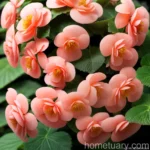
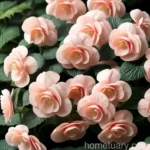
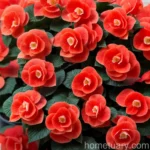
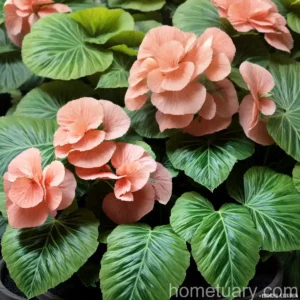
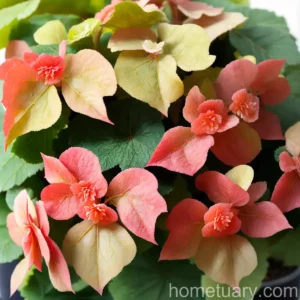
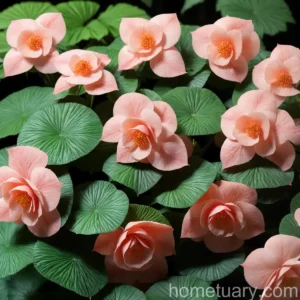
Begonia ‘Picotee Lace Red’ is a striking hybrid begonia variety known for its vibrant red flowers and delicate, lace-patterned foliage. This plant belongs to the Begoniaceae family and is a popular choice for adding color and visual interest to gardens, landscapes, and indoor spaces. It is prized for its ornamental value and is favored for its ability to thrive in various growing conditions.
Key Takeaways
- Scientific Name: Begonia ‘Picotee Lace Red’
- Family: Begoniaceae
- Common Names: Picotee Lace Red begonia, Red begonia lace
- Growth Habit: Compact, bushy
- Flower Color: Red
- Foliage: Lace-like, green with hints of red
- Uses: Ornamental, indoor and outdoor landscaping
Culture
Uses
Begonia ‘Picotee Lace Red’ is primarily cultivated for its ornamental value. It serves as a stunning focal point in garden beds, borders, and containers. Its vibrant red flowers and intricate foliage add visual appeal to both indoor and outdoor spaces, making it a popular choice for landscaping and decorative purposes.
Water
Proper watering is crucial for the health and vitality of Begonia ‘Picotee Lace Red’. This plant prefers consistently moist but well-draining soil. It is essential to water the plant when the top inch of the soil feels dry to the touch. Overwatering can lead to root rot, while underwatering can cause stress and leaf drop. Using a watering can with a narrow spout can be beneficial as it allows for targeted and controlled watering, preventing water from accumulating on the leaves and flowers.
Sunlight
Begonia ‘Picotee Lace Red’ thrives in dappled or partial shade. While it appreciates bright, indirect light, it should be shielded from direct sunlight, especially during the peak hours of the day. Excessive exposure to intense sunlight can scorch the delicate foliage and cause the flowers to fade prematurely. When grown indoors, placing the plant near an east-facing window or providing it with filtered sunlight from a sheer curtain can help meet its light requirements.
Fertilizer
Regular fertilization is essential for promoting healthy growth and abundant flowering in Begonia ‘Picotee Lace Red’. A balanced, water-soluble fertilizer formulated specifically for flowering plants can be applied during the growing season. It is crucial to follow the manufacturer’s instructions regarding the dilution ratio and frequency of application to prevent over-fertilization, which can lead to nutrient imbalances and potential damage to the plant.
Soil
Well-draining, fertile soil with a slightly acidic to neutral pH is ideal for Begonia ‘Picotee Lace Red’. A high-quality potting mix enriched with organic matter, such as peat moss or compost, provides the necessary nutrients and aeration for healthy root development. Additionally, adding perlite or coarse sand to the soil mix can improve drainage and prevent waterlogged conditions, which can be detrimental to the plant’s overall well-being.
Pruning
Pruning is an essential aspect of Begonia ‘Picotee Lace Red’ care, as it helps maintain a compact and bushy growth habit and encourages continuous flowering. Regular deadheading of faded flowers and the removal of yellowing or damaged leaves not only enhance the plant’s appearance but also prevent the onset and spread of diseases. Pruning should be performed using clean, sharp scissors or pruning shears to minimize damage to the plant’s tissues.
Propagation
Begonia ‘Picotee Lace Red’ can be propagated through stem cuttings or leaf cuttings. Stem cuttings should be taken from healthy, non-flowering shoots and placed in a well-draining propagation medium, such as a mix of perlite and peat moss. Leaf cuttings, which include a portion of the midrib, can also be used for propagation and should be inserted into the propagation medium with the cut edge facing downward. Providing adequate warmth and humidity during the propagation process can improve the chances of successful rooting and subsequent growth.
Container Popularity
The compact and bushy growth habit of Begonia ‘Picotee Lace Red’ makes it particularly well-suited for container cultivation. It can be showcased in decorative pots, hanging baskets, or urns on patios, balconies, or indoor spaces, adding a pop of vibrant color and foliage texture to the surroundings. When grown in containers, it is crucial to ensure proper drainage and select a potting mix that provides the necessary nutrients and aeration for the plant’s root system.
Common Diseases
Despite its ornamental appeal, Begonia ‘Picotee Lace Red’ is susceptible to certain diseases, particularly under conditions of poor air circulation and excessive moisture. Common diseases that may affect this plant include:
-
Powdery Mildew: A fungal disease characterized by the presence of white, powdery patches on the foliage, powdery mildew can weaken the plant and hinder its growth and flowering. Improving air circulation and avoiding overhead watering can help prevent this disease.
-
Botrytis Blight: Also known as gray mold, botrytis blight manifests as brown lesions on the leaves and stems of the plant. It thrives in humid conditions and can be mitigated by maintaining proper spacing between plants and ensuring adequate ventilation.
-
Leaf Spot: Leaf spot diseases caused by various fungi can lead to the development of dark, water-soaked lesions on the leaves of Begonia ‘Picotee Lace Red’. Removing and disposing of infected plant debris and avoiding overhead watering can aid in disease prevention.
Disease Diagnosis
Early detection and accurate diagnosis of diseases are critical for implementing timely and effective control measures. When inspecting Begonia ‘Picotee Lace Red’ for signs of disease, it is essential to look for the following symptoms:
- White, powdery patches on the foliage
- Brown lesions or mold-like growth on leaves and stems
- Dark, water-soaked spots or lesions on the leaves
- Yellowing, wilting, or distortion of foliage
If any of these symptoms are observed, it is advisable to consult with a plant health specialist or extension service for a detailed diagnosis and guidance on appropriate treatment options.
Common Pests
Begonia ‘Picotee Lace Red’ may also fall prey to various pests that can compromise its health and appearance. Common pests that may affect this plant include:
-
Aphids: These small, sap-sucking insects can infest the tender shoots and foliage of the plant, causing distortion and yellowing of the leaves. Regular monitoring and the use of insecticidal soap or horticultural oil can help manage aphid infestations.
-
Spider Mites: Spider mites are tiny pests that thrive in dry, dusty conditions and can cause stippling and webbing on the leaves of Begonia ‘Picotee Lace Red’. Increasing humidity levels and using natural predators, such as predatory mites, can aid in controlling spider mite populations.
-
Mealybugs: Mealybugs are soft-bodied insects that feed on the sap of the plant, often congregating on the leaf undersides and stems. The use of a cotton swab dipped in rubbing alcohol or horticultural oil can be effective in targeting and eliminating mealybug colonies.
Botanist’s Tips
Fun Facts
- Origin: Begonia ‘Picotee Lace Red’ is a hybrid begonia variety developed through careful breeding and selection to enhance its ornamental characteristics, including the vivid red flowers and intricately patterned foliage.
- Pollinator Attraction: The bright red flowers of Begonia ‘Picotee Lace Red’ can attract pollinators such as bees and butterflies, contributing to the ecological diversity of the garden or landscape.
- Versatile Use: In addition to its role as an ornamental plant, certain begonia species, including Begonia ‘Picotee Lace Red’, have been utilized in traditional medicine for their purported medicinal properties, such as anti-inflammatory and wound-healing effects.
Links to External Resources
- American Begonia Society – The official website of the American Begonia Society provides a wealth of information on begonia care, cultivation, and species diversity.
- Royal Horticultural Society (RHS) Begonia Care – The RHS offers comprehensive guidance on the care and cultivation of begonias, including information specific to different begonia varieties.
- University of Florida IFAS Extension – Begonia Growing Guide – The University of Florida’s IFAS Extension provides in-depth resources on growing begonias, including information on species selection and maintenance practices.
In conclusion, Begonia ‘Picotee Lace Red’ is a captivating plant that captivates with its striking red flowers and intricate foliage. By following the recommended care guidelines and staying vigilant about potential diseases and pests, gardeners can enjoy the beauty of this begonia variety in their indoor and outdoor spaces. Whether used as a standalone specimen or combined with other plants in mixed container arrangements, Begonia ‘Picotee Lace Red’ is a versatile and visually appealing addition to any plant collection.