Dittany Of Crete (Origanum Dictamnus)
In the realm of herbal folklore and ancient remedies, few plants hold as much allure and fascination as Dittany of Crete, scientifically known as Origanum.
In the realm of herbal folklore and ancient remedies, few plants hold as much allure and fascination as Dittany of Crete, scientifically known as Origanum Dictamnus. This perennial herb, indigenous to the rocky, sun-drenched slopes of the island of Crete, has woven itself into the tapestry of ancient mythology, traditional medicine, and culinary heritage. Join me as we unravel the mystique and discover the captivating world of Dittany of Crete.
What is Dittany of Crete?
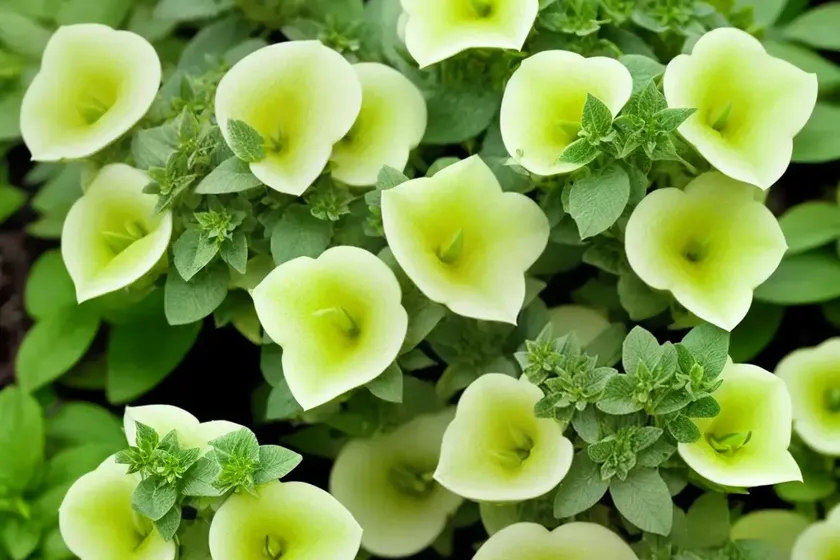
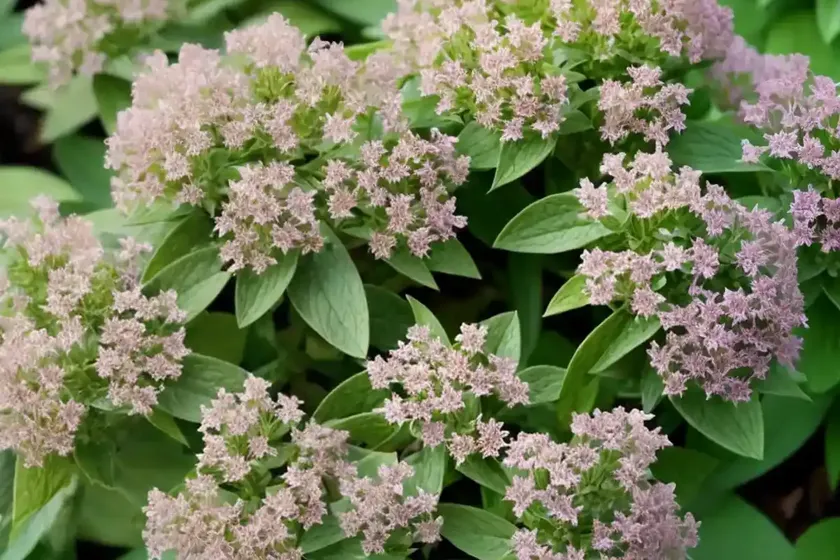
Dittany of Crete (Origanum Dictamnus) is a petite perennial herb that belongs to the Lamiaceae family, which encompasses many aromatic flowering plants such as oregano, mint, and rosemary. In the wild, Dittany of Crete thrives in the dry, rocky hillsides and gorges of its native habitat, displaying delicate pink to purple flowers and soft, downy leaves that exude a captivating fragrance when crushed.
Key Takeaways – Dittany of Crete (Origanum Dictamnus)
Before we delve deeper into the multifaceted world of Dittany of Crete, let’s explore the key takeaways associated with this enigmatic herb:
- Cultural Significance: Dittany of Crete holds a prominent place in the folklore and traditions of the Mediterranean, particularly Crete, where it has been revered for its purported magical and medicinal properties since ancient times.
- Culinary Heritage: The plant has been integrated into the culinary repertoire of the region, lending its unique flavor and aroma to local dishes and beverages.
- Medicinal Uses: Throughout history, Dittany of Crete has been employed in various herbal remedies due to its perceived health-giving properties, making it a subject of interest in traditional medicine.
- Botanical Characteristics: The distinct appearance and aromatic allure of Dittany of Crete contribute to its appeal as a garden plant, captivating the senses and adding ornamental value to landscapes.
Now, let’s unravel the intricate layers of this sumptuous herb and delve into its culture, uses, growing requirements, and much more.
Culture
Uses
- Culinary Applications: Dittany of Crete is prized for the distinctive flavor it imparts, which is often described as a harmonious blend of savory, sweet, and herbal notes. Often used as a seasoning in meat dishes, salads, and sauces, it lends a unique character to Cretan cuisine.
- Medicinal Purposes: Traditionally, Dittany of Crete has been used in herbal medicine for a range of purposes, purportedly offering benefits for digestion, respiratory health, and overall well-being. The plant’s leaves are often infused in teas or tinctures for these purposes.
- Aromatic and Therapeutic Uses: The essential oil extracted from Dittany of Crete is treasured for its aromatic qualities and potential therapeutic benefits. It is believed to possess antiseptic, anti-inflammatory, and relaxing properties, contributing to its use in aromatherapy and natural remedies.
Water
Dittany of Crete thrives in well-draining, slightly dry conditions, reflecting its natural habitat in the arid landscapes of Crete. When cultivated, it is important to avoid overwatering, as excessive moisture can lead to root rot and compromise the plant’s health. Instead, opt for infrequent but deep watering, allowing the soil to dry out partially between watering sessions.
Sunlight
In its native environment, Dittany of Crete basks in the full, unfiltered sunlight of the Mediterranean, reveling in the warmth and brightness. When grown in cultivation, it fares best in a location that receives ample sunlight, ideally in excess of six hours per day. Providing sufficient sunlight encourages robust growth, optimal flowering, and the development of the plant’s aromatic compounds.
Fertilizer
Dittany of Crete is relatively modest in its fertilizer requirements, especially when cultivated in nutrient-rich soils. When necessary, a balanced, slow-release fertilizer can be applied sparingly in the spring to support healthy growth and flowering. However, excess fertilizer should be avoided, as it can lead to overly lush growth at the expense of the plant’s essential oils and aromatic potency.
Soil
The ideal growing medium for Dittany of Crete mirrors the well-draining, rocky conditions found in its native habitat. A gritty, sandy soil with good aeration and drainage is preferable, preventing waterlogged conditions that can prove detrimental to the plant’s health. A slightly alkaline to neutral soil pH range is generally well-suited for this herb.
Pruning
Pruning Dittany of Crete serves multiple purposes, including the encouragement of bushier growth, the removal of spent flowers, and the renewal of the plant’s vitality. After the flowering period, trimming back the stems can stimulate fresh growth and bolster the plant’s aesthetic appeal. Additionally, removing dead or damaged foliage helps maintain the plant’s vigor.
Propagation
Dittany of Crete can be propagated through several methods, including seed sowing, division of established clumps, and stem cuttings. Each approach offers its own advantages, with seed propagation allowing for the creation of new genetic variations, while division and cuttings yield plants that are true to the parent. These propagation methods can be employed to expand the presence of this captivating herb in gardens and landscapes.
Container Popularity
The allure of Dittany of Crete extends to container gardening, where its compact size and ornamental foliage make it an appealing choice for small-scale cultivation. In containers, the herb can be showcased on patios, balconies, or windowsills, thereby bringing its captivating fragrance and visual charm to urban and confined spaces.
Common Diseases
Disease diagnosis
Dittany of Crete is generally robust and resistant to many common plant diseases when provided with suitable growing conditions. However, it can be susceptible to issues such as powdery mildew and root rot if exposed to prolonged periods of high humidity or overly moist soil. Careful attention to watering, spacing, and air circulation can mitigate these concerns.
Common Pests
Botanist’s Tips
- Enhancing Aroma: To maximize the aromatic allure of Dittany of Crete, consider providing it with ample sunlight, as this can intensify the concentration of essential oils within the plant’s leaves.
- Balanced Nutrition: Avoid excessive fertilization, as this can lead to overly lush growth at the expense of the herb’s aromatic and culinary qualities. Instead, prioritize well-draining soil and appropriate sunlight exposure to foster aromatic potency.
- Pruning Practices: Pruning the herb after the flowering period not only rejuvenates its appearance but also encourages the production of new foliage, maintaining the plant’s vitality and vigor.
Fun Facts
- In ancient Greece, Dittany of Crete was steeped in mystique and mythology, being associated with legends of love and healing. It was believed that the herb could only be safely gathered by eagles due to its placement in treacherous mountain crevices.
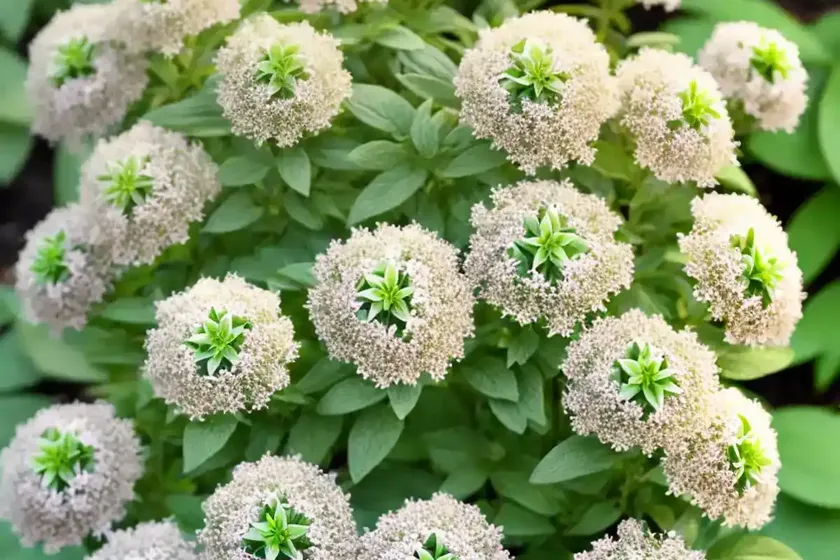
- The intricate, honeycomb-like structure of the plant’s dried flower heads has been likened to the mythical substance known as “Ambrosia,” adding to its mystique and allure.
Links to External Resources**
As we journey through the captivating world of Dittany of Crete, I invite you to further explore the rich tapestry of information, folklore, and cultural significance that surrounds this remarkable herb. The following resources provide valuable insights into its history, traditional uses, and cultivation tips:
- Myth, Magic, and Medicine: Dittany of Crete – www.ancientherbals.com/dittany-of-crete
- Culinary Delights: Exploring the Use of Dittany of Crete in Traditional Cretan Cuisine – www.cretancuisine.org/dittany-in-cuisine
- Aromatic Allure: Unveiling the Scent of Dittany of Crete Essential Oil – www.aromaessentials.com/dittany-essential-oil
- Botanical Treasures: The Medicinal Heritage of Dittany of Crete – www.herballegends.com/dittany-medicine
In the spirit of exploration and appreciation for the natural world, these resources offer a deeper understanding of Dittany of Crete and its profound cultural significance.
In conclusion, the allure of Dittany of Crete (Origanum Dictamnus) extends far beyond its ornamental and culinary value, intertwining with the captivating realms of folklore, traditional medicine, and cultural heritage. From its ancient associations with love and healing to its role in Mediterranean cuisine, this enigmatic herb continues to captivate our senses and kindle the imagination with its rich history and multifaceted uses.
Through embracing the knowledge and traditions surrounding Dittany of Crete, we honor the profound connection between humanity and the botanical treasures that enrich our lives, offering sustenance, solace, and a sense of wonder. As we nurture and celebrate these botanical allies, may we also cultivate a deeper reverence for the natural world and the enduring legacies of plants such as Dittany of Crete.
Remember to share your valuable knowledge and experiences about Dittany of Crete with fellow plant enthusiasts, and continue to explore the vast realm of plant science and herbal folklore. Embrace the magic of the botanical world, and let the captivating allure of Dittany of Crete inspire your journey into the realm of ancient herbs and remedies.


