The Beauty of Digitalis purpurea ‘Sugar Plum’ (Common Foxglove)
Plants have an incredible ability to captivate and mesmerize us with their diverse forms, colors, and uses. Among the numerous plant species that adorn our gardens and landscapes, Digitalis purpurea ‘Sugar Plum’, also known as Common Foxglove, holds a special place. This stunning biennial plant has garnered attention for its elegant spikes of tubular flowers and its potential medicinal uses. In this comprehensive guide, we will delve into the world of Digitalis purpurea ‘Sugar Plum’, exploring its cultivation, uses, and fascinating characteristics.
What is Digitalis purpurea ‘Sugar Plum’ (Common Foxglove)?
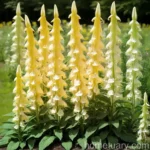
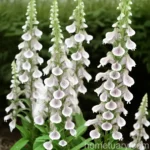
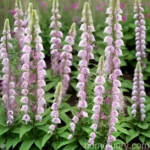
Digitalis purpurea, commonly known as Common Foxglove, is a species of flowering plant in the family Plantaginaceae. This biennial plant is native to Western Europe and has been naturalized in other regions, including North America. It is renowned for its tall spires of tubular, bell-shaped flowers that bloom in a range of colors, including shades of pink, purple, and white.
The cultivar ‘Sugar Plum’ is a particularly captivating variety of Digitalis purpurea, known for its exquisite, deep plum-colored blooms. With its architectural stature and mesmerizing floral display, ‘Sugar Plum’ adds a touch of elegance and charm to gardens, woodland areas, and mixed borders.
Plant Characteristics
Scientific Name: Digitalis purpurea ‘Sugar Plum’
Common Name: Common Foxglove ‘Sugar Plum’
Plant Type: Biennial
Mature Height: 3-5 feet
Mature Spread: 1-1.5 feet
Bloom Time: Late spring to early summer
Hardiness Zone: 4-8
Now that we have introduced Digitalis purpurea ‘Sugar Plum’, let’s delve into the details of its cultivation, uses, and essential care tips.
Key Takeaways – Digitalis purpurea ‘Sugar Plum’ (Common Foxglove)
Before we embark on the journey of understanding the intricacies of cultivating and caring for Digitalis purpurea ‘Sugar Plum’, let’s delve into the key takeaways that will guide us through this exploration.
Culture
- Digitalis purpurea ‘Sugar Plum’ is a biennial plant known for its striking bell-shaped flowers.
- It thrives in cool climates and is suitable for growing in hardiness zones 4-8.
- This plant possesses a fascinating history, with references to its medicinal uses and folklore.
Uses
- ‘Sugar Plum’ is cherished for its ornamental value and is often employed in cottage gardens, woodland settings, and mixed borders.
- Certain parts of Digitalis purpurea have been used in traditional medicine, although caution is advised due to its toxic nature.
Water
- Adequate moisture is crucial for the growth and establishment of Digitalis purpurea ‘Sugar Plum’.
- It is essential to maintain consistent soil moisture, especially during dry periods and in the initial stages of growth.
Sunlight
- Digitalis purpurea ‘Sugar Plum’ thrives in partial shade to full sun, with a preference for dappled sunlight in warmer regions.
Fertilizer
- The application of a balanced, slow-release fertilizer can support the growth and blooming of ‘Sugar Plum’ Digitalis purpurea.
Soil
- Well-draining, moderately fertile soil is ideal for cultivating Digitalis purpurea ‘Sugar Plum’.
- It is essential to ensure good soil aeration to prevent waterlogging and root rot.
Pruning
- Removal of spent flower spikes can prolong the blooming period and promote a tidier appearance.
- Pruning should be performed with care, considering the potential toxicity of the plant.
Propagation
- Digitalis purpurea ‘Sugar Plum’ can be propagated from seeds or through division in the early stages of growth.
Container Popularity
- ‘Sugar Plum’ is well-suited for container gardening, allowing its captivating blooms to be appreciated up close.
Container
- When grown in containers, it is crucial to choose appropriately sized pots with good drainage to ensure the health of the plant.
Common Diseases
- Digitalis purpurea ‘Sugar Plum’ is susceptible to certain fungal diseases, including powdery mildew and leaf spot.
Disease Diagnosis
- Early detection and prompt intervention are crucial in managing and preventing the spread of diseases in Digitalis purpurea ‘Sugar Plum’.
Common Pests
- The plant may attract pests such as aphids, slugs, and snails, posing a threat to its overall health and appearance.
Botanist’s Tips
- Ensure proper care and maintenance to maximize the ornamental and ecological value of Digitalis purpurea ‘Sugar Plum’.
- Exercise caution and knowledge when handling and cultivating this plant, considering its potential toxicity.
Fun Facts
- The name “foxglove” is believed to originate from folklore, associating the flower with foxes and fairies.
- Certain species within the Digitalis genus have been a source of medicinal compounds used in treating heart conditions.
Links to External Resources
- Royal Horticultural Society: Digitalis purpurea ‘Sugar Plum’
- University of Maryland Extension: Growing Foxgloves
- The American Phytopathological Society: Fungal Diseases of Digitalis
With these key takeaways in mind, we are poised to embark on a detailed exploration of Digitalis purpurea ‘Sugar Plum’, gaining insights into its care, uses, and the unique allure it brings to our gardens and landscapes.
Digitalis purpurea ‘Sugar Plum’: Cultivation and Care Guide
Water
Ensuring adequate moisture is essential for the successful cultivation of Digitalis purpurea ‘Sugar Plum’. This biennial plant thrives in well-drained soil that retains consistent moisture. Whether it is grown directly in garden beds or in containers, the following guidelines can help maintain appropriate soil moisture levels:
-
Moderate Watering: Provide regular, moderate watering to keep the soil consistently moist, especially during dry periods. Avoid waterlogging, as excessively wet soil can lead to root rot and other issues.
-
Mulching: Apply a layer of organic mulch, such as compost or shredded bark, around the base of the plant to help retain soil moisture and suppress weed growth. Mulch also provides insulation against fluctuations in soil temperature.
-
Container Care: When growing ‘Sugar Plum’ in containers, ensure that the pots have adequate drainage holes to prevent water accumulation. Regularly check the moisture levels in the soil to prevent the potting mix from drying out completely.
Sunlight
Digitalis purpurea ‘Sugar Plum’ thrives in partial shade to full sun. In regions with warm summers, providing some protection from the intense midday sun can be advantageous. Consider the following sunlight-related care tips for ‘Sugar Plum’:
-
Partial Shade: In warmer climates, providing dappled sunlight or partial shade during the hottest times of the day can prevent excessive heat stress on the plant.
-
Sun Exposure: Ensure that the plant receives at least 4-6 hours of direct sunlight daily, as this is conducive to healthy growth and abundant flowering.
-
Site Selection: When planting ‘Sugar Plum’ in the garden, choose a location that balances sunlight and shade, considering the natural light patterns and the plant’s preferences.
Fertilizer
Applying a balanced, slow-release fertilizer can promote the vigor and blooming of Digitalis purpurea ‘Sugar Plum’. Here are some important considerations for fertilizing this biennial plant:
-
Fertilizer Type: Use a general-purpose, balanced fertilizer with a formula such as 10-10-10 or 15-15-15. This provides a blend of essential nutrients without favoring excessive foliage growth over flowering.
-
Application Timing: Apply fertilizer in early spring, just before new growth emerges. A second application can be performed after the initial flowering period to support the development of new blooms or seed production.
-
Avoid Overfertilizing: Exercise caution to avoid overfertilizing, as excessive nutrient levels can lead to imbalanced growth and diminished flowering.
Soil
Digitalis purpurea ‘Sugar Plum’ thrives in well-drained, moderately fertile soil with a slightly acidic to neutral pH. Proper soil preparation and maintenance are crucial for supporting the plant’s health and vigor. Consider the following guidelines for soil care:
-
Well-Draining Soil: Ensure that the soil has good drainage to prevent waterlogging, which can lead to root rot and other issues. Incorporate organic matter, such as compost, to improve soil structure and drainage.
-
pH Considerations: Aim for a soil pH range of 5.5 to 7.0, which falls within the slightly acidic to neutral range. Conduct a soil test if needed and amend the soil with lime or sulfur to adjust the pH as necessary.
-
Soil Composition: ‘Sugar Plum’ thrives in loamy soil with good water retention capabilities. If the native soil is heavy clay or excessively sandy, amending it with organic matter can enhance its suitability for the plant.
Pruning
Pruning ‘Sugar Plum’ Digitalis purpurea involves the strategic removal of spent flower spikes and occasional maintenance to promote a tidy and vigorous habit. By following prudent pruning practices, gardeners can prolong the blooming period and prevent the plant from expending energy on seed production. Here are the key principles of pruning Digitalis purpurea ‘Sugar Plum’:
-
Deadheading: Remove faded or spent flower spikes promptly to prevent the plant from directing energy towards seed development. Deadheading also enhances the overall visual appeal of the plant.
-
Safety Precautions: Exercise caution when handling Digitalis purpurea, as all parts of the plant can be toxic if ingested. Wear gloves while pruning and wash your hands thoroughly afterward to minimize the risk of exposure.
-
Maintenance Pruning: Remove any damaged, diseased, or overcrowded stems and foliage throughout the growing season. This improves air circulation and reduces the risk of fungal diseases.
Propagation
Propagating Digitalis purpurea ‘Sugar Plum’ can be achieved through seed sowing or division. By following suitable propagation methods and timing, gardeners can propagate new plants and perpetuate the captivating beauty of this biennial species. Consider the following propagation guidelines for ‘Sugar Plum’:
-
Seed Propagation: Collect mature seeds from the plant and sow them in well-prepared seed starting mix or directly in the garden during the appropriate sowing time. Adequate moisture and warmth are essential for successful germination.
-
Early Division: In early spring or autumn, divide established clumps of Digitalis purpurea ‘Sugar Plum’ to create new plants. Carefully lift the clump, separate the individual crowns, and replant them in suitable locations.
-
Patience and Care: Be patient during the germination and establishment stages, ensuring consistent moisture and suitable growing conditions for the new seedlings or divisions.
Container Popularity
The allure of Digitalis purpurea ‘Sugar Plum’ extends to container gardening, where its captivating blooms and architectural form can be prominently featured. When cultivating ‘Sugar Plum’ in containers, specific considerations related to container selection, care, and maintenance play crucial roles in ensuring the plant’s health and visual impact. Here’s a closer look at container gardening with ‘Sugar Plum’:
-
Container Selection: Choose a suitably sized container with sufficient depth and good drainage. A large, sturdy pot accommodates the plant’s extensive root system and prevents it from becoming root-bound.
-
Drainage Considerations: Ensure that the container has multiple drainage holes to prevent water accumulation and root suffocation. Proper drainage is essential for preventing waterlogged soil, which can lead to rot and other issues.
-
Potting Mix: Use a well-draining, high-quality potting mix with a blend of organic matter, perlite, and vermiculite. This provides a balanced environment for root development and moisture retention.
-
Watering Practices: Provide consistent moisture to the plant, ensuring that the potting mix does not dry out completely. Regularly check the soil moisture levels, especially during warmer weather and periods of active growth.
With these cultivation and care insights, gardeners can nurture and appreciate the mesmerizing beauty of Digitalis purpurea ‘Sugar Plum’ in their gardens, landscapes, and container displays.
Popularity and Uses of Digitalis purpurea ‘Sugar Plum’
Ornamental Value
The ornamental allure of Digitalis purpurea ‘Sugar Plum’ extends far and wide, captivating gardeners, landscapers, and enthusiasts with its striking floral display and charismatic presence. This biennial plant finds its place in various garden settings, adding a touch of elegance, color, and vertical interest. Let’s explore the prominent uses of ‘Sugar Plum’ Digitalis purpurea in the realm of ornamental horticulture:
-
Cottage Gardens: ‘Sugar Plum’ contributes to the romantic ambiance of cottage gardens, where its spires of bell-shaped flowers harmonize with a diverse array of traditional and heirloom plants.
-
Mixed Borders: The vertical stature and contrasting blooms of ‘Sugar Plum’ make it a valuable addition to mixed borders, providing visual impact and a dynamic interplay with companion plants.
-
Woodland Settings: In semi-shaded or dappled light conditions, Digitalis purpurea ‘Sugar Plum’ thrives in woodland settings, adding a wildflower-like charm to naturalistic landscapes.
Medicinal and Herbal Traditions
Throughout history, certain species within the Digitalis genus have been associated with medicinal properties, with references to their potential uses in treating heart conditions. While caution is essential due to the toxic nature of these plants, it is fascinating to explore the historical and contemporary perspectives on the potential medicinal uses of Digitalis purpurea ‘Sugar Plum’.
Floral Arrangements and Pollinators
The enchanting blooms of ‘Sugar Plum’ Digitalis purpurea lend themselves to floral arrangements, whether as focal points in large bouquets or as accents in mixed floral displays. Additionally, the tubular flowers attract and benefit pollinators such as bees and hummingbirds, contributing to the ecological vibrancy of the garden.
Garden Design and Pollinator Habitat
In garden design, ‘Sugar Plum’ offers a versatile palette of possibilities, whether it is used as a standalone feature, a part of perennial borders, or as a component of wildlife-friendly gardens. Its architectural form and floral abundance make it a valuable asset in creating habitats for pollinators and beneficial insects.
With its captivating blooms, engaging history, and potential uses in garden design and herbal traditions, Digitalis purpurea ‘Sugar Plum’ asserts itself as a multi-faceted plant that enriches our horticultural experiences and connections with the natural world.
Common Diseases and Pest Control for Digitalis purpurea ‘Sugar Plum’
Disease Susceptibility
Digitalis purpurea ‘Sugar Plum’ is susceptible to certain fungal diseases that can affect its overall health and ornamental appeal. By understanding the common diseases and adopting preventive measures, gardeners can mitigate the impacts of these issues. Let’s explore the prevalent diseases and their management:
Powdery Mildew (Erysiphe digitalis)
Powdery mildew, caused by the fungal pathogen Erysiphe digitalis, manifests as powdery white patches on the surfaces of leaves and stems. This disease can weaken the plant and reduce its aesthetic value. Here are strategies for managing powdery mildew in ‘Sugar Plum’ Digitalis purpurea:
-
Cultural Practices: Ensure proper spacing between plants to improve air circulation and reduce humidity levels. This minimizes the favorable conditions for powdery mildew development.
-
Fungicidal Treatments: Apply fungicidal sprays, such as sulfur or neem oil-based products, to protect the plant from powdery mildew. Start treatments preventively or at the first signs of disease.
-
Prompt Intervention: Upon noticing early symptoms, such as white powdery patches, take prompt action to prevent the spread of the disease. Remove and dispose of affected plant parts to limit the disease’s progress.
Leaf Spot (Mycosphaerella spp.)
Leaf spot is characterized by the appearance of circular to irregularly shaped brown or black spots on the foliage of ‘Sugar Plum’ Digitalis purpurea. This fungal disease can lead to leaf discoloration and premature leaf drop. Employ the following strategies to manage leaf spot:
-
Sanitation Practices: Remove and destroy affected leaves, particularly those that have significant spotting. This prevents the release of fungal spores and reduces the disease’s spread.
-
Adequate Airflow: Ensure proper plant spacing and remove any debris or plant material that obstructs airflow around the foliage. Improved air circulation aids in reducing leaf spot incidence.
-
Fungicidal Control: If leaf spot becomes persistent, consider applying a copper-based fungicide or another suitable fungicidal product to protect the plant from further infections.
Pest Management
In addition to fungal diseases, Digitalis purpurea ‘Sugar Plum’ may be susceptible to certain pests that can compromise the plant’s health and visual appeal. Vigilance and proactive pest management measures can aid in preserving the plant’s vitality. Let’s explore some common pests and strategies for their control:
Aphids (Aphidoidea)
Aphids, also known as plant lice, are small, soft-bodied insects that can cluster on the undersides of leaves and tender shoot tips, feeding on plant sap. Their presence can result in distorted growth and a weakening of the plant. Here are steps to manage aphids on ‘Sugar Plum’ Digitalis purpurea:
-
Mechanical Control: Hose down the affected plants with a strong jet of water to dislodge and remove the aphids. This physical intervention can reduce pest populations effectively.
-
Beneficial Insects: Encourage natural predators such as ladybugs, lacewings, and parasitic wasps that feed on aphids. Planting nectar-rich flowers can attract beneficial insects to the garden.
-
Insecticidal Soap: If aphid infestations persist, consider using insecticidal soap or horticultural oil as targeted treatments to manage the pests while minimizing impacts on beneficial insects.
Slugs and Snails (Gastropoda)
Slugs and snails are common garden pests that can feed on the foliage and stems of Digitalis purpurea ‘Sugar Plum’, leaving behind irregular holes and damage. Employ the following measures to control slug and snail populations:
-
Barriers and Traps: Place physical barriers, such as copper tape or diatomaceous earth, around the base of the plants to deter slugs and snails. Beer traps or boards can also be employed to capture these pests.
-
Handpicking: During periods of increased slug and snail activity, manually pick off the pests in the early morning or evening when they are most active. Dispose of the captured pests away from the garden area.
-
Natural Predators: Attract natural predators, such as ground beetles and certain birds, that feed on slugs and snails. Providing suitable habitat and food sources can encourage these beneficial creatures.
By being attentive to the signs of diseases and pest infestations and implementing appropriate management strategies, gardeners can safeguard the health and vitality of Digitalis purpurea ‘Sugar Plum’, promoting its longevity