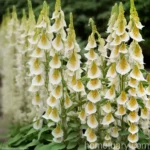
Digitalis purpurea ‘Camelot White’ (Common Foxglove): A Comprehensive Guide

Digitalis purpurea ‘Camelot White’, commonly known as Common Foxglove, is a stunning flowering plant that is a favorite among gardeners and plant aficionados. Known for its tall spires of tubular flowers, this biennial or short-lived perennial attracts pollinators and adds a touch of elegance to gardens and landscapes. In this comprehensive guide, we will delve into the fascinating world of Digitalis purpurea ‘Camelot White’, exploring its characteristics, cultivation techniques, uses, and much more.
What is Digitalis purpurea ‘Camelot White’?
Digitalis purpurea, commonly known as the Common Foxglove, belongs to the Plantaginaceae family. This exquisite plant is native to Europe, where it can be found gracing woodlands, hedgerows, and meadows with its majestic presence. ‘Camelot White’ is a specific cultivar of Digitalis purpurea, prized for its pure white blossoms that adorn tall, sturdy stalks.
The bells of the Common Foxglove are a classic favorite in cottage-style gardens, adding vertical interest and a sense of enchantment. The plant’s majestic appearance makes it a popular choice for those looking to attract bees, butterflies, and hummingbirds to their outdoor spaces.
Key Takeaways – Digitalis purpurea ‘Camelot White’
Before delving into the specifics of cultivating and caring for Digitalis purpurea ‘Camelot White’, here are some key takeaways about this captivating plant:
- Scientific Name: Digitalis purpurea ‘Camelot White’
- Common Name: Common Foxglove
- Plant Type: Biennial or short-lived perennial
- Native Habitat: Woodlands, hedgerows, and meadows in Europe
- Distinctive Feature: Tall spires of tubular, bell-shaped white flowers
- Attracts: Bees, butterflies, and hummingbirds
Now, let’s delve deeper into the world of Common Foxglove, exploring its culture, uses, and essential care guidelines.
Culture
Understanding the preferred growing conditions of Digitalis purpurea ‘Camelot White’ is crucial for successfully cultivating this stunning plant. From soil requirements to watering needs, the culture of Common Foxglove plays a significant role in its overall health and vigor.
Water
Proper watering is essential for the health and vitality of Digitalis purpurea ‘Camelot White’. While these plants appreciate moist soil, they do not tolerate waterlogged conditions. It is important to strike a balance by providing consistent moisture without allowing the roots to sit in stagnant water.
- Water Needs: Regular, consistent moisture
- Avoid: Waterlogged conditions
Sunlight
Digitalis purpurea ‘Camelot White’ thrives in partial to full sunlight. When selecting a planting location, prioritize sites that receive ample sunlight, especially during the morning hours.
- Sunlight Requirements: Partial to full sunlight
- Ideal Location: Areas with morning sun and partial shade in the afternoon
Fertilizer
While Common Foxglove is not particularly heavy feeder, providing a balanced fertilizer during the growing season can promote healthy growth and abundant flowering. A slow-release fertilizer with balanced N-P-K (nitrogen, phosphorus, and potassium) can be applied in spring to support the plant’s nutritional needs.
- Fertilization: Balanced, slow-release fertilizer in spring
Soil
Well-draining soil with a slightly acidic to neutral pH is ideal for Digitalis purpurea ‘Camelot White’. Amending the soil with organic matter such as compost can improve its texture and fertility, providing an optimal environment for the plant’s roots.
- Soil Type: Well-draining, slightly acidic to neutral
- Amendment: Organic matter (e.g., compost)
Pruning
Pruning Techniques for Common Foxglove
Pruning plays a role in maintaining the health and aesthetics of Digitalis purpurea ‘Camelot White’. Here are some essential pruning techniques for these plants:
- Deadheading: Regularly remove spent flowers to encourage continuous blooming and prevent self-seeding.
- Trimming: After the initial flowering period, trimming back the stems can promote a second flush of blooms and prevent the plant from becoming leggy.
Propagation
Digitalis purpurea ‘Camelot White’ can be propagated through various methods, allowing gardeners to expand their collection of these exquisite plants. Whether you prefer division, seed propagation, or other techniques, understanding the fundamentals of propagation is essential for successfully multiplying Common Foxglove.
- Propagation Methods:
- Seed Propagation: Sow seeds in a well-prepared seedbed or individual containers, ensuring that they are lightly covered with soil. Keep the soil consistently moist until germination occurs.
- Division: Divide established clumps in early spring or after the plant’s flowering period, ensuring that each division has a good root system and sufficient foliage to support its growth.
Container Popularity
Digitalis purpurea ‘Camelot White’ can captivate enthusiasts even when grown in containers, making it a popular choice for those with limited garden space or an affinity for container gardening. When growing Common Foxglove in containers, it is essential to select appropriate pots, provide adequate care, and monitor the plant’s growth and development.
Container Gardening Tips for Common Foxglove
- Pot Selection: Choose deep containers to accommodate the plant’s taproot and provide stability for the tall flower stalks.
- Soil: Use a well-draining potting mix enriched with organic matter.
- Watering: Monitor the moisture levels closely, ensuring that the soil remains consistently moist but not waterlogged.
- Sunlight: Position the containers in areas with partial to full sunlight, ensuring that the plant receives adequate light for healthy growth.
Common Diseases
While Digitalis purpurea ‘Camelot White’ is generally resilient, it can be susceptible to certain diseases and issues that can impact its overall health and appearance. Understanding the common diseases that may affect Common Foxglove is crucial for early detection and appropriate intervention.
Disease Diagnosis
- Powdery Mildew: One of the most common issues affecting Digitalis purpurea ‘Camelot White’, powdery mildew manifests as a white, powdery coating on the leaves and stems. Adequate air circulation and proper spacing can help prevent this fungal disease.
- Crown Rot: Excessive moisture and poor drainage can lead to crown rot in Common Foxglove, resulting in wilting and the eventual death of the plant. It is crucial to address any drainage issues promptly to prevent this condition.
- Leaf Spot: Leaf spot diseases can affect the foliage of Digitalis purpurea, causing discoloration, browning, and defoliation. Regular monitoring and appropriate fungicidal treatments can help manage this issue.
Common Pests
In addition to diseases, Digitalis purpurea ‘Camelot White’ may also attract certain pests that can compromise the plant’s health and vitality. When cultivating Common Foxglove, it is essential to be vigilant and proactive in addressing potential pest infestations.
Common Pests of Common Foxglove
- Aphids: These small, sap-sucking insects can be found clustered on the undersides of leaves, causing distortion and stunted growth. Insecticidal soap or neem oil can be used to manage aphid populations.
- Spider Mites: Spider mites are tiny arachnids that may infest Digitalis purpurea, causing stippling and discoloration of the foliage. Regularly spraying the plant with water can help deter spider mite infestations.
- Slugs and Snails: These mollusks can feed on the tender foliage of Common Foxglove, leaving behind ragged edges and unsightly damage. Organic bait and physical barriers can be used to deter slugs and snails from accessing the plants.
Botanist’s Tips
As members of the Plantaginaceae family, Digitalis purpurea ‘Camelot White’ exhibits unique traits and growth habits that make it a captivating addition to gardens and landscapes. Incorporating the following botanist’s tips can enhance the cultivation and care of Common Foxglove, ensuring that it thrives and flourishes in its environment.
Botanist’s Tips for Successful Cultivation
- Support Stakes: Due to their tall, elegant flower stalks, Common Foxglove plants benefit from the support of stakes to prevent them from toppling over in windy conditions. Install the stakes early in the growing season to provide adequate support as the plants mature.
- Regular Monitoring: Vigilance is key when it comes to monitoring for diseases, pests, and other issues that may affect Digitalis purpurea ‘Camelot White’. Regular inspections can help detect and address any problems promptly.
- Beneficial Companions: Planting Common Foxglove alongside companion plants that attract beneficial insects can help create a balanced ecosystem in the garden, promoting natural pest control and pollination.
- Protection from Wind: In exposed or windy locations, providing some form of protection, such as a windbreak or strategic placement among other plants, can help shield Digitalis purpurea ‘Camelot White’ from potential damage.
Fun Facts
Delving into the realm of Digitalis purpurea ‘Camelot White’ and the wider world of Common Foxglove reveals a host of intriguing and enchanting facts that further elevate the appeal of these remarkable plants. Embracing these fun facts can deepen our appreciation for Common Foxglove, shedding light on its historical significance, cultural symbolism, and more.
Fascinating Tidbits About Common Foxglove
- Historical Uses: Common Foxglove has a rich history of medicinal uses, particularly in the treatment of heart conditions. This plant contains compounds that have been employed in traditional herbal remedies for centuries.
- Symbolism: Foxglove is often associated with themes of ambition, creativity, and care, making it a symbolic addition to floral arrangements and gardens.
- Naturalized Habitats: While Digitalis purpurea is native to Europe, it has naturalized in various regions, demonstrating its adaptability and resilience in diverse ecosystems.
Links to External Resources
For further exploration of Digitalis purpurea ‘Camelot White’ and Common Foxglove, the following external resources offer valuable insights, information, and inspiration:
- Royal Horticultural Society – Foxgloves
- University of Maryland Extension – Digitalis purpurea
- Missouri Botanical Garden – Digitalis purpurea
- American Society for the Prevention of Cruelty to Animals – Foxglove
In conclusion, Digitalis purpurea ‘Camelot White’, commonly known as Common Foxglove, is a captivating and versatile plant that has enchanted gardeners and nature enthusiasts for generations. From its striking bell-shaped blossoms to its historical significance and modern-day uses, Common Foxglove continues to captivate and inspire. Whether utilized in cottage-style gardens, naturalized landscapes, or container gardens, Digitalis purpurea ‘Camelot White’ adds an elegant touch and attracts a variety of beneficial wildlife.
By cultivating an understanding of its preferred growing conditions, propagation techniques, and potential challenges, we can foster the health and vitality of Common Foxglove, allowing it to flourish and grace our outdoor spaces with its timeless beauty. As we embrace the allure of Digitalis purpurea ‘Camelot White’, we also honor its historical legacy, cultural symbolism, and beneficial contributions to the ecological tapestry of our surroundings.
As we continue to appreciate the intricate details and enduring appeal of Common Foxglove, we embark on a journey of discovery and admiration for one of nature’s most captivating creations.
This article is dedicated to those who find inspiration and solace in the company of plants, especially the enchanting Digitalis purpurea ‘Camelot White’ – the timeless emblem of grace and allure.