Erysimum ‘Apricot Twist’ (Wallflower)
Plants are an integral part of our environment, and they contribute significantly to the beauty and diversity of nature. Erysimum ‘Apricot Twist’, commonly.


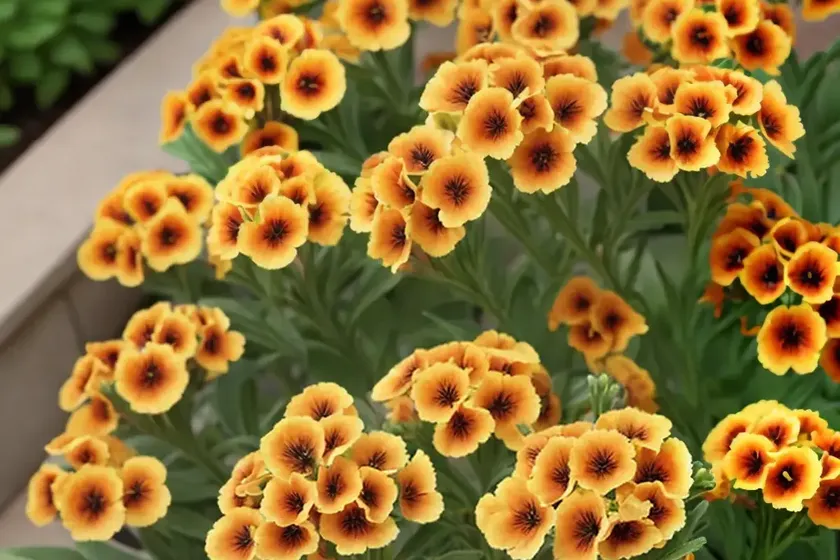
Plants are an integral part of our environment, and they contribute significantly to the beauty and diversity of nature. Erysimum ‘Apricot Twist’, commonly known as Wallflower, is a delightful addition to any garden or landscape. In this comprehensive guide, you will learn everything you need to know to successfully cultivate and enjoy this unique and charming plant.
What is Erysimum ‘Apricot Twist’ (Wallflower)?
Erysimum ‘Apricot Twist’ is a striking perennial plant that belongs to the Brassicaceae family. This delightful hybrid is renowned for its fragrant, apricot-colored flowers and its ability to thrive in various garden settings. With its compact growth habit and captivating floral display, Erysimum ‘Apricot Twist’ has become a favorite among gardening enthusiasts and landscapers.
Botanical Classification
- Family: Brassicaceae
- Genus: Erysimum
- Species: ‘Apricot Twist’
Erysimum ‘Apricot Twist’ is celebrated for its unique flower shape, distinct foliage texture, and its ability to attract pollinators, making it an excellent choice for wildlife gardens and floral arrangements.
Key Takeaways – Erysimum ‘Apricot Twist’ (Wallflower)
Let’s explore some of the key factors that contribute to the successful cultivation and appreciation of Erysimum ‘Apricot Twist’.
Cultivation
- Hardiness Zone: 5-9
- Mature Height: 14-18 inches
- Mature Spread: 12-16 inches
- Bloom Time: Spring through early summer
Flower Characteristics
- Fragrant apricot-colored flowers
- Unique flower shape
- Attracts pollinators
Foliage
- Silver-gray foliage
- Drought-tolerant
Landscape Use
- Borders
- Rock gardens
- Mixed borders
- Groundcover
Additional Attributes
- Deer-resistant
- Drought-tolerant
- Fragrant flowers
Now that we’ve gained an overview of Erysimum ‘Apricot Twist’, let’s delve into the details of its care, cultivation, and uses.
Erysimum ‘Apricot Twist’ Care
To ensure the thriving growth and prolific flowering of Erysimum ‘Apricot Twist’, it’s essential to provide optimal care and attention. Here’s a detailed breakdown of the key aspects of caring for this remarkable plant.
Water
Watering Erysimum ‘Apricot Twist’
- Initial Establishment: Keep the soil consistently moist during the first growing season to aid in the establishment of the plant’s root system.
- Established Plants: Once established, Erysimum ‘Apricot Twist’ exhibits good drought tolerance. Water the plant when the soil becomes dry, particularly during prolonged dry spells. Avoid over-watering, as excessive moisture can lead to root rot.
Sunlight
Sunlight Needs for Erysimum ‘Apricot Twist’
- Erysimum ‘Apricot Twist’ thrives in full sun to partial shade. Ensure that the plant receives at least 6 hours of direct sunlight each day for the best flowering performance.
- In regions with hot summers, providing some protection from intense afternoon sun can be beneficial.
Soil
Soil Requirements for Wallflower Apricot Twist
- Well-draining, fertile soil is crucial for the successful cultivation of Erysimum ‘Apricot Twist’.
- Loamy soil with a slightly alkaline to neutral pH is preferred. Ensure that the soil is not waterlogged, as this can lead to root rot and other issues.
Fertilizer
- Prior to planting, incorporate organic matter such as compost into the soil to enhance its fertility and structure.
- Additionally, a balanced, slow-release fertilizer can be applied in spring to support the plant’s growth and flowering. Follow the manufacturer’s recommendations for the appropriate application rate.
Pruning
Erysimum ‘Apricot Twist’ Pruning Guide
- Deadhead spent flowers regularly to promote continuous blooming and maintain the plant’s tidy appearance.
- Pruning back the plant after the initial flush of flowering can encourage a second round of blooms and help to prevent the development of a woody and leggy growth habit.
Propagation
Propagating Wallflower Apricot Twist
- Erysimum ‘Apricot Twist’ can be propagated from seed or through vegetative methods such as stem cuttings.
- Seed propagation can be carried out in late spring or early summer, while stem cuttings can be taken from healthy, non-flowering shoots and rooted in a well-draining propagation medium.
Container Gardening
Erysimum ‘Apricot Twist’ in Container Gardening
- Erysimum ‘Apricot Twist’ can thrive in containers, provided that the container has adequate drainage.
- When growing this plant in containers, ensure that the soil does not dry out completely, as containers generally require more frequent watering than plants grown in the ground.
Uses of Erysimum ‘Apricot Twist’ (Wallflower)
Erysimum ‘Apricot Twist’ offers a multitude of uses in garden and landscape settings, adding beauty, fragrance, and visual interest to various environments.
Landscape Design
Wallflower Apricot Twist Landscape Design
- Erysimum ‘Apricot Twist’ is an excellent choice for border plantings, where its compact growth habit and colorful flowers can create vibrant and eye-catching displays.
- The plant’s drought tolerance and ability to thrive in rocky or arid environments make it highly suitable for rock gardens and xeriscaping projects.
Companion Plants
Wallflower Apricot Twist Companion Plants
- When selecting companion plants for Erysimum ‘Apricot Twist’, consider flowering perennials and ornamental grasses that complement the plant’s color palette and growth habits.
- Some potential companion plants include lavender, salvia, yarrow, and ornamental grasses such as Festuca and Pennisetum.
Fragrant Flowers
- The fragrant blooms of Erysimum ‘Apricot Twist’ make it an excellent choice for including in floral arrangements, adding both visual and olfactory appeal to bouquets and displays.
Pollinator Attraction
- The vibrant flowers of Erysimum ‘Apricot Twist’ are a magnet for pollinators such as bees and butterflies, making it a valuable addition to gardens designed to support and sustain local pollinator populations.
Groundcover and Erosion Control
- In areas where erosion control is a concern, Erysimum ‘Apricot Twist’ can be used as a low-maintenance groundcover to stabilize soil and prevent erosion on gentle slopes or embankments.
Now that we’ve explored the various uses of Erysimum ‘Apricot Twist’, let’s delve into some additional considerations related to its care and cultivation.
Common Diseases and Pests
Despite its overall resilience, Erysimum ‘Apricot Twist’ can be susceptible to certain diseases and pests. Identifying and addressing these issues promptly is essential for maintaining the plant’s health and vitality.
Common Diseases
Disease Diagnosis
- Erysimum ‘Apricot Twist’ may be prone to fungal diseases such as powdery mildew and downy mildew, particularly in conditions of high humidity and poor air circulation.
- Watch for any signs of leaf spotting, powdery coatings on foliage, or wilting, and take appropriate measures to mitigate these issues.
Common Pests
- Aphids and caterpillars are among the potential pests that may affect Erysimum ‘Apricot Twist’. Regularly inspect the plants for signs of pest activity such as damaged foliage, distorted growth, or the presence of insect pests.
Disease and Pest Management
- To mitigate the risk of fungal diseases, ensure good air circulation around the plants and avoid overhead watering, which can contribute to the development and spread of fungal pathogens.
- If pest activity is observed, consider employing natural predators such as ladybugs or using targeted treatments such as horticultural oil or insecticidal soap to control pest populations.
Botanist’s Tips
As a plant scientist with a passion for Erysimum ‘Apricot Twist’ and its botanical relatives, I would like to share a few insightful tips to help you maximize the success and enjoyment of cultivating this enchanting plant.
Tip 1: Soil Preparation
- Before planting Erysimum ‘Apricot Twist’, test the soil to assess its pH and fertility levels. Amend the soil as necessary to achieve the optimal growing conditions for this plant.
Tip 2: Deadheading for Continuous Blooms
- Regular deadheading of spent flowers not only helps to maintain the plant’s visual appeal but also encourages the production of new blooms, resulting in an extended flowering period.
Tip 3: Mulching Benefits
- Applying a layer of organic mulch around the base of Erysimum ‘Apricot Twist’ can help conserve soil moisture, suppress weed growth, and insulate the roots during extreme temperatures.
Tip 4: Overwintering Care
- In regions with cold winters, provide a layer of winter mulch around the base of the plant to protect it from frost damage. Mulch can also help prevent root disturbance caused by fluctuating soil temperatures.
Tip 5: Observing Pollinator Activity
- Take time to observe the pollinators that are attracted to Erysimum ‘Apricot Twist’. Understanding the role of pollinators in the garden can foster a deeper appreciation for the ecological interactions facilitated by this plant.
These tips are designed to enhance your experience as a gardener and foster a greater understanding of the specific care requirements and growth patterns of Erysimum ‘Apricot Twist’.
Fun Facts
To further appreciate the charisma and appeal of Erysimum ‘Apricot Twist’, here are some intriguing and engaging fun facts about this delightful plant.
- Fragrance Intensity: The flowers of Erysimum ‘Apricot Twist’ emit a delightful, sweet fragrance, adding an olfactory dimension to its already captivating visual display.
- Long-Lasting Blooms: When provided with the proper care and growing conditions, Erysimum ‘Apricot Twist’ can produce an extended display of colorful blooms, offering enduring beauty throughout the spring and early summer.
- Butterfly Magnet: The vibrant flowers of Erysimum ‘Apricot Twist’ are highly attractive to butterflies, making it a valuable asset for supporting local butterfly populations in your garden or landscape.
- Historical Significance: The genus Erysimum has a rich historical and cultural significance, with various species being used in traditional herbal medicine and as decorative plants in historical gardens.
- Unique Hybrid: Erysimum ‘Apricot Twist’ represents a harmonious blend of botanical characteristics and aesthetic appeal, arising from the careful hybridization of select Erysimum species.
These fun facts offer a glimpse into the fascinating and multifaceted nature of Erysimum ‘Apricot Twist’, inviting you to discover the depth and diversity of this exceptional plant.
Links to External Resources
For further exploration of Erysimum ‘Apricot Twist’ and related botanical topics, I recommend consulting the following external resources:
- Royal Horticultural Society – Wallflowers
- American Horticultural Society – Perennial Plants
- PlantSavers – Erysimum ‘Apricot Twist’ Care Guide
These resources provide valuable insights, expert advice, and practical guidance for further enriching your knowledge and understanding of Erysimum ‘Apricot Twist’ and its horticultural significance.
In conclusion, Erysimum ‘Apricot Twist’ stands as a remarkable testament to the beauty and resilience of plant life, offering a tapestry of vibrant colors, fragrances, and ecological significance. Whether gracing a garden border, contributing to pollinator habitats, or accentuating floral displays, this captivating plant has much to offer to gardening enthusiasts and nature lovers alike.
By nurturing and appreciating the unique attributes of Erysimum ‘Apricot Twist’, we not only enrich our own horticultural experiences but also contribute to the preservation and celebration of the natural world in all its splendor.
I hope this comprehensive guide has provided you with valuable insights and inspiration for cultivating and cherishing Erysimum ‘Apricot Twist’ in your own garden or landscape. As a plant scientist, it brings me great joy to share the wonders of this delightful plant and to encourage a deeper connection with the captivating realm of botanical beauty.
Now, go forth and revel in the allure of Erysimum ‘Apricot Twist’, and may your gardening endeavors be forever enriched by the charm and vitality of this extraordinary plant.