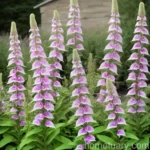
Digitalis purpurea ‘Dalmatian Purple’ (Common Foxglove): A Complete Guide
Introduction
Digitalis purpurea ‘Dalmatian Purple,’ commonly known as the Common Foxglove, is a stunning biennial or short-lived perennial plant that belongs to the Plantaginaceae family. This elegant plant is native to western and southwestern Europe and is widely admired for its tall, striking spikes of tubular flowers. In this comprehensive guide, we will explore the various aspects of this enchanting plant, including its characteristics, cultivation, uses, and maintenance.
Characteristics
Digitalis purpurea ‘Dalmatian Purple’ boasts several distinctive characteristics that make it a favorite among gardeners and plant enthusiasts. Here are some key attributes of this captivating plant:
- Plant Type: Biennial or short-lived perennial
- Mature Height: 15 inches to 3 feet
- Mature Spread: 1 to 1.5 feet
- Bloom Time: Late spring to early summer
- Flower Color: Shades of purple with white markings on the inside
- Foliage: Green, lance-shaped leaves with a slightly fuzzy texture
- Growth Habit: Upright, sturdy stems with densely packed flowers
Digitalis purpurea ‘Dalmatian Purple’ is known for its stately appearance and the abundant spires of bell-shaped flowers that adorn its tall stems. These flowers attract pollinators such as bees and hummingbirds, adding an element of wildlife interest to the garden.
Key Takeaways
Digitalis purpurea ‘Dalmatian Purple’ (Common Foxglove) is a versatile and visually striking plant that can be a valuable addition to any garden. Let’s take a closer look at the key takeaways related to this plant, covering its culture, uses, care requirements, and more.
Culture
- Hardiness Zones: Digitalis purpurea ‘Dalmatian Purple’ thrives in USDA Hardiness Zones 4 to 9.
- Planting Season: It is best to plant Common Foxglove in the early spring or late summer/fall for the following year’s bloom.
- Landscape Uses: This plant is an excellent choice for cottage gardens, woodland borders, and naturalized areas.
Uses
- Aesthetic Appeal: The tall spires of tubular flowers make Digitalis purpurea ‘Dalmatian Purple’ a visually striking addition to gardens.
- Wildlife Attraction: The flowers attract bees and hummingbirds, contributing to the overall biodiversity of the garden.
Water
- Watering Needs: Adequate moisture is essential, especially during the plant’s active growth and flowering periods.
Sunlight
- Light Requirements: Common Foxglove thrives in partial shade to full sun, but it prefers some protection from intense midday sun, particularly in warmer climates.
Fertilizer
- Fertilization: Use a balanced, all-purpose fertilizer in the spring to support healthy growth and abundant flowering.
Soil
- Soil Type: Well-draining, moderately fertile soil is ideal for Digitalis purpurea ‘Dalmatian Purple.’
Pruning
- Maintenance: Regular deadheading can promote prolonged blooming and prevent self-seeding.
Propagation
- Propagation Methods: Common Foxglove can be propagated from seeds or division.
Container Popularity
- Container Gardening: While Digitalis purpurea ‘Dalmatian Purple’ can be grown in containers, the size and depth of the container are essential considerations for its successful cultivation.
Common Diseases
- Susceptibility: Common Foxglove may be prone to certain fungal diseases, particularly when grown in excessively moist or humid conditions.
Disease Diagnosis
- Monitoring: Regularly inspect the plants for signs of leaf spot, powdery mildew, or crown rot.
Common Pests
- Pest Management: Keep an eye out for aphids, slugs, and snails, which can occasionally affect Digitalis purpurea ‘Dalmatian Purple.’
Botanist’s Tips
- Mulching: Applying a layer of organic mulch around the base of the plant can help conserve soil moisture and suppress weed growth.
- Support: Consider providing support, such as stakes or rings, for tall specimens to prevent them from bending or toppling over in windy conditions.
- Overwintering: In regions with harsh winters, apply a layer of mulch over the crown of the plant to protect it from extreme cold.
Fun Facts
- The term “digitalis” is derived from the Latin word for “finger,” referencing the tubular shape of the flowers that is perfect for fitting over a fingertip.
- In traditional medicine, Digitalis purpurea has been used for its cardiac stimulant properties, although it should be noted that the plant is highly toxic and should not be ingested.
Links to External Resources
For further information on Digitalis purpurea ‘Dalmatian Purple’ and its cultivation, please refer to the following reputable resources:
– Royal Horticultural Society – Digitalis purpurea
– Missouri Botanical Garden – Foxglove
– Fine Gardening – Digitalis purpurea ‘Dalmatian Purple’
The captivating allure of Digitalis purpurea ‘Dalmatian Purple’ makes it a sought-after plant for gardeners and landscapers alike. With its stunning visual appeal, ease of cultivation, and ecological benefits, this biennial or short-lived perennial deserves a place in diverse garden settings.
As you embark on your journey with Common Foxglove, remember to appreciate its beauty while respecting its toxic nature. By following the guidelines and best practices outlined in this comprehensive guide, you can cultivate and enjoy the enchanting presence of Digitalis purpurea ‘Dalmatian Purple’ in your own garden space. Whether it’s nestled among other perennials in a border or featured in a container display, this remarkable plant is sure to captivate and inspire admiration.