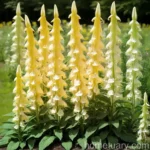
Digitalis purpurea ‘Candy Mountain’ (Common Foxglove) Plant Care Guide
Digitalis purpurea ‘Candy Mountain’, commonly known as Common Foxglove, is a stunning perennial plant that adds beauty and color to gardens and landscapes. Its showy flowers and unique foliage make it a popular choice among gardeners. In this comprehensive care guide, we will explore all aspects of growing and caring for Digitalis purpurea ‘Candy Mountain’, including its cultural requirements, maintenance, common uses, and more. Whether you are an experienced gardener or just starting, this guide will provide you with valuable insights into cultivating and enjoying this enchanting plant.
What is Digitalis purpurea ‘Candy Mountain’?
Digitalis purpurea ‘Candy Mountain’ is a cultivar of the species Digitalis purpurea, a well-known member of the Plantaginaceae family. This biennial or short-lived perennial plant is native to western Europe and is prized for its striking tubular flowers borne on tall spires. The ‘Candy Mountain’ variety is particularly admired for its unique coloration and vigor, making it a sought-after addition to gardens.
Key Takeaways – Digitalis purpurea ‘Candy Mountain’
Here are some key takeaways about Digitalis purpurea ‘Candy Mountain’:
- Common Name: Common Foxglove ‘Candy Mountain’
- Plant Type: Biennial or short-lived perennial
- Flower Color: Various shades of pink, purple, and white
- Height: 3 to 4 feet
- Bloom Time: Late spring to early summer
- Sunlight: Partial shade to full sun
- Watering: Moderate; well-drained soil
- Soil Type: Rich, acidic, well-draining
- USDA Hardiness Zones: 4-8
- Uses: Ornamental, pollinator-attracting, cut flowers
- Toxicity: All parts are toxic if ingested
Now, let’s delve into the specific cultural requirements and care tips for growing Digitalis purpurea ‘Candy Mountain’.
Culture
The culture of Digitalis purpurea ‘Candy Mountain’ encompasses various aspects such as sunlight, water, fertilizer, soil, and pruning. Understanding the plant’s cultural needs is essential for successfully cultivating it in your garden or landscape.
Uses
Before we dive into the specific care instructions for Digitalis purpurea ‘Candy Mountain’, let’s explore its common uses. Understanding how this plant can be integrated into different settings will help you make informed decisions when incorporating it into your landscape.
-
Ornamental: Common Foxglove ‘Candy Mountain’ is primarily grown for its ornamental value. Its tall, majestic spires of flowers add vertical interest to borders, woodland gardens, and cottage-style landscapes.
-
Pollinator Attraction: The tubular flowers of Digitalis purpurea ‘Candy Mountain’ are particularly attractive to bees and hummingbirds, making it a valuable addition to wildlife-friendly gardens.
-
Cut Flowers: The striking blooms of ‘Candy Mountain’ can be cut and used in floral arrangements, infusing a touch of elegance and natural beauty into indoor spaces.
Water
Proper watering is crucial for the health and vitality of Digitalis purpurea ‘Candy Mountain’. While this plant is somewhat adaptable, it thrives best when provided with consistent moisture, especially during the growing season.
-
Watering Frequency: Water the plant regularly, especially during dry spells, to keep the soil evenly moist. However, avoid waterlogging the soil, as excessive moisture can lead to root rot.
-
Deep Watering: When watering, ensure that the water penetrates the soil to reach the deeper roots, promoting a strong and resilient root system.
-
Mulching: Applying a layer of organic mulch around the base of the plant can help retain soil moisture and regulate the soil temperature, benefiting the overall health of the plant.
Sunlight
Digitalis purpurea ‘Candy Mountain’ thrives in partially shaded to full sun locations. Understanding its sunlight requirements will aid you in selecting the ideal planting site and optimizing its growth and flowering potential.
-
Partial Shade: In regions with hot summers, providing the plant with partial shade during the hottest part of the day can prevent stress and help maintain vibrant, healthy foliage.
-
Full Sun: In cooler climates, ‘Candy Mountain’ can withstand full sun conditions, resulting in robust growth and prolific flowering.
-
Dappled Shade: If growing in a woodland garden or beneath high-canopy trees, ensure the plant receives dappled sunlight throughout the day for optimal performance.
Fertilizer
Fertilizing Digitalis purpurea ‘Candy Mountain’ can support its growth and flowering, provided it is done sparingly and at the right times. Using the appropriate fertilizer and application method is essential for preventing nutrient imbalances and potential damage to the plant.
-
Timing: Apply a balanced, slow-release fertilizer in early spring before new growth emerges to provide the plant with essential nutrients for the upcoming growing season.
-
Avoid Over-fertilizing: Refrain from overuse of high-nitrogen fertilizers, as this can lead to excessive foliage growth at the expense of flowers and might make the plant more susceptible to certain diseases and pests.
-
Organic Options: Consider using organic fertilizers, such as compost or well-aged manure, to nourish the soil and promote long-term soil health.
Soil
Digitalis purpurea ‘Candy Mountain’ thrives in well-drained, acidic soil with ample organic matter. Understanding the soil preferences of this plant is crucial for establishing an environment that promotes healthy growth and flowering.
-
Acidic Soil: Aim for a soil pH ranging from 5.5 to 6.5 to create an optimal growing medium for ‘Candy Mountain’. Acidic soil aids in nutrient uptake and supports the plant’s overall vigor.
-
Well-draining Soil: Ensure the soil has good drainage to prevent waterlogging, especially during periods of heavy rainfall or irrigation.
-
Organic Matter: Amending the soil with organic matter, such as compost or leaf mold, can improve its structure, fertility, and moisture-retention capacity.
Pruning
Proper pruning is beneficial for maintaining the health and appearance of Digitalis purpurea ‘Candy Mountain’. Understanding the timing and technique for pruning this plant will help you achieve desirable results and prolong its longevity in the garden.
-
Deadheading: Remove spent flower spikes to encourage continuous blooming and prevent self-seeding in the garden, which can lead to an overabundance of seedlings in subsequent years.
-
Cutting Back: After the flowering season, consider cutting back the plant’s foliage to the base to promote rejuvenated growth and a tidier appearance.
-
Winter Cleanup: In late fall or early spring, remove any dead or decaying foliage from around the base of the plant to minimize overwintering pests and diseases.
Propagation
Propagating Digitalis purpurea ‘Candy Mountain’ allows you to create new plants and expand your garden or share this beautiful specimen with others. Understanding the various propagation methods and the best time to propagate will equip you with the knowledge needed to successfully reproduce this plant.
From Seeds
Growing ‘Candy Mountain’ from seeds is an inexpensive and rewarding way to propagate this plant. With the right approach, you can achieve high germination rates and raise healthy seedlings for transplanting.
-
Seed Collection: Collect seeds from mature seed pods once they have dried and turned brown. Carefully extract the tiny seeds and store them in a cool, dry place until the following spring.
-
Sowing Time: Start the seeds indoors in late winter to early spring, providing them with warmth, light, and moisture to initiate germination.
-
Transplanting Seedlings: Once the seedlings have developed several sets of true leaves and the danger of frost has passed, transplant them into individual containers or directly into the garden.
Division
Dividing mature clumps of Digitalis purpurea ‘Candy Mountain’ can rejuvenate the plant and create new, vigorous individuals. This propagation method is best carried out during the plant’s dormant phase or early in the growing season.
-
Dormant Division: In late winter or early spring, when the plant is still dormant, carefully lift the entire clump and use a sharp knife or spade to divide it into smaller sections, ensuring each division has viable roots and healthy growth points.
-
Replanting Divisions: Transplant the divided sections into prepared soil, water them well, and provide proper care to encourage their establishment and subsequent growth.
Cuttings
Propagating ‘Candy Mountain’ from stem cuttings is a reliable method for creating genetically identical offspring. With appropriate care and favorable conditions, cuttings can develop into vigorous plants.
-
Stem Selection: Choose healthy, non-flowering stems for cuttings, ensuring they are free from disease or pests.
-
Rooting Hormone: Dip the lower end of the cutting in a rooting hormone to stimulate the development of roots, and then insert it into a well-draining propagation medium.
-
Optimal Environment: Provide the cuttings with warmth, humidity, and indirect light to facilitate the formation of roots. Once the cuttings have rooted, they can be potted up individually or transplanted into the garden.
Container Popularity
Digitalis purpurea ‘Candy Mountain’ is well-suited for cultivation in containers, making it an attractive option for gardeners with limited space or those seeking to create portable displays of its exquisite flowers and foliage.
-
Size Requirements: Use a container with sufficient depth and width to accommodate the plant’s mature size, allowing ample room for root development and stability.
-
Drainage: Ensure the container has adequate drainage holes to prevent waterlogging and maintain optimal soil moisture levels.
-
Soil Medium: Use a well-draining potting mix enriched with organic matter to provide the plant with essential nutrients and promote healthy growth.
-
Location: Position the container in a spot that receives partial shade to full sun, depending on the prevailing climate and the plant’s specific sunlight preferences.
-
Maintenance: Regularly monitor the moisture levels in the container, water as needed, and provide appropriate care to sustain the plant’s well-being.
Common Diseases
Digitalis purpurea ‘Candy Mountain’, like many plants, is susceptible to certain diseases that can affect its overall health and appearance. Familiarizing yourself with these potential issues will enable you to identify symptoms early and take appropriate measures to mitigate their impact.
Disease Diagnosis
-
Powdery Mildew: Recognized by the presence of powdery white spots on the leaves, this fungal disease can weaken the plant and inhibit its growth. Improving air circulation, avoiding overhead watering, and removing affected foliage can help manage powdery mildew.
-
Leaf Spot: Characterized by the appearance of dark, water-soaked spots on the leaves, leaf spot diseases can cause premature leaf drop and defoliation. Practicing good sanitation, such as removing and disposing of affected leaves, and applying preventive fungicidal sprays can help control leaf spot diseases.
-
Crown Rot: Excessive soil moisture and poor drainage can lead to crown rot, which manifests as soft, decaying tissue at the base of the plant. To prevent crown rot, ensure proper soil drainage and avoid overwatering, especially during periods of low temperatures.
Common Pests
In addition to diseases, Digitalis purpurea ‘Candy Mountain’ may be susceptible to certain pests that can compromise its health and vigor. Identifying and addressing pest infestations in a timely manner is essential for protecting the plant and promoting its overall well-being.
-
Aphids: These small, soft-bodied insects can colonize the tender growth tips of ‘Candy Mountain’ and distort the leaves, leading to stunted growth. Utilize natural predators, such as ladybugs, or apply insecticidal soap to control aphid populations.
-
Slugs and Snails: These voracious pests can feed on the foliage and flowers of Digitalis purpurea ‘Candy Mountain’, resulting in unsightly damage. Employ physical barriers, such as copper tape or diatomaceous earth, or use pet-safe slug and snail baits to deter and control these pests.
-
Spider Mites: Extensively feeding on the undersides of leaves, spider mites can cause stippling and discoloration, weakening the plant over time. Keep the foliage clean and dry, and consider using horticultural oil or insecticidal soap to manage spider mite infestations.
Botanist’s Tips
As a botanist, I have observed and studied Digitalis purpurea ‘Candy Mountain’ in diverse settings, gaining insights into its behavior, growth patterns, and adaptability. Here are some tips based on my observations and experience that can enhance your success in growing and caring for this captivating plant.
-
Mulch Moderately: Apply a layer of mulch around the base of ‘Candy Mountain’ to conserve soil moisture and suppress weed growth, but ensure the mulch is not piled against the plant’s stem to avoid potential issues with rot and pests.
-
Interplant with Complementary Species: Pair ‘Candy Mountain’ with other shade-loving perennials and woodland plants to create visually appealing combinations and encourage biodiversity in the garden.
-
Monitor for Self-seeding: Keep an eye on areas where Digitalis purpurea ‘Candy Mountain’ is growing, as it has a tendency to self-seed prolifically. Removing excess seedlings can prevent overcrowding and competition for resources.
-
Inspect Regularly for Pests and Diseases: Conduct routine inspections of the foliage, stems, and soil around ‘Candy Mountain’ to promptly detect any signs of pest infestations or disease development, allowing for targeted interventions.
Fun Facts
Understanding the intriguing and distinctive aspects of Digitalis purpurea ‘Candy Mountain’ can deepen your appreciation for this enchanting plant. Here are some fun and fascinating facts about this captivating species:
-
Historical Medicinal Use: Digitalis purpurea has a storied history of medicinal use, particularly in the treatment of heart conditions. The plant’s leaves contain potent compounds known as cardiac glycosides, which have been utilized in traditional medicine.
-
Biennial Life Cycle: Digitalis purpurea ‘Candy Mountain’ follows a biennial life cycle, producing foliage in the first year and flowering in the second. After flowering and setting seeds, the plant typically dies back, but it may self-sow and produce new plants in subsequent years.
-
Wildlife Attraction: The tubular flowers of ‘Candy Mountain’ attract various pollinators, including bees and hummingbirds, enhancing the ecological value of gardens where the plant is grown.
-
Iconic Garden Subject: With its elegant spires of blooms and elegantly lobed foliage, Digitalis purpurea ‘Candy Mountain’ has long been a beloved feature of cottage, woodland, and naturalistic garden designs.
Now that we have explored the various aspects of Digitalis purpurea ‘Candy Mountain’, from its cultural requirements and everyday care to its uses and fascinating characteristics, you are equipped with the knowledge to cultivate and enjoy this captivating plant with confidence.
For further information, detailed instructions, and valuable insights into the care of Digitalis purpurea ‘Candy Mountain’, consider exploring the following external resources:
- Royal Horticultural Society (RHS) – Digitalis purpurea
- Missouri Botanical Garden – Foxglove
- American Society for the Prevention of Cruelty to Animals (ASPCA) – Toxic and Non-Toxic Plants: Foxglove
- United States Department of Agriculture (USDA) – Plants Database: Digitalis purpurea
Armed with this wealth of information, you can embark on a rewarding journey of cultivating and appreciating the beauty of Digitalis purpurea ‘Candy Mountain’ in your garden or landscape, and continue to expand your knowledge and expertise in the realm of plant care and horticulture.