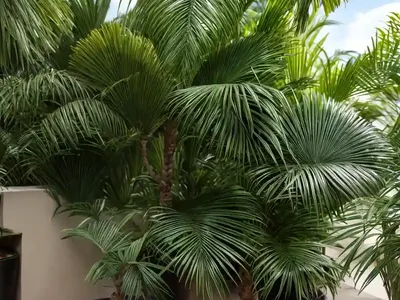
Serenoa Repens (Saw Palmetto)
Serenoa repens, commonly known as Saw Palmetto, is a fascinating plant with diverse uses and benefits. From its cultural significance to its herbal.
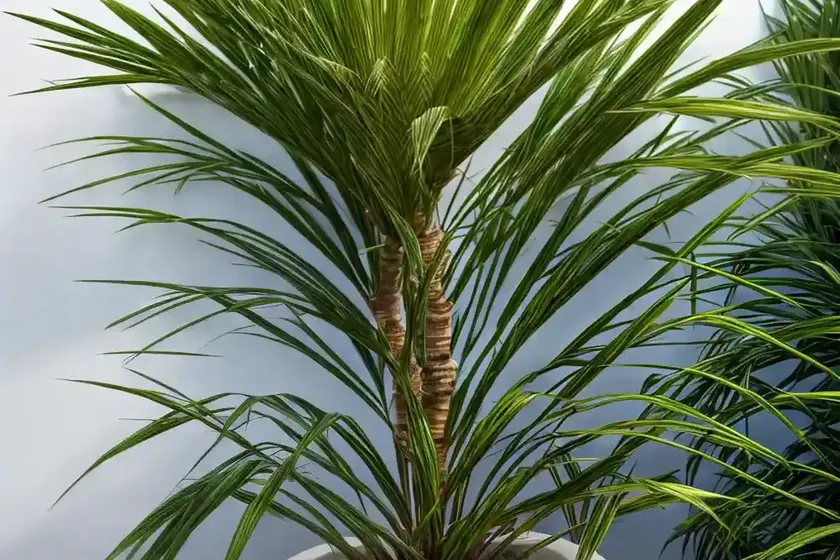
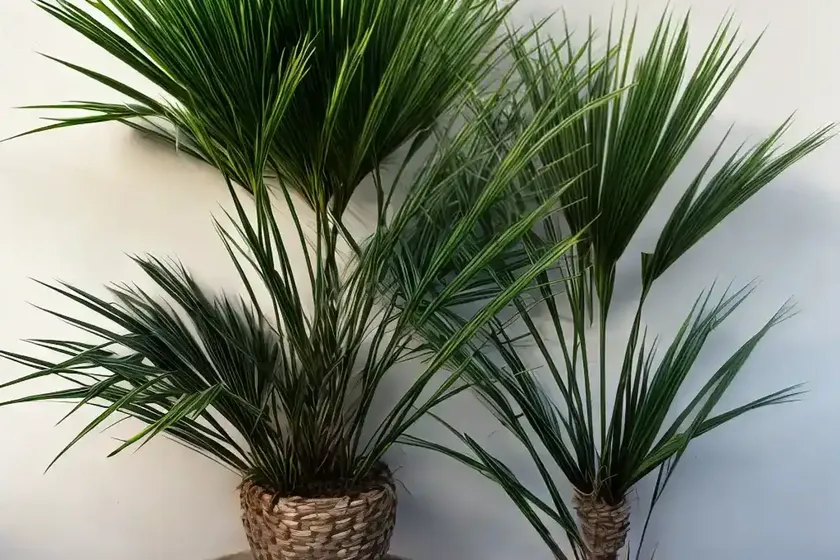
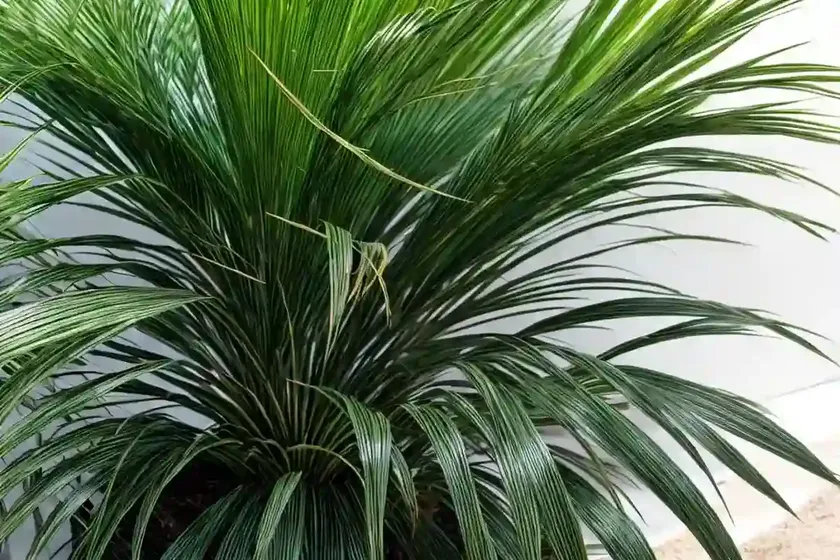
Serenoa repens, commonly known as Saw Palmetto, is a fascinating plant with diverse uses and benefits. From its cultural significance to its herbal properties for promoting human health, Serenoa repens has intrigued botanists, herbalists, and health professionals alike. In this comprehensive guide, we will explore the multifaceted aspects of Serenoa repens, including its cultural significance, growth requirements, medicinal uses, and its role in promoting human health. We will delve into the plant’s care, its uses, and the botanist’s tips for growing and utilizing this remarkable plant. Let’s embark on an exciting journey to uncover the secrets of Serenoa repens – the Saw Palmetto plant.
What is Serenoa repens (Saw Palmetto)?
Serenoa repens is a small palm species native to the southeastern United States, particularly prominent in the sandy coastal plains of Florida. The plant is characterized by its fan-shaped leaves and dark, berry-like fruits, which have been historically employed in traditional herbal medicine. The plant has been revered for its cultural and medicinal importance, and it continues to captivate the interests of researchers and health enthusiasts worldwide.
With a rich history dating back centuries, Serenoa repens has been utilized by indigenous communities for various medicinal purposes. Its berries, in particular, have been a focal point of traditional medicine due to their potential health benefits. The plant’s versatility in promoting human health, especially in the context of hormone regulation and prostate health, has garnered significant attention.
In the subsequent sections, we will uncover the cultural significance, growth requirements, and health-related uses of Serenoa repens, shedding light on its relevance from both botanical and medicinal perspectives.
Key Takeaways – Serenoa repens (Saw Palmetto)
Before delving into the intricacies of growing and caring for Serenoa repens, let’s take a quick look at some key takeaways about this remarkable plant.
Serenoa repens Benefits
- Known for its potential benefits in promoting prostate health.
- May aid in hormone regulation and balance.
- Historical use in traditional herbal medicine for various health concerns.
Saw Palmetto Uses
- Widely used in herbal preparations for addressing prostate issues.
- Featured in natural remedies for hair loss and hormonal imbalances.
- Utilized in supplements for its potential health benefits.
Serenoa repens Facts
- Native to the southeastern United States, particularly Florida.
- Berries of the plant have been historically used in traditional medicine.
- Notable for its cultural and medicinal significance.
Saw Palmetto for Hair Loss
- Gaining attention for its potential role in preventing hair loss.
- Included in hair care products and supplements for its purported benefits.
Serenoa repens Extract
- Extracts from the plant are utilized in various health supplements.
- Recognized for its potential medicinal properties.
Saw Palmetto Oil
- Extracted oil is used in health and wellness products.
- Associated with potential health benefits for specific conditions.
Serenoa repens Supplements
- Saw Palmetto supplements are popular in the health and wellness industry.
- Marketed for their potential benefits in promoting men’s health.
Saw Palmetto Dosage
- Recommended dosages vary depending on the intended use.
- Important to consult a healthcare professional before initiating a new supplement.
Culture
Understanding the cultural significance of Serenoa repens provides valuable insights into the reverence and symbolism associated with this remarkable plant. From indigenous practices to contemporary applications, the cultural aspects of Saw Palmetto unveil its rich heritage and significance.
Historical Significance
Serenoa repens holds a prominent place in the historical practices of Native American tribes, particularly the Seminole and Miccosukee communities in Florida. The plant was utilized for various purposes, ranging from construction material for shelter to its potent medicinal properties. The berries of Serenoa repens were particularly esteemed for their therapeutic potential, and they were often used to address urinary and reproductive health concerns.
In addition to its medicinal uses, Serenoa repens played a crucial role in the material culture of indigenous communities. The durable and flexible nature of the plant’s leaves made them ideal for weaving baskets, mats, and even thatched roofs. This multifaceted utility of the plant underscores its cultural significance and demonstrates its deep integration into the daily lives of indigenous groups.
Modern Applications
In contemporary society, Serenoa repens continues to be revered for its cultural and medicinal relevance. It is widely recognized in the herbal and health industries for its potential benefits in promoting prostate health and addressing hair loss concerns. The plant’s cultural legacy has transcended generations, and its contemporary applications highlight the enduring significance of Saw Palmetto in today’s world.
Uses
The uses of Serenoa repens are diverse, spanning from traditional herbal medicine to modern health and wellness practices. Understanding the versatile applications of the plant allows us to appreciate its significance in various contexts. Let’s explore the primary uses of Saw Palmetto and its derivatives.
Medicinal Uses
Prostate Health: One of the most well-known uses of Serenoa repens is in promoting prostate health. The plant’s berries contain compounds that are believed to support prostate function and alleviate related discomfort. As a result, Saw Palmetto has become a popular ingredient in supplements and herbal remedies targeting prostate health.
Hair Care: Saw Palmetto has gained attention for its potential role in addressing hair loss concerns. Studies suggest that certain components in Saw Palmetto may help inhibit the enzyme 5-alpha-reductase, which is associated with hair loss. Consequently, the plant is incorporated into hair care products and supplements for its purported benefits in maintaining healthy hair.
Traditional Herbal Medicine
The berries of Serenoa repens have been an integral component of traditional herbal medicine for centuries. Indigenous communities in the southeastern United States utilized the plant to address a range of health concerns, including urinary symptoms and reproductive health issues. The rich history of Saw Palmetto as a medicinal plant underscores its enduring significance in traditional herbal practices.
Health Supplements
Due to its perceived health benefits, Serenoa repens is frequently included in health supplements targeting men’s health and overall well-being. The plant’s extracts are utilized for their potential to support prostate function and hormone regulation. Additionally, Saw Palmetto supplements are marketed as natural alternatives for addressing specific health concerns.
Water
Appropriate watering is crucial for the successful growth and maintenance of Serenoa repens. While the plant is adaptable to varying soil moisture levels, maintaining a consistent watering regimen is essential, especially during the establishment phase and periods of drought. Let’s delve into the water requirements for Saw Palmetto and the best practices for ensuring optimal hydration.
Watering Guidelines
Establishing Young Plants
- Regular Watering: During the initial growth phase, young Serenoa repens plants require regular watering to facilitate root development and establishment.
- Moist, Not Soggy: Ensure that the soil is consistently moist but not waterlogged to prevent root rot and other water-related issues.
Mature Plants
- Moderate Watering: Established Saw Palmetto plants generally tolerate periods of moderate drought. However, it is recommended to provide supplemental watering during extended dry spells to maintain the plant’s vigor.
- Deep Watering: When watering mature Serenoa repens plants, aim for deep watering to encourage the development of a robust root system.
Seasonal Considerations
- Summer Watering: Increased watering may be necessary during hot summer months to offset moisture loss due to evaporation.
- Winter Watering: While Serenoa repens is relatively drought-tolerant, occasional watering during dry winter periods can prevent desiccation.
Watering Techniques
Irrigation
- Drip Irrigation: For efficient and targeted watering, consider employing drip irrigation systems, especially for larger plantings of Serenoa repens.
- Soaker Hoses: These can be utilized to deliver slow, consistent moisture to the plant’s root zone, promoting efficient water absorption.
Observation
- Soil Moisture: Regularly monitor the soil moisture level to ensure that it remains within the appropriate range for Serenoa repens.
- Leaf Wilting: While Saw Palmetto is resilient to drought, leaf wilting may indicate prolonged water deficiency and should be addressed promptly.
Sunlight
Proper sunlight exposure is pivotal in fostering the healthy growth and development of Serenoa repens. As a plant native to the sunny landscapes of the southeastern United States, Saw Palmetto thrives in ample sunlight. Understanding the sunlight requirements and optimal exposure for this plant is essential for cultivating thriving specimens. Let’s explore the sunlight needs of Serenoa repens and strategies for providing ideal light conditions.
Sunlight Requirements
- Full Sun: Serenoa repens typically flourishes in full sun, necessitating at least 6-8 hours of direct sunlight daily for robust growth.
- Partial Shade: While Saw Palmetto can tolerate partial shade, particularly in hotter climates, it generally performs best with ample sunlight exposure.
Sunlight Strategies
Site Selection
- Optimal Location: When planting Serenoa repens, choose a site that receives abundant sunlight throughout the day, preferably with minimal shading from surrounding structures or trees.
- Southern Exposure: South-facing locations are favorable for maximizing sunlight exposure, especially in regions with distinct seasonal variations.
Sunlight Management
- Pruning: Prune surrounding vegetation or structures that could cast excessive shade on Serenoa repens, ensuring that the plant receives adequate sunlight.
- Sunlight Redistribution: In regions with intense summer heat, consider positioning young plants where they can benefit from filtered afternoon shade to mitigate stress.
Sunlight Observations
- Leaf Coloration: Monitor the color and vitality of Saw Palmetto leaves, as excessively pale or yellowing foliage may indicate insufficient sunlight and necessitate relocation.
- Sunburn Prevention: During periods of extreme heat, provide temporary shade or light filtering to shield the plant from potential sunburn.
Fertilizer
Supplemental fertilization can bolster the vigor and resilience of Serenoa repens, contributing to optimal growth and foliar health. However, it is essential to apply fertilizers judiciously and consider the specific nutrient requirements of Saw Palmetto to avoid over-fertilization. Let’s delve into the fertilizer considerations for Serenoa repens and explore best practices for enhancing the plant’s nutritional status.
Fertilizer Types
- Balanced Fertilizers: Utilize slow-release, balanced fertilizers with an N-P-K ratio tailored to the nutritional needs of Serenoa repens, such as 8-8-8 or 10-10-10 formulations.
- Organic Amendments: Incorporate organic fertilizers, such as compost and well-decomposed manure, to enrich the soil and provide sustained nutrient availability.
Fertilizer Application
Initial Feeding
- Establishment Phase: Apply a light, balanced fertilizer at planting to support the initial growth and development of young Serenoa repens plants.
- Root Zone Application: Distribute the fertilizer evenly within the plant’s root zone to facilitate efficient nutrient uptake.
Ongoing Maintenance
- Seasonal Feeding: Administer fertilizers during the growing season, focusing on periods of active growth to sustain the plant’s vitality.
- Avoid Excesses: Refrain from over-fertilization, as excessive nutrient levels can prove detrimental to the health of Serenoa repens.
Nutrient Considerations
- Nitrogen: Saw Palmetto generally benefits from a moderate nitrogen supply to support robust foliage and overall growth.
- Phosphorus: Adequate phosphorus aids in root development and flowering, contributing to the plant’s overall resilience.
- Potassium: Potassium promotes stress tolerance and enhances Saw Palmetto’s ability to withstand environmental pressures.
Observation and Adjustment
- Foliage Response: Monitor the plant’s foliage for signs of nutrient deficiencies or excesses, adjust fertilization regimes accordingly based on observed symptoms.
- Soil Testing: Conduct periodic soil tests to assess the nutrient status and pH levels, guiding informed fertilizer applications tailored to Serenoa repens’ specific needs.
Soil
The soil composition and quality directly influence the growth and well-being of Serenoa repens. Understanding the ideal soil conditions for this plant is essential in establishing thriving specimens and promoting its long-term health. Let’s explore the soil requirements for Saw Palmetto and the best practices for ensuring suitable soil conditions.
Soil Composition
- Well-Draining: Saw Palmetto thrives in well-draining soils that prevent waterlogging and promote healthy root development.
- Sandy Loam: The plant exhibits a preference for sandy loam soils, characteristic of its native habitat in the coastal plains of Florida.
Soil Amendment
- Organic Matter: Incorporate organic amendments, such as compost or peat moss, to enhance soil structure and fertility, especially in compacted or nutrient-deficient soils.
- Permeability Improvement: For clay-rich soils, amending with sand or perlite can improve drainage and prevent water accumulation around the plant’s root zone.
pH Considerations
- Acidic Soil: Serenoa repens tolerates slightly acidic to neutral soil pH, typically thriving in the range of 5.0 to 6.5.
- Soil Testing: Conduct soil pH tests to ascertain the acidity levels and adjust as necessary to create an optimal growing environment for Saw Palmetto.
Mulching Benefits
- Moisture Retention: Apply a layer of organic mulch around the base of Serenoa repens to conserve soil moisture and mitigate fluctuations in moisture levels.
- Insulation: Mulching provides thermal insulation, protecting the plant’s root system from temperature extremes and fostering consistent growth.
Pruning
Pruning plays a vital role in maintaining the aesthetics and health of Serenoa repens, allowing for effective management of the plant’s growth and form. Proper pruning practices contribute to the rejuvenation and vigor of Saw Palmetto, ensuring its long-term vitality. Let’s delve into the essential principles of pruning Serenoa repens and explore the techniques for optimal maintenance.
Pruning Objectives
- Dead Frond Removal: Eliminate brown or desiccated fronds to enhance the plant’s visual appeal and prevent potential pest or disease infestations.
- Shape Management: Prune to maintain a desirable palm form and silhouette, promoting a balanced and attractive appearance in the landscape.
Pruning Techniques
Frond Removal
- Clean Cuts: Use sharp and clean pruning tools to make precise cuts, minimizing the risk of damage or tearing to the plant’s fronds.
- Proper Disposal: Dispose of pruned fronds appropriately, either by mulching or incorporating them into compost to avoid potential pest harborage.
Inflorescence Trimming
- Spent Bloom Removal: Trim off spent inflorescences to redirect the plant’s energy towards vegetative growth and encourage the production of new fronds.
- Aesthetic Improvement: Pruning inflorescences contributes to a tidy appearance and prevents the plant from allocating resources to declining flower structures.
Pruning Frequency
- Regular Maintenance: Perform routine frond inspections and pruning as needed to keep the plant free of unsightly or damaged foliage.
- Seasonal Timing: Conduct major pruning and shaping during late winter or early spring to coincide with the plant’s nominal growth period.
Safety Precautions
- Protective Gear: When engaging in saw palmetto pruning, utilize appropriate protective gear, including gloves and eye protection, to prevent injury from thorns or sharp frond edges.
- Tool Maintenance: Keep pruning equipment sharp and well-maintained to facilitate clean and efficient cuts while minimizing plant stress.
Propagation
The propagation of Serenoa repens enables plant enthusiasts and horticulturists to expand their collection and foster the perpetuation of this esteemed species. Understanding the various propagation methods for Saw Palmetto is essential for cultivating new plants and perpetuating its presence in diverse settings. Let’s explore the propagation techniques for Serenoa repens and the strategies for successful plant multiplication.
Seed Propagation
- Seed Collection: Harvest ripe berries from mature Serenoa repens plants and extract the seeds for propagation.
- Seed Preparation: Clean and rinse the seeds thoroughly, removing any residual pulp or fruit flesh before sowing.
Seed Sowing
- Seed Trays: Sow the cleaned seeds in well-draining seed-starting trays or containers filled with a suitable potting mix.
- Moisture Control: Maintain consistent moisture levels during the germination period, ensuring that the seeds remain adequately hydrated.
Germination Conditions
- Warmth and Light: Provide warmth and ample indirect light to promote seed germination, mimicking the natural conditions conducive to Saw Palmetto seedling establishment.
- Germination Period: The germination process for Serenoa repens seeds can span several weeks to months, requiring patience and attentive care.
Division Propagation
- Established Plants: Divide mature Serenoa repens clusters during the dormant season, separating the offshoots or rhizomatous growths to create new individual plants.
- Rootball Division: Carefully divide the rootball, ensuring that each divided section possesses adequate roots and foliage for successful transplantation.
Propagation Considerations
- Temperature Regulation: Provide warmth and consistently moderate temperatures to facilitate successful seed germination and division establishment for Saw Palmetto.
- Patience and Persistence: Propagation processes for Serenoa repens may require considerable time and attention, emphasizing the importance of persistent care.
Container Popularity
The versatility and adaptability of Serenoa repens make it a popular choice for container cultivation, allowing plant enthusiasts to enjoy the beauty and benefits of Saw Palmetto in diverse settings. Container-grown specimens of Saw Palmetto offer the flexibility to adorn outdoor spaces and indoor environments, contributing to their widespread popularity among gardeners and landscaping aficionados. Let’s delve into the appeal and strategies associated with growing Serenoa repens in containers.
Decorative Appeal
- Architectural Aesthetics: The distinct form and foliage of Serenoa repens manifest gracefully in containers, enhancing the visual appeal of patios, decks, and garden spaces.
- Adaptable Ornamentation: Saw Palmetto containers serve as versatile decorative elements, effortlessly complementing various design themes and landscaping styles.
Space Utilization
- Limited Spaces: Container cultivation of Saw Palmetto enables individuals with confined outdoor areas or urban settings to incorporate the plant into their living spaces, optimizing spatial utilization.
- Interior Décor: Indoors, Serenoa repens containers contribute to interior décor, lending a touch of natural elegance and greenery to residential and commercial environments.
Container Selection
- Size Considerations: Choose containers of appropriate size to accommodate the mature growth of Serenoa repens, allowing sufficient space for root development and stability.
- Drainage Provision: Ensure that the containers possess adequate drainage holes to prevent water accumulation and maintain optimal soil moisture levels.
Maintenance Practices
- Watering Regimen: Monitor and regulate the watering regimen for container-grown Saw Palmetto, adjusting the frequency based on seasonal variations and environmental conditions.
- Fertilization Management: Apply balanced liquid fertilizers judiciously to provide essential nutrients for Serenoa repens, sustaining its vitality in the confined container environment.
Common Diseases
Like all plants, Serenoa repens is susceptible to certain diseases and ailments that can