Cotinus Obovatus (American Smoke Tree)
Plants are vital to our survival. They provide us with oxygen, food, and play a crucial role in the ecosystem. One particularly fascinating plant is.



Introduction
Plants are vital to our survival. They provide us with oxygen, food, and play a crucial role in the ecosystem. One particularly fascinating plant is Cotinus obovatus, commonly known as the American Smoke Tree. This captivating plant offers not only ornamental value but also serves various ecological functions. In this comprehensive guide, we will explore the characteristics of Cotinus obovatus, its cultural uses, and tips for its care and maintenance.
What is Cotinus obovatus (American Smoke Tree)?
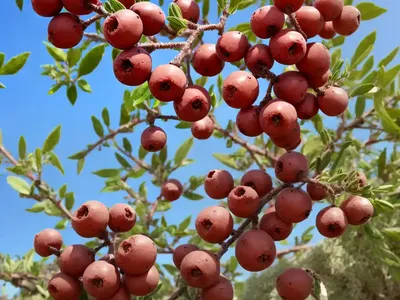
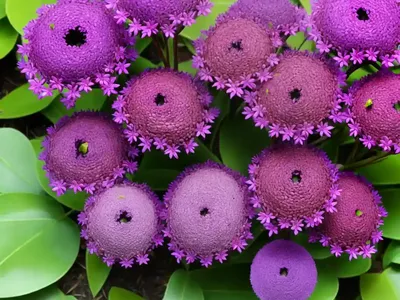
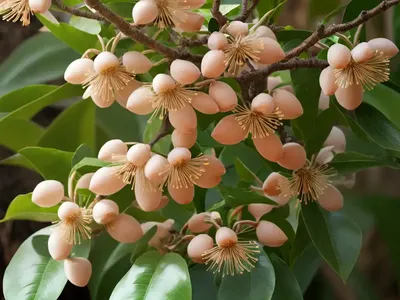
Cotinus obovatus is a deciduous shrub or small tree native to North America. It belongs to the family Anacardiaceae and is known for its unique, billowy inflorescences that resemble puffs of smoke, hence the name “Smoke Tree.”
Key Takeaways – Cotinus obovatus (American Smoke Tree)
As we delve into the world of Cotinus obovatus, we will explore the following key aspects:
– Culture
– Uses
– Water
– Sunlight
– Fertilizer
– Soil
– Pruning
– Propagation
– Container Popularity
– Common Diseases
– Disease Diagnosis
– Common Pests
– Botanist’s Tips
– Fun Facts
– Links to External Resources
Let’s embark on a journey to uncover the beauty and intricacies of the American Smoke Tree.
Culture of Cotinus obovatus
Understanding the cultural requirements of Cotinus obovatus is essential for successfully growing and maintaining this plant.
Water
Cotinus obovatus exhibits moderate water needs. It thrives in well-drained soils and has good tolerance to dry conditions once established. However, it’s crucial to provide regular watering, especially during the establishment phase and extended dry periods.
Sunlight
This species appreciates full sun to partial shade, making it adaptable to various light conditions. However, to encourage optimal flowering and foliage color, providing ample sunlight is recommended.
Fertilizer
When it comes to fertilization, Cotinus obovatus typically requires minimal intervention. A balanced, slow-release fertilizer applied in early spring can support healthy growth. Over-fertilization should be avoided, as it may negatively impact the plant.
Soil
The American Smoke Tree is adaptable to different soil types, including loamy, sandy, or clay soils, as long as they are well-drained. Maintaining proper soil moisture and structure is essential for the health and vigor of the plant.
Uses of Cotinus obovatus
The versatile nature of Cotinus obovatus makes it suitable for various landscape and garden applications.
- Ornamental Planting: The distinctive foliage and unique flowers make Cotinus obovatus an excellent choice for ornamental planting in gardens and landscapes.
- Wildlife Habitat: The plant provides habitat and food for various wildlife species such as birds and insects, contributing to the overall biodiversity of an area.
- Erosion Control: Its deep root system and tolerance to dry conditions make it useful for controlling erosion on slopes and embankments.
Pruning and Propagation
Pruning and propagation are essential aspects of maintaining and expanding Cotinus obovatus in gardens and landscapes.
Pruning
Proper pruning of Cotinus obovatus can help maintain its shape and encourage healthy growth. The best time to prune this plant is during late winter or early spring before new growth emerges.
Propagation
Propagation of Cotinus obovatus can be achieved through various methods, including seed propagation and softwood cuttings. Each method comes with its own set of requirements and challenges, but with the right approach, successful propagation is possible.
Container Popularity
Due to its manageable size and ornamental value, Cotinus obovatus is well-suited to container gardening. This allows enthusiasts to enjoy the beauty of the plant in a more confined space, such as patios or balconies.
Common Diseases and Pests
Like any other plant, Cotinus obovatus is susceptible to certain diseases and pests. Understanding these potential issues is crucial for effective management and maintenance.
Common Diseases
Diseases such as powdery mildew can affect the foliage of Cotinus obovatus, particularly in humid conditions. Monitoring the plant for signs of disease and taking appropriate preventive measures can help mitigate these issues.
Common Pests
Scale insects and caterpillars are among the pests that may target *Cotinus obovatus’. Regular inspection and prompt action can help control pest infestations and minimize potential damage to the plant.
Botanist’s Tips for Growing and Caring for Cotinus obovatus
As a plant scientist, I would like to share some valuable tips for growing and caring for Cotinus obovatus based on my expertise and research:
- Ensure Good Drainage: Plant Cotinus obovatus in well-drained soil to prevent waterlogging, which can be detrimental to the plant’s health.
- Monitor Moisture Levels: Regularly check soil moisture to ensure it remains within the optimal range for Cotinus obovatus. Avoid prolonged periods of drought or waterlogging.
- Prune Mindfully: When pruning, focus on removing dead or damaged wood, and maintain the plant’s natural shape.
- Watch for Pests and Diseases: Regularly inspect the plant for signs of pests or diseases and take appropriate action if any issues are identified.
Fun Facts about Cotinus obovatus
Here are some intriguing and lesser-known facts about Cotinus obovatus:
– The unique, billowy inflorescences of Cotinus obovatus not only resemble puffs of smoke but also create a captivating visual display in the landscape.
– The plant’s foliage transitions through a range of stunning colors, including vibrant reds, oranges, and yellows, during the fall season.
– Cotinus obovatus has been used historically for various purposes, including traditional medicine and dye production.
Links to External Resources
To further enrich your understanding of Cotinus obovatus and its cultivation, the following external resources provide valuable insights and information:
– The American Horticultural Society
– Missouri Botanical Garden
– Royal Horticultural Society
– Botanical Society of America
In conclusion, Cotinus obovatus is a captivating plant with unique characteristics and valuable ecological contributions. Its ornamental value, adaptability, and cultural significance make it a notable addition to diverse landscapes and gardens. By understanding and implementing the appropriate cultural practices, we can cherish and celebrate the beauty of the American Smoke Tree for generations to come.
As you explore the world of Cotinus obovatus, may you find joy and inspiration in the intricate wonders of this remarkable plant.
Plant Name: Cotinus obovatus (American Smoke Tree)