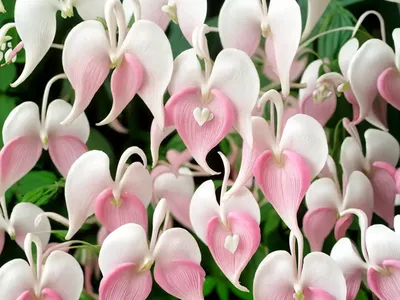
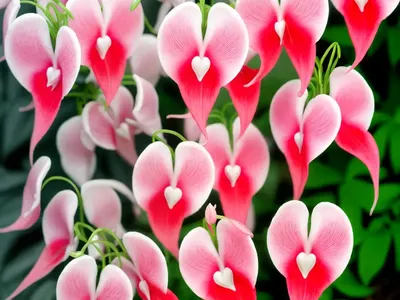
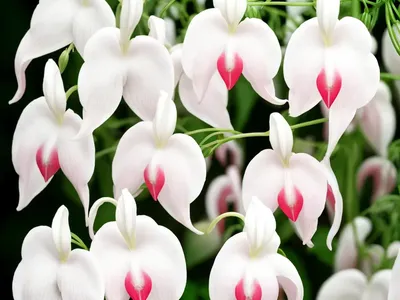
Dicentra Spectabilis (Bleeding Heart)
Dicentra spectabilis, commonly known as Bleeding Heart, is a flowering plant belonging to the Papaveraceae family. This herbaceous perennial is native to.
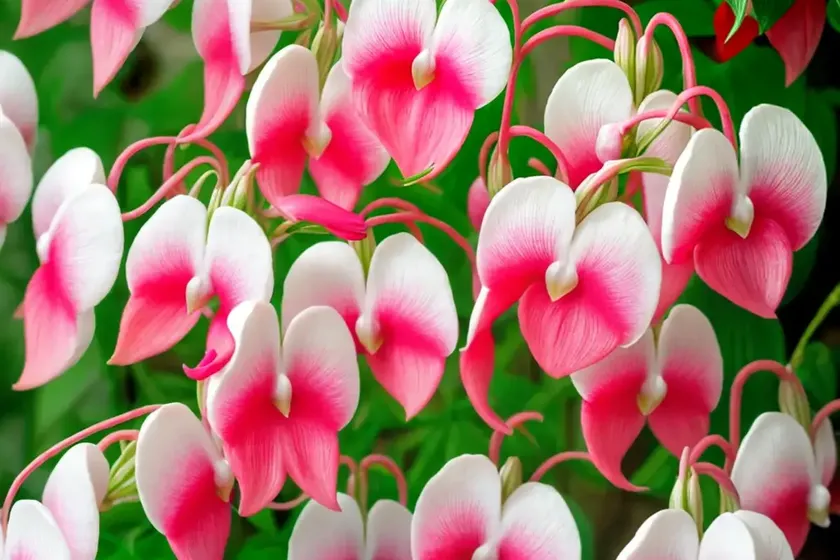
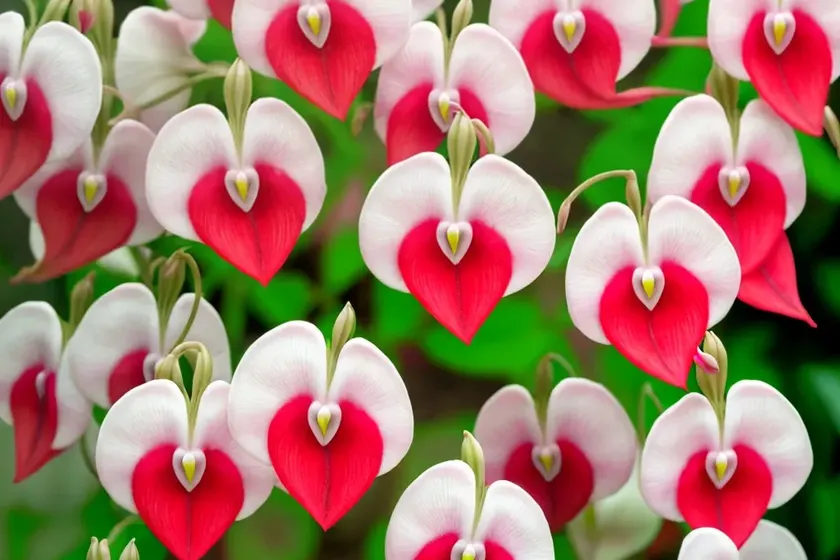
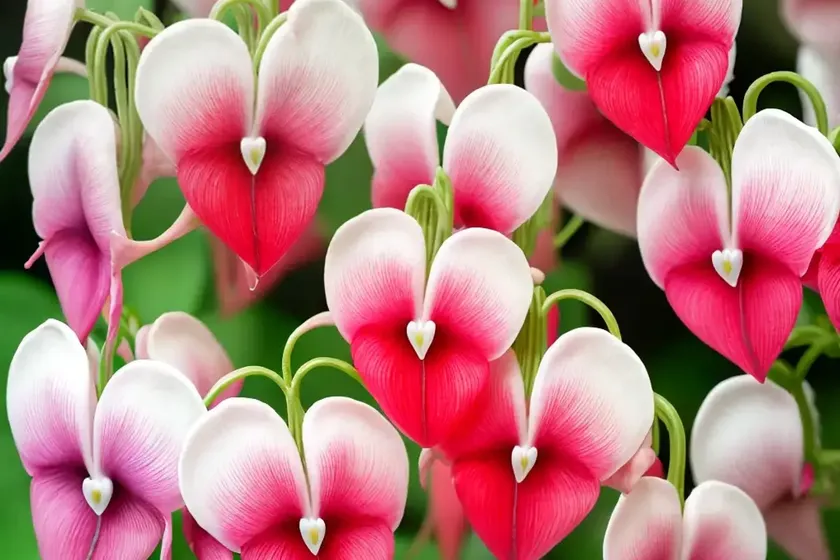
Dicentra spectabilis, commonly known as Bleeding Heart, is a flowering plant belonging to the Papaveraceae family. This herbaceous perennial is native to Siberia, northern China, Korea, and Japan and is highly esteemed for its unique heart-shaped flowers.
Key Takeaways – Dicentra Spectabilis (Bleeding Heart)
Culture
- Scientific Name: Dicentra spectabilis
- Common Name: Bleeding Heart
- Family: Papaveraceae
- Type: Herbaceous perennial
- Height: 24-36 inches
- Spread: 18-24 inches
- Bloom Time: Spring to early summer
- USDA Hardiness Zones: 3-9
Uses
- Ornamental: A popular choice for shaded gardens, woodland areas, and naturalized landscapes
- Medicinal: Historically used in traditional medicine for treating various ailments
- Symbolic: Often associated with love and compassion in flower symbolism
Water
- Watering Frequency: Regular watering, especially during dry spells
- Watering Technique: Water at the base to avoid wetting the foliage
- Moisture Level: Well-draining soil to prevent waterlogging
Sunlight
- Light Requirements: Partial to full shade, especially in warmer climates
- Ideal Conditions: Dappled sunlight or morning sun with afternoon shade
- Leaf Burn: Protect from intense afternoon sun to prevent leaf scorching
Fertilizer
- Fertilization Schedule: Apply a balanced slow-release fertilizer in spring
- Nutrient Needs: Rich, organic soil to support healthy growth
- Avoid Overfeeding: Excess fertilizer can lead to lush foliage with fewer flowers
Soil
- Soil Type: Moist, humus-rich soil
- pH Level: Slightly acidic to neutral (6.0-7.0)
- Mulching: Mulch to retain moisture and suppress weeds
Pruning
- Pruning Time: After the blooming period
- Pruning Technique: Trim spent blooms and remove yellowing foliage
- Dividing: Divide mature clumps every 3-4 years to rejuvenate plant vigor
Propagation
- Propagation Methods: Division, seeds, and root cuttings
- Best Time for Division: Early spring or late summer/early fall
- Seed Germination: Start seeds indoors in late winter for spring planting
Container Popularity
- Container Suitability: Ideal for shaded patios, balconies, and courtyard gardens
- Container Size: Use a medium-sized container with good drainage
- Maintenance: Regular watering and fertilization are crucial for container plants
Container Common Diseases
- Disease Susceptibility: Root rot in poorly-draining containers
- Preventive Measures: Ensure proper drainage and avoid waterlogging
Disease Diagnosis
- Symptoms: Wilting, yellowing, or browning of foliage
- Treatment: Improve drainage, adjust watering practices, and consider repotting
Common Pests
- Pest Types: Slugs, snails, and aphids
- Natural Predators: Encourage natural predators like birds and beneficial insects
- Control Methods: Handpicking, natural repellents, or targeted insecticides
Botanist’s Tips
- Plant in a sheltered location to protect delicate foliage from strong winds.
- Provide consistent moisture without waterlogging to promote healthy growth.
- Mulch around the base of the plant to conserve soil moisture and deter weed growth.
- Divide established clumps to manage plant size and revitalize older specimens.
Fun Facts
- The Bleeding Heart plant has long been associated with romantic love and deep emotions in flower symbolism.
- This plant has a rich history of medicinal uses in traditional Asian medicine, including treating cuts and wounds.
- The unique heart-shaped flowers have garnered international attention, making it a beloved addition to shaded gardens worldwide.
Links to External Resources
- Royal Horticultural Society – Dicentra Spectabilis
- Missouri Botanical Garden – Bleeding Heart
- University of Wisconsin-Madison Extension – Growing Bleeding Heart
- The Spruce – How to Grow and Care for Bleeding Heart
This blog post offers a comprehensive overview of the cultivation, uses, and care tips for Dicentra spectabilis, commonly known as Bleeding Heart. From its preferred growing conditions to disease management and propagation methods, this guide aims to assist plant enthusiasts in successfully cultivating and appreciating this charming perennial plant.
In the upcoming sections, we will delve deeper into the cultivation and care aspects of Dicentra spectabilis, focusing on its water, sunlight, fertilizer, soil, pruning, propagation, container popularity, common diseases, disease diagnosis, common pests, botanist’s tips, and fun facts, ensuring a well-rounded understanding of this captivating plant.
The care regime for Dicentra spectabilis, also known as Bleeding Heart, is vital for ensuring the optimal growth and blooming of this enchanting perennial. From understanding its water and sunlight requirements to addressing potential diseases and pests, a comprehensive care plan is essential for maintaining the health and vitality of this ornamental plant.
Bleeding Heart Plant
Dicentra Spectabilis Varieties
- Dicentra spectabilis ‘Alba’: A white-flowered variety adding a touch of elegance to shaded landscapes.
- Dicentra spectabilis ‘Gold Heart’: Notable for its golden-yellow foliage that complements the classic pink blooms.
Bleeding Heart Flower
- Distinctive Feature: Heart-shaped flowers dangling gracefully from arching stems
- Color Range: Typically pink or red, with white and golden varieties available
- Flowering Period: Spring to early summer, with intermittent blooms in cooler climates
Dicentra Spectabilis Propagation
Bleeding Heart Plant Care Tips
- Watering: Maintain consistent soil moisture without allowing the roots to sit in water.
- Soil: Provide well-draining, humus-rich soil for optimal growth and blooming.
- Sunlight: Partial to full shade is ideal, especially in regions with intense sun exposure.
- Fertilization: Apply a balanced slow-release fertilizer in early spring to support healthy growth.
- Pruning: Remove spent blooms and yellowing foliage to maintain plant vigor and aesthetics.
- Propagation: Divide mature clumps, start seeds indoors, or propagate through root cuttings.
Dicentra Spectabilis Facts
- The Bleeding Heart plant’s botanical name, Dicentra spectabilis, translates to “spectacular twice-protruding” in reference to the flower’s unique shape.
- Despite its delicate appearance, this plant is remarkably hardy and can thrive in various climates and soil conditions.
- In traditional Chinese medicine, various parts of the plant were used to treat conditions such as eye irritation, ulcers, and snakebites.
Bleeding Heart Plant Colors
The classic Bleeding Heart plant typically features pink or red heart-shaped blooms, but several cultivars have expanded the color palette, offering white, golden, or bi-colored flowers. The introduction of these varieties has elevated the plant’s ornamental value and further diversified its appeal among garden enthusiasts.
Dicentra Spectabilis Growing Conditions
Bleeding Heart Plant Diseases
- Common Diseases: Root rot due to waterlogged soil, powdery mildew in humid conditions
- Preventive Measures: Ensure proper drainage and adequate air circulation to mitigate disease risks
Dicentra Spectabilis Pruning
- Pruning Time: Post-blooming period, typically in late spring or early summer
- Pruning Technique: Trim back spent blooms and remove any discolored or damaged foliage
- Division Pruning: Divide overcrowded clumps to rejuvenate plant vigor and promote airflow
Bleeding Heart Perennial
Being a herbaceous perennial, the Bleeding Heart plant resurfaces from its dormant state each spring, showcasing its signature foliage and graceful blooms. As a long-lived plant, it offers enduring beauty year after year with the right care and maintenance.
Dicentra Spectabilis Flowers
Bleeding Heart Plant Maintenance
- Regular Care: Monitor soil moisture, prune as needed, and address any pest or disease issues promptly
- Mulching: Apply organic mulch to conserve soil moisture and suppress weed growth
- Winter Care: Protect the plant from harsh winter conditions to ensure its survival and regrowth in the following spring
Dicentra Spectabilis Planting Guide
- Planting Time: Early spring or early fall to allow for root establishment before winter
- Planting Depth: Match the depth of the root ball or container to the surrounding soil level
- Spacing: Allow 18-24 inches between plants to accommodate the mature spread
Bleeding Heart Flower Symbolism
The Bleeding Heart flower holds symbolic significance in various cultures, representing emotions such as love, compassion, and devotion. Its distinct shape and vibrant colors have made it a poignant emblem of heartfelt sentiments and enduring affection, often incorporated into floral arrangements and garden designs to convey these profound emotions.
Dicentra Spectabilis Shade-Loving Plant
Thriving in shaded environments, Dicentra spectabilis is an excellent choice for landscaping areas with limited sunlight. Its preference for partial to full shade positions it as a versatile and adaptable plant for creating enchanting garden settings in various light conditions.
Bleeding Heart Plant Companion Plants
- Astilbe: Co-existing with Bleeding Heart, it adds diverse foliage and complementary bloom colors.
- Ferns: Foliage-centric companions that harmonize with the Bleeding Heart’s delicate appearance in shaded areas.
- Hostas: A classic companion with overlapping foliage, complementing the Bleeding Heart’s graceful form.
Dicentra Spectabilis Blooming Season
Bleeding Heart Plant Landscaping Ideas
- Woodland Gardens: Integrate Bleeding Heart alongside ferns, hostas, and other shade-tolerant plants for a natural woodland aesthetic.
- Shaded Borders: Create soft, elegant borders using Bleeding Heart’s captivating blooms and lush foliage.
- Rock Gardens: Contrast rocky features with the softness of Bleeding Heart flowers for a striking visual balance.
Dicentra Spectabilis Winter Care
Bleeding Heart Plant Medicinal Uses
In traditional medicine, the Bleeding Heart plant has been credited with various medicinal properties, including its application as a poultice for wounds, insect bites, and skin irritations. While modern medicinal use is limited, historical accounts highlight its significance as a multipurpose plant in traditional healing practices.
Dicentra Spectabilis Habitat
Bleeding Heart Plant Water Requirements
- Moisture Needs: Consistently moist soil, avoiding waterlogging
- Drought Tolerance: Limited tolerance for dry conditions, requiring supplemental watering during prolonged dry spells
- Watering: Water at the base and avoid wetting the foliage to deter disease issues
Bleeding Heart Plant as a Cut Flower
The distinctive flowers of the Bleeding Heart plant are well-suited for cut flower arrangements, adding a touch of elegance and sentiment to floral displays. With proper care, these delicate blooms can adorn indoor spaces, serving as a captivating focal point and a reflection of the garden’s natural beauty.
Dicentra Spectabilis Sun Exposure
Position the plant in partial to full shade, especially in regions with intense sunlight or heat. While it can tolerate morning sun, protection from the harsh afternoon sun is crucial to prevent leaf scorching and preserve its overall vigor and aesthetic appeal.
Bleeding Heart Plant Garden Design
The Bleeding Heart plant’s graceful form and distinctive flowers make it an exceptional addition to various garden designs. Whether placed in shaded borders, woodland settings, or mixed perennial beds, its delicate beauty and enduring charm contribute to captivating garden compositions.
Dicentra Spectabilis Container Gardening
The Bleeding Heart plant is well-suited for container gardening, enabling enthusiasts to showcase its captivating blooms in diverse outdoor spaces, such as patios, balconies, and courtyard gardens. Its adaptability to container settings expands its ornamental potential, adding a touch of grace to confined areas.
Bleeding Heart Plant Wildlife-Attracting Plant
As an appealing source of nectar and shelter, Bleeding Heart can attract and support beneficial wildlife, including pollinators such as bees and butterflies. Its contribution to biodiversity and ecological balance positions it as a valuable addition to wildlife-friendly gardens and naturalized landscapes.
Dicentra Spectabilis Companion Plants
- Brunnera: A foliage-rich companion with blue flowers, harmonizing with the Bleeding Heart’s softer hues.
- Hellebores: Early blooming perennials that complement the Bleeding Heart’s floral display and provide extended seasonal interest.
- Tiarella: Delicate companions with attractive foliage and airy flower spikes, offering visual contrast alongside Bleeding Heart blooms.
Bleeding Heart Plant Unique Features
The Bleeding Heart plant’s allure extends beyond its charming flowers, encompassing its graceful, arching stems and distinctively lobed foliage. Its unique features, including a variety of flower colors and companionable nature, create a captivating presence in the garden, adding an ethereal touch to landscape compositions.
Dicentra Spectabilis Soil Preferences
- Ideal Soil: Moist, humus-rich soil with good drainage
- Adaptability: Tolerates a range of soil types but thrives in organically rich, well-draining conditions
- Soil Amendments: Incorporate organic matter to enhance soil structure and fertility for optimal growth
Bleeding Heart Plant Landscape Design
In landscape design, the Bleeding Heart plant serves as a versatile and visually captivating element, whether used as a focal point, border plant, or complementary feature in shaded settings. Its delicate form and distinctive flowers contribute to enchanting landscapes, infusing a sense of elegance and serenity into garden designs.
Dicentra Spectabilis Shade Garden Ideas
- Shaded Walkways: Add visual interest to shaded pathways with clusters of Bleeding Heart plants, creating an inviting and serene ambiance.
- Understory Plantings: Integrate Bleeding Heart within the understory layer of the garden to harmonize with taller trees and shrubs.
- Focal Points: Use the plant’s distinctive blooms as focal points in shaded garden beds, drawing attention and admiration.
Bleeding Heart Plant Flowering Period
Dicentra Spectabilis Pruning Techniques
- Maintain Vigor: Regular pruning after flowering helps maintain plant vigor and promotes subsequent blooming.
- Division: Divide mature clumps to manage size and revitalize older specimens, supporting overall plant health and longevity.
- Deadheading: Remove spent blooms to encourage continuous flowering and prolong the ornamental display.
Bleeding Heart Plant Ornamental Value
The ornamental value of the Bleeding Heart plant extends far beyond its distinctive heart-shaped blooms, encompassing its graceful foliage, adaptability to diverse garden settings, and complementary nature to various companion plants. Appreciated for its enduring charm and visual allure, it remains a beloved choice for gardens and landscapes worldwide.
Dicentra Spectabilis Leaf Shape
The unique leaf shape of the Bleeding Heart plant contributes to its overall appeal, adding visual interest and texture to shaded garden settings. The finely divided, fern-like foliage complements the plant’s delicate flowers, transforming the garden space with its graceful form and vibrant greenery.
Bleeding Heart Plant Garden Maintenance
- Regular Inspection: Monitor for signs of disease, pest activity, and establish a routine for addressing maintenance needs promptly.
- Seasonal Care: Adjust watering and fertilization based on seasonal requirements to support the plant’s growth and blooming.
- Mulching: Apply a layer of organic mulch to conserve moisture and maintain a healthy root environment for the plant.
Dicentra Spectabilis Herbaceous Perennial
As a herbaceous perennial, the Bleeding Heart plant cycles through periods of vegetative growth, flowering, and dormancy, showcasing its enduring beauty year after year. Its dependable performance and captivating presence make it a cherished addition to perennial borders and shaded garden compositions.
Bleeding Heart Plant Hardiness Zone
The Bleeding Heart plant thrives in USDA hardiness zones 3-9, demonstrating its adaptability to various climatic conditions. Its resilience and endurance in diverse hardiness zones make it an accessible and appealing choice for gardeners seeking an enduring ornamental plant for their landscapes.
Dicentra Spectabilis Water Retention
Bleeding Heart Plant Natural Habitat
The plant’s natural habitat typically includes moist, woodland settings with filtered light and rich, nutrient-dense soil. Its preference for consistent moisture and partial shade reflects its origins in shaded, verdant environments, emphasizing the importance of mimicking its native conditions for optimal growth.
Dicentra Spectabilis Pollinator-Friendly Plant
By providing a source of nectar and shelter, the Bleeding Heart plant attracts and supports beneficial pollinators, contributing to the ecological balance and biodiversity within the garden environment. Its role as a pollinator-friendly plant further enhances its value in wildlife-friendly landscapes and conservation efforts.
Bleeding Heart Plant Propagation Methods
- Division: Divide established clumps in early spring or late summer/early fall to rejuvenate and propagate the plant.
- Seeds: Start seeds indoors in late winter for spring planting, following the natural cold stratification process for optimal germination.
- Root Cuttings: Utilize root cuttings to propagate new plants, ensuring a sufficient portion of the root system for successful establishment.
Dicentra Spectabilis Landscape Uses
- Woodland Settings: Create enchanting woodland gardens with the Bleeding Heart’s graceful blooms and lush foliage.
- Shaded Borders: Enhance shaded borders with the plant’s delicate flowers and complementary understory presence.
- Naturalized Landscapes: Integrate Bleeding Heart within naturalized landscapes, adding a touch of elegance and enduring charm.
Bleeding Heart Plant Height and Spread
The Bleeding Heart plant typically reaches a height of 24-36 inches, with a spread of 18-24 inches, creating a compact yet impactful presence in the garden. Its manageable size and graceful form make it an ideal candidate for various garden settings, from small perennial beds to woodland environments.
Dicentra Spectabilis Toxic to Pets
The Bleeding Heart plant contains toxic compounds, including alkaloids, which can cause adverse reactions if ingested by pets. As a precautionary measure, it is essential to place the plant in areas inaccessible to pets and exercise proper care when handling and cultivating it in pet-inhabited spaces.