Dicentra ‘Stuart Boothman’ (Bleeding Heart)
As a plant scientist, I have always been fascinated by the immense diversity and beauty of plant species. Among the myriad of plants, Dicentra ‘Stuart.
As a plant scientist, I have always been fascinated by the immense diversity and beauty of plant species. Among the myriad of plants, Dicentra ‘Stuart Boothman’ stands out for its striking beauty and unique characteristics. In this comprehensive guide, I will delve into the intricate details of this captivating plant, providing insights into its cultural requirements, uses, maintenance, and much more. Whether you are a seasoned gardener or a novice plant enthusiast, this guide will equip you with the knowledge and expertise to nurture and appreciate the exquisite Dicentra ‘Stuart Boothman’ in all its glory. So, let’s embark on an enlightening botanical journey and unravel the secrets of the mesmerizing Bleeding Heart plant.
What is Dicentra ‘Stuart Boothman’ (Bleeding Heart)?
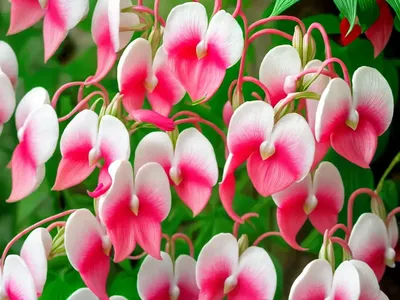
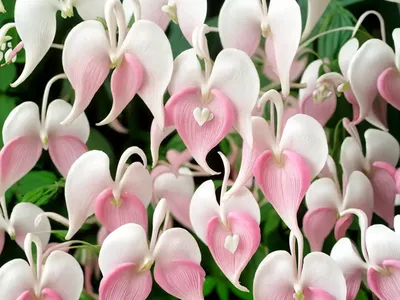
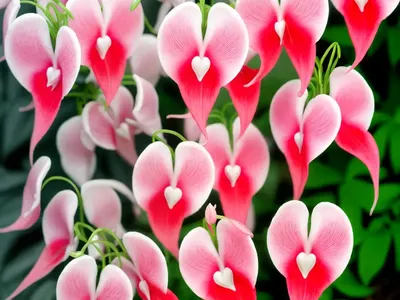
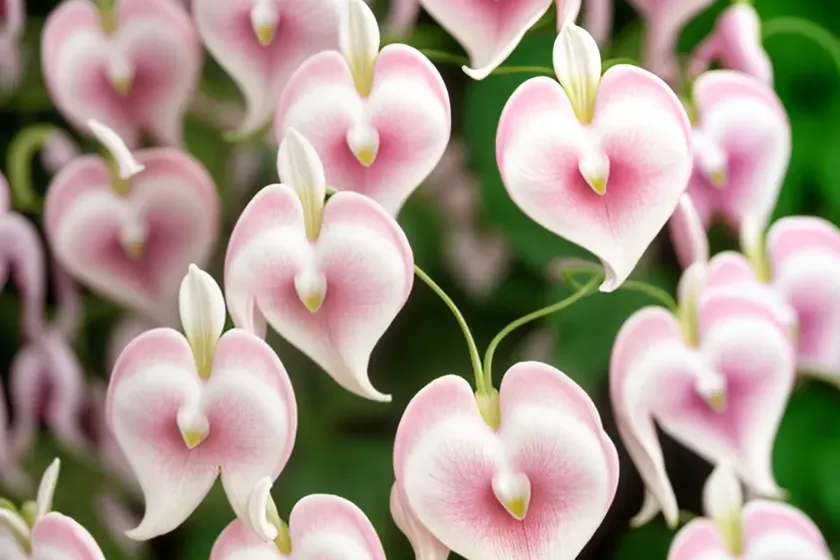
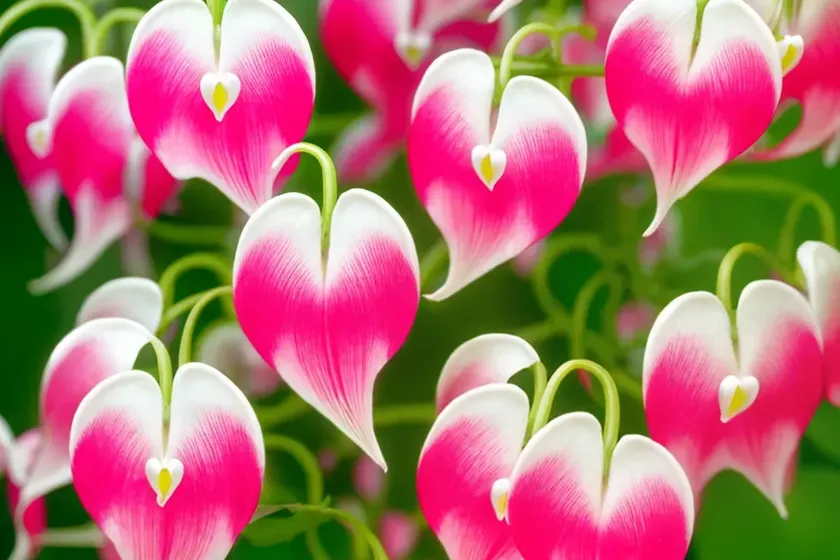
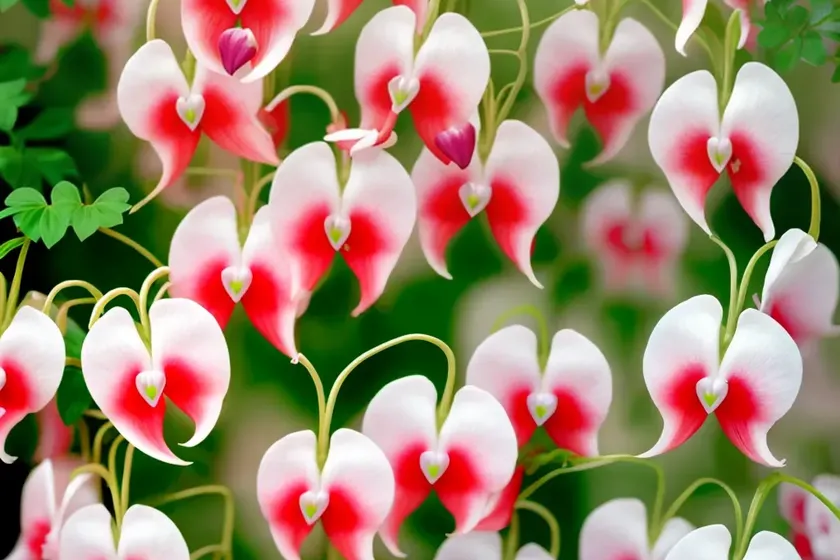
Dicentra ‘Stuart Boothman’, commonly known as the Bleeding Heart plant, is an enchanting herbaceous perennial that belongs to the genus Dicentra within the family Papaveraceae. Renowned for its distinct heart-shaped flowers and delicate foliage, this elegant plant adds a touch of grace and charm to gardens and landscapes. The unique name “Bleeding Heart” aptly describes the exquisite shape of its blossoms, which resemble tiny hearts with droplets of “blood” trailing from them. This extraordinary visual appeal has made Dicentra ‘Stuart Boothman’ a beloved choice for ornamental gardening, where it serves as a focal point in shaded areas, woodland gardens, and borders.
Key Takeaways – Dicentra ‘Stuart Boothman’ (Bleeding Heart)
Before delving deeper into the specifics of caring for Dicentra ‘Stuart Boothman’, let’s briefly touch upon some key takeaways that will guide us through the various aspects of cultivation, maintenance, and appreciation of this exquisite plant:
- Plant Name: Dicentra ‘Stuart Boothman’ (Bleeding Heart)
- Botanical Family: Papaveraceae
- Common Name: Bleeding Heart
- Plant Type: Herbaceous Perennial
- Flower Characteristics: Heart-shaped flowers, available in various shades of pink and red
- Foliage: Fern-like, deeply cut leaves
- Growth Habit: Clump-forming, moderate to fast growth rate
- Hardiness Zones: 3-9
- Preferred Growing Conditions: Partial to full shade, moist, well-drained soil
- Uses: Ornamental gardens, woodland landscapes, shaded borders, cut flower arrangements
- Notable Feature: Unique heart-shaped flowers with protruding inner petals, revered for its romantic symbolism and elegance.
Culture of Dicentra ‘Stuart Boothman’ (Bleeding Heart)
Uses
The allure of Dicentra ‘Stuart Boothman’ extends beyond its ornamental value, encompassing a range of practical and aesthetic uses in landscaping and horticulture. Some of the prominent uses of this captivating plant include:
- Ornamental Gardening: Dicentra ‘Stuart Boothman’ serves as a captivating addition to shaded gardens, woodland landscapes, and mixed borders, where its distinctive flowers and delicately cut foliage create a mesmerizing visual display.
- Cut Flower Arrangements: The heart-shaped blooms of Bleeding Heart make it a popular choice for floral arrangements, adding a romantic and whimsical touch to bouquets and indoor floral displays.
- Symbolic Significance: Due to its resemblance to a bleeding heart, the plant holds profound symbolic meanings, often associated with love, compassion, and emotional depth, making it an ideal choice for expressing heartfelt sentiments in garden designs.
Water
Proper watering is essential for the healthy growth and development of Dicentra ‘Stuart Boothman’. As a plant scientist, I recommend the following watering guidelines to ensure optimal moisture levels and hydration for this exquisite Bleeding Heart plant:
- Moist, Well-Drained Soil: Dicentra ‘Stuart Boothman’ thrives in moderately moist soil that is well-drained to prevent waterlogging. Consistent moisture is crucial, especially during the active growing season and flowering period, to support robust foliage and prolific blooms.
- Avoid Overwatering: While maintaining adequate moisture is important, it is equally crucial to avoid overwatering, as excessively wet conditions can lead to root rot and other moisture-related issues. Allow the soil to dry out slightly between waterings to strike a balance between hydration and aeration.
Sunlight
Being a shade-loving perennial, Dicentra ‘Stuart Boothman’ flourishes in locations with partial to full shade, making it an ideal choice for shaded gardens and landscapes. When considering the sunlight requirements for this captivating plant, it is important to adhere to the following recommendations:
- Partial Shade: Dicentra ‘Stuart Boothman’ performs best in locations that receive dappled sunlight or partial shade, particularly during the morning hours. Avoid placing the plant in direct, intense sunlight, as it can lead to leaf scorch and diminished flowering.
- Filtered Light: In regions with intense sunlight, providing filtered light through the presence of taller trees or shrubs can create an ideal environment for the growth of Dicentra ‘Stuart Boothman’. This ensures that the plant receives adequate light without being subjected to harsh, direct rays.
Fertilizer
Fertilization plays a crucial role in supporting the vigor and floral abundance of Dicentra ‘Stuart Boothman’. As a plant scientist dedicated to promoting the optimal growth of this captivating Bleeding Heart plant, I recommend the following guidelines for fertilizing:
- Organic Matter Enrichment: Incorporating organic matter such as well-rotted compost or aged manure into the soil during the initial planting stage provides a nutrient-rich foundation for Dicentra ‘Stuart Boothman’. This enhances soil fertility and promotes healthy root development.
- Balanced Fertilizer: During the active growing season, apply a balanced, slow-release fertilizer specifically formulated for flowering perennials. Opt for a fertilizer with a balanced NPK ratio, such as 10-10-10, to support robust foliage and prolific flowering without promoting excessive vegetative growth.
- Application Frequency: Fertilize Dicentra ‘Stuart Boothman’ in early spring as new growth emerges, and then again in mid-summer to sustain flowering performance. Avoid excessive fertilization, as it can lead to lush foliage at the expense of flower production.
Soil
The choice of soil and its characteristics significantly influence the overall health and vitality of Dicentra ‘Stuart Boothman’. As a plant scientist well-versed in soil management, I stress the importance of the following soil considerations for cultivating this captivating Bleeding Heart plant:
- Moisture-Retentive Soil: Dicentra ‘Stuart Boothman’ thrives in well-drained soil that retains moderate moisture levels, particularly during the active growth period and flowering phase. A loamy, humus-rich soil with good water retention capabilities is well-suited for this shade-loving perennial.
- Acidic to Neutral pH: Aim for a slightly acidic to neutral soil pH range of 6.0-7.0 to create an optimal growing environment for Dicentra ‘Stuart Boothman’. Conduct soil tests to assess the pH levels and make necessary amendments using organic materials or pH-adjusting products.
- Soil Amendment: Prior to planting, incorporate organic matter such as compost, leaf mold, or well-rotted manure into the soil to enhance its fertility and structure. This promotes favorable soil conditions for robust root establishment and sustained growth.
Pruning
Pruning is a fundamental aspect of maintaining the form, vigor, and aesthetic appeal of Dicentra ‘Stuart Boothman’. As a plant scientist with a penchant for precision and plant care, I advocate the following pruning practices for this captivating Bleeding Heart plant:
- Spring Pruning: In early spring, carefully remove any damaged, weak, or dead stems and foliage to encourage healthy regrowth and improve the overall appearance of the plant. Prune back the old stems to ground level to facilitate the emergence of fresh growth.
- Deadheading: Regular deadheading of spent flowers is beneficial for prolonging the blooming period of Dicentra ‘Stuart Boothman’. Remove faded flowers by snipping the stems just above a set of healthy leaves to promote continuous flowering and prevent the formation of seed pods.
- Post-Flowering Care: Once the flowering season concludes, undertake light pruning to tidy up the plant and remove any withered or discolored foliage. This promotes a tidy appearance during the dormant phase and prepares the plant for the following growing season.
Propagation
The propagation of Dicentra ‘Stuart Boothman’ allows for the expansion of its captivating beauty and the preservation of its unique characteristics. As a plant scientist dedicated to the propagation of ornamental plants, I advocate the following methods for propagating this enchanting Bleeding Heart plant:
- Division: Divide mature clumps of Dicentra ‘Stuart Boothman’ in early spring or autumn to create new plants. Carefully lift the entire clump from the soil, and use a sharp, sterile tool to divide it into smaller sections, ensuring that each division has viable roots and shoots.
- Transplanting: Replant the divisions in prepared soil enriched with organic matter and provide ample moisture to support their establishment. Position the new plants in shaded locations with the appropriate cultural conditions to ensure their successful establishment and subsequent growth.
Container Popularity
The allure of Dicentra ‘Stuart Boothman’ extends to container cultivation, offering a captivating and versatile option for gardeners and plant enthusiasts. Its enchanting flowers and fern-like foliage make it an exquisite choice for adorning containers and enhancing the visual appeal of patios, balconies, and outdoor living spaces. As a plant scientist attuned to the nuances of container gardening, I underscore the following considerations for cultivating Dicentra ‘Stuart Boothman’ in containers:
- Container Selection: Choose a well-draining container with adequate depth and volume to accommodate the root system of Dicentra ‘Stuart Boothman’. Opt for containers made from durable materials such as terracotta, fiberglass, or wood, ensuring proper drainage through the presence of drainage holes at the base.
- Potting Mix: Select a high-quality potting mix formulated for shade-loving perennials, ensuring that it offers optimal moisture retention and aeration. Consider amending the potting mix with organic matter to enhance its nutrient content and overall structure.
- Placement: Position the container in a shaded or partially shaded area, shielding it from direct sunlight and intense heat. Maintain consistent moisture levels by monitoring the soil moisture and adjusting the watering frequency as needed to support the growth and flowering of Dicentra ‘Stuart Boothman’.
- Overwintering: In regions with harsh winters, provide adequate protection for container-grown Dicentra ‘Stuart Boothman’ by sheltering it from extreme cold and frost. Consider relocating the container to a sheltered location or insulating it to ensure the survival and vitality of the plant during the winter months.
Common Diseases
As a vigilant plant scientist, it is crucial to recognize and address potential diseases that can affect the health and vigor of Dicentra ‘Stuart Boothman’. By proactively identifying and managing common diseases, we can safeguard the well-being of this enchanting Bleeding Heart plant. Some of the notable diseases that may impact Dicentra ‘Stuart Boothman’ include:
- Powdery Mildew: A fungal disease characterized by the presence of powdery, white patches on the foliage, powdery mildew can affect the overall aesthetic appeal and vigour of Dicentra ‘Stuart Boothman’. Implement cultural controls such as adequate spacing and air circulation to minimize the risk of powdery mildew, and consider applying fungicidal treatments if necessary.
- Botrytis Blight: Also known as grey mould, botrytis blight can manifest as grey, fuzzy growth on the foliage and flowers of Dicentra ‘Stuart Boothman’. Encourage proper air circulation and avoid overhead watering to reduce moisture levels and minimize the risk of botrytis blight.
- Crown Rot: Excessive soil moisture and poor drainage can contribute to the development of crown rot, a serious fungal disease that affects the base of the plant. Prevent crown rot by ensuring well-drained soil and avoiding waterlogged conditions, particularly during the dormant phase and winter months.
Disease Diagnosis
Timely diagnosis of diseases affecting Dicentra ‘Stuart Boothman’ is essential for implementing effective management strategies and preserving the health of the plant. As a dedicated plant scientist, I emphasize the importance of vigilant observation and prompt action in diagnosing potential diseases that may impact this captivating Bleeding Heart plant. When assessing the health of Dicentra ‘Stuart Boothman’, consider the following diagnostic cues for common diseases:
- Foliage Symptoms: Inspect the foliage for any signs of discoloration, wilting, or abnormal growth patterns such as powdery deposits, fuzzy patches, or necrotic lesions. Note any irregularities in leaf texture and overall appearance.
- Flower Abnormalities: Examine the flowers for indications of fungal or bacterial infections, including discolored or distorted petals, premature wilting, and the presence of fungal spores or lesions on the floral structures.
- Stem and Crown Health: Assess the stems and the base of the plant for any signs of rot, decay, or discoloration, which can indicate potential soil-borne diseases or moisture-related issues.
By carefully monitoring the visual cues and symptoms exhibited by Dicentra ‘Stuart Boothman’, plant enthusiasts and gardeners can proactively identify diseases and seek appropriate intervention to mitigate their impact on the plant’s health.
Common Pests
In addition to diseases, Dicentra ‘Stuart Boothman’ may also be susceptible to certain pests that can compromise its vitality and ornamental value. As a vigilant plant scientist dedicated to pest management, it is vital to recognize and address common pests that may affect this captivating Bleeding Heart plant. Notable pests that may pose a threat to Dicentra ‘Stuart Boothman’ include:
- Aphids: These small, sap-sucking insects can congregate on the tender shoots and foliage of Dicentra ‘Stuart Boothman’, causing distortion of growth and excreting honeydew that promotes sooty mold development. Employ insecticidal soaps or horticultural oils to control aphid populations and prevent damage to the plant.
- Slugs and Snails: These voracious herbivores can feed on the foliage and stems of Dicentra ‘Stuart Boothman’, resulting in unsightly damage and the formation of irregular holes. Implement physical barriers, such as copper tape or diatomaceous earth, to deter slugs and snails from reaching the plant and causing harm.
- Spider Mites: These tiny arachnids can infest the undersides of the foliage, where they feed on plant sap and produce webbing. Monitor for signs of stippled, discolored foliage and employ miticides or predatory insects to manage spider mite populations and prevent their proliferation.
By remaining vigilant and implementing proactive pest management strategies, plant enthusiasts can safeguard the health and aesthetic appeal of Dicentra ‘Stuart Boothman’ from potential pest infestations.
Botanist’s Tips for Dicentra ‘Stuart Boothman’
As a devoted botanist deeply invested in the welfare and cultivation of Dicentra ‘Stuart Boothman’, I am pleased to share a collection of expert tips that encapsulate the essential practices and considerations for nurturing this captivating Bleeding Heart plant:
- Shaded Environments: Ensure that Dicentra ‘Stuart Boothman’ is positioned in a shaded or partially shaded location with protection from direct sunlight, as the plant thrives in these environments and exhibits optimal growth and flowering performance.
- Consistent Moisture: Maintain consistent moisture levels in the soil to support the vigor and health of Dicentra ‘Stuart Boothman’, paying meticulous attention to hydration during the active growth phase and flowering period.
- Adequate Air Circulation: Promote proper air circulation around the foliage and stems of Dicentra ‘Stuart Boothman’ to minimize the risk of fungal diseases and enhance the overall health of the plant.
- Regular Pruning: Engage in regular pruning practices to remove spent flowers, damaged foliage, and old stems, thereby encouraging continuous blooming and maintaining a tidy, attractive appearance.
- Soil Quality: Prioritize the use of well-drained, humus-rich soil with good moisture retention capabilities to provide an optimal growing medium for Dicentra ‘Stuart Boothman’.
- Disease Vigilance: Remain vigilant in monitoring the plant for signs of diseases and pests, promptly addressing any issues that may arise to preserve the well-being and beauty of Dicentra ‘Stuart Boothman’.
By incorporating these invaluable botanist’s tips into the cultivation and maintenance of Dicentra ‘Stuart Boothman’, plant enthusiasts can foster the flourishing growth and captivating allure of this enchanting Bleeding Heart plant.
Fun Facts about Dicentra ‘Stuart Boothman’
As an aficionado of botanical wonders, I am delighted to share an assortment of fascinating fun facts that illuminate the charm and allure of Dicentra ‘Stuart Boothman’, offering unique insights into the captivating qualities and cultural significance of this enchanting Bleeding Heart plant:
- Romantic Symbolism: The distinctive heart-shaped flowers of Dicentra ‘Stuart Boothman’ have garnered widespread admiration and serve as a poignant symbol of love, compassion, and emotional depth, encapsulating the plant’s enduring appeal and cultural significance.
- Historical Significance: Dicentra ‘Stuart Boothman’ has a rich historical legacy, with the plant’s visual allure and graceful elegance finding mention in various folklore, traditions, and literary works, contributing to its enduring popularity and symbolic resonance.
- Shade-Loving Elegance: Renowned for its preference for shaded environments, Dicentra ‘Stuart Boothman’ exudes elegance and grace amidst the dim, tranquil settings of shaded gardens and woodland landscapes, capturing the imagination and admiration of plant enthusiasts.
- Cottage Garden Charm: The inviting charm and delicate beauty of Dicentra ‘Stuart Boothman’ make it a cherished component of cottage gardens, where its enchanting blossoms and fern-like foliage infuse an air of romance and nostalgia into the floral tapestry of the landscape.
By embracing these delightful fun facts, plant enthusiasts can deepen their appreciation for the captivating allure and cultural significance of Dicentra ‘Stuart Boothman’, enhancing their connection with this enchanting Bleeding Heart plant and its timeless appeal.
Links to External Resources
In the pursuit of comprehensive knowledge and practical guidance regarding Dicentra ‘Stuart Boothman’ and Bleeding Heart plants, I recommend exploring the following esteemed resources and authoritative references for valuable insights and expert advice:
- The Royal Horticultural Society (RHS): The RHS offers a wealth of information on plant care, including detailed guides on Dicentra and Bleeding Heart plants, cultivation advice, and species recommendations.
- Missouri Botanical Garden: A reputable source for botanical information, the Missouri Botanical Garden provides comprehensive plant profiles, growing tips, and research-based insights on Dicentra species and ornamental gardening.
- **American