Dianthus ‘Sweetie Pie’ (Pink)
Dianthus ‘Sweetie Pie’ (Pink), also known as Sweetie Pie Pink Dianthus, is a delightful and vibrant flowering plant that is popular among gardeners for its.
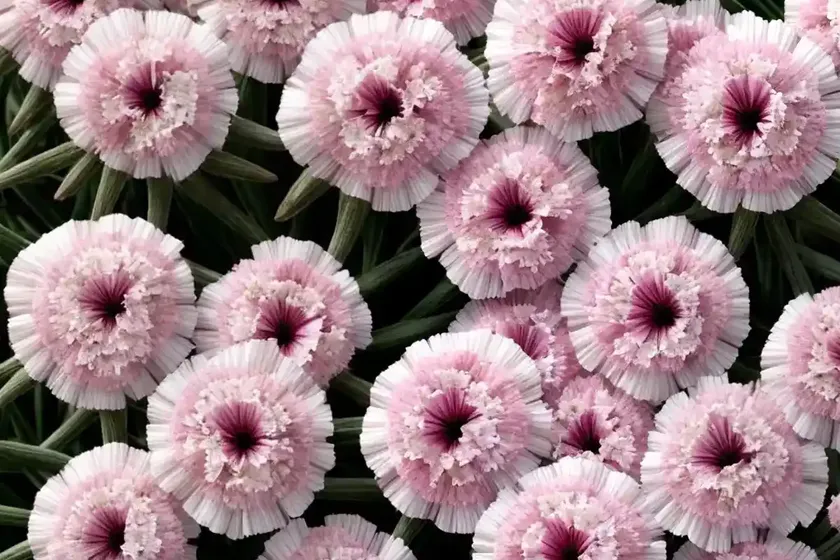
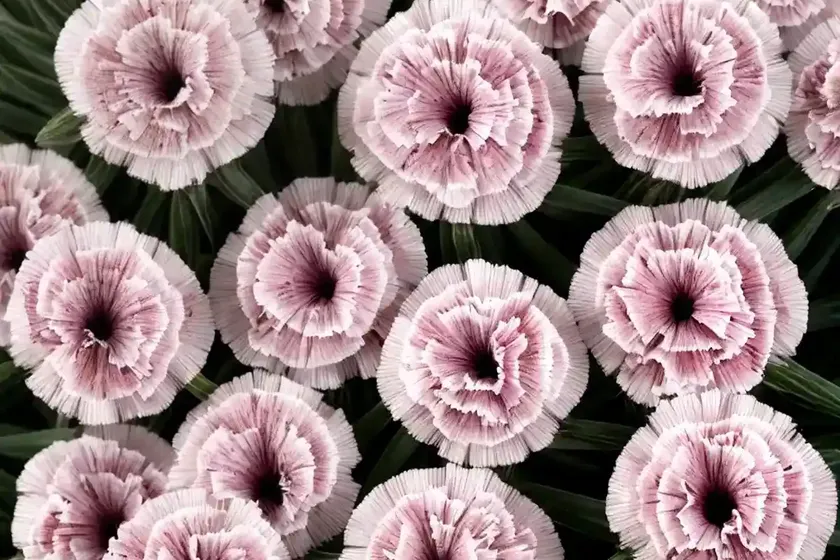
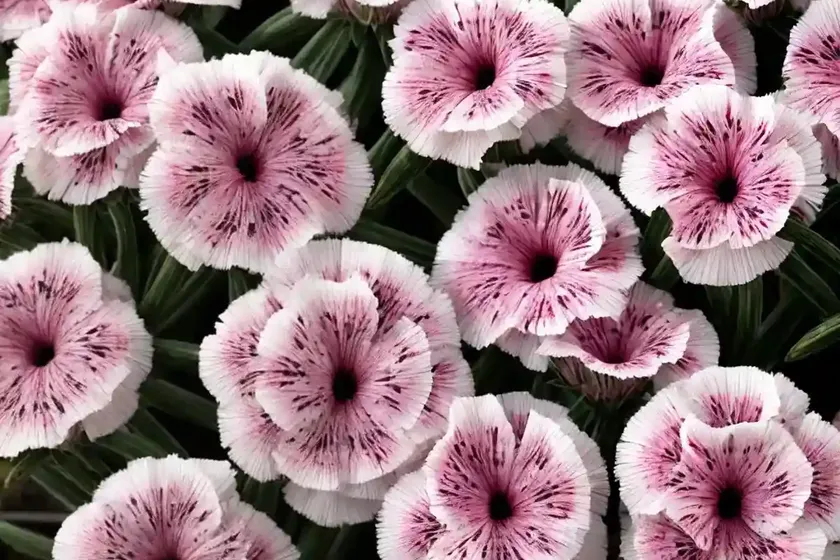
Dianthus ‘Sweetie Pie’ (Pink), also known as Sweetie Pie Pink Dianthus, is a delightful and vibrant flowering plant that is popular among gardeners for its charming pink blossoms and lovely fragrance. In this comprehensive plant care guide, we will explore everything you need to know about cultivating and caring for Dianthus ‘Sweetie Pie.’ From its cultural requirements to propagation methods and common diseases and pests, this guide will equip you with all the essential knowledge to ensure the successful growth and maintenance of this beautiful perennial.
What is Dianthus ‘Sweetie Pie’ (Pink)?
Dianthus ‘Sweetie Pie’ (Pink) is a member of the Dianthus genus, which comprises over 300 species of flowering plants. The word “Dianthus” is derived from the Greek words “dios,” meaning divine, and “anthos,” meaning flower. True to its name, Dianthus ‘Sweetie Pie’ produces divine, fragrant blooms that are adored by gardeners and flower enthusiasts alike.
This particular variety of Dianthus is cherished for its compact growth habit, making it suitable for various settings, including flower beds, containers, and rock gardens. With its striking pink flowers, Sweetie Pie adds a pop of color and a touch of elegance to any garden or landscape.
Key Takeaways – Dianthus ‘Sweetie Pie’ (Pink)
Before delving into the specific care requirements for Dianthus ‘Sweetie Pie’ (Pink), let’s take a quick look at the key takeaways. We’ll cover its cultural needs, suitable uses, watering and sunlight requirements, fertilizer needs, soil preferences, pruning techniques, propagation methods, and common diseases and pests that may affect this charming perennial.
Culture
- Bright, well-draining soil
- Moderate moisture
- Adequate sunlight
- Semi-hardy perennial
Uses
- Bedding plant
- Container plant
- Border plant
- Cut flower
- Fragrant garden addition
Now, let’s explore these key points in more detail to gain a deeper understanding of how to care for Dianthus ‘Sweetie Pie’ and ensure its optimal growth and blooming.
Water
Proper watering is crucial for the health and vitality of Dianthus ‘Sweetie Pie.’ While this perennial plant is relatively drought-tolerant once established, it still requires regular watering, especially during periods of prolonged heat or drought. The goal is to keep the soil consistently moist but not waterlogged, as excessive moisture can lead to root rot and other issues.
- Watering frequency: 1-2 times per week, depending on weather conditions
- Water deeply to encourage deep root growth
- Avoid overhead watering to prevent foliar diseases
Sunlight
As a sun-loving plant, Dianthus ‘Sweetie Pie’ thrives in full sun to partial shade. Adequate sunlight is crucial for promoting abundant blooming and maintaining the plant’s overall vigor. When selecting a planting location, aim for an area that receives at least 6-8 hours of direct sunlight daily.
- Full sun to partial shade (6-8 hours of direct sunlight)
- Ensure sufficient airflow to prevent fungal issues
- Protect from intense midday sun in extremely hot climates
Fertilizer
To support its growth and prolific flowering, Dianthus ‘Sweetie Pie’ benefits from regular fertilization with a balanced, slow-release fertilizer. This provides the plant with essential nutrients for healthy development and vibrant blossoms. Application frequency and timing are key factors in ensuring the plant’s nutritional needs are met without causing over-fertilization.
- Fertilize in early spring before the growing season begins
- Use a balanced, slow-release fertilizer with an NPK ratio of 10-10-10 or similar
- Water the plant after fertilization to incorporate the nutrients into the soil
Soil
The soil requirements for Dianthus ‘Sweetie Pie’ are relatively straightforward. This perennial thrives in well-draining, loamy soil with a slightly alkaline to neutral pH. Additionally, incorporating organic matter into the soil can enhance its structure, fertility, and moisture-retention capacity, creating an optimal growing environment for the plant.
- Well-draining, loamy soil
- pH range of 6.0-7.5
- Incorporate organic matter such as compost or aged manure
Pruning
Pruning is an essential aspect of Dianthus ‘Sweetie Pie’ maintenance, as it helps promote bushier growth, prolong flowering, and prevent the plant from becoming leggy or unkempt. Regular deadheading of spent blooms also encourages the production of new flowers and helps maintain a tidy appearance.
- Deadhead spent flowers to encourage continuous blooming
- Trim back leggy growth to promote new foliage and flowering
- Prune lightly after the first flush of blooms for a neat, compact appearance
Propagation
Dianthus ‘Sweetie Pie’ can be propagated through various methods, including division, stem cuttings, and seed propagation. Each technique has its specific requirements and is suitable for different purposes, whether you’re looking to expand your Dianthus collection or share these lovely plants with friends and fellow gardeners.
- Division: Divide mature plants in early spring or early fall
- Stem cuttings: Take 4-6 inch cuttings in late spring or early summer
- Seed propagation: Collect and sow seeds in spring or summer for new plant growth
Container Popularity
Given its compact size and attractive, long-lasting blooms, Dianthus ‘Sweetie Pie’ is well-suited for container gardening. Whether grown in individual pots or mixed container arrangements, this perennial adds a cheerful touch to balconies, patios, and small outdoor spaces. When cultivating Dianthus in containers, it’s essential to provide the appropriate growing conditions and care to support its health and blooming.
Container Common Diseases
The limited space and restricted airflow in containers can create favorable conditions for certain diseases to develop. As such, it’s important to monitor your Dianthus ‘Sweetie Pie’ for signs of common container diseases, such as powdery mildew and root rot. Implementing preventive measures and maintaining optimal growing conditions can help mitigate the risk of these issues.
Disease diagnosis
Powdery mildew: White, powdery spots on leaves; distorted growth
Root rot: Wilting, yellowing leaves; root discoloration and decay
Common pests
Dianthus ‘Sweetie Pie’ isn’t immune to pest infestations, and certain common garden pests may pose a threat to its health and appearance. Keeping an eye out for signs of insect activity and promptly addressing any pest issues can help safeguard your Dianthus plants from damage.
Botanist’s tips
To maintain your Dianthus ‘Sweetie Pie’ plants’ well-being and vitality during the cooler months, consider implementing winter-care practices to protect them from harsh conditions and ensure their successful return in the following growing season.
Fun facts
- Dianthus ‘Sweetie Pie’ belongs to the Caryophyllaceae family, which also includes other popular ornamental plants, such as carnations and pinks.
- The name “Dianthus” is derived from the Greek words “dios” and “anthos,” meaning divine flower.
- Dianthus flowers are edible and can add a delightful touch to salads, desserts, and beverages.
Now that we’ve covered the essential care aspects and interesting facts about Dianthus ‘Sweetie Pie’ (Pink), let’s explore some external resources for further information and support. Here are some valuable links to articles, guides, and resources that offer additional insights into cultivating and enjoying this charming perennial:
In conclusion, Dianthus ‘Sweetie Pie’ (Pink) is a captivating and versatile plant that can thrive in various garden settings and containers. By attending to its cultural needs, providing proper care, and being mindful of potential diseases and pests, you can enjoy the beauty and fragrance of this delightful perennial in your outdoor space. Whether you’re a seasoned gardener or a novice plant enthusiast, Dianthus ‘Sweetie Pie’ is sure to bring joy and color to your garden with its vibrant blooms and sweet fragrance. Happy gardening!