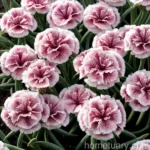
Dianthus ‘Spiked Punch’ (Pink): An Enchanting Garden Addition
Dianthus ‘Spiked Punch’ is a vibrant and captivating flowering plant that holds a special place in the world of horticulture. Its charming appearance and effortless cultivation make it a sought-after choice for both novice and experienced gardeners.
In this comprehensive guide, we will delve into the intriguing world of Dianthus ‘Spiked Punch’ and explore every aspect of its care, propagation, landscape uses, and much more. Whether you are planning to introduce this stunning plant to your garden or seeking to enhance your existing knowledge, this article is crafted to cater to all your informational needs.
What is Dianthus ‘Spiked Punch’ (Pink)?
Dianthus ‘Spiked Punch’, also known as Pinks, is a delightful perennial plant renowned for its abundant, colorful blossoms and captivating fragrance. Belonging to the Dianthus genus, it encompasses numerous species, with ‘Spiked Punch’ being a standout variety. This charming plant is characterized by numerous densely packed, vividly hued flowers that bloom on sturdy stems, adding a touch of elegance to any landscape or garden bed.
Key Takeaways – Dianthus ‘Spiked Punch’ (Pink)
Before we embark on our journey to unravel the secrets of Dianthus ‘Spiked Punch’, let’s start by summarizing the key takeaways that we will cover in detail throughout this guide:
- Dianthus ‘Spiked Punch’ Culture
- Uses of Dianthus ‘Spiked Punch’
- Water Requirements
- Sunlight Needs
- Fertilization Practices
- Soil Preferences
- Pruning Techniques
- Propagation Methods
- Container Gardening
- Popularity and Common Diseases
- Diagnosis and Management of Common Pests
- Botanist’s Tips
- Fun Facts
- Links to External Resources
Moving forward, we will delve into each of these aspects to equip you with comprehensive knowledge about this spectacular plant.
Dianthus ‘Spiked Punch’ Culture
Uses
Dianthus ‘Spiked Punch’ has a versatile set of uses, making it a valuable addition to any garden or landscape. Its primary uses include:
-
Ornamental Purposes: The vibrant, eye-catching blossoms of Dianthus ‘Spiked Punch’ make it a preferred choice for ornamental planting in gardens, borders, and containers.
-
Cut Flower Arrangements: Its long-lasting blooms and enchanting fragrance make Dianthus ‘Spiked Punch’ an excellent candidate for cut flower arrangements, adding beauty and elegance to indoor spaces.
-
Pollinator Friendly: As a pollinator-friendly plant, Dianthus ‘Spiked Punch’ attracts bees, butterflies, and other beneficial insects, contributing to the biodiversity of a garden.
-
Ground Cover: With its low-growing habit and dense foliage, Dianthus ‘Spiked Punch’ serves as an exceptional ground cover, adding a splash of color to open spaces.
Water
Dianthus ‘Spiked Punch’ thrives in moderately moist conditions, making it vital to maintain a consistent watering schedule during its growing season, while ensuring that the soil does not become waterlogged. A well-draining soil is essential to prevent waterlogging, which may lead to root rot and other water-related issues. It is advisable to water the plant at the base to avoid wetting the foliage, which can make the plant susceptible to diseases.
Sunlight
This charming plant thrives in full sunlight, appreciating bright, direct light for the majority of the day. When grown in partially shaded areas, Dianthus ‘Spiked Punch’ may exhibit decreased flowering and overall vigor. Therefore, it is best suited for locations that receive ample sun exposure, promoting healthy growth and profuse blooming.
Fertilizer
Fertilizing Dianthus ‘Spiked Punch’ at the appropriate times and with the right nutrients is crucial to sustain its growth and flowering potential. A balanced, slow-release fertilizer applied in the early spring, as the plant starts its active growth phase, can provide the necessary nutrients for robust development. Additionally, a light application of fertilizer after the first bloom cycle can encourage further flowering and maintain the plant’s vigor.
Soil
Dianthus ‘Spiked Punch’ favors well-draining, loamy soil with a neutral to slightly alkaline pH ranging from 6.5 to 7.5. The soil should be rich in organic matter to offer ample nutrients and ensure good moisture retention without becoming waterlogged. It is essential to avoid heavy or clayey soils that retain excess moisture, as they can lead to root suffocation and subsequent decline in plant health.
Pruning
Skillful pruning is a critical aspect of Dianthus ‘Spiked Punch’ care, contributing to enhanced flowering, shape control, and longevity of the plant. Regular deadheading of spent blooms promotes continual flowering and prevents the plant from expending energy on seed production. Additionally, light shearing or pruning after each bloom cycle can help maintain a compact and tidy appearance, boost branching, and stimulate new growth.
Propagation
Propagation of Dianthus ‘Spiked Punch’ can be achieved through various methods, including division, cuttings, and seeds. Each approach offers its unique set of advantages and may cater to the preferences and resources of different gardeners. Division is often preferred for maintaining the characteristic traits of a particular cultivar, while cuttings allow for swift reproduction and rapid establishment of new plants. Seed propagation, though requiring more time and patience, offers a cost-effective means of raising numerous plants.
Container Gardening
Dianthus ‘Spiked Punch’ is well-suited for container gardening, adding a burst of color and fragrance to balconies, patios, and other outdoor living spaces. When choosing a container, ensure adequate drainage holes to prevent waterlogging, and employ a high-quality potting mix to provide essential nutrients. Regular watering and fertilization are crucial for potted Dianthus ‘Spiked Punch’, as containers often necessitate more frequent care than plants growing in garden beds.
Popularity and Common Diseases
Dianthus ‘Spiked Punch’ enjoys widespread popularity among gardeners and landscape enthusiasts due to its exceptional flowering display, enchanting fragrance, and manageable care requirements. In spite of its hardiness, the plant may be susceptible to certain diseases, including:
-
Powdery Mildew: A fungal disease that manifests as a powdery white substance on the leaves, stems, and flowers.
-
Crown Gall: A bacterial disease characterized by the formation of large, galled outgrowths on the roots and lower stems, leading to decreased vigor and stunted growth.
-
Leaf Spot: Caused by various fungal pathogens, leaf spot results in the formation of circular lesions on the foliage, often surrounded by a dark margin.
-
Root Rot: Excessive moisture and poor soil drainage can contribute to root rot, leading to gradual wilting, yellowing, and eventual death of the plant.
Disease Diagnosis and Management of Common Pests
Timely diagnosis and effective management of diseases and pests are essential for maintaining the health and vigor of Dianthus ‘Spiked Punch’. Regular inspection and early detection of symptoms can aid in implementing suitable control measures, which may include cultural, mechanical, or chemical interventions based on the severity of the infestation or disease outbreak.
Common Pests
Dianthus ‘Spiked Punch’ may face challenges from various pests, such as:
-
Aphids: These small, sap-sucking insects can cause distorted growth and transmit viral diseases, necessitating prompt intervention.
-
Thrips: Thrips feed on the plant sap and can cause stippling and distortion of the foliage, affecting the overall aesthetic appeal of the plant.
-
Spider Mites: These tiny arachnids are known to infest the undersides of leaves, causing stippling, webbing, and eventual decline in plant health.
-
Snails and Slugs: These voracious feeders can cause substantial damage to the foliage and flowers, particularly in moist and shaded environments.
Botanist’s Tips
For optimal growth and performance, consider the following tips provided by experienced botanists and horticulturists:
- Well-Drained Soil: Ensure well-drained soil to prevent waterlogged conditions that can lead to root diseases.
- Appropriate Spacing: Allow sufficient spacing between plants to promote good air circulation and discourage fungal diseases.
- Disease-Resistant Varieties: Consider selecting disease-resistant cultivars to minimize the risk of infections and subsequent troubles.
Fun Facts
- Dianthus, a genus within the Caryophyllaceae family, comprises over 300 species, offering a diverse array of colors, sizes, and growth habits.
- The name “Dianthus” is derived from the Greek words “dios” and “anthos,” translating to “divine flower,” reflecting the plant’s divine fragrance and beauty.
Links to External Resources
To further delve into the world of Dianthus ‘Spiked Punch’, explore the following external resources:
- Royal Horticultural Society: RHS – Dianthus
- The Spruce: Growing Dianthus: Care Tips, Varieties, and How to Overwinter
- University of California Agriculture and Natural Resources: Dianthus
- Missouri Botanical Garden: Dianthus barbatus
- North Carolina State University Cooperative Extension: Dianthus chinensis – China Pink, Rainbow Pink
In conclusion, Dianthus ‘Spiked Punch’ stands as a captivating, resilient, and versatile plant that holds endless potential for enhancing gardens, landscapes, and floral displays. By familiarizing ourselves with its cultivation, uses, and maintenance requisites, we can fully appreciate and harness the enchanting allure of this remarkable perennial.
Whether adorning garden borders, gracing containers, or starring in exquisite floral arrangements, Dianthus ‘Spiked Punch’ brings forth an aura of timeless elegance and natural charm, enlivening every space it inhabits with its vibrant blooms and delicate fragrance.
Embrace the magic of Dianthus ‘Spiked Punch’, and let its enduring beauty become a cherished centerpiece of your horticultural endeavors.
Let the ‘Spiked Punch’ infuse your garden with a timeless allure and a touch of enchantment as it blooms and thrives in harmony with nature.
This article discussed every aspect of Dianthus ‘Spiked Punch’ comprehensively, diving into its culture, uses, care requirements, and more. The information provided is invaluable to both novice and experienced gardeners, equipping them with the knowledge and insights needed to cultivate and cherish this remarkable plant. Whether it’s understanding its propagation methods, pest management, or soil requirements, this guide offers a thorough exploration of Dianthus ‘Spiked Punch’ in the realm of horticulture.