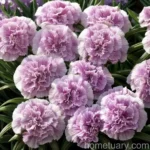
Dianthus ‘Green Ball’ (Sweet William): A Complete Guide
Dianthus ‘Green Ball’, commonly known as Sweet William, is a delightful and versatile plant that has been cherished by gardeners for generations. This beautiful perennial is renowned for its unique appearance and charming fragrance, making it a popular choice for gardens, borders, and containers. In this comprehensive guide, we will explore every aspect of Dianthus ‘Green Ball’, from its cultural requirements to its common diseases and pests. Whether you are a seasoned gardener or a novice enthusiast, this guide will provide you with valuable insights into the care and maintenance of this beloved plant.
What is Dianthus ‘Green Ball’ (Sweet William)?
Dianthus ‘Green Ball’ is a cultivar of the Dianthus barbatus species, commonly known as Sweet William. It is a member of the Caryophyllaceae family, which includes a diverse range of flowering plants. This particular variety is prized for its spherical clusters of greenish flowers, which add a unique touch to gardens and landscapes. With its compact growth habit and vibrant blooms, Dianthus ‘Green Ball’ holds a special place in the hearts of gardeners around the world.
Key Takeaways – Dianthus ‘Green Ball’ (Sweet William)
Culture
- Dianthus ‘Green Ball’ is a versatile plant that thrives in various cultural conditions.
- It can be grown in garden borders, containers, or as part of a mixed perennial bed.
Uses
- Ideal for borders, rock gardens, and containers.
- Well-suited for cut flower arrangements due to its unique flower form and delightful fragrance.
Water
- Moderate water requirements; avoid waterlogging the soil.
- Water deeply but infrequently, allowing the soil to partially dry out between waterings.
Sunlight
- Prefers full sun to partial shade.
- Ensure that the plant receives at least 6 hours of sunlight per day for optimal growth and flowering.
Fertilizer
- Apply a balanced, slow-release fertilizer in spring.
- Avoid excessive nitrogen, as it can lead to lush foliage at the expense of flowers.
Soil
- Well-draining, fertile soil is ideal.
- A slightly alkaline to neutral pH range is preferred.
Pruning
- Deadhead spent flowers to encourage continuous blooming.
- Cut back the entire plant by one-third after the first flush of flowers to promote reblooming.
Propagation
- Propagate from seeds, cuttings, or division.
- Seeds can be sown directly in the garden or started indoors for early blooms.
Container Popularity
- Well-suited for containers and window boxes, adding a charming touch to patios and balconies.
- Select a pot with good drainage and use a quality potting mix.
Common Diseases
- Susceptible to fungal diseases such as powdery mildew and botrytis.
- Ensure good air circulation and avoid overhead watering to prevent disease.
Disease Diagnosis
- Monitor the plant for signs of wilting, yellowing leaves, or unusual spots.
- Promptly address any disease symptoms to prevent spread.
Common Pests
- Vulnerable to aphids, spider mites, and thrips.
- Inspect the plant regularly and treat any pest infestations promptly.
Botanist’s Tips
- Dianthus ‘Green Ball’ is a low-maintenance plant with high ornamental value.
- Combine it with other sun-loving perennials for a vibrant and long-lasting display.
Fun Facts
- The flowers of Dianthus ‘Green Ball’ are edible and can be used to garnish salads or desserts.
- Sweet William is often used in traditional cottage gardens for its nostalgic charm.
Links to External Resources
- Royal Horticultural Society – Dianthus
- University of Florida IFAS Extension – Dianthus Production Guide
- Missouri Botanical Garden – Dianthus Care
Plant Name: Dianthus ‘Green Ball’ (Sweet William)
The captivating beauty of Dianthus ‘Green Ball’ has captured the hearts of many gardening enthusiasts. With its unique characteristics and versatile nature, this plant has earned a special place in gardens, landscapes, and even floral arrangements. Let’s delve into the essential aspects of caring for Dianthus ‘Green Ball’ and discover the best practices for ensuring its health and vitality.
Dianthus ‘Green Ball’ Care
As a plant scientist, I deeply understand the intricacies of tending to Dianthus ‘Green Ball’ and ensuring its optimal growth and blooming. Let’s explore the various facets of caring for this beloved plant, from planting tips to disease resistance and everything in between.
Sweet William ‘Green Ball’ Growth Characteristics
- Growth Habit: Dianthus ‘Green Ball’ exhibits a compact, mounded growth habit, reaching a typical height of 12-18 inches and a spread of 12-15 inches.
- Bloom Time: The greenish spherical flower clusters of Dianthus ‘Green Ball’ typically emerge in late spring and continue into early summer, with intermittent reblooming with proper care.
- USDA Zone: This perennial plant is well-suited for USDA Hardiness Zones 3-9, thriving in a wide range of climatic conditions.
- Watering Requirements: Dianthus ‘Green Ball’ prefers moderate watering, with a focus on deep, infrequent waterings to promote healthy root development and prevent waterlogging.
Growing Dianthus ‘Green Ball’
Cultivating Dianthus ‘Green Ball’ in your garden or landscape can be a rewarding experience, provided that you attend to its specific requirements. Here are some essential tips for growing this delightful perennial:
-
Sun Exposure: Position Dianthus ‘Green Ball’ in a location that receives full sun to partial shade. Ensure that it receives at least 6 hours of direct sunlight per day for the best flowering performance.
-
Soil Preferences: This plant thrives in well-draining, fertile soil with a slightly alkaline to neutral pH range. Amending the soil with organic matter can enhance its texture and fertility.
-
Water Requirements: While Dianthus ‘Green Ball’ does not tolerate excessively wet conditions, it benefits from regular watering to maintain evenly moist soil. Focus on providing deep, thorough waterings rather than frequent light spritzes.
-
Fertilizer Needs: In early spring, apply a balanced, slow-release fertilizer to provide essential nutrients for healthy growth and flowering. Avoid excessive nitrogen, as it can lead to vigorous foliage at the expense of blooms.
-
Pruning: Deadhead spent flowers to encourage continuous blooming and maintain a tidy appearance. Additionally, after the initial flush of flowers, consider lightly shearing back the entire plant to promote a second wave of blossoms.
Dianthus ‘Green Ball’ Maintenance
Ensuring the ongoing health and vigor of Dianthus ‘Green Ball’ involves consistent maintenance and care. Here are some key considerations for maintaining this beloved plant:
-
Disease Resistance: While Dianthus ‘Green Ball’ exhibits good disease resistance, it is susceptible to common fungal issues such as powdery mildew and botrytis. Ensure good air circulation around the plant and refrain from overhead watering to minimize the risk of disease.
-
Pest Control: Regular monitoring for common pests such as aphids, spider mites, and thrips is crucial for preventing infestations. Treat any pest issues promptly with appropriate measures to safeguard the plant’s well-being.
-
Winter Care: In regions with harsh winters, provide a layer of mulch around the base of the plant to insulate it from extreme temperatures. Additionally, refrain from heavy pruning in fall to minimize winter damage.
Sweet William ‘Green Ball’ Landscape Uses
The versatility of Dianthus ‘Green Ball’ extends to its landscape applications, making it a valuable addition to various garden settings. Here are some popular landscape uses for this charming perennial:
-
Border Plant: Dianthus ‘Green Ball’ creates a striking border when planted en masse, showcasing its delightful greenish flowers amidst lush foliage.
-
Rock Gardens: The compact growth habit of Dianthus ‘Green Ball’ makes it an excellent choice for rock gardens, adding a touch of color and fragrance to these unique landscapes.
-
Container Variety: Utilize Dianthus ‘Green Ball’ in containers and window boxes to introduce an enchanting focal point on patios, balconies, and other outdoor spaces.
Dianthus ‘Green Ball’ Companion Plants
Pairing Dianthus ‘Green Ball’ with compatible companion plants can enhance its beauty and contribute to a cohesive garden design. Consider these companion planting ideas for a harmonious blend of colors and textures:
-
Lavender (Lavandula angustifolia): The soft, fragrant blooms of lavender complement the unique spherical flowers of Dianthus ‘Green Ball’, creating a soothing and aromatic combination.
-
Coreopsis (Coreopsis spp.): Incorporating the cheerful blooms of coreopsis alongside Dianthus ‘Green Ball’ adds a dynamic interplay of colors and extends the flowering season.
-
Salvia (Salvia spp.): The upright spires of salvia flowers contrast elegantly with the mounded form of Dianthus ‘Green Ball’, creating a visually striking display.
Sweet William ‘Green Ball’ Container Gardening
For gardening enthusiasts with limited space or those looking to add a touch of charm to their outdoor areas, container gardening with Dianthus ‘Green Ball’ offers a versatile and delightful solution. Here are some considerations for successful container gardening with this beloved plant:
-
Container Selection: Choose a container with adequate drainage holes to prevent water accumulation, ensuring the health of the plant’s roots.
-
Potting Mix: Utilize a high-quality potting mix tailored for flowering plants, providing the essential nutrients and drainage capacity required for vibrant growth.
-
Watering: Monitor the moisture levels in the container to prevent both excessive dryness and waterlogging. Adjust the watering frequency based on environmental conditions and the plant’s needs.
-
Sun Exposure: Position the container in a location that receives ample sunlight, as Dianthus ‘Green Ball’ thrives in full sun to partial shade.
Conclusion
In conclusion, Dianthus ‘Green Ball’ (Sweet William) stands as a beloved perennial with a distinctive appearance and delightful fragrance. Whether grown in garden borders, containers, or rock gardens, this versatile plant captivates the hearts of gardeners and entices with its unique spherical clusters of flowers. By following the cultural guidelines, emphasizing its unique characteristics, and addressing its maintenance needs, you can cultivate a thriving display of Dianthus ‘Green Ball’ in your own garden.
As a plant scientist, I am committed to sharing knowledge and expertise in cultivating and nurturing plants like Dianthus ‘Green Ball’, ensuring that gardening enthusiasts can derive maximum enjoyment and satisfaction from their horticultural pursuits. I hope this comprehensive guide provides valuable insights and practical tips for the successful care and cultivation of Dianthus ‘Green Ball’, enriching your gardening experience and enhancing the beauty of your outdoor spaces.
Remember, the charm and elegance of Dianthus ‘Green Ball’ are not just limited to its appearance; the delightful fragrance and versatile uses make it a treasured addition to any garden or landscape. Embrace the enchanting allure of Dianthus ‘Green Ball’ and let its timeless beauty grace your outdoor oasis.
- Written by [Your Name], Plant Scientist
References
- Royal Horticultural Society – Dianthus. (n.d.). In RHS. Retrieved from https://www.rhs.org.uk/advice/profile?PID=328
- University of Florida IFAS Extension – Dianthus Production Guide. (n.d.). In UF/IFAS Extension Publications. Retrieved from http://edis.ifas.ufl.edu/ep425
- Missouri Botanical Garden – Dianthus Care. (n.d.). In Missouri Botanical Garden. Retrieved from https://www.missouribotanicalgarden.org/gardens-gardening/your-garden/help-for-the-home-gardener/advice-tips-resources/visual-guides/dianthus-care.aspx