Dianthus Plumarius ‘Laced Monach’ (Pink)
Dianthus plumarius ‘Laced Monach’, commonly known as Pink, is a delightful perennial plant that belongs to the Dianthus genus. With its charming pink.
Dianthus plumarius ‘Laced Monach’, commonly known as Pink, is a delightful perennial plant that belongs to the Dianthus genus. With its charming pink flowers, this ornamental plant is a favorite among gardeners and landscaping enthusiasts. In this comprehensive guide, we will delve into the culture, uses, care tips, and interesting facts about Dianthus plumarius ‘Laced Monach’ to help you cultivate and enjoy this beautiful flowering plant in your garden.
Key Takeaways – Dianthus plumarius ‘Laced Monach’ (Pink)
Before we dive deeper into the details, let’s summarize the key takeaways about Dianthus plumarius ‘Laced Monach’:
- Dianthus plumarius ‘Laced Monach’ is a pink-flowering perennial plant.
- It belongs to the Dianthus genus, known for its fragrant and colorful flowers.
- The plant is popular for its ornamental use in gardens.
- Dianthus plumarius ‘Laced Monach’ is a low-maintenance plant with beautiful, fragrant blooms.
- It can be grown in containers and is suitable for landscape designs.
Now, let’s explore the various aspects of Dianthus plumarius ‘Laced Monach’ in detail.
What is Dianthus plumarius ‘Laced Monach’ (Pink)?
Dianthus plumarius ‘Laced Monach’, often referred to as Pink, is a species of Dianthus known for its intricate, fragrant flowers and grass-like foliage. It is a herbaceous perennial plant with a compact growth habit, making it an excellent choice for borders, rock gardens, and container cultivation.
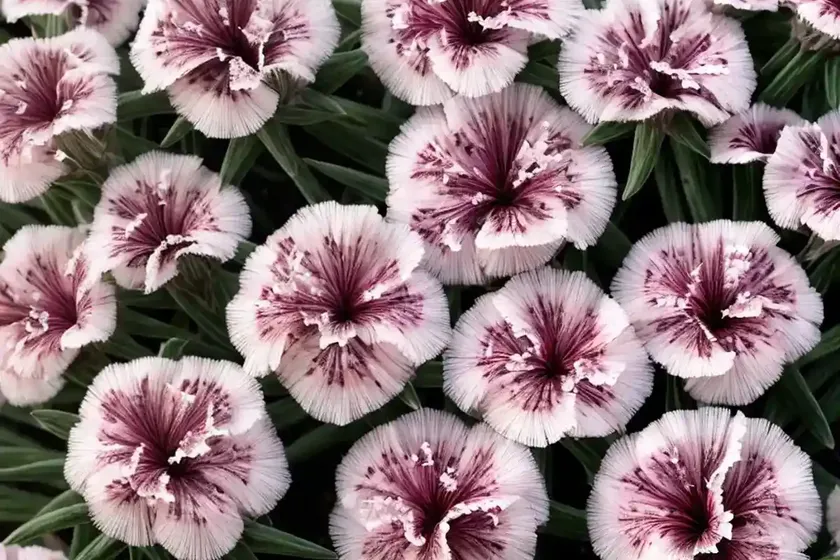
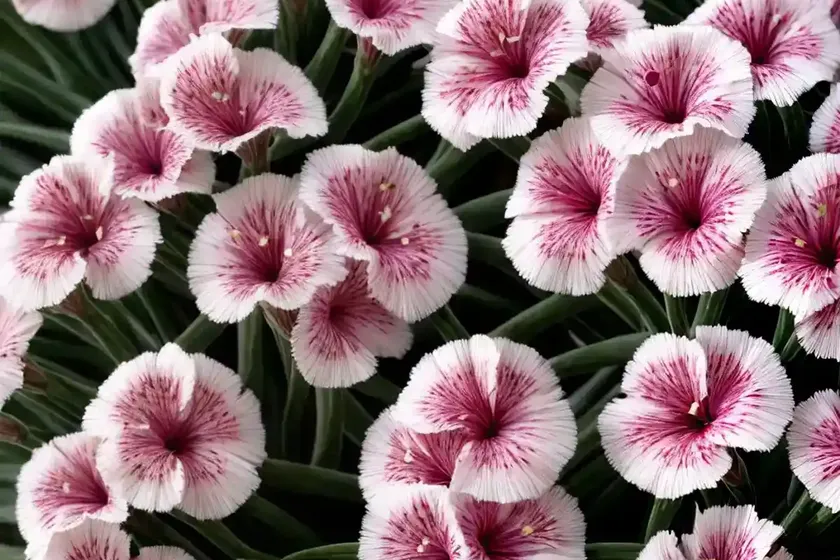
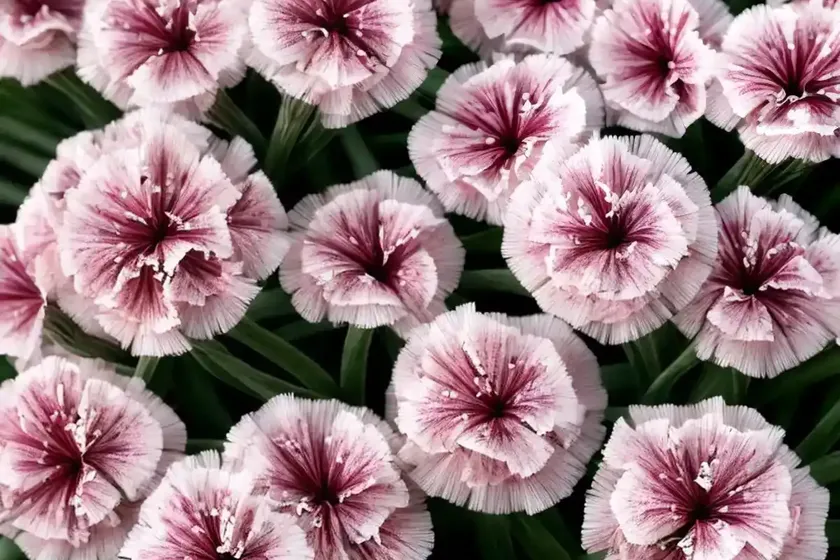
This pink-flowering Dianthus cultivar is prized for its delicate, fringed petals and alluring fragrance. The blooms, which appear in late spring to early summer, add a touch of charm to any garden setting. The ‘Laced Monach’ variety is particularly favored for its unique combination of pink petals with a slightly laced or fringed edge, giving the flowers an elegant and refined appearance.
Culture of Dianthus plumarius ‘Laced Monach’ (Pink)
Cultivating Dianthus plumarius ‘Laced Monach’ requires attention to specific cultural requirements to ensure optimal growth and blooming. Let’s explore the cultural aspects of this enchanting plant:
Water
Dianthus plumarius ‘Laced Monach’ prefers a well-draining soil and does not tolerate waterlogged conditions. When watering the plant, it is essential to maintain moderate moisture levels, especially during the active growing season. However, it is crucial to avoid overwatering, as it can lead to root rot and other issues.
Sunlight
This pink Dianthus cultivar thrives in full sun to partial shade. Adequate sunlight is crucial for promoting healthy growth and vibrant flowering. When selecting a planting location, choose an area that receives at least 6-8 hours of direct sunlight daily for the best results.
Fertilizer
When it comes to fertilizing Dianthus plumarius ‘Laced Monach’, a balanced, slow-release fertilizer formulated for flowering plants can be applied in early spring. Avoid excessive nitrogen-rich fertilizers, as they may promote lush foliage at the expense of flower production. Follow the manufacturer’s recommendations for application rates and frequency.
Soil
The ideal soil for Dianthus plumarius ‘Laced Monach’ is well-draining, slightly alkaline, and rich in organic matter. A sandy loam or loamy soil texture is suitable for promoting healthy root development and overall plant vigor. Prior to planting, amending the soil with compost can enhance its fertility and structure.
Pruning of Dianthus plumarius ‘Laced Monach’ (Pink)
Pruning is an essential aspect of Dianthus care, as it helps maintain a compact growth habit and encourages continuous flowering. For Dianthus plumarius ‘Laced Monach’, deadheading spent blooms and trimming back leggy stems can promote a tidy appearance and stimulate the production of new flower buds. Additionally, any damaged or diseased foliage should be promptly removed to prevent the spread of diseases.
Propagation of Dianthus plumarius ‘Laced Monach’ (Pink)
Propagating Dianthus plumarius ‘Laced Monach’ can be achieved through several methods, including division, cuttings, and seed propagation. Here are some common propagation techniques for this delightful pink Dianthus cultivar:
Division
Dividing established Dianthus plants in early spring is a practical way to propagate Dianthus plumarius ‘Laced Monach’. Use a sharp, sterile knife to carefully separate the clumps, ensuring that each division has sufficient roots and healthy growth points. Replant the divisions in prepared soil and provide adequate moisture as they establish.
Cuttings
Taking stem cuttings from healthy, non-flowering shoots in late spring to early summer is a reliable method of propagating Dianthus plumarius ‘Laced Monach’. Remove the lower leaves from the cuttings and dip the cut ends in a rooting hormone to enhance the rooting process. Plant the cuttings in a well-draining growing medium and provide gentle moisture and warmth to facilitate root development.
Seed Propagation
Growing Dianthus plumarius ‘Laced Monach’ from seeds is another option for propagation. Sow the seeds in a seed-starting mix in late summer or early fall. Ensure consistent moisture and moderate temperatures to support germination. Once the seedlings have developed several sets of true leaves, they can be transplanted into individual containers or directly into the garden.
Growing Dianthus plumarius ‘Laced Monach’ (Pink) in Containers
The compact growth habit and ornamental appeal of Dianthus plumarius ‘Laced Monach’ make it well-suited for container cultivation. When growing this delightful pink Dianthus cultivar in containers, consider the following tips for success:
- Select a well-draining potting mix with added perlite or vermiculite to ensure proper aeration and moisture retention.
- Choose a container with drainage holes to prevent waterlogged conditions.
- Position the container in a sunny location to promote healthy growth and prolific blooming.
- Water the plant thoroughly when the top inch of the soil feels dry to the touch, but avoid water accumulation in the saucer or tray beneath the container.
- Regularly monitor the plant for any signs of stress, such as wilting or yellowing foliage, and adjust the watering and sunlight levels accordingly.
Popularity of Dianthus plumarius ‘Laced Monach’ (Pink)
Dianthus plumarius ‘Laced Monach’ is a popular choice among gardeners and landscaping enthusiasts for its enduring beauty and versatility. The plant’s charming pink flowers and delightful fragrance make it a sought-after addition to gardens, borders, and various landscape designs.
Common Diseases of Dianthus plumarius ‘Laced Monach’ (Pink)
While Dianthus plumarius ‘Laced Monach’ is generally resilient, it can be susceptible to certain diseases under unfavorable growing conditions. Common diseases that may affect this pink Dianthus cultivar include:
-
Powdery Mildew: This fungal disease can manifest as a powdery white coating on the plant’s foliage, leading to reduced vigor and aesthetic appeal. To prevent powdery mildew, ensure proper air circulation and avoid overhead watering.
-
Fungal Rots: Excessively wet or poorly-drained soil can predispose Dianthus plumarius ‘Laced Monach’ to various fungal rots, such as root rot and crown rot. Practicing good cultural practices, including well-draining soil and appropriate watering, can help mitigate the risk of fungal diseases.
-
Septoria Leaf Spot: Characterized by small, dark spots on the leaves, septoria leaf spot can impact the plant’s overall health and appearance. Proper sanitation and maintaining adequate spacing between plants can aid in disease prevention.
Disease Diagnosis and Management
When diagnosing and managing diseases in Dianthus plumarius ‘Laced Monach’, it is crucial to promptly address any signs of distress and implement appropriate measures to mitigate the spread of pathogens. Here are some strategies for disease diagnosis and management:
- Monitor the plant regularly for any changes in foliage color, texture, or overall vigor.
- Upon detecting potential disease symptoms, such as leaf discoloration or abnormal growth, investigate the underlying cause and assess the environmental conditions.
- Practice good sanitation by removing and disposing of any infected plant material to prevent the spread of diseases.
Common Pests Affecting Dianthus plumarius ‘Laced Monach’ (Pink)
In addition to diseases, Dianthus plumarius ‘Laced Monach’ may encounter various pests that can compromise its vitality and visual appeal. Common pests that may affect this pink Dianthus cultivar include:
-
Aphids: These small, sap-sucking insects can cluster on the plant’s tender growth, leading to distorted leaves and reduced plant vigor. A strong blast of water or insecticidal soap can help manage aphid infestations.
-
Spider Mites: These tiny arachnids can cause stippling and webbing on the plant’s foliage, resulting in impaired photosynthesis and overall decline. Regularly rinsing the plant with water and applying horticultural oil can help control spider mite populations.
-
Slugs and Snails: These mollusks can feed on the Dianthus foliage and flowers, leaving behind characteristic slime trails and irregular feeding damage. Implementing physical barriers and using iron phosphate-based baits can deter slugs and snails effectively.
Botanist’s Tips for Growing Dianthus plumarius ‘Laced Monach’ (Pink)
To ensure the successful cultivation of Dianthus plumarius ‘Laced Monach’ and maximize its ornamental value, consider the following expert tips:
- Choose a planting location with well-draining soil and ample sunlight to promote robust growth and prolific flowering.
- Incorporate organic matter into the soil to enhance its structure and fertility, providing an optimal growing medium for the Dianthus plants.
- Regularly inspect the plant for any signs of disease or pest infestations, intervening promptly to mitigate potential issues and preserve plant health.
Fun Facts About Dianthus plumarius ‘Laced Monach’ (Pink)
To appreciate the allure and charm of Dianthus plumarius ‘Laced Monach’ even more, here are some intriguing and delightful fun facts about this pink-flowering perennial plant:
- The specific epithet “plumarius” is derived from the Latin word “pluma,” meaning “feather,” alluding to the feathery appearance of the plant’s petals.
- Dianthus plumarius ‘Laced Monach’ is often referred to as “Pink” due to the captivating color of its blossoms, which range from delicate pastel hues to vibrant shades of pink.
- The captivating fragrance of the Dianthus blooms has made them a popular choice for cut flower arrangements, adding a touch of elegance and sweetness to bouquets and displays.
Links to External Resources
For additional information, resources, and visual references about Dianthus plumarius ‘Laced Monach’ (Pink), consider exploring the following links:
- The Royal Horticultural Society (RHS) – Dianthus
- Missouri Botanical Garden – Dianthus plumarius ‘Laced Monach’
- University of Florida IFAS Extension – Dianthus Production Guide
In conclusion, Dianthus plumarius ‘Laced Monach’ (Pink) is a captivating and versatile perennial plant that can enrich any garden or landscape with its alluring beauty and delightful fragrance. By understanding the cultural needs, care tips, and potential challenges associated with this ornamental Dianthus cultivar, gardeners can cultivate and enjoy the enduring charm of ‘Laced Monach’ in various horticultural settings.
Remember, the enchanting allure of Dianthus plumarius ‘Laced Monach’ lies not only in its picturesque blooms but also in the joy it brings to those who appreciate its timeless elegance and fragrant presence in the garden.
Happy gardening!