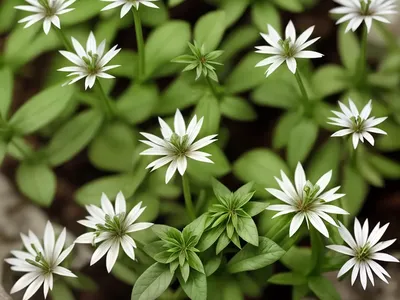
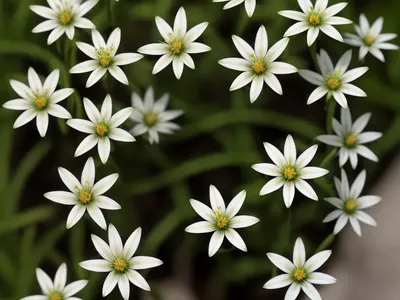
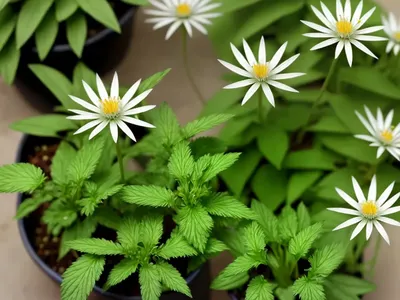
Dianthus Gratianopolitanus ‘Tiny Rubies’ (Cheddar Pink)
Dianthus gratianopolitanus ‘Tiny Rubies’ (commonly known as Cheddar Pink) is a delightful perennial plant that belongs to the Dianthus species. It is.
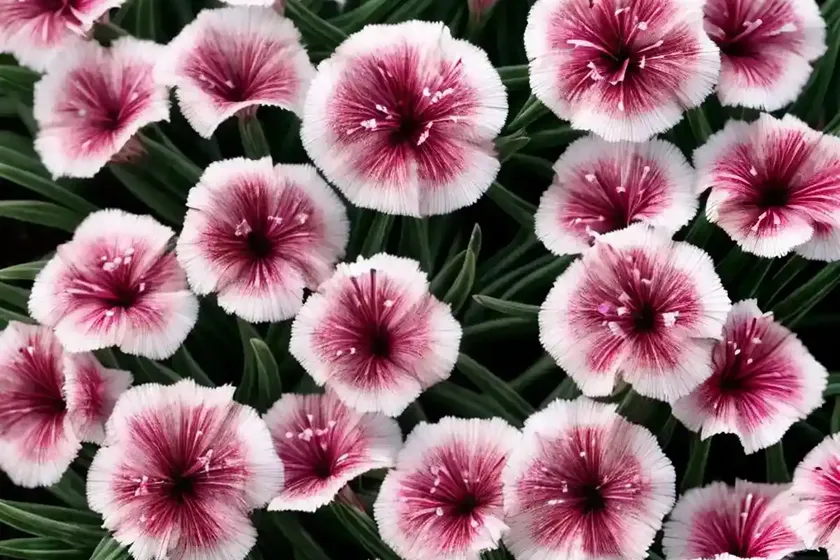
Dianthus gratianopolitanus ‘Tiny Rubies’ (commonly known as Cheddar Pink) is a delightful perennial plant that belongs to the Dianthus species. It is popular for its charming, fragrant flowers and its adaptability to various landscaping and gardening settings. In this comprehensive guide, we will explore the characteristics, culture, uses, care tips, propagation methods, and much more about Dianthus gratianopolitanus ‘Tiny Rubies’, providing valuable insights for both novice and experienced gardeners.
Key Takeaways – Dianthus gratianopolitanus ‘Tiny Rubies’ (Cheddar Pink)
Below are the key takeaways that you will gain from our exploration of Dianthus gratianopolitanus ‘Tiny Rubies’ (Cheddar Pink):
- Understanding the cultural preferences of the Cheddar Pink plant
- Uses of Dianthus gratianopolitanus ‘Tiny Rubies’ in landscaping and gardens
- Recommendations regarding water requirements for optimal growth
- Suitable sunlight conditions for the Cheddar Pink plant
- Fertilization needs and best practices
- Soil requirements for healthy growth and development
- Pruning techniques to maintain the plant’s appearance and vitality
- Methods for propagating Dianthus gratianopolitanus ‘Tiny Rubies’
- Insights into cultivating Cheddar Pink in containers
- Common diseases and effective diagnosis strategies
- Identifying and managing common pests
- Professional tips from botanists
- Fun and interesting facts about the Tiny Rubies plant
- Links to external resources for further exploration
What is Dianthus gratianopolitanus ‘Tiny Rubies’?
Dianthus gratianopolitanus ‘Tiny Rubies’, also known as Cheddar Pink, is a charming perennial plant that is native to areas of Europe. It is recognized for its low-growing habit, tufted foliage, and fragrant, dainty flowers. The plant is often used in rock gardens, borders, and containers to introduce a burst of color and a delightful scent to outdoor spaces.
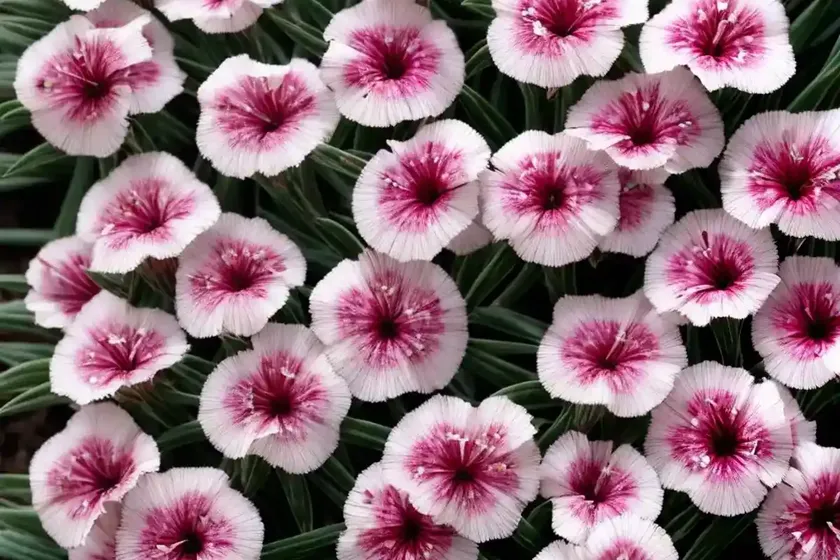
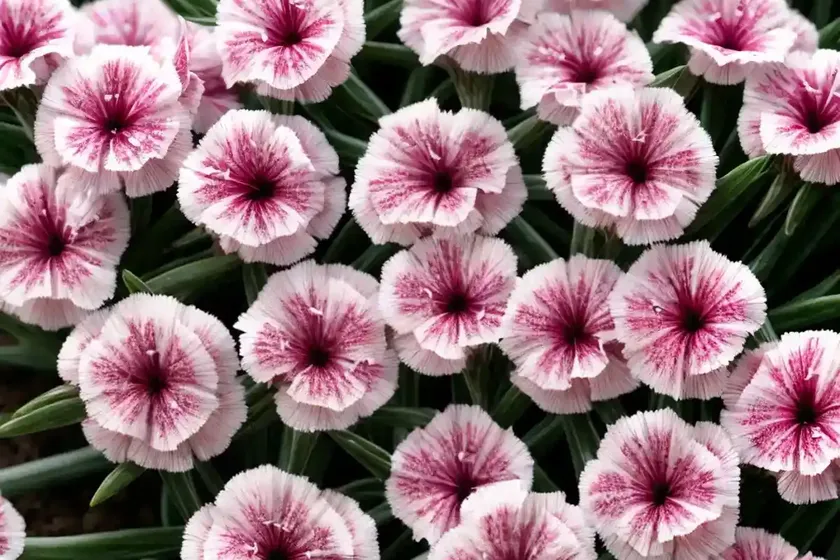
The Cheddar Pink plant displays numerous slender, grass-like, gray-green leaves that form dense mounds, creating an appealing backdrop for the vividly colored flowers. The flowers of Dianthus gratianopolitanus ‘Tiny Rubies’ are small and vibrant, typically exhibiting shades of pink, magenta, or red, and they often feature serrated petal edges, contributing to their ornamental appeal.
Culture
Uses
Dianthus gratianopolitanus ‘Tiny Rubies’ is valued for its versatility and ability to enhance various landscaping and gardening settings. Some common uses of the Cheddar Pink plant include:
- Rock Gardens: Its low-growing, spreading nature makes it an ideal choice for rock gardens, where it can add a splash of color and delicate beauty.
- Border Plant: The Cheddar Pink’s compact growth habit allows it to be used as a border plant, creating defined edges and adding visual interest.
- Container Gardening: Due to its adaptability, Dianthus gratianopolitanus ‘Tiny Rubies’ can thrive in containers, making it a popular choice for balcony or patio gardening.
Water
Proper watering is crucial for the healthy growth and development of Dianthus gratianopolitanus ‘Tiny Rubies’. It is essential to provide adequate moisture without allowing waterlogging, which can lead to root rot. Here are some key considerations for watering the Cheddar Pink plant:
-
Established Plants: Once established, Dianthus gratianopolitanus ‘Tiny Rubies’ is relatively drought-tolerant and thrives in well-drained soil. Water deeply whenever the soil feels dry to the touch, typically allowing the top inch of soil to dry out before watering again.
-
Container-Grown Plants: For Dianthus gratianopolitanus ‘Tiny Rubies’ in containers, it’s important to monitor the moisture levels more frequently, as containers can dry out faster than garden soil. Water thoroughly when the top layer of the soil feels dry.
Sunlight
Proper sunlight exposure is essential for the optimum growth and blooming of Dianthus gratianopolitanus ‘Tiny Rubies’. The Cheddar Pink plant thrives in full sun to partial shade, and providing the appropriate sunlight conditions will contribute to vigorous growth and abundant flowering. Here are some guidelines for sunlight requirements:
-
Full Sun: Dianthus gratianopolitanus ‘Tiny Rubies’ typically performs best in full sun, receiving at least 6-8 hours of direct sunlight per day. In full sun, the plant tends to produce more flowers and maintain a compact, dense growth habit.
-
Partial Shade: While the Cheddar Pink plant prefers full sun, it can tolerate light shade, especially in regions with hot summers. In areas with intense heat, providing some afternoon shade can help prevent stress and maintain the plant’s vitality.
Fertilizer
Appropriate fertilization is key to promoting healthy growth and vibrant flowering in Dianthus gratianopolitanus ‘Tiny Rubies’. Providing the plant with essential nutrients will support its overall vigor and floral display. Consider the following fertilization recommendations for the Cheddar Pink plant:
-
Balanced Fertilizer: Apply a balanced, slow-release fertilizer in early spring to support the initial growth phase. Look for a fertilizer with a balanced NPK ratio, such as 10-10-10, and follow the manufacturer’s guidelines for application rates.
-
Additional Feedings: To encourage continuous blooming, consider supplementing with a liquid fertilizer every 4-6 weeks during the growing season. Choose a fertilizer formulated for flowering plants to promote abundant and long-lasting blooms.
Soil
Dianthus gratianopolitanus ‘Tiny Rubies’ thrives in well-drained, slightly alkaline soil. The soil conditions play a significant role in the plant’s health and performance, influencing factors such as moisture retention, nutrient availability, and root development. Consider the following soil recommendations for the Cheddar Pink plant:
-
Well-Drained Soil: Plant Dianthus gratianopolitanus ‘Tiny Rubies’ in soil that offers excellent drainage to prevent waterlogging, which can lead to root rot. Amending heavy clay soils with organic matter, such as compost or peat moss, can improve drainage.
-
Slightly Alkaline pH: The Cheddar Pink plant prefers slightly alkaline soil with a pH range of 6.5 to 7.5. Conduct a soil pH test and make adjustments using lime or sulfur as needed to maintain the ideal growing conditions.
Pruning
Pruning is an essential aspect of maintaining the appearance and vigor of Dianthus gratianopolitanus ‘Tiny Rubies’. Proper pruning helps promote new growth, enhance flowering, and prevent the plant from becoming overly leggy. Here are some pruning techniques and recommendations:
-
Deadheading: Regularly remove spent flowers by pinching or cutting them back to the nearest set of leaves. Deadheading promotes continual flowering and prevents seed formation, directing the plant’s energy into producing new blooms.
-
Tidy-Up Pruning: Perform tidy-up pruning in late spring or early summer to remove any leggy or straggly growth and encourage a dense, compact habit. Use clean, sharp pruners to make precise cuts and maintain the plant’s overall shape.
Propagation
Propagating Dianthus gratianopolitanus ‘Tiny Rubies’ allows gardeners to expand their plant collection and share this delightful perennial with others. There are several methods for propagating the Cheddar Pink plant, including division and stem cuttings. Consider the following propagation techniques:
-
Division: Divide mature clumps of Dianthus gratianopolitanus ‘Tiny Rubies’ in early spring or early fall. Carefully lift the plant from the ground, and separate the clump into smaller sections, ensuring that each division has healthy roots and shoots.
-
Stem Cuttings: Take 3-4 inch stem cuttings from healthy, non-flowering shoots in spring or early summer. Remove the lower leaves, dip the cut end in rooting hormone powder, and plant the cuttings in a well-draining rooting medium. Provide adequate moisture and warmth to encourage root development.
Container Popularity
Dianthus gratianopolitanus ‘Tiny Rubies’ is a popular choice for container gardening, offering versatility, vibrant color, and delightful fragrance in confined spaces. The compact growth habit and ornamental flowers make it well-suited for various container styles, from traditional pots to hanging baskets. Consider the following tips for cultivating the Cheddar Pink plant in containers:
-
Container Selection: Choose a well-draining container with adequate drainage holes to prevent waterlogging. Select a container size that accommodates the plant’s root system without excessive crowding.
-
Potting Mix: Use a high-quality, well-draining potting mix with added perlite or vermiculite to ensure good aeration and moisture retention. Avoid compacted garden soil, as it can impede root growth and drainage.
-
Watering: Monitor the moisture levels closely, as containers can dry out more quickly than garden soil. Water thoroughly when the top layer of the soil feels dry to the touch, and be cautious not to overwater, which can lead to root rot.
-
Sunlight: Place the container in a location that receives adequate sunlight according to the plant’s preferences, typically 6-8 hours of direct sunlight per day for best results.
Common Diseases
While Dianthus gratianopolitanus ‘Tiny Rubies’ is relatively resistant to diseases, it can be susceptible to certain issues under unfavorable growing conditions. Recognizing common diseases and understanding effective diagnosis strategies is essential for maintaining the plant’s health. Consider the following common diseases and their diagnosis:
-
Fungal Diseases: Dianthus species, including ‘Tiny Rubies’, can be prone to fungal diseases such as powdery mildew and botrytis blight. Symptoms include powdery white patches on leaves and stems, as well as gray mold on affected areas. Increase air circulation and avoid overhead watering to prevent fungal issues.
-
Root Rot: Overly wet and poorly drained soil can lead to root rot, causing symptoms such as wilting, yellowing foliage, and stunted growth. Check the soil drainage and adjust watering practices to prevent excessive moisture around the root zone.
Common Pests
The Cheddar Pink plant is generally resistant to most pests, but it can occasionally attract certain insects that may cause damage if left unchecked. Identifying and managing common pests is essential for preserving the vitality and aesthetic appeal of Dianthus gratianopolitanus ‘Tiny Rubies’. Consider the following common pests and effective control measures:
-
Aphids: These small, sap-sucking insects may cluster on the new growth and buds, causing distortion and stunting of the plant. Rinse the plant with a strong jet of water to dislodge aphids, or use insecticidal soap as a targeted treatment.
-
Thrips: Thrips are tiny pests that feed on flower buds and leaves, leaving behind silvery patches and causing distorted growth. Monitor for thrips and consider using insecticidal sprays to manage their populations.
Botanist’s Tips
-
Mulching: Apply a layer of organic mulch around the base of Dianthus gratianopolitanus ‘Tiny Rubies’ to help retain soil moisture, suppress weed growth, and regulate soil temperature. Organic mulches such as straw, shredded bark, or compost can provide these benefits while contributing to the soil’s overall health as they decompose.
-
Companion Planting: Consider companion planting with other low-growing, sun-loving perennials and annuals to create diverse and visually appealing garden beds. Plants such as sedum, alyssum, and lavender complement the Cheddar Pink’s characteristics and enhance the overall landscape.
-
Winter Care: In regions with harsh winters, provide a protective layer of mulch or evergreen boughs over the crown of Dianthus gratianopolitanus ‘Tiny Rubies’ to insulate it from winter temperature fluctuations and prevent frost heaving.
Fun Facts
-
Cultural Significance: The Cheddar Pink plant holds cultural significance, with historical mentions in traditional folklore and symbolism attributing meanings of admiration and appreciation to the flower.
-
Fragrant Flowers: The flowers of Dianthus gratianopolitanus ‘Tiny Rubies’ emit a delightful, spicy fragrance, making them popular choices for bouquets and cut flower arrangements.
-
Pollinator Attraction: The nectar-rich blooms of the Cheddar Pink plant attract various pollinators, including butterflies and bees, contributing to the overall biodiversity of the garden.
Links to External Resources
For further exploration and in-depth information about Dianthus gratianopolitanus ‘Tiny Rubies’, consider the following external resources:
- Royal Horticultural Society – Dianthus gratianopolitanus ‘Tiny Rubies’
- Missouri Botanical Garden – Dianthus gratianopolitanus
- University of Illinois Extension – Dianthus and Carnations
- American Society for the Prevention of Cruelty to Animals – Dianthus gratianopolitanus
- Plant Diseases Handbook
In conclusion, Dianthus gratianopolitanus ‘Tiny Rubies’ (Cheddar Pink) is a captivating and versatile perennial plant with a host of charming qualities. Its adaptability to various growing conditions, striking flowers, and delightful fragrance make it a beloved choice for gardeners and landscape enthusiasts. By understanding its cultural preferences, proper care techniques, and potential uses in outdoor spaces, gardeners can appreciate and showcase the beauty of the Cheddar Pink plant to the fullest. Whether used in rock gardens, borders, or containers, Dianthus gratianopolitanus ‘Tiny Rubies’ adds a touch of elegance and color to any landscape, making it a perennial favorite among gardening enthusiasts.
While Dianthus gratianopolitanus ‘Tiny Rubies’ is relatively resilient, it is important to remain vigilant in monitoring for potential disease and pest issues that may arise. Incorporating botanist’s tips and exploring external resources can provide valuable insights for cultivating and enjoying the beauty of the Cheddar Pink plant to its fullest potential.
References:
- Royal Horticultural Society. (n.d.). Dianthus gratianopolitanus ‘Tiny Rubies’. https://www.rhs.org.uk/Plants/58034/i-Dianthus-gratianopolitanus-i-Tiny-Rubies/Details
- Missouri Botanical Garden. (n.d.). Dianthus gratianopolitanus. http://www.missouribotanicalgarden.org/PlantFinder/PlantFinderDetails.aspx?taxonid=253192
- University of Illinois Extension. (n.d.). Dianthus and Carnations. https://extension.illinois.edu/dianthus-and-carnations
- American Society for the Prevention of Cruelty to Animals (ASPCA). (n.d.). Dianthus gratianopolitanus. https://www.aspca.org/pet-care/animal-poison-control/toxic-and-non-toxic-plants/dianthus-gratianopolitanus
- American Phytopathological Society. (n.d.). Plant Diseases Handbook. https://www.apsnet.org/common/plantdisease/Pages/default.aspx