Dianthus Gratianopolitanus ‘Firewitch’ (Cheddar Pink)
The Dianthus gratianopolitanus ‘Firewitch’ or Cheddar Pink is a delightful perennial plant that captivates gardeners with its vibrant and fragrant flowers..
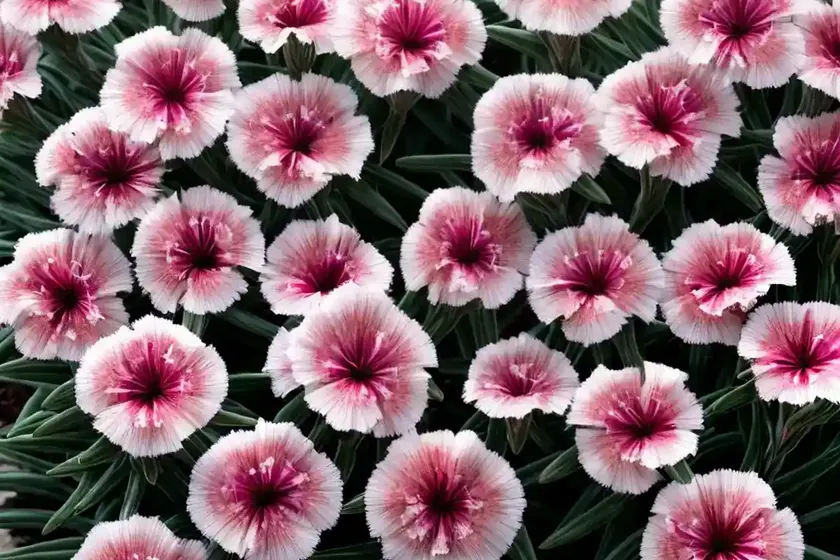
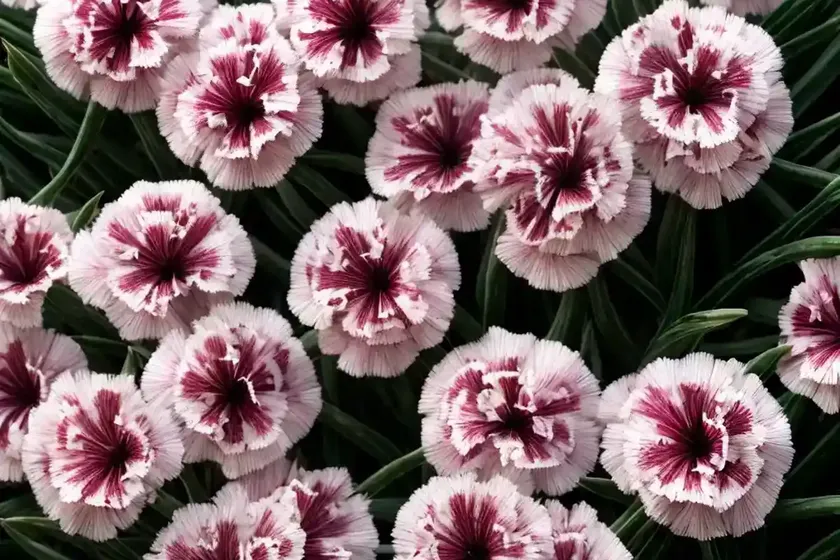
The Dianthus gratianopolitanus ‘Firewitch’ or Cheddar Pink is a delightful perennial plant that captivates gardeners with its vibrant and fragrant flowers. In this ultimate guide, we will explore everything you need to know about this charming plant, including its cultural needs, uses, maintenance, and much more. Whether you are an experienced gardener or just starting your journey in the world of plants, this comprehensive guide will equip you with all the necessary knowledge to care for and appreciate the beauty of the Dianthus gratianopolitanus ‘Firewitch’.
What is Dianthus gratianopolitanus ‘Firewitch’ (Cheddar Pink)?
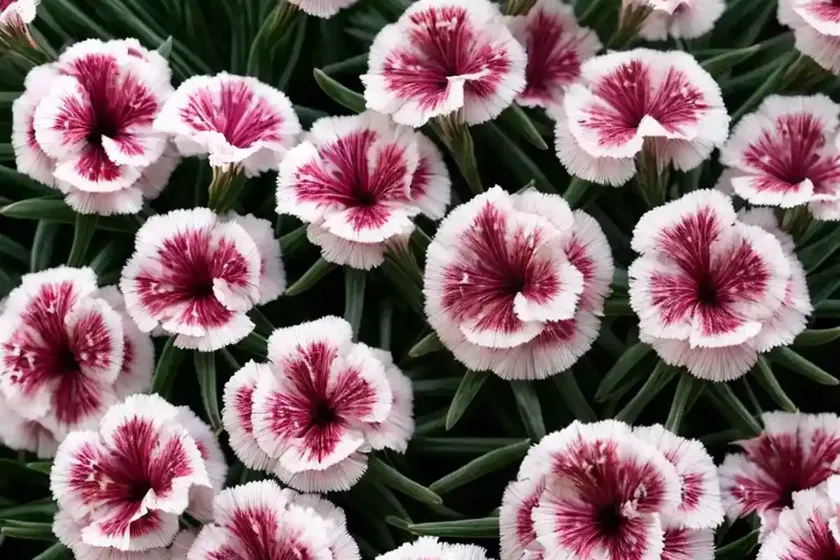
Dianthus gratianopolitanus ‘Firewitch’, commonly known as Cheddar Pink, is a herbaceous perennial with low, spreading mounds of bright green foliage. Originating from the mountains of Europe, this plant is valued for its charming, clove-scented, bright magenta-pink flowers that bloom profusely in late spring and early summer. The compact, evergreen mat of Cheddar Pink is a perfect addition to rock gardens, borders, or containers, adding a pop of color and a touch of fragrance to any setting.
Key Takeaways – Dianthus gratianopolitanus ‘Firewitch’ (Cheddar Pink)
Before we dive into the specifics of caring for Cheddar Pink, let’s review the key takeaways for quick reference:
- Culture: Dianthus gratianopolitanus ‘Firewitch’ is a low-maintenance perennial that thrives in well-drained soil and appreciates regular deadheading to encourage continuous blooming.
- Uses: It is popularly used in rock gardens, borders, and containers due to its compact size and vibrant flowers.
- Water: Cheddar Pink requires moderate watering, ensuring the soil is consistently moist but not waterlogged.
- Sunlight: This plant flourishes in full sun but can tolerate partial shade, especially in hot climates.
- Fertilizer: A balanced, slow-release fertilizer applied in spring can help support healthy growth and blooming.
- Soil: Well-drained, alkaline to neutral soil is ideal for Dianthus gratianopolitanus ‘Firewitch’.
- Pruning: Regular deadheading and light shearing after the bloom period can promote new growth and improve the plant’s appearance.
- Propagation: Propagation through stem cuttings or division in spring or fall is the most successful method.
- Container Popularity: Cheddar Pink is sought after for container gardening due to its compact size and colorful blooms.
- Common Diseases: It is susceptible to fungal diseases such as powdery mildew and botrytis blight in humid conditions or overcrowded plantings.
- Common Pests: Aphids, thrips, and spider mites are common pests that may affect Dianthus gratianopolitanus ‘Firewitch’.
Now, let’s delve into each of these aspects in detail to truly understand the care and characteristics of Dianthus gratianopolitanus ‘Firewitch’.
Culture
Water
Cheddar Pink generally requires moderate watering, and like many plants, it’s important to water deeply and infrequently rather than shallowly and often. The goal is to keep the soil consistently moist but not waterlogged to prevent root rot. During hot and dry periods, or in well-draining soil, more frequent watering may be necessary to maintain proper moisture levels. It’s always best to monitor the soil’s moisture content and adjust the watering schedule accordingly.
Sunlight
In terms of sunlight, Dianthus gratianopolitanus ‘Firewitch’ thrives in full sun locations. It is important to provide at least 6 hours of direct sunlight daily for optimal blooming and overall plant health. In hotter climates, some afternoon shade can be beneficial to protect the plant from scorching. However, in regions with cooler temperatures, full sun exposure is generally well-tolerated and encourages abundant flowering.
Fertilizer
Applying a balanced, slow-release fertilizer to Cheddar Pink in early spring can enhance its growth and blooming performance. A fertilizer with an N-P-K ratio of 10-10-10 or similar can provide the necessary nutrients without overwhelming the plant with excessive amounts of any specific element. Care should be taken to follow the recommended application rates to avoid fertilizer burn, and it’s best to water the plant thoroughly after fertilizing to ensure proper absorption of the nutrients.
Soil
The ideal soil for Dianthus gratianopolitanus ‘Firewitch’ is well-drained, alkaline to neutral soil. While it can tolerate slightly acidic conditions, it thrives in soils with a pH level ranging from 6.75 to 7.5. Organic matter such as compost can be incorporated into the soil during planting to improve its structure and fertility, thus providing a more hospitable environment for the Cheddar Pink to flourish.
Uses
The versatility of Dianthus gratianopolitanus ‘Firewitch’ makes it a popular choice for various landscaping and gardening applications. Here are some common uses for this charming perennial:
-
Rock Gardens: Its low, spreading habit and captivating flowers make Cheddar Pink an excellent addition to rock gardens, where it can gracefully cascade over edges or fill in gaps between rocks, adding a splash of color and fragrance to the rocky landscape.
-
Borders: Whether planted en masse to form colorful edging or interspersed with other perennials, the vibrant blooms of Dianthus gratianopolitanus ‘Firewitch’ can elevate the visual appeal of borders in gardens, contributing to a lively and attractive border display.
-
Containers: The compact size and showy flowers of this perennial make it a delightful choice for container gardening. Whether grown in individual pots or combined with other plants in mixed containers, Cheddar Pink adds a touch of elegance and beauty to patios, balconies, or any outdoor living spaces.
-
Cut Flowers: The fragrant, long-lasting flowers of Cheddar Pink are perfect for cutting and using in floral arrangements, adding color and a pleasant scent to indoor settings.
Overall, the uses of Dianthus gratianopolitanus ‘Firewitch’ are varied and demonstrate its adaptability to different garden designs and settings, making it a cherished plant among gardening enthusiasts.
Pruning
Pruning plays a crucial role in maintaining the health and appearance of Dianthus gratianopolitanus ‘Firewitch’. Proper pruning not only promotes continuous blooming but also helps to keep the plant tidy and vigorous. Here are some essential pruning tips for Cheddar Pink:
-
Deadheading: Regular deadheading, the removal of spent flowers, is essential to encourage the production of new blooms and prevent the plant from setting seed. This practice redirects the plant’s energy into producing more flowers, prolonging the blooming period and enhancing the overall visual appeal.
-
Shearing: Light shearing after the main bloom period can help rejuvenate the plant and promote new growth. By shearing back the foliage and spent blooms, the plant can maintain a compact, tidy appearance, leading to a healthier and more attractive growth habit.
-
Division: Over time, clumps of Dianthus gratianopolitanus ‘Firewitch’ may become overcrowded or less vigorous. Periodic division every 3-4 years in early spring or fall can revitalize the plant, enhance its blooming capacity, and prevent it from becoming too congested.
By incorporating these pruning techniques into the maintenance routine, gardeners can help Dianthus gratianopolitanus ‘Firewitch’ reach its full potential, resulting in lush, vibrant displays year after year.
Propagation
Division
One of the most successful methods of propagating Dianthus gratianopolitanus ‘Firewitch’ is through division. This process involves separating clumps of the plant into smaller sections, each containing roots and shoots. Division is most effectively carried out in early spring or early fall when the plant is not actively flowering.
Steps for Division:
- Prepare the Plant: Water the plant thoroughly a day before dividing to ensure it is adequately hydrated.
- Dig up the Plant: Carefully dig up the entire clump, taking care to minimize damage to the roots.
- Separate the Sections: Using a sharp, clean garden knife or spade, divide the clump into smaller sections, ensuring each section has a good portion of roots and healthy shoots.
Stem Cuttings
Taking stem cuttings is another viable method for propagating Dianthus gratianopolitanus ‘Firewitch’. This technique involves rooting stem segments to establish new plants.
Steps for Stem Cuttings:
- Select Healthy Stems: Choose healthy, non-flowering stems for the cuttings, and use a sharp, sterile knife to take 3-4 inch-long segments from the tips of the stems.
- Prepare the Cuttings: Remove the lower sets of leaves from the stem cuttings and dip the cut ends in a rooting hormone (optional) to enhance the rooting process.
- Rooting Medium: Insert the cuttings into a well-draining rooting medium, such as a mixture of perlite and peat moss, and ensure the medium is kept consistently moist but not waterlogged.
- Root Development: Place the cuttings in a warm, bright location, out of direct sunlight, and monitor their progress. Root development usually occurs within a few weeks.
Once roots have established, the new plants can be potted up and transitioned to their permanent growing locations, where they can flourish and grace the garden with their captivating blooms.
Common Diseases
Dianthus gratianopolitanus ‘Firewitch’ is generally a resilient plant, but it is susceptible to certain diseases, particularly in environments with unfavorable growing conditions. Some of the common diseases that may affect Cheddar Pink include:
Powdery Mildew
Powdery mildew is a fungal disease that appears as a powdery, white substance on the foliage of plants. It thrives in humid conditions and can cause the leaves of Dianthus gratianopolitanus ‘Firewitch’ to become distorted and unsightly. To prevent powdery mildew, it is important to maintain good air circulation around the plants, avoid overhead watering, and promptly remove and dispose of any affected foliage.
Botrytis Blight
Also known as gray mold, botrytis blight is a fungal disease that presents as brown spots on the leaves and stems of plants. It is commonly observed in periods of prolonged wetness or high humidity. To prevent botrytis blight, it is crucial to provide adequate spacing between plants to promote air circulation, water the plants at the base to keep the foliage dry, and remove any affected plant material to prevent the spread of the disease.
By maintaining good cultural practices and promptly addressing any signs of disease, gardeners can minimize the impact of these common diseases and promote the overall health of Dianthus gratianopolitanus ‘Firewitch’.
Common Pests
In addition to diseases, Cheddar Pink may also be vulnerable to certain pests that can compromise its health and appearance. Some of the common pests that can affect Dianthus gratianopolitanus ‘Firewitch’ include:
Aphids
Aphids are small, soft-bodied insects that congregate on the tender new growth of plants, sucking sap from the leaves and stems. Their presence can cause the leaves to become distorted, yellow, or stippled. To manage aphids, a strong jet of water can be used to dislodge them from the plant, or insecticidal soaps and oils can be applied to control their populations.
Thrips
Thrips are tiny, slender insects that feed on the foliage, flowers, and buds of plants, leading to distorted growth and a silvery appearance on the affected areas. To manage thrips, it is important to maintain good overall plant health, remove and destroy any infested plant parts, and employ biological controls or insecticidal treatments if necessary.
Spider Mites
Spider mites are minuscule arachnids that feed on the sap of plants, often causing stippling, discoloration, and webbing on the foliage. To manage spider mites, frequent monitoring, the use of water sprays to dislodge the pests, and the application of horticultural oils can help to prevent infestations and protect the overall vitality of the plant.
By staying vigilant and implementing integrated pest management strategies, gardeners can effectively manage these common pests and safeguard the health and beauty of Dianthus gratianopolitanus ‘Firewitch’.
Botanist’s Tips
To ensure the successful cultivation and enjoyment of Dianthus gratianopolitanus ‘Firewitch’, here are some valuable tips from botanists and experienced gardeners:
-
Mulching: Applying a layer of organic mulch around the base of the plant can help conserve soil moisture, suppress weed growth, and provide insulation for the roots during temperature fluctuations, contributing to overall plant health.
-
Winter Protection: In regions with harsh winters, Cheddar Pink can benefit from a layer of mulch or evergreen boughs to protect it from extreme cold and frost heaving. This protective covering can be applied after the ground freezes and removed in early spring.
-
Companion Planting: Pairing Cheddar Pink with other sun-loving, well-drained soil perennials such as lavender, salvia, or ornamental grasses can create harmonious and visually appealing combinations in the garden while providing diverse habitats for beneficial insects.
-
Rejuvenation Pruning: If the center of the plant becomes woody and unproductive over time, rejuvenation pruning can be carried out by cutting back the entire plant to 3-4 inches above the ground level in early spring. This rejuvenation process can invigorate the plant and promote a healthier growth habit.
By implementing these botanist’s tips, gardeners can enhance the overall well-being of Dianthus gratianopolitanus ‘Firewitch’ and unlock its full potential in the garden.
Fun Facts
As we immerse ourselves in the world of Dianthus gratianopolitanus ‘Firewitch’, it’s fascinating to uncover some fun and interesting facts about this delightful perennial:
-
Fragrant Flowers: The flowers of Cheddar Pink not only exhibit vibrant colors but also emit a delightful, spicy fragrance, reminiscent of cloves, adding an extra sensory dimension to the garden.
-
Deer Resistance: Dianthus gratianopolitanus ‘Firewitch’ is known for its resistance to deer browsing, making it a suitable choice for landscapes where deer may be a concern.
-
Attracts Pollinators: The nectar-rich flowers of Cheddar Pink attract bees, butterflies, and other pollinators, contributing to the biodiversity and ecological vitality of the garden.
-
Winter Interest: In regions with milder winters, the evergreen foliage of Dianthus gratianopolitanus ‘Firewitch’ can provide visual interest and a touch of greenery throughout the winter months, adding structure to the garden during the colder seasons.
These fun facts add depth to our appreciation of Dianthus gratianopolitanus ‘Firewitch’ and showcase its unique qualities that make it a standout plant in the garden.
Links to External Resources
For further exploration of Dianthus gratianopolitanus ‘Firewitch’ and related topics, the following external resources offer valuable information, inspiration, and expertise:
- Royal Horticultural Society – Dianthus gratianopolitanus ‘Firewitch’
- Missouri Botanical Garden – Dianthus gratianopolitanus ‘Firewitch’
- Dave’s Garden – The Cheddar Pink Dianthus gratianopolitanus ‘Firewitch’
- North Carolina State Extension – Growing Dianthus
- University of Florida IFAS Extension – Care of Dianthus
These resources provide a wealth of knowledge and insights for gardeners interested in learning more about Dianthus gratianopolitanus ‘Firewitch’, its care, and its role in diverse garden settings.
In conclusion, Dianthus gratianopolitanus ‘Firewitch’, or Cheddar Pink, is a captivating and enduring addition to any garden or landscape. With its vibrant flowers, delightful fragrance, and versatile uses, this perennial plant has rightfully earned its place as a cherished favorite among gardening enthusiasts. By understanding its cultural needs, knowing how to care for it, and appreciating its unique characteristics, we can cultivate a deep admiration for the beauty of Dianthus gratianopolitanus ‘Firewitch’ and enjoy its presence in our outdoor spaces for years to come.
By incorporating the insights from this ultimate guide into your gardening endeavors, you can cultivate an enduring appreciation for the charm and resilience of Dianthus gratianopolitanus ‘Firewitch’, creating vibrant and flourishing landscapes that bring joy and tranquility to the heart and soul.