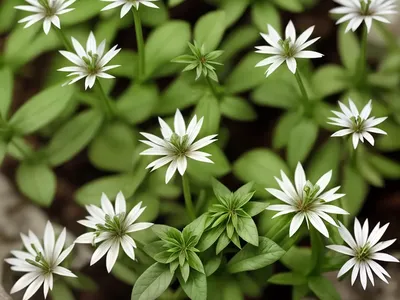
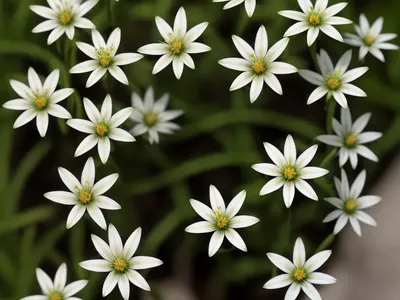
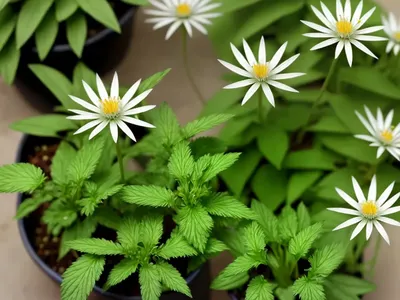
Dianthus Gratianopolitanus (Cheddar Pink)
Plants are incredible organisms that play a crucial role in sustaining life on our planet. They come in diverse forms, displaying an array of colors.
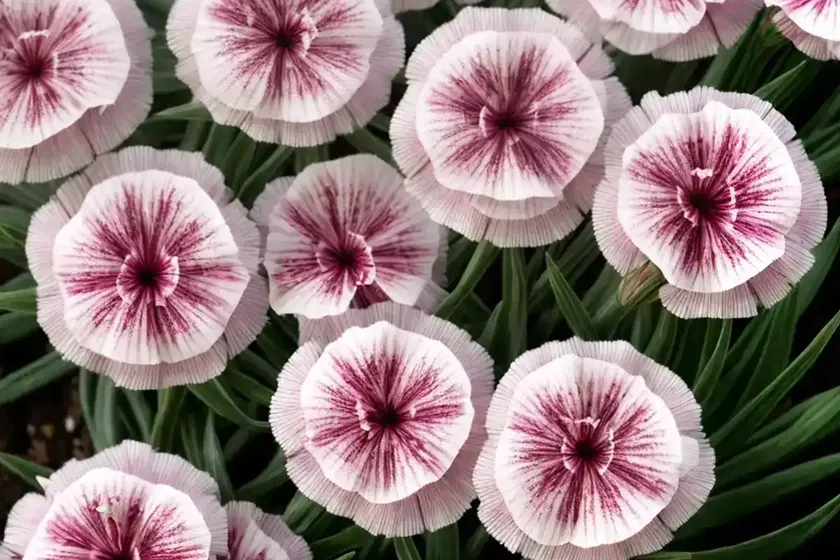
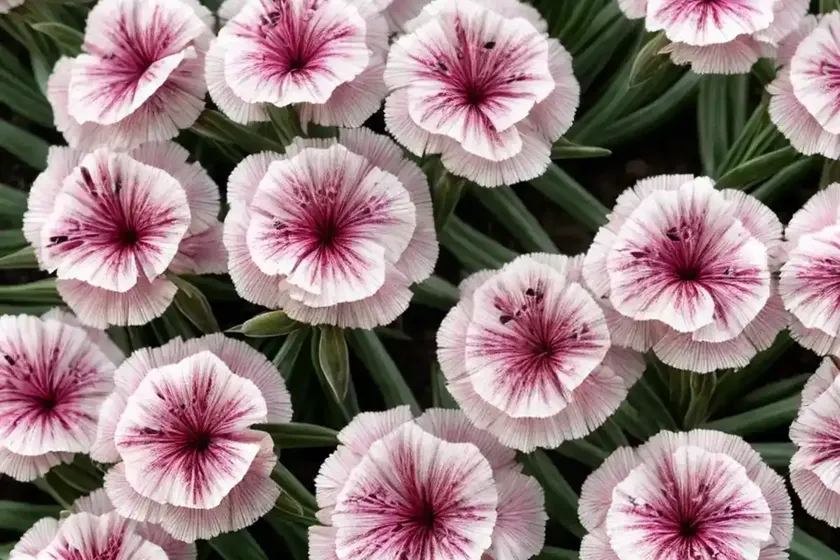
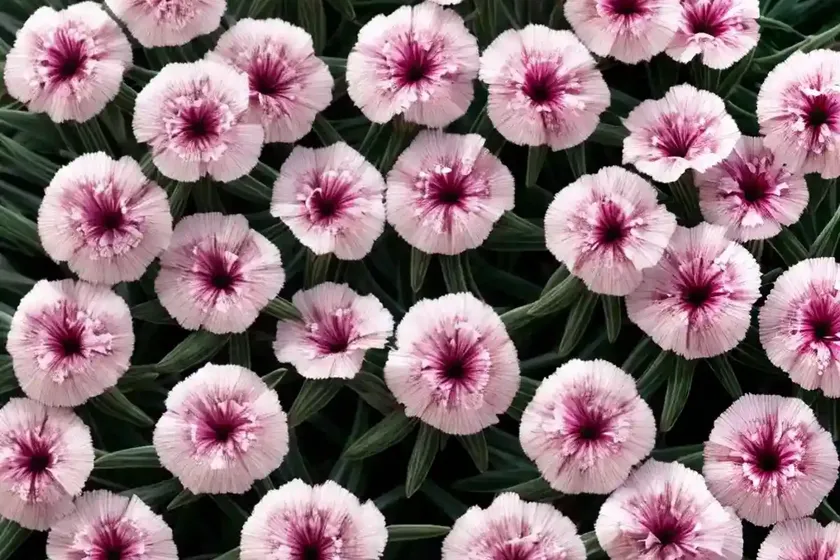
Plants are incredible organisms that play a crucial role in sustaining life on our planet. They come in diverse forms, displaying an array of colors, shapes, and fragrances. Among the countless plant species that captivate our attention and bring beauty to our surroundings, Dianthus gratianopolitanus, more commonly known as Cheddar Pink, stands out for its charming appearance and versatility. In this comprehensive guide, we will delve into the various aspects of Dianthus gratianopolitanus, exploring its cultivation, care, and significance in gardening and landscaping.
What is Dianthus gratianopolitanus (Cheddar Pink)?
Dianthus gratianopolitanus, a member of the Caryophyllaceae family, is a compact, mat-forming perennial plant native to parts of Europe and Asia. With its low-growing habit and tufted growth form, this plant is valued for its attractive, grassy foliage and profusion of dainty, fragrant flowers, making it a popular choice for rock gardens, borders, and containers.
Key Takeaways – Dianthus gratianopolitanus (Cheddar Pink)
Before we delve deeper into the intricacies of cultivating and caring for Dianthus gratianopolitanus, let’s take a quick look at the key takeaways:
- Plant Name: Dianthus gratianopolitanus (Cheddar Pink)
- Family: Caryophyllaceae
- Common Name: Cheddar Pink
- Plant Type: Perennial
- Native Habitat: Europe and Asia
- Growth Habit: Mat-forming
- Foliage Type: Grass-like
- Flower Characteristics: Fragrant, dainty, and colorful
- Uses: Rock gardens, borders, containers, and ground cover
- Notable Features: Low-maintenance, versatile, and easy to propagate
Now, let’s explore the various facets of this captivating plant.
Culture
Cultivating Dianthus gratianopolitanus is a delightful experience, as it thrives in favorable growing conditions and adds a touch of elegance to any landscape or garden setting. Understanding its cultural requirements is essential for nurturing its growth and ensuring its overall well-being.
Uses
The versatile nature of Dianthus gratianopolitanus makes it an ideal choice for various horticultural and landscaping purposes. Some common uses of Cheddar Pink include:
- Rock Gardens: Its low-growing habit and colorful blooms make it a perfect addition to rock gardens, where it adds visual interest and brightens up the landscape.
- Borders: Cheddar Pink serves as an excellent border plant, creating a neat and vibrant edge along pathways, flower beds, or garden borders.
- Containers: Whether used in hanging baskets, window boxes, or decorative pots, Dianthus gratianopolitanus lends itself well to container gardening, offering a charming display of flowers and foliage.
- Ground Cover: Due to its mat-forming growth habit, Cheddar Pink is often used as a ground cover plant, providing an attractive carpet of greenery and blooms.
Water
When it comes to watering Dianthus gratianopolitanus, it is essential to strike a balance to prevent water-related issues such as root rot while ensuring adequate moisture for healthy growth. Here are some tips for watering Cheddar Pink:
- Moisture Needs: Dianthus gratianopolitanus prefers well-draining soil and moderate moisture levels. Overly wet or waterlogged conditions should be avoided.
- Watering Frequency: During the active growing season, water the plant regularly, allowing the soil to dry slightly between watering sessions. In hot weather, more frequent watering may be necessary to prevent drought stress.
Sunlight
Proper sunlight exposure is crucial for the health and blooming of Dianthus gratianopolitanus. The following guidelines can help you ensure that your Cheddar Pink receives adequate sunlight:
- Sun Requirements: Cheddar Pink thrives in full sun to partial shade. In regions with intense heat, providing some afternoon shade can help protect the plant from scorching and maintain its vibrant blooms.
- Optimal Light Conditions: Aim to place Cheddar Pink in a location where it receives at least 6-8 hours of sunlight per day, ensuring robust growth and abundant flowering.
Fertilizer
Feeding Dianthus gratianopolitanus with the right type and amount of fertilizer can bolster its growth and enhance its flowering performance. Here’s how you can effectively fertilize your Cheddar Pink:
- Fertilizer Type: Use a balanced, slow-release fertilizer formulated for flowering perennials or a general-purpose fertilizer with equal NPK (nitrogen, phosphorus, and potassium) ratios.
- Application Timing: Apply fertilizer in early spring as new growth emerges, and then again in midsummer to support continuous blooms. Follow the manufacturer’s instructions for application rates and methods.
Soil
The soil composition and quality play a pivotal role in nurturing the growth and vitality of Dianthus gratianopolitanus. Understanding the soil requirements for Cheddar Pink is essential for creating an optimal growing environment.
- Soil Type: Cheddar Pink thrives in well-draining, slightly alkaline to neutral soil with good fertility. Sandy or loamy soils with a pH range of 6.0-7.5 are well-suited for its growth.
- Improving Soil: If your soil is heavy or compacted, amending it with organic matter such as compost or peat moss can improve drainage and enhance the soil structure, promoting healthy root development.
Pruning
Pruning is an important aspect of Dianthus gratianopolitanus care, as it helps maintain the plant’s shape, promotes blooming, and prevents the buildup of old, woody growth. Here are some pruning guidelines for Cheddar Pink:
- Deadheading: Regularly remove spent flowers to encourage continuous blooming and prevent seed formation. This also keeps the plant looking tidy and prevents self-seeding in the garden.
- Shearing: After the initial flowering period, lightly shear the plant to remove faded blooms and encourage a second flush of flowers. Avoid cutting into woody stems at the base.
Propagation
The ability to propagate Dianthus gratianopolitanus through various methods allows gardeners to expand their plant collection and share the beauty of Cheddar Pink with others. Here are some common propagation techniques for this delightful perennial:
- Division: Divide mature clumps of Dianthus gratianopolitanus in early spring or late summer. Carefully lift the clump, separate the individual plant sections, and replant them in prepared soil.
- Cuttings: Propagate Cheddar Pink from stem cuttings in early summer. Select healthy, non-flowering stems, and root them in a well-draining propagation mix. Provide bottom heat and consistent moisture for successful rooting.
Container Popularity
The compact, low-growing nature of Dianthus gratianopolitanus makes it a popular choice for container gardening. Its vibrant blooms and evergreen foliage add a splash of color and charm to various container arrangements, ranging from mixed planters to window boxes. Gardeners and landscapers appreciate the versatility of Cheddar Pink in container designs, where it harmonizes beautifully with other sun-loving annuals and perennials. The following are some reasons why Cheddar Pink is well-suited for container cultivation:
- Compact Growth: The small stature of Dianthus gratianopolitanus makes it a perfect fit for containers of all sizes, from small pots to larger planters.
- Color Variety: Cheddar Pink is available in a range of flower colors, allowing for creative and colorful container compositions.
- Low Maintenance: In containers, Cheddar Pink requires minimal maintenance and retains an attractive appearance throughout the growing season.
Common Diseases
While Dianthus gratianopolitanus is generally robust and resistant to many pests and diseases, certain environmental conditions or cultural practices can predispose it to specific issues. Familiarizing yourself with the common diseases that affect Cheddar Pink and their preventive measures can help you maintain healthy, disease-free plants. Some common diseases to watch for include:
- Powdery Mildew: This fungal disease manifests as a powdery white coating on the leaves, causing them to become distorted and stunted. Improving air circulation and avoiding overhead watering can help prevent powdery mildew.
- Crown Rot: Excessively wet soil or poor drainage can lead to crown rot in Dianthus gratianopolitanus, resulting in wilting, yellowing foliage, and stunted growth. Planting in well-draining soil and avoiding waterlogged conditions are crucial for preventing crown rot.
Disease Diagnosis
When diagnosing and addressing potential diseases in Dianthus gratianopolitanus, careful observation and prompt action are essential. If you notice any abnormalities in your Cheddar Pink plants, such as unusual spots, discoloration, or wilting, consider the following steps for disease diagnosis:
- Visual Inspection: Thoroughly examine the foliage, stems, and flowers for any signs of disease, such as unusual spots, lesions, or abnormal growth patterns.
- Symptom Analysis: Take note of specific symptoms and changes in the plant’s appearance or growth habits. Pay attention to any patterns of progression or spread.
- Environmental Assessment: Evaluate the environmental conditions, including moisture levels, sunlight exposure, and air circulation, which may contribute to disease development.
- Professional Consultation: If you are uncertain about the nature of a plant disease, seek guidance from local horticulturists or plant pathologists for accurate diagnosis and treatment recommendations.
Common Pests
In addition to being susceptible to certain diseases, Dianthus gratianopolitanus may also face pest challenges that can affect its overall health and appearance. Familiarize yourself with the common pests that may target Cheddar Pink and the appropriate pest management strategies to protect your plants. Some common pests to watch for include:
- Aphids: These tiny insects feed on the sap of Dianthus gratianopolitanus, causing distorted growth and the secretion of sticky honeydew. A strong blast of water or insecticidal soap can help control aphid infestations.
- Spider Mites: Spider mites thrive in hot, dry conditions and can cause stippled, discolored foliage in Cheddar Pink. Regularly misting the plant and using insecticidal sprays can deter spider mite infestations.
Botanist’s Tips
Incorporating the following botanist’s tips into your approach to cultivating Dianthus gratianopolitanus can be invaluable in promoting its vigor, enhancing its ornamental value, and addressing potential challenges:
- Mulching: Apply a layer of organic mulch around the base of Cheddar Pink to conserve soil moisture, suppress weed growth, and moderate soil temperatures.
- Air Circulation: Ensure adequate spacing between plants to promote good air circulation, reducing the risk of fungal diseases and improving overall plant health.
- Regular Inspection: Periodically inspect your Cheddar Pink plants for signs of pests, diseases, or nutrient deficiencies, enabling early intervention and targeted treatments.
- Companion Planting: Consider integrating Cheddar Pink with companion plants that complement its growth habits and share similar cultural requirements, creating harmonious and aesthetically pleasing combinations in the garden.
Fun Facts
As we explore the captivating world of Dianthus gratianopolitanus, let’s uncover some fun and intriguing facts about Cheddar Pink that add to its allure and appeal:
- Historical Significance: Dianthus gratianopolitanus has been cultivated for centuries, with historical references to its use in gardens and floral arrangements dating back to ancient civilizations.
- Fragrant Blooms: One of the most enchanting qualities of Cheddar Pink is its delightful fragrance, which adds an olfactory dimension to garden spaces and outdoor settings.
- Cultural Symbolism: In various cultures, Dianthus species, including Cheddar Pink, have been associated with symbolism and traditions, often representing love, passion, and admiration.
Links to External Resources
For further information and resources on Dianthus gratianopolitanus (Cheddar Pink), you may find the following external links to be valuable references:
- Royal Horticultural Society (RHS): Dianthus gratianopolitanus Overview
- University of Wisconsin-Madison Extension: Cheddar Pinks and Other Dianthus
- Missouri Botanical Garden: Dianthus gratianopolitanus Plant Profile
- American Society for the Prevention of Cruelty to Plants (ASPCP): Cultivating Cheddar Pink: A Gardener’s Guide
Conclusion
In conclusion, Dianthus gratianopolitanus, or Cheddar Pink, is a delightful and versatile perennial plant that adds color, fragrance, and visual interest to gardens, landscapes, and container arrangements. By understanding its cultural requirements, addressing potential challenges, and appreciating its ornamental value, gardeners and plant enthusiasts can cultivate and enjoy the beauty of Cheddar Pink in various horticultural settings. Whether used as a ground cover, a border plant, or a container centerpiece, this charming Dianthus species continues to captivate and inspire with its enduring appeal and botanical allure.
We hope this guide has provided you with valuable insights into the world of Dianthus gratianopolitanus and its significance in gardening, landscaping, and horticulture. As you embark on your journey with Cheddar Pink, may the beauty and resilience of this beloved plant enrich your outdoor spaces and bring joy to your gardening endeavors.
Remember to embrace the timeless allure and botanical charm of Dianthus gratianopolitanus, and may the vibrant blooms and graceful foliage of Cheddar Pink continue to thrive in your garden, creating a tapestry of natural beauty and floral splendor.
Happy gardening and happy growing!
Note: This blog post is for informational purposes only and does not constitute professional gardening or horticultural advice. Always consult with local gardening experts and extension services for tailored guidance on plant care and cultivation.