Dianthus Gratianopolitanus ‘Bath’s Pink’ (Cheddar Pink)
Dianthus gratianopolitanus ‘Bath’s Pink’, commonly known as Cheddar Pink, is a beautiful perennial plant that is cherished for its delicate pink flowers.
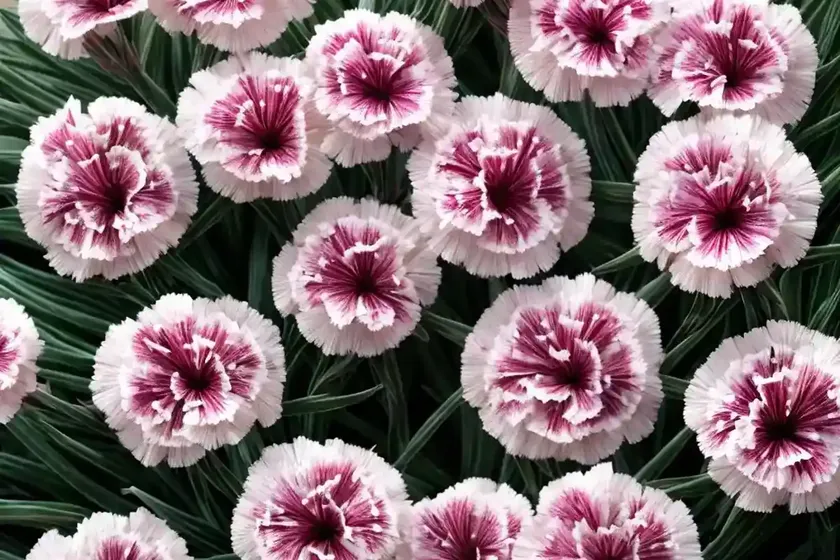
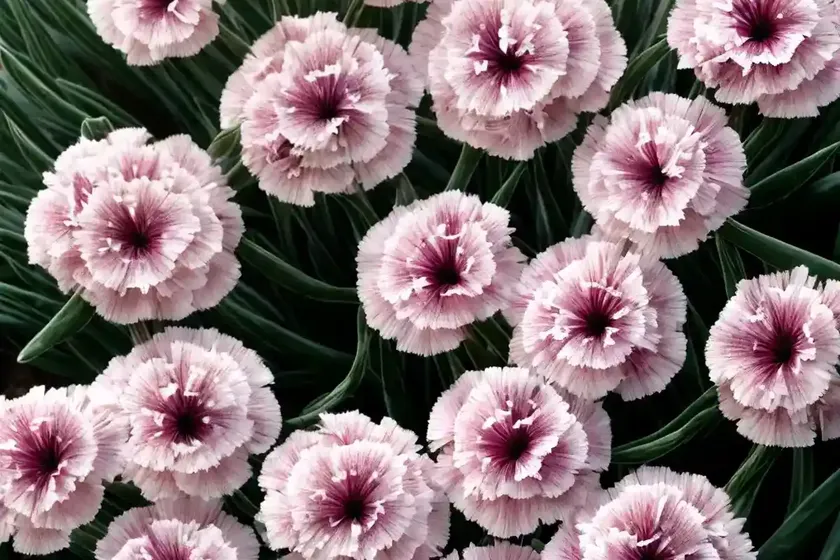
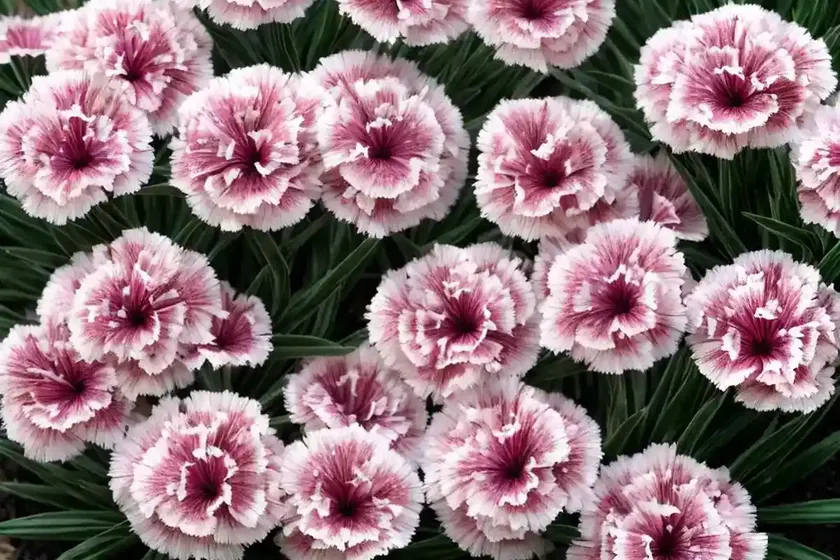
Dianthus gratianopolitanus ‘Bath’s Pink’, commonly known as Cheddar Pink, is a beautiful perennial plant that is cherished for its delicate pink flowers and low-growing, mat-forming nature. This charming plant belongs to the Caryophyllaceae family and is native to parts of Europe and Turkey. In this comprehensive guide, we will explore the various aspects of this captivating plant, including its culture, uses, care requirements, and much more.
Key Takeaways – Dianthus gratianopolitanus ‘Bath’s Pink’ (Cheddar Pink)
Before delving into the details, let’s highlight the key takeaways about Dianthus gratianopolitanus ‘Bath’s Pink’ (Cheddar Pink):
- Cheddar Pink, also known as Dianthus gratianopolitanus ‘Bath’s Pink’, is a perennial plant celebrated for its stunning pink flowers and low-growing habit.
- This plant is well-suited for use as a groundcover, an edging plant, or in rock gardens due to its compact and spreading nature.
- Cheddar Pink thrives in well-drained soil and full sunlight, making it an excellent choice for gardeners looking to add a splash of color to sunny areas.
- With proper care, Cheddar Pink is relatively low-maintenance and can be propagated through division or cuttings.
- While it is generally resistant to pests and diseases, occasional monitoring and appropriate measures can help maintain its health and vigor.
Now, let’s dive into the various aspects of Dianthus gratianopolitanus ‘Bath’s Pink’, from its cultural requirements to its propagation and common diseases.
What is Dianthus gratianopolitanus ‘Bath’s Pink’ (Cheddar Pink)?
Dianthus gratianopolitanus ‘Bath’s Pink’, commonly referred to as Cheddar Pink, is a herbaceous perennial plant that is prized for its dainty, pink flowers and evergreen foliage. This species is a native of Europe and Turkey, where it can be found adorning rocky slopes, grasslands, and alpine meadows. The name “Cheddar Pink” is attributed to its historical association with the Cheddar Gorge in Somerset, England, where it was once abundant.
As a ground-hugging plant, Cheddar Pink forms dense mats of narrow, grass-like, grey-green leaves, which serve as an attractive backdrop to its profusion of charming pink blooms. The flowers, which appear in late spring to early summer, exhibit a delightful clove-like fragrance, further adding to the plant’s appeal. With its ability to tolerate dry and rocky conditions, Cheddar Pink has become a sought-after choice for rock gardens, borders, and sunny slopes.
Culture
Uses
Dianthus gratianopolitanus ‘Bath’s Pink’ (Cheddar Pink) has been valued for its ornamental and functional uses throughout history. Here are some of its notable uses:
- Ornamental Gardening: Cheddar Pink is widely utilized in ornamental gardening, where it is employed as a groundcover, edging plant, or a focal point in rock gardens and alpine plantings.
- Rock Gardens: Its low-growing and spreading nature makes it a perfect addition to rock gardens, where it adds a pop of color and texture.
- Cut Flowers: The fragrant pink blooms of Cheddar Pink are sometimes used in cut flower arrangements, exuding their delightful scent indoors.
- Pollinator Attraction: The nectar-rich flowers of Cheddar Pink attract butterflies, bees, and other pollinators, contributing to the biodiversity of the garden.
- Erosion Control: Due to its mat-forming habit, Cheddar Pink can be utilized to control erosion on slopes and embankments, providing both aesthetic and practical benefits.
Water
Watering is an essential aspect of Dianthus gratianopolitanus ‘Bath’s Pink’ care, especially during its initial establishment and hot, dry periods. Here are some key points to consider regarding watering:
- Establishment: Newly planted Cheddar Pink should be watered regularly to ensure adequate moisture for root development. It is important to keep the soil consistently moist, but not waterlogged, for the first few weeks after planting.
- Mature Plants: Once established, Cheddar Pink exhibits good drought tolerance and prefers slightly drier conditions. Watering during periods of prolonged drought or extreme heat can help maintain the plant’s vigor and flowering.
- Watering Frequency: As a general rule of thumb, Cheddar Pink should be watered when the soil feels dry to the touch. Avoid overwatering, as excessive moisture can lead to root rot and other issues.
Sunlight
Sunlight plays a crucial role in the growth and blooming of Dianthus gratianopolitanus ‘Bath’s Pink’. Here are some important considerations regarding sunlight requirements:
- Full Sun: Cheddar Pink thrives in full sunlight, requiring a minimum of 6 hours of direct sun exposure per day. In regions with hot summers, some afternoon shade can be beneficial to prevent stress and sunburn.
- Partial Shade: While Cheddar Pink prefers full sun, it can tolerate light or dappled shade, especially in areas with intense midday sun or high temperatures.
Fertilizer
Applying the right type and amount of fertilizer can promote healthy growth and abundant flowering in Dianthus gratianopolitanus ‘Bath’s Pink’. Here are some fertilizer-related tips:
- Balanced Fertilizer: Use a balanced, slow-release fertilizer with a formulation such as 10-10-10 or 5-10-5 in early spring, following the manufacturer’s recommendations for application rates.
- Frequency: A single application of fertilizer in early spring is usually sufficient to support the plant’s growth and flowering.
- Avoid Excess Nitrogen: Refrain from using high-nitrogen fertilizers, as they can promote excessive foliage growth at the expense of flowering.
Soil
The choice of soil and its preparation are essential factors in ensuring the well-being of Dianthus gratianopolitanus ‘Bath’s Pink’. Here are some soil-related considerations:
- Well-Drained Soil: Cheddar Pink thrives in well-drained, moderately fertile soil with a slightly alkaline to neutral pH. Good drainage is critical to prevent waterlogging, which can lead to root rot and other complications.
- Soil Amendment: Prior to planting, amending the soil with organic matter, such as compost or well-rotted manure, can improve its structure and fertility.
- Raised Beds: In areas with heavy or poorly drained soil, planting Cheddar Pink in raised beds or mounds can help avoid excessive soil moisture.
Pruning
Pruning plays a role in maintaining the compact, tidy appearance of Dianthus gratianopolitanus ‘Bath’s Pink’ and promoting repeat blooming. Here are some pruning guidelines:
- Deadheading: Regular deadheading, which involves removing spent flowers, encourages the development of new blooms and extends the flowering period.
- Tidy-Up Pruning: After the main flowering period, conducting a light shearing or tidying up of the plant can help promote a neater appearance and spur additional flowering.
- Rejuvenation: Every few years, consider rejuvenating overgrown or straggly Cheddar Pink by dividing the clumps and replanting vigorous sections.
Propagation
Cheddar Pink can be propagated through various methods to expand its presence in the garden or share its beauty with others. Here are some propagation techniques:
- Division: Divide mature clumps of Cheddar Pink in early spring or early fall to create new plants. Carefully separate the clumps into smaller sections, ensuring each division has sufficient roots and foliage.
- Cuttings: Stem cuttings can be taken from healthy, non-flowering shoots in late spring or early summer. Dip the cut ends in rooting hormone and plant them in a well-draining growing medium to encourage root development.
Container Popularity
While Cheddar Pink is primarily grown in garden beds and rockeries, it can also thrive in containers. Here are some considerations for growing Cheddar Pink in containers:
- Container Selection: Choose containers with good drainage holes and a size that accommodates the spread of the Cheddar Pink plant.
- Growing Medium: Use a well-draining, fertile potting mix suitable for perennial plants when planting Cheddar Pink in containers.
- Watering: Container-grown Cheddar Pink may require more frequent watering than those in the ground, particularly during hot, dry periods.
Common Diseases and Pests
Disease Diagnosis
While Cheddar Pink is generally resistant to diseases, there are some common issues to be aware of. Here are some potential diseases that may affect this plant:
- Powdery Mildew: In conditions of high humidity or poor air circulation, Cheddar Pink can be susceptible to powdery mildew, which manifests as a white, powdery coating on leaves and stems.
- Crown Rot: Excessive moisture and poor drainage can lead to crown rot, causing the plant to wilt and exhibit signs of decay at the base.
- Fungal Leaf Spots: Certain fungal pathogens can cause dark, water-soaked spots on the foliage, potentially leading to leaf yellowing and premature leaf drop.
Common Pests
Cheddar Pink is generally resistant to most pests, but occasional monitoring is recommended to address any pest-related issues. Some potential pests that may affect this plant include:
- Aphids: These small, soft-bodied insects may feed on the sap of Cheddar Pink, causing distorted growth and the presence of sticky honeydew.
- Spider Mites: Under hot and dry conditions, spider mites can infest Cheddar Pink, leading to stippled, discolored foliage and the presence of fine webbing.
- Slugs and Snails: These mollusks are known to feed on the foliage of Cheddar Pink, resulting in ragged leaf edges and holes.
Monitoring the plant for signs of pests or diseases and taking prompt action through cultural or chemical measures can help maintain the health and vitality of Cheddar Pink.
Botanist’s Tips
- Mulching: Apply a layer of organic mulch, such as shredded bark or compost, around the base of Cheddar Pink to conserve moisture, suppress weeds, and insulate the roots.
- Overwintering: In regions with cold winters, providing a layer of mulch or evergreen boughs over the Cheddar Pink plants can offer protection from frost and fluctuating temperatures.
- Companion Planting: Pair Cheddar Pink with other sun-loving, drought-tolerant perennials and ornamental grasses to create beautiful, low-maintenance garden compositions.
Fun Facts
- The specific epithet “gratianopolitanus” in the scientific name Dianthus gratianopolitanus refers to Gratianopolis, an ancient city in Thrace, reflecting the plant’s historical association with the region.
- Cheddar Pink has been used in traditional medicine for its aromatic and medicinal properties, with applications ranging from digestive aid to wound healing.
- One of the traditional uses of Cheddar Pink was to line the walkways of monasteries and gardens, where its delightful fragrance and long-lasting flowers enhanced the ambiance.
Links to External Resources
- Royal Horticultural Society – Dianthus gratianopolitanus ‘Bath’s Pink’
- Missouri Botanical Garden – Cheddar Pink
- University of Florida IFAS Extension – Dianthus gratianopolitanus
By understanding the cultural requirements, uses, and care tips for Dianthus gratianopolitanus ‘Bath’s Pink’ (Cheddar Pink), gardeners can appreciate and cultivate this beautiful perennial with confidence. Whether adorning a rock garden, border, or container, the delicate pink blooms and compact form of Cheddar Pink are sure to enhance any landscape with their timeless charm and simplicity.