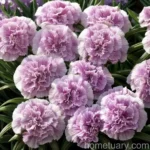
Dianthus ‘Georgia Peach Pie’ (Pink): A Complete Guide for Plant Lovers
Introduction
Dianthus ‘Georgia Peach Pie’ (Pink) is a delightful perennial plant that captivates the hearts of gardening enthusiasts with its charming pink flowers and delightful fragrance. This cultivar is a part of the Dianthus genus, which includes a wide array of ornamental plants known for their stunning blooms and easy-to-care-for nature. In this comprehensive guide, we will explore the various facets of Dianthus ‘Georgia Peach Pie’, from its cultural requirements to its propagation techniques, common diseases, and interesting facts. Whether you’re a seasoned gardener or a beginner looking to add a touch of elegance to your garden, this article is your go-to resource for all things Dianthus ‘Georgia Peach Pie’.
Key Takeaways – Dianthus ‘Georgia Peach Pie’ (Pink)
Before delving deeper into the world of Dianthus ‘Georgia Peach Pie’, let’s take a quick look at some key takeaways associated with this captivating plant:
- Plant Name: Dianthus ‘Georgia Peach Pie’ (Pink)
- Category: Perennial plants
- Characteristics: Fragrant pink flowers
- Cultural Benefits: Low maintenance, drought-tolerant, and attractive to pollinators
- Gardening Applications: Suitable for flower beds, containers, and landscaping
- Propagation Method: Easily propagated through cuttings
With these key highlights in mind, let’s embark on a journey to uncover the intricacies of Dianthus ‘Georgia Peach Pie’ and learn how to best care for this enchanting plant.
Dianthus ‘Georgia Peach Pie’ (Pink): In Depth
1. What is Dianthus ‘Georgia Peach Pie’ (Pink)?
Dianthus ‘Georgia Peach Pie’ is a cultivar of the Dianthus genus, which belongs to the Caryophyllaceae family. This delightful perennial is renowned for its captivating clusters of fragrant, pink flowers that add a touch of elegance to any garden setting.
Taxonomic Classification
To gain a deeper understanding of Dianthus ‘Georgia Peach Pie’, it’s important to explore its taxonomic classification:
- Kingdom: Plantae
- Clade: Tracheophytes
- Clade: Angiosperms
- Order: Caryophyllales
- Family: Caryophyllaceae
- Genus: Dianthus
- Species: Dianthus ‘Georgia Peach Pie’
2. Culture
Understanding the cultural requirements of Dianthus ‘Georgia Peach Pie’ is essential to ensure its optimal growth and development. Let’s delve into the various factors that contribute to the successful cultivation of this charming plant.
Uses
Dianthus ‘Georgia Peach Pie’ is a versatile plant that offers a range of uses in the garden and beyond:
- Garden Flowers: Adds a pop of color and fragrance to flower beds and borders
- Container Plant: Thrives in containers, making it suitable for balconies and patios
- Cut Flowers: Makes a delightful addition to floral arrangements and bouquets
- Attracts Pollinators: Draws in bees, butterflies, and other pollinators to the garden
- Edible Flowers: Some Dianthus varieties have edible petals that can be used in culinary creations
Water
Proper watering is crucial for the health and vitality of Dianthus ‘Georgia Peach Pie’. Here are some key considerations regarding watering:
- Watering Frequency: Water when the top inch of soil becomes dry, typically every 1-2 weeks
- Avoid Overwatering: Dianthus is susceptible to root rot, so it’s important to ensure proper drainage
- Morning Watering: Water in the morning to allow foliage to dry during the day, reducing the risk of disease
Sunlight
Dianthus ‘Georgia Peach Pie’ thrives in sunny conditions and benefits from ample sunlight:
- Sun Exposure: Requires full sun to partial shade
- Optimal Light: Aim for 6-8 hours of direct sunlight per day for best blooming performance
- Shade Tolerance: Can tolerate some afternoon shade in hot climates
Fertilizer
Feeding Dianthus ‘Georgia Peach Pie’ with the right nutrients encourages healthy growth and abundant blooms:
- Fertilizer Type: Use a balanced, slow-release fertilizer or a fertilizer specifically formulated for flowering plants
- Application Frequency: Fertilize in early spring and again in mid-summer, following package instructions for amounts
- Avoid Over-Fertilizing: Excessive fertilization can lead to leggy growth and reduced flowering
Soil
The soil composition plays a crucial role in providing an ideal growing environment for Dianthus ‘Georgia Peach Pie’:
- Well-Draining Soil: Requires well-draining, loamy soil to prevent waterlogging
- pH Level: Prefers slightly alkaline to neutral soil with a pH range of 6.75-7.5
- Amendments: Incorporate organic matter such as compost to improve soil structure and fertility
3. Pruning
Proper pruning helps maintain the attractive form of Dianthus ‘Georgia Peach Pie’ and promotes continuous blooming:
- Deadheading: Remove spent flowers to stimulate new growth and prolong the blooming period
- Shearing: Light shearing after the first flush of blooms can rejuvenate the plant for a second bloom cycle
- Trimming Leggy Growth: Trim back leggy stems to encourage a bushy, compact habit
4. Propagation
Dianthus ‘Georgia Peach Pie’ can be easily propagated through cuttings, allowing you to expand your plant collection with ease:
- Propagation Method: Take 3-4 inch stem cuttings from healthy, non-flowering shoots in late spring or early summer
- Rooting Medium: Dip the cut ends in a rooting hormone and plant them in a well-draining rooting medium
- Optimal Conditions: Provide bottom heat and consistent moisture to encourage successful root development
5. Container Popularity
The compact nature and vibrant blooms of Dianthus ‘Georgia Peach Pie’ make it a popular choice for container gardening:
- Container Selection: Choose a well-draining container with adequate drainage holes
- Potting Mix: Use a quality potting mix designed for flowering plants
- Container Care: Water regularly and fertilize as needed to support healthy growth
6. Common Diseases
While Dianthus ‘Georgia Peach Pie’ is relatively resistant to diseases, it can still be affected by certain issues:
- Powdery Mildew: Fungal disease that causes a powdery, white growth on foliage
- Root Rot: Caused by overwatering and poorly draining soil
- Botrytis Blight: Gray mold that develops in cool, humid conditions
- Preventative Measures: Proper spacing, good air circulation, and sanitation help prevent disease occurrence
7. Disease Diagnosis
Early detection and intervention are key to managing and treating diseases that may affect Dianthus ‘Georgia Peach Pie’. Here are some common symptoms to watch for:
- Foliage Discoloration: Yellowing, browning, or spotted leaves can indicate various diseases
- Stunted Growth: Slow or stunted growth may be a sign of root rot or other soil-borne issues
- Abnormal Spots or Growth: Unusual spots, mold, or discolored growth should be investigated promptly
8. Common Pests
While Dianthus ‘Georgia Peach Pie’ is generally resistant to most pests, it can still encounter certain insect invaders:
- Aphids: Small, sap-sucking insects that can distort new growth and excrete honeydew
- Spider Mites: Tiny pests that cause stippling and webbing on the undersides of leaves
- Caterpillars: Certain caterpillar species may feed on Dianthus foliage, leading to defoliation
- Natural Predators: Encouraging natural predators like ladybugs and lacewings helps control pest populations
9. Botanist’s Tips
Experienced botanists offer valuable insights and tips for nurturing Dianthus ‘Georgia Peach Pie’ to its full potential:
- Mulching: Apply a layer of organic mulch around the base of the plant to conserve moisture and suppress weeds
- Companion Planting: Pair Dianthus with companions that share similar cultural requirements, such as lavender and salvia
- Overwintering: In cold climates, provide a layer of mulch or straw to protect the plants during winter
10. Fun Facts
Delight in these fascinating facts that showcase the unique charm of Dianthus ‘Georgia Peach Pie’:
- Historical Significance: Dianthus has been cultivated for centuries and holds symbolic meanings in various cultures
- Fragrant Delight: The flowers emit a delightful, spicy fragrance that adds an extra dimension to the garden
- Butterfly Magnet: Dianthus flowers are known to attract butterflies with their vibrant hues and nectar
11. Links to External Resources
For further exploration and in-depth information on Dianthus ‘Georgia Peach Pie’ and related topics, consider these external resources:
- Botanical Garden Resources: Royal Botanic Gardens, Kew
- Plant Conservation: The Global Strategy for Plant Conservation
- Gardening Tips: National Gardening Association
- Natural Pest Control: Integrated Pest Management
Conclusion
Dianthus ‘Georgia Peach Pie’ (Pink) stands as a shining example of the beauty and resilience found in perennial plants. From its exquisite pink flowers to its low-maintenance nature, this cultivar enriches gardens with its captivating presence. By adhering to the cultural recommendations, taking proactive measures against potential pests and diseases, and reveling in the joy of nurturing these delightful plants, enthusiasts can cultivate a flourishing display of Dianthus ‘Georgia Peach Pie’. Whether adorning flower borders, potted arrangements, or floral bouquets, the charm of Dianthus ‘Georgia Peach Pie’ continues to captivate hearts and inspire the art of gardening.
So, why not bring a touch of pink elegance to your garden with the enchanting Dianthus ‘Georgia Peach Pie’? With proper care and appreciation, this perennial gem is sure to become a cherished centerpiece in any garden landscape, welcoming pollinators and delighting the senses with its fragrant, colorful blooms.