Dianthus Firewitch (Dianthus Gratianopolitanus ‘Firewitch’)
Dianthus Firewitch, scientifically known as Dianthus gratianopolitanus ‘Firewitch’, is a stunning and popular perennial plant that is prized for its.
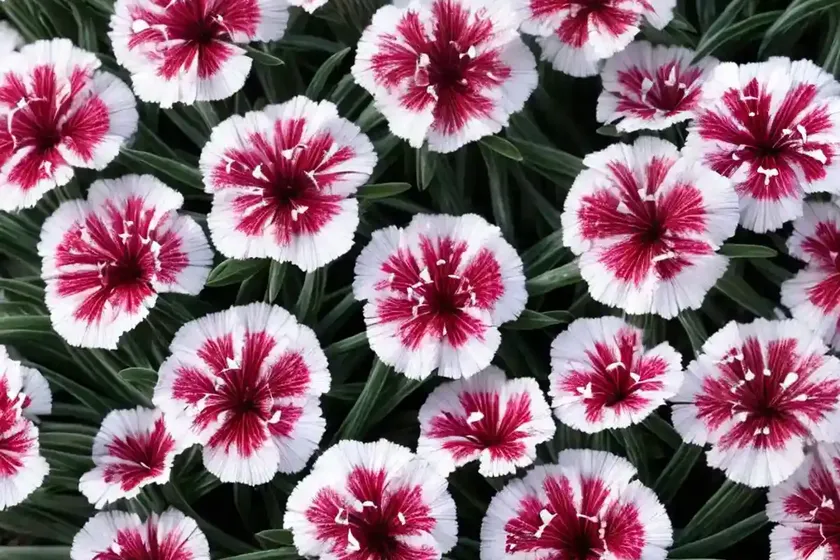

Dianthus Firewitch, scientifically known as Dianthus gratianopolitanus ‘Firewitch’, is a stunning and popular perennial plant that is prized for its attractive flowers and easy maintenance. This plant belongs to the Caryophyllaceae family and is native to Europe and Asia. Dianthus Firewitch is celebrated for its mat-forming nature, colorful blooms, and fragrant foliage. In this comprehensive guide, we will delve into the various aspects of caring for and cultivating Dianthus Firewitch, including its cultural requirements, uses, propagation, and common diseases and pests. Whether you are a seasoned gardener or a beginner looking to enhance your gardening skills, this guide will provide you with valuable insights into the world of Dianthus Firewitch.
What is Dianthus Firewitch?
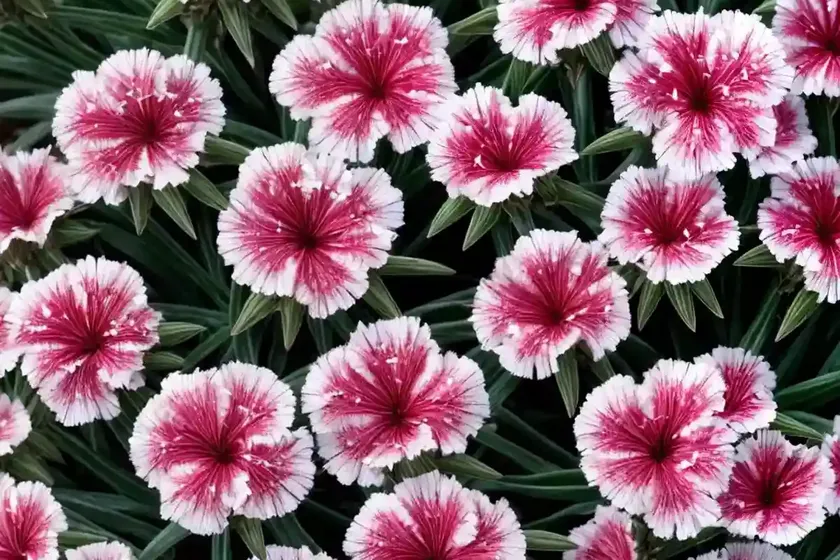
Dianthus Firewitch is a compact, low-growing perennial that typically reaches a height and spread of 6 to 12 inches. The plant forms a dense mat of bluish-gray foliage and produces vibrant pink, fringed flowers that bloom profusely from late spring to early summer. The delicate blossoms emit a spicy, clove-like fragrance, adding an aromatic dimension to the garden. Dianthus Firewitch is characterized by its long blooming season, extended perennial nature, and adaptability to various growing conditions.
Key Takeaways – Dianthus Firewitch (Dianthus gratianopolitanus ‘Firewitch’)
Before delving into the specifics of Dianthus Firewitch care and cultivation, let’s highlight some key takeaways about this beloved plant.
- Scientific Name: Dianthus gratianopolitanus ‘Firewitch’
- Family: Caryophyllaceae
- Common Names: Firewitch, Cheddar Pink
- Plant Type: Perennial
- Height: 6 to 12 inches
- Spread: 12 to 18 inches
- Flower Color: Pink
- Foliage Color: Blue-green
- Bloom Time: Late spring to early summer
- Fragrance: Spicy, clove-like
- Hardiness Zones: 3 to 9
- Sunlight: Full sun to partial shade
- Soil: Well-drained, slightly alkaline
- Uses: Borders, rock gardens, containers
- Special Features: Fragrant flowers, deer-resistant, drought-tolerant
Now that we have an overview of Dianthus Firewitch, let’s explore the specific cultural requirements and care guidelines for this delightful perennial.
Culture
Cultivating Dianthus Firewitch involves understanding its specific cultural requirements and providing the ideal growing conditions to ensure its health and vitality. From soil and sunlight preferences to watering and pruning techniques, each aspect plays a crucial role in maintaining the well-being of this charming plant.
Uses
Dianthus Firewitch is a versatile plant that can be utilized in various settings within the garden. Its compact growth habit and colorful blooms make it a popular choice for the following uses:
- Borders: The low-growing nature of Dianthus Firewitch makes it a perfect border plant, adding a splash of color and fragrance to garden edges and pathways.
- Rock Gardens: Its ability to thrive in well-drained soil makes Dianthus Firewitch an excellent addition to rock gardens and alpine plantings, where it can carpet the ground with its attractive foliage and blooms.
- Containers: Due to its compact size, Dianthus Firewitch is well-suited for container gardening, where it can be showcased on patios, balconies, or as a centerpiece in mixed container plantings.
Water
Proper watering is essential for the health and vigor of Dianthus Firewitch. While this plant has good drought tolerance once established, it is important to provide consistent moisture, especially during periods of active growth and flowering. Here are some guidelines for watering Dianthus Firewitch:
- Established Plants: Once established, Dianthus Firewitch is relatively drought-tolerant and may only require supplemental watering during extended dry spells.
- Newly Planted Specimens: Newly planted Dianthus Firewitch should be watered more frequently to help them establish a strong root system. Water deeply after planting and monitor soil moisture regularly.
- Watering Technique: Aim to water the soil directly at the base of the plant to prevent wetting the foliage, which can lead to disease issues. Avoid overhead watering whenever possible.
Sunlight
Dianthus Firewitch thrives in bright, full sun conditions, although it can also tolerate partial shade, especially in regions with hot summers. Adequate sunlight is crucial for promoting robust growth and abundant flowering. Here’s what you need to know about providing the right sunlight for Dianthus Firewitch:
- Full Sun: Dianthus Firewitch performs best when grown in full sun, receiving at least 6 to 8 hours of direct sunlight daily. This encourages strong, compact growth and profuse blooming.
- Partial Shade: In hotter climates, providing some afternoon shade can help protect Dianthus Firewitch from scorching and extend the longevity of its flowers. It can also thrive in areas with filtered sunlight throughout the day.
Fertilizer
Applying a balanced fertilizer can help support the growth and blooming potential of Dianthus Firewitch. However, it’s important not to over-fertilize, as excessive nutrients can lead to leggy growth and reduced flowering. Consider the following fertilizer recommendations for Dianthus Firewitch:
- Timing: Apply a slow-release, balanced fertilizer in early spring, just before new growth emerges. Alternatively, you can feed the plant in early summer after the first flush of flowering.
- Type of Fertilizer: Use a general-purpose, granular fertilizer with an N-P-K ratio of 10-10-10 or similar. Avoid high-nitrogen fertilizers, as they can encourage excessive foliage growth at the expense of blooms.
- Application Method: Scatter the fertilizer evenly around the base of the plant, then water thoroughly to help the nutrients penetrate the soil.
Soil
Dianthus Firewitch thrives in well-drained, slightly alkaline soil. Good soil drainage is particularly crucial for preventing root rot and other moisture-related issues. Additionally, the plant prefers soil with a slightly sweet pH level. Here are some soil-related considerations for Dianthus Firewitch:
- Drainage: Ensure that the planting site has well-drained soil to prevent waterlogging, which can be detrimental to the plant’s health. Amending heavy clay or compacted soil with organic matter can improve drainage.
- pH Level: Dianthus Firewitch prefers a slightly alkaline to neutral soil pH in the range of 6.75 to 7.5. Conduct a soil test to determine the pH of your soil and make adjustments as necessary using lime or sulfur.
Pruning
Pruning is an important aspect of Dianthus Firewitch maintenance, as it helps rejuvenate the plant, promote new growth, and maintain its compact form. Proper pruning can also contribute to a tidy appearance and encourage the development of new flower buds. Here’s how to approach pruning Dianthus Firewitch:
- Deadheading: Regularly remove spent flowers by pinching or cutting them back to a lateral bud or stem. This practice not only improves the plant’s appearance but also stimulates the production of new blooms.
- Shearing: After the first wave of flowering has concluded, consider lightly shearing the plant back by a third to encourage a second flush of blooms and maintain a dense, bushy shape.
Propagation
Dianthus Firewitch can be propagated through various methods, including division, stem cuttings, and seed sowing. Propagation allows you to expand your collection of Dianthus Firewitch plants or share them with fellow gardening enthusiasts. Here’s an overview of the propagation techniques for Dianthus Firewitch:
- Division: Divide established clumps of Dianthus Firewitch in early spring or fall. Carefully dig up the plant, separate the clumps into smaller sections, and replant them in prepared soil.
- Stem Cuttings: Take 3- to 4-inch stem cuttings from healthy, non-flowering shoots in early summer. Remove the lower leaves, dip the cut ends in rooting hormone, and plant the cuttings in a well-draining rooting medium.
- Seed Sowing: Collect ripe seeds from the plant after flowering. Sow the seeds in pots or trays filled with seed-starting mix, then keep them consistently moist until germination occurs.
Container Popularity
Dianthus Firewitch is a popular choice for container gardening, thanks to its compact size, vibrant blooms, and easy maintenance. When grown in containers, it can serve as a focal point or complement other plants in mixed arrangements. Its suitability for containers makes it a versatile option for gardeners with limited space or those looking to add a splash of color to patios and balconies.
Container Common Diseases
While growing Dianthus Firewitch in containers can help mitigate certain diseases commonly associated with soil-borne pathogens, it’s essential to be mindful of potential issues that can affect the plant’s health. Common diseases that can impact Dianthus Firewitch when grown in containers include:
- Powdery Mildew: This fungal disease can develop in humid conditions, causing a powdery white coating to form on the leaves and stems. Ensure good air circulation around the plant, and avoid overhead watering to minimize the risk of powdery mildew.
- Root Rot: Overly saturated soil in containers can lead to root rot, which manifests as wilting, yellowing foliage, and stunted growth. Use well-draining potting mix and water the plant carefully to prevent waterlogging.
Disease Diagnosis
Diagnosing and addressing diseases in Dianthus Firewitch requires a vigilant approach to plant health and an understanding of common afflictions that can affect the plant. By promptly identifying and managing diseases, you can help safeguard the vitality and beauty of your Dianthus Firewitch. Here’s how to diagnose and address potential diseases:
- Visual Inspection: Regularly inspect the plant for any signs of discoloration, unusual spots, or abnormal growth. Pay close attention to the foliage, stems, and flowers for any symptoms of disease.
- Leaf Analysis: If you notice changes in the color or texture of the leaves, carefully examine them to identify any spots, molds, or powdery coatings that may indicate the presence of a disease.
- Consulting Experts: If you are unsure about a particular disease or suspect that your Dianthus Firewitch is affected by a pathogen, seek guidance from gardening experts or local extension services to facilitate accurate diagnosis and treatment.
Common Pests
While Dianthus Firewitch is resilient to many pests, it can still be vulnerable to certain insect invaders that can compromise its health and appearance. Being aware of common pests that affect this plant is crucial for implementing effective pest management strategies. Here are some common pests that can impact Dianthus Firewitch:
- Aphids: These small, soft-bodied insects can cluster on the tender new growth of Dianthus Firewitch, causing distortion of the leaves and the secretion of sticky honeydew. Control aphids through manual removal, insecticidal soap, or horticultural oil.
- Spider Mites: Spider mites can infest Dianthus Firewitch, leading to stippled, discolored foliage and webbing on the undersides of the leaves. Keep the plant well-hydrated and use a strong stream of water to dislodge mites from the foliage.
Botanist’s Tips
As a plant scientist, I have thoroughly studied and observed the growth habits and requirements of Dianthus Firewitch. Based on my expertise, I would like to offer some valuable tips for successfully cultivating and caring for this delightful perennial.
- Plant in Well-Drained Soil: Ensure that the planting site has well-drained soil to prevent water-related issues and promote healthy root development in Dianthus Firewitch.
- Monitor Watering Closely: While Dianthus Firewitch has good drought tolerance, it’s important to monitor soil moisture and provide supplemental watering during dry periods, especially for newly planted specimens.
- Encourage Air Circulation: Proper air circulation around the plant can help prevent the development of fungal diseases such as powdery mildew, contributing to the overall health of Dianthus Firewitch.
Fun Facts
Dianthus Firewitch is not only prized for its ornamental value but also for its fascinating characteristics and associations. Here are some fun facts about Dianthus Firewitch:
- The species name “gratianopolitanus” is derived from Gratianopolis, the former name for the city of Grenoble in southeastern France, where the plant is believed to have been identified.
- Dianthus Firewitch is known for attracting pollinators such as bees and butterflies, contributing to the overall biodiversity of the garden.
- The fragrant blooms of Dianthus Firewitch have been historically used in potpourri and perfumery due to their delightful scent.
Links to External Resources
For further information and insights into Dianthus Firewitch, I recommend exploring the following external resources:
- Royal Horticultural Society (RHS) – Dianthus
- University of Florida IFAS Extension – Dianthus spp. (Carnation, Pinks, Sweet William)
- Missouri Botanical Garden – Dianthus gratianopolitanus ‘Firewitch’
In conclusion, Dianthus Firewitch is a delightful and versatile perennial that holds enduring appeal for gardeners and plant enthusiasts. Its vibrant flowers, fragrant foliage, and ease of care make it a cherished addition to gardens, borders, and containers. By understanding and implementing the recommended cultural practices, you can ensure the continued health and beauty of Dianthus Firewitch in your garden. I hope this comprehensive guide has equipped you with valuable knowledge and inspiration for cultivating and appreciating this charming plant.
As we celebrate the remarkable qualities of Dianthus Firewitch, we invite you to embrace its beauty and uniqueness in your own garden, where it can thrive and enchant with its captivating blooms and fragrance.
References:
– Royal Horticultural Society (RHS). (n.d.). Dianthus. https://www.rhs.org.uk/plants/popular/dianthus
– University of Florida IFAS Extension. (n.d.). Dianthus spp. (Carnation, Pinks, Sweet William). https://edis.ifas.ufl.edu/mg018
– Missouri Botanical Garden. (n.d.). Dianthus gratianopolitanus ‘Firewitch’. https://www.missouribotanicalgarden.org/PlantFinder/PlantFinderDetails.aspx?kempercode=c940