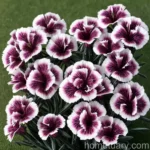
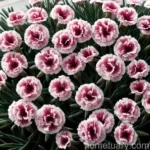
Dianthus ‘EverLast Burgundy Blush’ (Pink): A Delightful Addition to Your Garden
Dianthus, commonly known as pinks, is a diverse and vibrant genus of flowering plants. Among the multitude of charming dianthus varieties, the ‘EverLast Burgundy Blush’ (Pink) stands out with its striking blooms and easy-care nature. In this comprehensive guide, we’ll delve into the fascinating world of Dianthus ‘EverLast Burgundy Blush’, exploring its cultivation, uses, maintenance, and much more. Whether you’re a novice gardener or a seasoned horticulturist, this article will equip you with all the insights you need to cultivate and appreciate this captivating plant.
Table of Contents
1. Introduction to Dianthus ‘EverLast Burgundy Blush’
2. Cultivation and Maintenance
– Uses
– Water Requirements
– Sunlight Needs
– Fertilization
– Soil Preferences
– Pruning Techniques
– Propagation Methods
– Growing in Containers
3. Popularity and Common Diseases
– Disease Diagnosis
– Common Pests
4. Botanist’s Tips
5. Fun Facts
6. Links to External Resources
Introduction to Dianthus ‘EverLast Burgundy Blush’
Dianthus ‘EverLast Burgundy Blush’, also known as Pink, is a stunning perennial plant cherished for its fragrant, vibrant flowers and attractive foliage. This variety belongs to the Dianthus genus, which encompasses hundreds of species, each with its unique characteristics and appeal. The ‘EverLast Burgundy Blush’ cultivar is particularly prized for its exceptional flower color and long-lasting blooms, making it an enchanting addition to any garden or landscape.
Key Takeaways
Dianthus ‘EverLast Burgundy Blush’ (Pink)
- Scientific Name: Dianthus ‘EverLast Burgundy Blush’
- Common Name: Pink
- Care Level: Low maintenance
- Watering: Moderate
- Sunlight: Full sun
- Soil Type: Well-draining
- Bloom Time: Spring to fall
- Growth Habit: Compact and mounding
- USDA Hardiness Zones: 4-9
- Special Features: Fragrant flowers, drought-tolerant
Cultivation and Maintenance
Uses
Dianthus ‘EverLast Burgundy Blush’ serves various purposes in gardens and landscapes, making it a versatile and valuable plant. Here are some common uses of this delightful cultivar:
- Bedding Plant: With its compact growth habit and colorful blooms, it makes a charming addition to flower beds and borders.
- Container Planting: Its adaptability to container cultivation allows it to adorn patio pots, window boxes, and other containers, adding pops of color to outdoor spaces.
- Cut Flowers: The fragrant blooms of ‘EverLast Burgundy Blush’ are ideal for creating captivating floral arrangements, bringing the beauty of the garden indoors.
- Ground Cover: When planted en masse, it forms a lush ground cover, carpeting the landscape in a delightful sea of pink blooms.
Water Requirements
Proper watering is crucial for the health and vigor of Dianthus ‘EverLast Burgundy Blush’. While these plants exhibit some drought tolerance, they thrive best with consistent moisture. When establishing young plants or during prolonged dry spells, regular watering is essential to support healthy growth and abundant flowering.
- Watering Guidelines:
- Frequency: Water deeply and regularly, especially during the active growing season. Allow the soil to dry slightly between waterings to prevent waterlogging.
- Avoid Overwatering: Excessively wet soil can lead to root rot and other moisture-related issues, so it’s important to strike a balance and not overwater.
Sunlight Needs
Like many dianthus varieties, ‘EverLast Burgundy Blush’ thrives in bright sunlight and appreciates ample sunshine to flourish and produce an abundance of blooms. Adequate sunlight is essential for the plant’s overall health and its capacity to display its full ornamental potential.
- Sun Exposure:
- Optimal Conditions: Plant in a location that receives at least 6-8 hours of direct sunlight per day for best results.
- Shade Tolerance: While it favors full sun, it can tolerate light afternoon shade, especially in regions with intense heat.
Fertilization
Fertilizing Dianthus ‘EverLast Burgundy Blush’ is an integral aspect of its care regimen, providing essential nutrients that promote robust growth and prolific flowering. A balanced approach to fertilization ensures the plant’s vitality and long-term performance in the garden.
- Recommended Fertilizer:
- Type: Use a well-balanced, slow-release fertilizer designed for flowering plants to provide a steady supply of nutrients.
- Application Frequency: Apply fertilizer in early spring as new growth emerges, and then again in midsummer to support blooming.
Soil Preferences
The choice of soil significantly influences the growth and development of Dianthus ‘EverLast Burgundy Blush’. Well-draining soil with adequate fertility is crucial for promoting healthy root development and protecting the plant from moisture-related issues.
- Ideal Soil Conditions:
- Composition: Choose a well-draining, moderately fertile soil enriched with organic matter to ensure proper aeration and moisture retention.
- pH Range: The soil pH should ideally range from slightly acidic to neutral, around 6.0-7.5, for optimal nutrient uptake and overall plant health.
Pruning Techniques
Pruning is an essential practice for maintaining the vigor and visual appeal of Dianthus ‘EverLast Burgundy Blush’. Regular pruning not only shapes the plant but also encourages continuous blooming and helps prevent the development of crowded, leggy growth.
- Pruning Guidelines:
- Deadheading: Remove spent blooms regularly to stimulate the production of new flowers and prolong the blooming period.
- Cutting Back: After the initial flush of blooms, consider lightly shearing the plant to promote compact growth and encourage a second wave of flowering.
Propagation Methods
Propagating Dianthus ‘EverLast Burgundy Blush’ allows for the expansion of its presence in the garden or enables sharing its beauty with others. Understanding and employing suitable propagation techniques is essential for successfully multiplying this captivating cultivar.
- Propagation Options:
- Division: Divide mature clumps in early spring to create new plants, ensuring each division has ample roots and shoots for successful establishment.
- Stem Cuttings: Take 3-4 inch stem cuttings from healthy, non-flowering shoots and root them in a well-draining medium to propagate new plants.
Growing in Containers
The adaptability of Dianthus ‘EverLast Burgundy Blush’ to container cultivation makes it an excellent choice for adorning outdoor living spaces with its colorful blooms and delightful fragrance. When grown in pots or containers, some specific considerations can enhance its performance and visual impact.
- Container Selection: Choose well-draining containers with sufficient drainage holes to prevent waterlogged soil and root rot.
- Potting Mix: Use a high-quality potting mix formulated for flowering plants, ensuring it provides both proper drainage and essential nutrients.
- Watering: Container-grown plants may require slightly more frequent watering to prevent the potting mix from drying out completely.
Popularity and Common Diseases
Dianthus ‘EverLast Burgundy Blush’ has gained popularity among gardening enthusiasts and horticulturists for its exceptional ornamental qualities and ease of cultivation. However, like all plants, it is susceptible to certain diseases and pests that require attention and proactive management.
Disease Diagnosis
While Dianthus ‘EverLast Burgundy Blush’ is generally resilient, it can be affected by various fungal, bacterial, and viral diseases under conducive environmental conditions. Timely identification and appropriate intervention are essential for mitigating disease impact and preserving the plant’s health.
- Common Diseases:
- Powdery Mildew: Often observed as a powdery white coating on leaves, powdery mildew can be managed through improved air circulation and, if necessary, fungicidal treatments.
- Crown Rot: Excessive soil moisture and poor drainage can lead to crown rot, causing wilting and decay of the plant. Avoid overwatering and improve soil drainage to prevent this issue.
Common Pests
In addition to diseases, Dianthus ‘EverLast Burgundy Blush’ may encounter various pests that can compromise its growth and aesthetics. Vigilance and prompt action are essential for keeping pest populations in check and safeguarding plant health.
- Pest Management:
- Aphids: These small, sap-sucking insects can distort new growth and cause leaf yellowing. Use insecticidal soaps or horticultural oils to control aphids effectively.
- Spider Mites: Spider mites thrive in dry conditions and can be controlled through regular foliage sprays and ensuring adequate humidity around the plant.
Botanist’s Tips
As a botanical expert, I’ve gathered some valuable tips for cultivating and enjoying Dianthus ‘EverLast Burgundy Blush’ to its fullest potential. These tips draw on horticultural knowledge and practical experience to help you succeed in growing and appreciating this captivating garden gem.
- Air Circulation: Ensure adequate air circulation around the plant to minimize the risk of fungal diseases, such as powdery mildew and botrytis.
- Mulching: Apply a thin layer of mulch around the base of the plant to conserve soil moisture, suppress weed growth, and maintain a consistent root temperature.
- Companion Planting: Pair ‘EverLast Burgundy Blush’ with other sun-loving perennials and ornamental grasses to create visually appealing and balanced garden compositions.
Fun Facts
To add a touch of intrigue and fascination to your knowledge of Dianthus ‘EverLast Burgundy Blush’, here are some fun and interesting facts about this delightful pink-flowering perennial:
- Some dianthus species, including ‘EverLast Burgundy Blush’, are renowned for their clove-like aroma, infusing the garden with a delightful and distinctive fragrance.
- The name “Dianthus” is derived from the Greek words “dios” and “anthos,” which collectively mean “divine flower,” underscoring the plant’s enduring appeal and cultural significance.
- Dianthus flowers are known for their traditional symbolism, often representing love, affection, and admiration in various cultural contexts and floral arrangements.
Links to External Resources
For additional information, inspiration, and practical insights on Dianthus ‘EverLast Burgundy Blush’ and related topics, explore the following external resources:
- The Royal Horticultural Society (RHS) – A trusted source for gardening advice and plant information, including detailed guidance on Dianthus cultivation and care.
- American Dianthus Society – An organization devoted to the appreciation and cultivation of dianthus species, featuring valuable resources and community forums.
- University Extension Websites – University extension websites offer comprehensive plant profiles and cultivation guidelines for diverse ornamental plants, including dianthus.
In conclusion, Dianthus ‘EverLast Burgundy Blush’ (Pink) encapsulates the charm, resilience, and ornamental allure that characterize the broader genus. With its vibrant blooms, alluring fragrance, and adaptability to various garden settings, this delightful perennial is a treasure for gardeners and plant enthusiasts alike. By integrating the insights and recommendations outlined in this guide, you can embark on a rewarding journey of cultivating, enjoying, and showcasing the captivating beauty of Dianthus ‘EverLast Burgundy Blush’ in your own garden and landscape.
Whether used as a colorful border plant, an enchanting container specimen, or a fragrant cut flower, this versatile pink dianthus variety is sure to captivate your senses and elevate the aesthetic appeal of your outdoor spaces. Embrace the joy of growing and savoring the timeless beauty of Dianthus ‘EverLast Burgundy Blush’ as it graces your garden with its vibrant blooms and enduring charm.