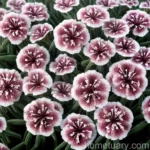
Dianthus deltoides (Maiden Pink): A Comprehensive Guide
Plants play a crucial role in our environment, providing beauty, oxygen, and a myriad of other benefits. Among the diverse range of plant species, Dianthus deltoides, commonly known as Maiden Pink, stands out with its charming flowers and adaptability to various growing conditions. In this comprehensive guide, we will delve into the world of Dianthus deltoides, exploring its cultivation, care tips, uses, and much more.
What is Dianthus deltoides (Maiden Pink)?
Dianthus deltoides, belonging to the Caryophyllaceae family, is a perennial herbaceous plant native to Europe and Asia. It is renowned for its delicate, pink, fringed flowers that bloom profusely in spring and summer. The name “Maiden Pink” is derived from the plant’s pink blooms and its common occurrence in grassy meadows and pastures.
Plant Characteristics
Dianthus deltoides exhibits the following key characteristics:
– Flowers: The flowers are typically pink, fringed, and often have a slightly darker shade at the center. They are approximately 1 inch in diameter and have a pleasant, clove-like fragrance.
– Foliage: The plant features small, linear, blue-green leaves that form dense mats, creating an attractive groundcover.
– Size: Maiden Pink typically reaches a height of 6-12 inches (15-30 cm) and spreads to form dense clumps.
Key Takeaways – Dianthus deltoides (Maiden Pink)
Before delving into the details of cultivating and caring for Dianthus deltoides, let’s highlight the key takeaways that will guide our exploration of this enchanting plant.
Maiden Pink Cultivation
- Dianthus deltoides is a perennial herbaceous plant that thrives in well-drained soil and prefers neutral to slightly alkaline pH levels.
Dianthus deltoides Care Tips
- Providing adequate sunlight, well-drained soil, and regular deadheading will contribute to the plant’s health and vigor.
How to Grow Maiden Pink
- Propagation from seeds or division is commonly used to grow Dianthus deltoides, and careful attention to watering and soil conditions is crucial during the initial growth stages.
Best Conditions for Dianthus deltoides
- The plant flourishes in full sun but can tolerate partial shade, and it prefers soil with good drainage and moderate fertility.
Maiden Pink Plant Characteristics
- Dianthus deltoides is characterized by its pink, fringed flowers, compact growth habit, and attractive blue-green foliage.
Dianthus deltoides Varieties
- Various cultivars of Dianthus deltoides are available, offering a range of flower colors and growth habits to suit different gardening preferences.
Maiden Pink Flowering Time
- The plant typically blooms from late spring to early summer, producing an abundance of charming pink flowers.
Dianthus deltoides Propagation Methods
- Propagation can be accomplished through seed sowing, division of established clumps, or occasionally through stem cuttings.
Maiden Pink for Landscaping
- Dianthus deltoides is an excellent choice for border plantings, rockeries, and cottage gardens due to its low-growing, mat-forming nature and profuse flowering.
Dianthus deltoides Pruning Techniques
- Light shearing after the flowering period can help maintain the plant’s shape and promote a tidy appearance.
Maiden Pink Pests and Diseases
- While relatively resistant to pests and diseases, Dianthus deltoides may occasionally face challenges such as aphid infestations and fungal diseases under excessively wet conditions.
Dianthus deltoides Soil Requirements
- Well-drained, slightly alkaline to neutral soil is preferred to ensure the plant’s optimal growth and performance.
Maiden Pink Companion Plants
- Pairing Maiden Pink with other sun-loving perennials and low-growing herbs can create visually appealing and harmonious combinations in the garden.
Dianthus deltoides in Containers
- Dianthus deltoides can be successfully grown in containers, adding a pop of color to patios, balconies, and other small spaces.
Maiden Pink Water Needs
- The plant exhibits moderate water needs and is well-suited for dry, Mediterranean-style gardens once established.
Dianthus deltoides in Full Sun
- Thriving in full sun, Maiden Pink showcases its best growth and flowering performance when provided with ample sunlight.
Maiden Pink in Partial Shade
- While preferring full sun, Dianthus deltoides can tolerate partial shade, making it a versatile option for various garden settings.
Dianthus deltoides Medicinal Uses
- Traditionally, Dianthus species have been utilized in herbal medicine for their potential diuretic and anti-inflammatory properties.
Maiden Pink Culinary Uses
- The flowers of Dianthus deltoides can be used to add a delicate, floral note to salads or desserts, contributing to unique culinary experiences.
Dianthus deltoides as Cut Flowers
- The long-lasting, fragrant blooms of Maiden Pink make it an excellent choice for fresh-cut flower arrangements, adding charm and fragrance to indoor spaces.
Maiden Pink in Rock Gardens
- Its low-growing, spreading habit and colorful blooms make Dianthus deltoides an ideal candidate for rock gardens, where it can thrive in well-drained, sunny locations.
Dianthus deltoides Wildlife-Friendly Plant
- The nectar-rich flowers of Maiden Pink attract pollinators such as butterflies and bees, contributing to the biodiversity of the garden.
Maiden Pink in Cottage Gardens
- With its old-world charm and compact growth habit, Dianthus deltoides complements the nostalgic ambiance of cottage gardens, adding timeless beauty.
Dianthus deltoides Hardiness Zones
- The plant is well-suited to USDA hardiness zones 3-9, demonstrating its adaptability to a wide range of climatic conditions.
Maiden Pink for Groundcover
- Dianthus deltoides serves as an effective groundcover, forming lush carpets of foliage adorned with charming pink blooms.
Dianthus deltoides Perennial Plant
- As a perennial, Maiden Pink returns year after year, providing reliable, enduring beauty in the garden landscape.
Maiden Pink in Flower Borders
- The compact size and prolific flowering of Dianthus deltoides make it an excellent addition to flower borders, adding color and texture to the composition.
Dianthus deltoides Drought-Tolerant
- Once established, Maiden Pink displays good drought tolerance, making it suitable for water-wise gardening and low-maintenance landscapes.
Maiden Pink in Vertical Gardens
- The cascading, mat-forming growth habit of Dianthus deltoides makes it an appealing choice for vertical gardens and green walls.
Dianthus deltoides Soil pH Requirements
- The plant prefers slightly alkaline to neutral soil with pH levels ranging from 6.5 to 7.5 for optimal growth.
Maiden Pink Fragrance
- The subtle, clove-like fragrance of Dianthus deltoides adds an olfactory dimension to the garden, enhancing the overall sensory experience.
Dianthus deltoides Vibrant Colors
- In addition to the classic pink blooms, Dianthus deltoides is available in a range of colors, including white, red, and lilac, providing options to suit diverse color schemes.
Maiden Pink Seasonality
- With its peak blooming period in late spring to early summer, Maiden Pink infuses the garden with seasonal bursts of color and vitality.
Dianthus deltoides Winter Care
- Mulching around the plant’s base during winter helps protect it from extreme cold and moisture fluctuations, ensuring its vigor in the following growing season.
Maiden Pink Foliage Types
- The linear, blue-green foliage of Dianthus deltoides forms dense mats, serving as an attractive backdrop for its colorful blooms.
Dianthus deltoides Native Habitat
- In its native habitats of Europe and Asia, Dianthus deltoides thrives in meadows, grasslands, open woodlands, and rocky slopes.
Maiden Pink Attracting Pollinators
- The nectar-rich flowers of Dianthus deltoides attract various pollinators, contributing to the ecological balance of the garden ecosystem.
Dianthus deltoides Long-Lasting Blooms
- The long blooming period of Maiden Pink ensures an extended display of vibrant flowers, enriching the garden landscape.
Maiden Pink Plant Size
- With a compact, spreading growth habit, Dianthus deltoides typically reaches a height of 6-12 inches and forms dense clumps.
Dianthus deltoides Naturalizing
- Given the right growing conditions, Maiden Pink readily naturalizes, spreading to fill in bare spaces and create charming floral displays.
Maiden Pink as Border Plants
- The low, mounding profile of Dianthus deltoides makes it an ideal choice for edging flower beds and defining garden borders.
Dianthus deltoides in Urban Gardens
- Its adaptability, low maintenance, and attractive blooms make Maiden Pink a versatile addition to urban gardens, rooftop gardens, and small-scale landscapes.
Maiden Pink Preferred Growing Methods
- Dianthus deltoides thrives when grown in well-drained soil, provided with ample sunlight, and subjected to minimal disturbance once established.
Dianthus deltoides Native Plant Conservation
- As a native plant in certain regions, conservation efforts can focus on preserving the natural habitats and populations of Dianthus deltoides.
Maiden Pink Container Gardening Tips
- Growing Dianthus deltoides in containers requires well-drained soil, regular watering, and adequate sunlight to ensure its healthy growth and flowering.
Dianthus deltoides Fragrance Maintenance
- The fragrant blooms of Maiden Pink can be appreciated to the fullest by planting it in areas where the gentle breeze can carry its delightful scent.
Maiden Pink for Erosion Control
- The dense, spreading nature of Dianthus deltoides makes it effective for controlling erosion on slopes and banks, stabilizing the soil with its extensive root system.
Dianthus deltoides for Novice Gardeners
- With its adaptability, minimal care requirements, and charming blooms, Maiden Pink is a suitable choice for novice gardeners and those new to gardening.
Maiden Pink in Wildlife Gardens
- The nectar-rich flowers of Dianthus deltoides attract butterflies, bees, and other beneficial insects, making it an asset to wildlife-friendly gardens.
Dianthus deltoides Climate Adaptability
- The plant exhibits adaptability to a wide range of climates, making it a valuable addition to gardens in various geographic regions.
Now that we have outlined the key takeaways, let’s explore each aspect in detail to gain a comprehensive understanding of Dianthus deltoides and how to cultivate and care for this delightful plant.
Culture
Uses
Dianthus deltoides serves a variety of purposes in the garden and beyond. Some of its prominent uses include:
– Ornamental: The captivating pink blooms and dense, evergreen foliage make Maiden Pink a favored ornamental plant in gardens, landscapes, and floral arrangements.
– Groundcover: Its spreading growth habit and mat-forming nature lend Dianthus deltoides to be used as a groundcover, creating vibrant carpets of flowers and foliage.
– Pollinator Attraction: The nectar-rich flowers of Maiden Pink attract butterflies, bees, and other pollinators, contributing to the overall biodiversity of the garden.
– Culinary: The flowers can be used to add a delicate, floral touch to salads, desserts, and beverages, incorporating a unique flavor and visual appeal to culinary creations.
Water
Water Needs
Understanding the water requirements of Dianthus deltoides is essential for maintaining its health and vigor. The plant exhibits moderate water needs, especially during its initial establishment phase. Here are some key considerations regarding its water requirements:
– Establishment: During the first growing season, regular watering is crucial to facilitate strong root development and promote healthy growth.
– Mature Plants: Once established, Maiden Pink displays good drought tolerance and is well-suited for water-wise gardening practices. While it can withstand dry conditions, regular watering during prolonged periods of drought will help maintain its vitality and blooming performance.
Sunlight
Sun Requirements
Proper sunlight exposure is integral to the growth, flowering, and overall performance of Dianthus deltoides. Understanding its sunlight preferences will aid in creating optimal growing conditions for the plant. Some key points related to its sun requirements include:
– Full Sun: Maiden Pink thrives in full sun and exhibits its best growth and flowering performance when provided with at least 6 hours of direct sunlight per day.
– Partial Shade: While preferring full sun, Dianthus deltoides can also tolerate partial shade, making it a versatile option for gardens with varying light conditions.
Fertilizer
Fertilization Practices
Fertilization plays a crucial role in supporting the growth and blooming of Dianthus deltoides. Understanding the appropriate timing and approach to fertilization will aid in promoting the plant’s overall health and vigor. Here are some insights into fertilizing Maiden Pink:
– Spring Feeding: Applying a balanced, slow-release fertilizer in early spring can provide the necessary nutrients to support the plant’s initial growth and flowering.
– Minimal Fertilization: Dianthus deltoides generally does not require heavy feeding, and excessive fertilization can lead to lush, weak growth and reduced flowering. A light application of a balanced fertilizer once a year is usually sufficient to meet its nutritional needs.
– Natural Amendments: Incorporating organic matter such as compost or well-rotted manure into the soil can contribute to long-term soil fertility and provide a gentle, sustainable source of nutrients for the plant.
Soil
Soil Requirements
Understanding the soil preferences of Dianthus deltoides is essential for creating an ideal growing environment that supports its health and vitality. Here are the key considerations related to its soil requirements:
– Drainage: Well-drained soil is essential for the optimal growth of Maiden Pink. Good drainage helps prevent waterlogging, which can lead to root rot and other problems.
– pH Level: Dianthus deltoides prefers neutral to slightly alkaline soil with pH levels ranging from 6.5 to 7.5. Soil pH influences nutrient availability and plays a significant role in the plant’s overall health and performance.
– Fertility: While Dianthus deltoides can thrive in moderately fertile soil, it does not tolerate excessive fertility well. Avoid heavy, nitrogen-rich soils, as they can lead to excessive foliage growth at the expense of flowering.
Pruning
Pruning Techniques
Proper pruning practices play a key role in maintaining the shape, vigor, and blooming of Dianthus deltoides. Understanding the appropriate times and methods for pruning will aid in promoting the plant’s overall aesthetic and health. Here are some essential points pertaining to pruning Maiden Pink:
– Deadheading: Removing spent flowers (deadheading) throughout the blooming season encourages the continuous production of new blooms and helps maintain the plant’s tidy appearance.
– Post-Flowering Pruning: Light shearing after the main flowering period can help neaten the plant’s appearance, promote compact growth, and encourage the development of new foliage.
Propagation
Propagation Methods
Expanding the presence of Dianthus deltoides in the garden or sharing it with other gardening enthusiasts often involves propagation. Understanding the various methods for propagating Maiden Pink will provide opportunities to increase its abundance and diversity. Here are the primary propagation methods for Dianthus deltoides:
Seed Propagation
- Sowing seeds indoors in early spring or directly in the garden after the last frost can yield new plants with a range of genetic diversity and characteristics.
- Surface sowing on well-drained, moist seed-starting mix, followed by covering the seeds lightly with additional mix and maintaining consistent moisture, can facilitate successful germination.
Division
- Dividing established clumps of Dianthus deltoides in early spring or early fall encourages rejuvenation and the development of new, vigorous plants.
- Carefully lifting the clump, separating the individual sections, and replanting them in well-prepared soil provides an effective means of propagation.
Stem Cuttings
- Taking softwood or semi-hardwood cuttings in late spring to early summer and rooting them in a moist, well-draining medium under controlled conditions can yield new plants identical to the parent.
Container
Growing Dianthus deltoides in Containers
The adaptability and aesthetic appeal of Dianthus deltoides make it an excellent candidate for container gardening. Understanding the key considerations for growing Maiden Pink in containers will facilitate successful cultivation in confined spaces. Here are some essential tips for growing Dianthus deltoides in containers:
Container Selection
- Choosing containers with adequate drainage holes and sufficient depth to accommodate the plant’s root system promotes healthy growth and prevents waterlogging.
Soil Mix
- Using a well-draining, porous potting mix with good aeration and water retention properties creates a favorable growing medium for the plant in containers.
Sunlight Exposure
- Providing ample sunlight by placing the containers in locations with at least 6 hours of direct sunlight per day supports the plant’s growth, blooming, and overall vigor.
Watering
- Monitoring the moisture level in the containers and ensuring consistent watering, especially during the initial establishment phase, contributes to the plant’s health and performance.
Popularity
Dianthus deltoides has gained popularity among gardeners and landscapers due to its charming blooms, adaptability, and various uses in garden designs and floral arrangements. Its low-growing, mat-forming habit and profuse flowering make it a favored choice for a range of gardening applications, including:
- Border Plantings
- Rockeries
- Cottage Gardens
- Pollinator Gardens
- Groundcover Plantings
- Container Gardening
Its popularity stems from its reliability, low maintenance requirements, and its ability to contribute to the visual appeal and biodiversity of garden landscapes.
Common Diseases
Dianthus deltoides exhibits good resistance to most diseases. However, occasional challenges may arise, particularly under conditions of excessive moisture and poor air circulation. Some potential diseases that may affect Maiden Pink include:
- Powdery Mildew: This fungal disease can manifest as a powdery white coating on the leaves and stems, leading to reduced vigor and aesthetic appeal. Providing good air circulation and avoiding overhead watering can help prevent powdery mildew.
- Root Rot: Prolonged waterlogging and poorly drained soil can lead to root rot, causing the plant to exhibit wilting, yellowing foliage, and stunted growth. Ensuring well-drained soil and proper watering practices is essential to prevent root rot.
Disease Diagnosis
Identifying and diagnosing diseases affecting Dianthus deltoides involves careful observation of symptoms and prompt intervention to mitigate the impact. Here are some diagnostic considerations for potential diseases:
- Visual Symptoms: Identifying characteristic signs such as powdery white growth on foliage for powdery mildew and decayed, discolored roots for rot diseases aids in accurate diagnosis.
- Environmental Conditions: Analyzing factors such as excessive moisture, poor air circulation, and compacted soil can offer insights into the potential causes of disease development.
- Integrated Management: Employing cultural practices, such as proper watering, improving soil drainage, and promoting air circulation, forms the foundation of integrated disease management for Maiden Pink.
Common Pests
Dianthus deltoides typically experiences minimal pest pressure but may occasionally