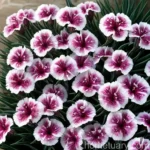
Dianthus caryophyllus ‘King of the Blacks’ (Carnation): An Ultimate Guide
What is Dianthus caryophyllus ‘King of the Blacks’ (Carnation)?
Dianthus caryophyllus, commonly known as the Carnation, is a perennial flowering plant that is native to the Mediterranean region. The ‘King of the Blacks’ Carnation is a striking variety of Dianthus caryophyllus known for its unique, deep blackish-red flowers. This captivating flower is a popular choice for gardens, floral arrangements, and as a symbol of affection and admiration.
Key Takeaways
Dianthus caryophyllus ‘King of the Blacks’ (Carnation)
- Family: Caryophyllaceae
- Variety: ‘King of the Blacks’
- Flower Color: Deep blackish-red
- Care Level: Moderate
- Uses: Ornamental, Floral arrangements, Symbolism
In this comprehensive guide, we will delve into the cultivation, uses, and fascinating characteristics of the Dianthus caryophyllus ‘King of the Blacks’ (Carnation), as well as the best practices for its care and maintenance.
Culture
Uses
The Dianthus caryophyllus ‘King of the Blacks’ (Carnation) has been cultivated for centuries for its ornamental beauty and various symbolic meanings.
Symbolism
Carnations, including the ‘King of the Blacks’ variety, carry diverse symbolic meanings across different cultures. In general, they are associated with love, fascination, and distinction. The deep red or blackish-red hue of the ‘King of the Blacks’ Carnation adds a touch of mystery and allure to its symbolism. This makes it especially desirable for use in floral arrangements, event decorations, and special occasions such as weddings and anniversaries.
Water
Proper watering is essential for the health and vitality of Dianthus caryophyllus ‘King of the Blacks’ (Carnation). These plants prefer moderately moist soil, but they are sensitive to overwatering, which can lead to root rot. When watering, it’s important to ensure that the soil is well-draining to prevent waterlogging.
Sunlight
‘Carnation’ plants thrive in full sunlight, requiring at least 6-8 hours of direct sunlight per day. Adequate sunlight is essential for promoting healthy flower production and vibrant colors in the ‘King of the Blacks’ variety.
Fertilizer
To support the growth and blooming of the ‘King of the Blacks’ Carnation, regular fertilization is crucial. A balanced, slow-release fertilizer with a higher concentration of phosphorus can help promote flower development and overall plant vigor.
Soil
The ideal soil for Dianthus caryophyllus ‘King of the Blacks’ (Carnation) is well-draining, slightly alkaline, and rich in organic matter. A loamy soil with good drainage properties is recommended to prevent waterlogging, which can be detrimental to the plant’s health.
Pruning
Pruning is an important aspect of Carnation care, including the ‘King of the Blacks’ variety. Regular deadheading of faded flowers and the removal of withered stems promotes continuous blooming and overall plant neatness.
Propagation
Dianthus caryophyllus ‘King of the Blacks’ (Carnation) can be propagated through stem cuttings. This method allows gardeners to create new plants from established ones, ensuring a continuous supply of these captivating blackish-red flowers.
Container Popularity
The ‘King of the Blacks’ Carnation is well-suited for container gardening, making it a popular choice for those with limited outdoor space or for those who wish to enjoy its beauty up close on patios, balconies, or windowsills.
Common Diseases
Disease Diagnosis
‘Carnation’ plants, including the ‘King of the Blacks’ variety, are susceptible to certain diseases and pests that can affect their health and vitality.
Powdery Mildew
Powdery mildew, characterized by the appearance of white, powdery patches on the leaves and stems, is a common fungal disease that affects Carnations. Adequate air circulation and proper spacing between plants can help prevent the onset of powdery mildew.
Fusarium Wilt
Fusarium wilt is a serious fungal disease that can lead to wilting, yellowing, and ultimately the death of the plant. It is important to promptly remove and destroy affected plants to prevent the spread of the disease.
Common Pests
Aphids
Aphids are small, sap-sucking insects that can infest Carnation plants, causing stunted growth and deformation of leaves and flowers. Regular monitoring and the use of natural predators or insecticidal soaps can help control aphid infestations.
Spider Mites
Spider mites, tiny arachnids that feed on plant sap, can also pose a threat to Carnations. These pests can cause yellowing and stippling of leaves. Introducing predatory mites or using horticultural oils can help manage spider mite populations.
Botanist’s Tips
- When selecting a site for planting Dianthus caryophyllus ‘King of the Blacks’ (Carnation), choose a location with well-draining soil and plenty of sunlight.
- Regularly monitor the moisture levels of the soil to ensure that it remains moderately moist without becoming waterlogged.
- Consider companion planting with low-growing herbs or other ornamental plants to create an attractive and beneficial garden ecosystem.
Fun Facts
- The blackish-red hue of the ‘King of the Blacks’ Carnation is a result of selective breeding to achieve this unique coloration, making it a rare and sought-after variety.
- Carnations are not only prized for their beauty but have also been used for various culinary and medicinal purposes in traditional medicine.
Links to External Resources
For additional information about Dianthus caryophyllus ‘King of the Blacks’ (Carnation) and related topics, feel free to explore the following resources:
- Royal Horticultural Society – Carnations
- University of Florida IFAS Extension – Carnation Production
In conclusion, Dianthus caryophyllus ‘King of the Blacks’ (Carnation) is a truly remarkable plant that adds a touch of mystery and elegance to gardens and floral displays. By understanding its cultural significance, proper care requirements, and potential challenges, plant enthusiasts can fully appreciate and enjoy the captivating beauty of this unique blackish-red flower. Whether grown in gardens or containers, the ‘King of the Blacks’ Carnation continues to captivate and inspire with its alluring color and symbolic meanings.