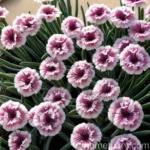
Dianthus Barbatus ‘Holborn Glory’ (Sweet William): A Comprehensive Guide

Dianthus barbatus ‘Holborn Glory,’ commonly known as Sweet William, is a stunning flowering plant that belongs to the carnation family. Its vibrant hues and delicate petals make it a beloved addition to gardens and landscapes around the world. In this comprehensive guide, we will delve into the culture, uses, care, and maintenance of Dianthus barbatus ‘Holborn Glory’ to help you harness the full potential of this beautiful plant.
What Is Dianthus barbatus ‘Holborn Glory’ (Sweet William)?
Dianthus barbatus ‘Holborn Glory’ is a perennial flowering plant that produces clusters of brightly colored, fragrant flowers. It is a member of the Dianthus genus, known for its captivating blooms and diverse cultivars. The ‘Holborn Glory’ variety is particularly popular for its striking combination of crimson and white petals, creating a visually striking display in gardens and borders.
Key Takeaways – Dianthus barbatus ‘Holborn Glory’ (Sweet William)
Before we explore the nuances of Sweet William cultivation and care, let’s summarize the key takeaways of this guide:
- Dianthus barbatus ‘Holborn Glory’ is a perennial flowering plant known for its vibrant and fragrant blooms.
- It belongs to the carnation family and is a popular choice for gardeners seeking colorful and charming additions to their landscapes.
- The ‘Holborn Glory’ variety displays a captivating blend of crimson and white petals, adding visual appeal to gardens and borders.
Now, let’s delve into the various aspects of cultivating and caring for Dianthus barbatus ‘Holborn Glory’ to ensure its optimal growth and blooming.
Culture
The culture of Dianthus barbatus ‘Holborn Glory’ encompasses a range of factors, including its water and sunlight requirements, soil preferences, and pruning needs. By understanding its cultural needs, gardeners can provide the ideal growing conditions for this captivating perennial plant.
Uses
Garden Ornamental
Dianthus barbatus ‘Holborn Glory’ serves as a delightful ornamental plant, adorning gardens, borders, and landscapes with its colorful, fragrant blooms. Its charming presence can elevate the visual appeal of any outdoor space, making it a popular choice for garden enthusiasts.
Cut Flower
The vibrant blooms of ‘Holborn Glory’ make it an excellent choice for cut flower arrangements. Its long-lasting flowers and captivating fragrance enable it to be used as a charming addition to floral displays and bouquets.
Water
Dianthus barbatus ‘Holborn Glory’ thrives in well-drained soil and prefers moderate watering. It is essential to maintain soil moisture without allowing waterlogging, as excessively wet conditions can lead to root rot and other issues. When watering, it is advisable to apply water at the base of the plant to minimize moisture on the foliage, which can invite diseases.
Sunlight
Sweet William flourishes in full sunlight, thriving in bright and sunny locations within the garden or landscape. Adequate exposure to sunlight is crucial for promoting robust growth and prolific blooming. While the plant can tolerate partial shade, it typically performs best in areas with ample sunlight.
Fertilizer
To support the growth and blooming of Dianthus barbatus ‘Holborn Glory,’ it is beneficial to apply a balanced, slow-release fertilizer in early spring. This provides essential nutrients, enhancing the plant’s vigor and promoting prolific flowering throughout the growing season. Additionally, incorporating organic matter into the soil can further enrich its nutrient content and support the plant’s overall health.
Soil
The ideal soil for Dianthus barbatus ‘Holborn Glory’ is well-draining and moderately fertile. A loamy, well-aerated soil with a slightly alkaline to neutral pH range is suitable for cultivating this perennial plant. Amending the soil with organic matter, such as compost or well-rotted manure, can improve its structure and nutrient content, creating an optimal growing environment for ‘Holborn Glory.’
Pruning
Pruning plays a vital role in maintaining the health and vigor of Dianthus barbatus ‘Holborn Glory.’ Regular deadheading of spent flowers can promote continuous blooming, prolonging the plant’s ornamental display and preventing the formation of seed heads. Additionally, removing any damaged or diseased foliage helps to enhance the plant’s overall appearance and reduce the risk of disease spread.
Propagation
Dianthus barbatus ‘Holborn Glory’ can be propagated through various methods, including seeds, division, and cuttings. Each propagation technique offers distinct advantages and allows gardeners to multiply their Sweet William plants effectively.
Seeds
Propagation of Dianthus barbatus ‘Holborn Glory’ from seeds is a viable method for obtaining new plants. Sowing seeds in well-prepared soil during the spring or early summer yields robust seedlings that develop into blooming plants within a few months. Thinly cover the seeds with soil, maintain moderate moisture, and provide adequate sunlight to facilitate successful germination and growth.
Division
Dividing established clumps of Dianthus barbatus ‘Holborn Glory’ is a reliable approach to propagate this perennial plant. This method involves carefully separating the plant clumps into smaller sections, each containing a portion of the root system and several stems. By replanting the divided sections into suitable locations, gardeners can expand their Sweet William population and rejuvenate older plants.
Cuttings
Taking stem cuttings from healthy, actively growing Dianthus barbatus ‘Holborn Glory’ plants offers a straightforward means of propagation. Selecting non-flowering shoots and rooting them in a well-draining medium, such as perlite or a sand-peat mix, can yield new plants that closely resemble the parent. With regular watering and suitable environmental conditions, the cuttings develop roots and transition into independent plants ready for transplantation.
Container Popularity
Dianthus barbatus ‘Holborn Glory’ is a popular choice for container gardening due to its manageable size, vibrant blooms, and charming fragrance. When cultivated in containers, ‘Holborn Glory’ brings a touch of elegance to patios, balconies, and outdoor living spaces, enhancing their aesthetic appeal with its colorful display. Additionally, growing Sweet William in containers enables gardeners to appreciate its beauty up close and make it a focal point of their outdoor decor.
Container Common Diseases
While Dianthus barbatus ‘Holborn Glory’ thrives in containers, it is susceptible to certain diseases that can impact its health and blooming performance. Common container diseases include:
- Powdery Mildew: This fungal disease manifests as a powdery white growth on the leaves, stems, and flowers of Sweet William. It thrives in humid conditions and can affect plant vigor and aesthetics.
- Root Rot: Excessive moisture and poor drainage in containers can lead to root rot, causing the plant to wilt, decline, and exhibit stunted growth.
- Botrytis Blight: Also known as gray mold, botrytis blight affects the flowers and foliage of Dianthus barbatus ‘Holborn Glory,’ resulting in discolored, water-soaked lesions and overall deterioration.
Disease Diagnosis
Diagnosing and addressing diseases in Dianthus barbatus ‘Holborn Glory’ is essential for maintaining its health and longevity. When observing symptoms of disease, it is crucial to identify the underlying cause and implement appropriate management strategies to mitigate the issue effectively.
Common Pests
Dianthus barbatus ‘Holborn Glory’ is vulnerable to various pests that can compromise its growth and vitality. Common pests include:
- Aphids: These small, soft-bodied insects feed on the sap of the plant, causing distortion, discoloration, and stunted growth of the foliage and stems.
- Spider Mites: These minuscule pests infest the undersides of leaves, sucking plant juices and leading to stippled, discolored foliage and reduced vigor.
- Thrips: Thrips damage Dianthus barbatus ‘Holborn Glory’ by rasping the plant tissue with their mouthparts, resulting in silvering, browning, and distortion of the affected plant parts.
Botanist’s Tips
To ensure the optimal growth and blooming of Dianthus barbatus ‘Holborn Glory,’ consider the following tips from botanists and horticultural experts:
- Deadheading: Regularly remove spent flowers to promote continuous blooming and prevent the formation of seed heads, supporting the plant’s ornamental display.
- Adequate Drainage: Ensure that the soil and container drainage are adequate to prevent waterlogging, which can lead to root rot and other moisture-related issues.
- Regular Monitoring: Monitor the plant for signs of pests, diseases, and nutrient deficiencies, addressing any issues promptly to maintain its health and vigor.
Fun Facts
- The common name “Sweet William” is believed to be derived from the 18th-century ballad “Sweet William’s Farewell to Black-Eyed Susan,” which popularized the term.
- Dianthus barbatus ‘Holborn Glory’ is known for its captivating fragrance, adding an olfactory element to its ornamental appeal in gardens and landscapes.
- In the language of flowers, Sweet William symbolizes gallantry and finesse, making it a meaningful choice for bouquets and floral arrangements.
Links to External Resources
To further expand your knowledge of Dianthus barbatus ‘Holborn Glory’ and explore additional insights, refer to the following external resources:
- Royal Horticultural Society – Dianthus barbatus
- University of Florida IFAS Extension – Dianthus Production Guide
Conclusion
Dianthus barbatus ‘Holborn Glory’ (Sweet William) is a captivating perennial plant that adds charm and elegance to gardens, borders, and landscapes. Through a comprehensive understanding of its cultivation, care, and maintenance requirements, gardeners can harness the full potential of this delightful flowering species, creating stunning floral displays and enjoying its visual and olfactory allure. By incorporating the insights and recommendations shared in this guide, you can cultivate and care for Dianthus barbatus ‘Holborn Glory’ with confidence, ushering in a profusion of vibrant blooms and enhancing the aesthetic appeal of your outdoor spaces.