Desert Spoon (Dasylirion Serratifolium)
In the world of botanical wonders, the Desert Spoon, scientifically known as Dasylirion Serratifolium, stands out as a unique and resilient plant that.
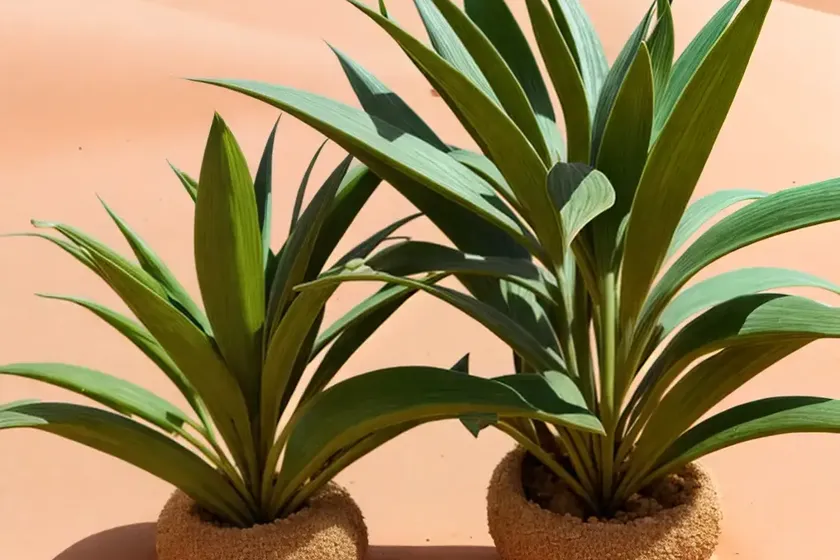
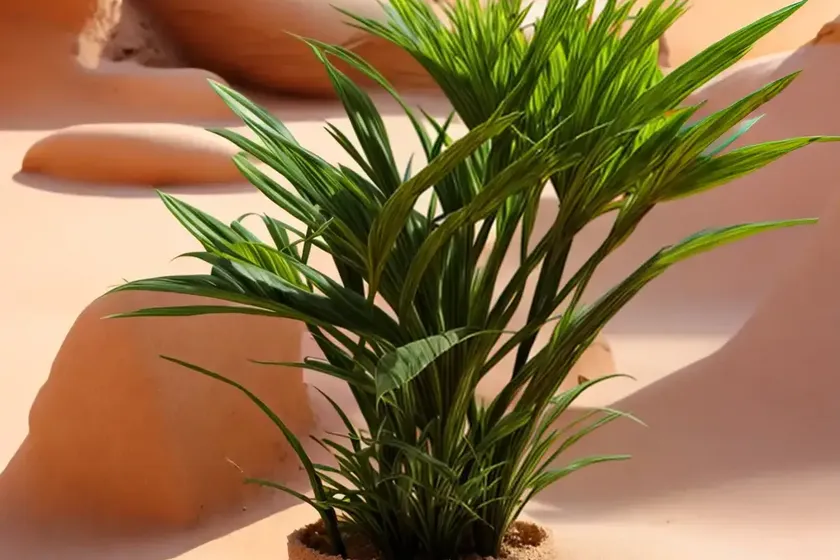
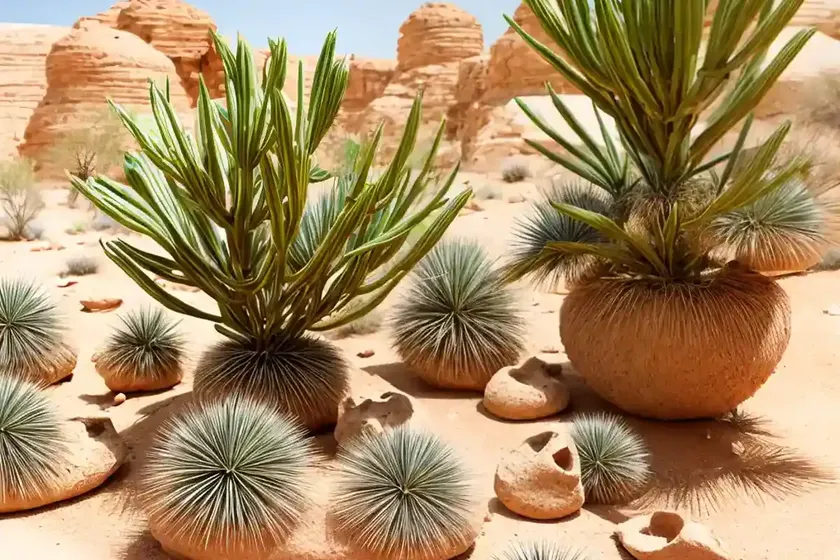
In the world of botanical wonders, the Desert Spoon, scientifically known as Dasylirion Serratifolium, stands out as a unique and resilient plant that thrives in arid climates. This remarkable succulent is well-adapted to water-scarce environments, making it a perfect addition to xeriscape gardens and landscapes. In this extensive guide, we will delve into the various aspects of the Desert Spoon, covering its characteristics, cultivation practices, uses, maintenance, and much more.
What is the Desert Spoon?
The Desert Spoon, also known as the “Sotol,” is a striking evergreen perennial plant belonging to the Asparagaceae family. Indigenous to the Chihuahuan Desert and other arid regions of North America, this plant has long been cherished for its ornamental appeal, resilience, and versatile utility. With its striking rosette of long, slender leaves and a towering flowering spike, the Desert Spoon adds a touch of exotic elegance to any landscape.
Plant Characteristics: Dasylirion Serratifolium
- Scientific Name: Dasylirion Serratifolium
- Common Name: Desert Spoon, Sotol
- Family: Asparagaceae
- Type: Evergreen Perennial
- Foliage: Long, Narrow, Serrated Leaves
- Flowers: Tall Flowering Spike
- Height: 3-5 feet
- Spread: 4-6 feet
- Hardiness Zones: 7-11
- Native Habitat: Chihuahuan Desert, North America
Key Takeaways – Desert Spoon (Dasylirion Serratifolium)
Before delving into the detailed aspects of cultivating and caring for the Desert Spoon, let’s outline the key takeaways associated with this resilient plant.
- Desert Spoon Care Tips: Understanding the specific care requirements for optimal growth and health of Desert Spoon plants.
- Growth and Characteristics: Exploring the unique growth habits, leaf structure, and visual appeal of Dasylirion Serratifolium.
- Cultivation Best Practices: Learning about the best practices for successfully growing and nurturing Desert Spoon in various environments.
- Propagation Methods: Discovering the techniques for propagating Desert Spoon to expand your plant collection or share with others.
- Common Problems: Identifying and addressing common issues and diseases that can affect Desert Spoon plants.
- Maintenance Practices: Establishing effective maintenance routines to ensure the long-term vitality of your Dasylirion Serratifolium.
- Watering Needs: Understanding the specific watering requirements to sustain Desert Spoon in xeric landscapes and gardens.
- Soil Conditions: Identifying the ideal soil conditions that promote healthy growth and development of Desert Spoon.
- Sunlight Requirements: Determining the optimal sun exposure for cultivating thriving Dasylirion Serratifolium.
- Fertilizing Tips: Selecting and applying suitable fertilizers to enhance the growth and resilience of Desert Spoon plants.
- Pests and Diseases: Recognizing common pests and diseases that can pose a threat to the well-being of Dasylirion Serratifolium.
- Pruning Techniques: Mastering the art of pruning to maintain the aesthetic appeal and health of Desert Spoon plants.
- Indoor Cultivation: Exploring the possibilities of cultivating and showcasing Desert Spoon in indoor settings.
- Landscaping Ideas: Harnessing the ornamental potential of Dasylirion Serratifolium for outdoor landscaping designs.
- Native Habitat: Understanding the natural habitat and environmental adaptations of Desert Spoon.
- Interesting Facts: Uncovering intriguing facts and anecdotes about the Desert Spoon plant.
- Medicinal Uses: Exploring the traditional and contemporary medicinal applications of Dasylirion Serratifolium.
- Sustainable Gardening: Embracing the eco-friendly and sustainable aspects of cultivating Desert Spoon.
- Container Gardening: Leveraging the versatility of Dasylirion Serratifolium for container-based gardening.
- Xeriscaping Benefits: Understanding the role of Desert Spoon in drought-tolerant and water-wise landscapes.
Now, let’s embark on a comprehensive journey through the intricate world of the Desert Spoon, exploring its cultivation, uses, and captivating attributes.
Culture
The Desert Spoon is deeply entrenched in the culture and traditions of the regions where it thrives. From indigenous communities utilizing its fibrous leaves for crafting to its incorporation into modern xeriscaping practices, the plant has left an indelible mark on the cultural landscape.
Cultural Significance
- Indigenous Communities: Dasylirion Serratifolium has held a prominent place in the traditions and daily life of various indigenous communities in North America. The plant’s long, fibrous leaves have been used for weaving baskets, mats, and other utilitarian items, reflecting the deep connection between the plant and the cultural heritage of these communities.
- Contemporary Relevance: In contemporary culture, the Desert Spoon continues to captivate gardeners, landscapers, and enthusiasts who appreciate its distinctive beauty and resilience. Its presence in xeriscape and sustainable gardening initiatives speaks to its enduring cultural relevance and appeal.
Symbolism and Meanings
- Resilience: The adaptability and perseverance of the Desert Spoon in harsh desert environments make it a symbol of resilience and strength. Its ability to thrive in adversity resonates with themes of endurance and tenacity, endowing the plant with symbolic significance in various cultural contexts.
- Natural Beauty: The striking form and appearance of the Desert Spoon symbolize natural beauty and elegance, becoming a source of inspiration for artists, designers, and individuals seeking to connect with the splendor of arid landscapes.
Uses
The utility of the Desert Spoon extends far beyond its ornamental value. From traditional applications in crafting and construction to its emerging role in sustainable living, the plant offers a spectrum of practical and aesthetic uses.
Utilitarian Applications
- Fibrous Leaves: The long, fibrous leaves of Dasylirion Serratifolium have been historically prized for their strength and flexibility, making them ideal for weaving into baskets, mats, and other functional items. The plant’s fibers have contributed to the creation of durable and versatile products in indigenous communities, preserving traditional crafting techniques and material culture.
- Architectural Elements: The robust and sculptural quality of the Desert Spoon has inspired its use as an architectural and landscaping feature. Whether integrated into garden designs, public spaces, or private estates, the plant’s structural allure adds a touch of sophistication and natural elegance to its surroundings.
Aesthetic Enhancements
- Xeriscape Gardens: The Desert Spoon is a revered component of xeriscape gardens, where its drought-tolerant nature and visual appeal elevate the aesthetic and functional aspects of water-wise landscapes. Its distinctive silhouette, characterized by rosettes of spiky leaves and towering flower stalks, creates a compelling focal point in garden compositions, contributing to the overall allure of arid-inspired spaces.
- Ornamental Plantings: Whether in rock gardens, desert-themed landscapes, or contemporary botanical displays, Dasylirion Serratifolium serves as a striking ornamental plant, infusing spaces with a sense of exoticism and rugged beauty. Its ability to thrive in challenging environments makes it an attractive choice for individuals seeking visually arresting additions to their outdoor settings.
In addition to its utilitarian and aesthetic uses, the Desert Spoon holds significance in sustainable living, ecological restoration, and cultural preservation. Its multi-faceted contributions underscore its adaptability and relevance in diverse contexts.
Cultivation
Cultivating the Desert Spoon requires a nuanced understanding of its specific needs and environmental preferences. By embracing best practices tailored to its unique characteristics, gardeners and enthusiasts can foster the growth and vitality of Dasylirion Serratifolium in a range of settings.
Water
Desert Spoon (Dasylirion Serratifolium) Watering Needs
The water requirements of the Desert Spoon are intricately linked to its native habitat and evolutionary adaptations. Understanding its preferences for arid conditions is crucial for providing appropriate moisture levels to sustain its health and vigor.
- Xeriscaping Principles: As a quintessential xerophyte, the Desert Spoon thrives in low-water environments, making it an ideal candidate for xeriscape gardens and landscapes characterized by water conservation practices. Its ability to withstand extended periods of drought without compromising its ornamental appeal underscores its suitability for arid and semi-arid regions.
- Establishment Phase: During the initial establishment phase, newly planted or transplanted Desert Spoon specimens benefit from consistent, yet moderate, watering to promote root development and acclimatization to their surroundings. While the plant demonstrates resilience to drought, providing supplemental irrigation in the early stages helps facilitate its transition into the landscape.
- Mature Plant Care: Once established, Dasylirion Serratifolium requires minimal to no supplemental watering, relying on natural precipitation and soil moisture reserves to meet its needs. Overly wet conditions, especially in poorly draining soils, can lead to root rot and other detrimental consequences, highlighting the importance of adhering to low-water regimes when cultivating the plant.
Sunlight
Sunlight Requirements for Dasylirion Serratifolium
Unsurprisingly, the Desert Spoon’s affinity for sunlight aligns with its desert origins, necessitating ample sun exposure to thrive and manifest its distinctive traits.
- Full Sun Exposure: Dasylirion Serratifolium flourishes in full sun conditions, basking in the intense radiance of arid environments. Positioning the plant in locations that receive direct sunlight for the majority of the day is essential for stimulating robust growth and maintaining its characteristic form and vigor.
- Shade Tolerance: While the Desert Spoon’s preference for full sun is well-documented, it showcases a degree of tolerance for temporary shade or filtered sunlight. However, consistent, extended shade can impede its growth and diminish its ornamental appeal, underscoring the primacy of providing ample sunlight to elicit its optimal performance.
Fertilizer
Fertilizing Tips for Desert Spoon Plants
While the Desert Spoon’s leanings towards minimal maintenance are evident, judicious fertilization can complement its growth requirements, particularly in nutrient-deficient soils.
- Minimal Fertilization: The Desert Spoon exhibits a low dependency on external fertilization, relying on its inherent resilience and adaptability to thrive in nutrient-poor environments. As such, applying minimal to no fertilizer to established plants is advisable, as excessive nutrient supplementation can disrupt its ecological balance and diminish its xerophytic qualities.
- Transplant Considerations: Newly transplanted or container-grown Dasylirion Serratifolium may benefit from a sparing application of slow-release, low-nitrogen fertilizer to support the establishment of their root systems. Selecting a balanced fertilizer designed for succulents and cacti can provide the necessary nutrients without overwhelming the plant with excessive nitrogen, which can spur excessive vegetative growth at the expense of its natural, sculptural form.
- Organic Amendments: In lieu of conventional fertilizers, incorporating organic amendments such as compost or well-rotted manure into the planting site or container mix can enrich the soil structure and fertility, imparting long-term benefits to the Desert Spoon while aligning with sustainable gardening practices.
Soil
Ideal Soil Conditions for Desert Spoon Plants
The selection of appropriate soil types and the optimization of soil conditions are paramount for fostering the vitality and endurance of the Desert Spoon.
- Well-Draining Soils: Dasylirion Serratifolium thrives in well-draining, sandy, or gravelly soils that mirror the porous substrates found in its natural habitat. The permeable nature of these soils mitigates the risk of waterlogging and facilitates aeration, promoting root health and mitigating the dangers of excessive moisture retention.
- Sandy and Gravelly Textures: Sandy or gravely soils with coarse particles align with the Desert Spoon’s proclivity for arid environments, offering the drainage and structural support necessary for sustained growth and development. Their low water-holding capacity aligns with the plant’s aversion to wet conditions, preventing the accumulation of excess moisture around the root zone.
- Container Considerations: In container gardening settings, employing a well-draining, cactus and succulent potting mix or incorporating sand and perlite into standard potting soils can emulate the optimal soil conditions required by Dasylirion Serratifolium. Selecting containers with ample drainage holes further bolsters the plant’s capacity to thrive in containerized environments.
Pruning
Pruning Techniques for Desert Spoon Plants
Pruning the Desert Spoon, while infrequent, can serve aesthetic and maintenance purposes, refining its appearance and promoting its long-term health.
- Leaf Maintenance: Trimming or removing damaged or unsightly leaves from the lower portion of the plant can enhance its visual appeal and prevent the accumulation of decaying foliage. Employing clean, sharp pruning tools allows for precise and sanitary cuts, reducing the risk of disease transmission and supporting the plant’s overall vigor.
- Flowering Stalk Removal: After the blooming period, removing spent flower stalks can tidy the appearance of the Desert Spoon and divert the plant’s energy back towards vegetative growth. Trimming the flowering stalk at its base, where it emerges from the center of the rosette, helps maintain the plant’s clean, sculptural form and promotes subsequent flowering in the following seasons.
Propagation
How to Propagate Dasylirion Serratifolium
The propagation of the Desert Spoon offers a gratifying opportunity to expand one’s plant collection and share the resilience and beauty of Dasylirion Serratifolium with fellow enthusiasts.
- Seed Propagation: Propagating the Desert Spoon from seeds is a viable method for generating new plants, though it requires patience and attentiveness to achieve successful germination. Sowing the seeds in well-draining, sandy soil at a shallow depth and providing consistent, moderate moisture levels can stimulate their sprouting, initiating the growth of new seedlings.
- Offsets and Division: Dasylirion Serratifolium produces offsets, or “pups,” around the base of mature plants, offering an accessible means of propagating additional specimens. Separating the offsets from the parent plant using a clean, sharp knife and transplanting them into suitable growing environments facilitates their establishment and independent growth, perpetuating the legacy of the Desert Spoon.
Container Cultivation
The adaptability and compact nature of the Desert Spoon render it amenable to containerized cultivation, enabling individuals to showcase its beauty in diverse settings.
Container Popularity
The Desert Spoon’s popularity as a container plant stems from its aesthetic allure, manageable size, and resilient disposition, which converge to form a winning combination for container gardening enthusiasts.
- Visual Appeal: In containers, Dasylirion Serratifolium serves as a captivating focal point, infusing patios, decks, and outdoor living spaces with an air of desert charm and natural elegance. Its sculptural form and minimal maintenance requirements make it a desirable addition to container gardens, where it can thrive in the absence of expansive garden beds.
- Space Efficiency: The compatibility of the Desert Spoon with containers allows for the optimized use of limited space, catering to urban and suburban environments where garden real estate may be at a premium. Its ability to flourish in confined quarters without compromising its ornamental impact reinforces its appeal to individuals seeking to invigorate their surroundings with minimal spatial requirements.
Container Cultivation Tips
Best Practices for Growing Desert Spoon in Containers
Successful container cultivation of the Desert Spoon hinges on the application of tailored practices suited to the unique demands of potted plantings.
- Container Selection: Choosing containers with ample drainage holes is fundamental for preventing waterlogged conditions and safeguarding the root health of Dasylirion Serratifolium. Selecting containers made of durable, weather-resistant materials can prolong their longevity and support the long-term growth of the plant.
- Soil Considerations: Utilizing well-draining, cactus and succulent potting mixes or combining standard potting soils with sand and perlite can create an optimal growing medium for the Desert Spoon in containers. The porous, aerated nature of these soils mimics the conditions found in its natural habitat, fostering its resilience and vitality.
- Watering Regimens: Containerized Desert Spoon plants necessitate attentive monitoring of their moisture levels, as the restricted soil volume can lead to rapid drying. Employing a cautious approach to watering, allowing the soil to partially dry out between watering sessions, enables the plant to receive the necessary moisture while averting the perils of waterlogging.
Common Diseases and Pests
The robust constitution of the Desert Spoon confers a degree of resistance to diseases and pests, yet vigilance and proactive management can forestall potential threats to its well-being.
Common Diseases
Disease Diagnosis and Management for Desert Spoon
While the incidence of diseases affecting the Desert Spoon is relatively low, certain environmental and cultural factors can predispose the plant to specific maladies.
- Root Rot: Prolonged exposure to excessively wet or poorly draining soils can precipitate root rot, a fungal affliction that compromises the root system’s functionality and vitality. Implementing rigorous soil drainage measures and avoiding overwatering are pivotal in mitigating the risk of root rot in Dasylirion Serratifolium.
- Fungal Leaf Spots: The presence of persistent moisture on the foliage, particularly in humid or compacted environments, can foster the onset of fungal leaf spots, manifesting as discolored lesions on the leaves. Circumscribing the application of overhead irrigation and ensuring adequate air circulation aids in preempting the development of fungal leaf spots, preserving the visual integrity of the plant.
Common Pests
Pests Affecting Dasylirion Serratifolium
The Desert Spoon’s formidable nature discourages the proliferation of pests, however, certain insects may pose sporadic challenges that demand vigilance and intervention.
- Scale Insects: Scale insects, characterized by their diminutive, armored appearance, can infest Desert Spoon plants, siphoning nutrients from the foliage and impeding their growth. Employing horticultural oils or insecticidal soaps, applied in accordance with manufacturer recommendations, serves as an effective means of managing scale insect populations and safeguarding the health of Dasylirion Serratifolium.
- Spider Mites: In hot, arid conditions, spider mites can afflict the foliage of the Desert Spoon, causing stippling and discoloration as they feed on the plant’s sap. Deploying water sprays to dislodge and deter spider mites, coupled with the introduction of predatory mites to control their numbers, represents a holistic approach to mitigating their impact on the plant.
Botanist’s Tips
Drawing upon insights from the realm of plant science, botanists offer invaluable guidance for nurturing and appreciating the awe-inspiring attributes of the Desert Spoon.
Horticultural Insights
- Respect Native Habitats: Understanding and honoring the natural habitat of the Desert Spoon fosters a deeper appreciation for its evolutionary adaptations and ecological importance. Incorporating principles of sustainability and ecological stewardship in the cultivation and preservation of Dasylirion Serratifolium underscores the ethical imperatives of horticulture.
- Promote Biodiversity: Integrating Desert Spoon plants into landscapes and gardens contributes to the preservation of biodiversity and the promotion of resilient, native plant communities. Empowering plant diversity through the inclusion of