Deer-foot Fern (Davallia canariensis): An In-depth Care Guide
Ferns, with their lush green foliage and delicate fronds, are popular ornamental plants that add a touch of elegance to any garden or indoor space. Among these, the deer-foot fern (Davallia canariensis) stands out for its unique appearance and relatively low maintenance requirements. Whether you’re a seasoned plant enthusiast or just starting your journey as a plant parent, understanding the specific care needs of the deer-foot fern can help you ensure its health and vigor. In this comprehensive guide, we will explore the key characteristics of the deer-foot fern and provide expert insights into its cultivation, care, and maintenance.
What is a Deer-foot Fern (Davallia canariensis)?
The deer-foot fern, scientifically known as Davallia canariensis, is a species of fern that belongs to the Davalliaceae family. It is native to the Canary Islands, where it thrives in the mild and humid conditions of its natural habitat. The name “deer-foot fern” is derived from the distinct appearance of its rhizomes, which resemble tiny hooves or “deer feet.”
Key Characteristics of Deer-foot Fern (Davallia canariensis)
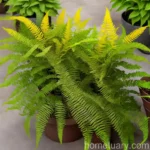
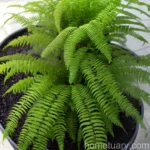
- Foliage: The deer-foot fern is characterized by its finely dissected, triangular fronds that resemble the delicate leaves of a lace fern. The fronds emerge from creeping, fuzzy rhizomes, adding to the plant’s unique aesthetic appeal.
- Growth Habit: This fern grows in spreading clumps, with its rhizomes gradually forming a dense mat over the soil surface.
- Size: Generally, the deer-foot fern reaches a height and spread of about 8 to 12 inches, making it an ideal choice for both indoor and outdoor settings.
- Preferred Conditions: It thrives in shaded or partially shaded areas with consistent moisture and well-draining soil.
Now that we have gained an overview of the deer-foot fern’s appearance and natural habitat, let’s delve into its specific care requirements to help you cultivate and nurture this distinctive plant successfully.
Culture
Cultivating the deer-foot fern requires an understanding of its native habitat and growing conditions. By replicating its natural environment to the best of our abilities, we can optimize its health and growth. The following aspects are crucial when considering the culture of Davallia canariensis:
Growing Medium
The deer-foot fern thrives in a loose, well-draining growing medium. A combination of peat moss, perlite, and pine bark offers excellent aeration and moisture retention, which is essential for the plant’s health. Consider using a commercial potting mix formulated for ferns or create a custom mix with the aforementioned components.
Temperature and Humidity
To mimic its native environment, the deer-foot fern prefers relatively cool temperatures and high humidity levels. A temperature range of 60-75°F (15-24°C) and humidity levels above 50% are ideal for its growth. In drier indoor environments, supplementing humidity with a humidifier or regular misting can be beneficial.
Watering
Consistent moisture is vital for the deer-foot fern’s well-being. While it does not tolerate waterlogged soil, it prefers a consistently moist – but not soggy – growing medium. Water your fern when the soil surface feels slightly dry to the touch, and ensure that excess water can drain freely from the pot to prevent waterlogging.
Light
As a shade-loving plant, the deer-foot fern thrives in low to medium indirect light. Placing it near an east- or north-facing window or in a location with dappled sunlight outdoors can provide the ideal light conditions. Direct sun exposure, particularly in the afternoon, should be avoided to prevent leaf scorch and dehydration.
Container
When selecting a container for your deer-foot fern, prioritize a pot with adequate drainage holes to prevent water accumulation. Additionally, choose a container that accommodates the plant’s spreading growth habit, allowing ample room for the rhizomes to expand.
Uses
The deer-foot fern is valued for its ornamental appeal and has various applications in landscaping and indoor décor. Understanding its potential uses can help you integrate this distinctive fern into your living spaces and outdoor garden effectively.
Indoor Décor
In indoor settings, the deer-foot fern is often showcased in hanging baskets or displayed on elevated surfaces to accentuate its trailing fronds. Its soft, delicate foliage and unique growth habit make it an excellent choice for adorning living rooms, offices, and other interior spaces.
Landscaping
In outdoor landscapes, the deer-foot fern can be used to create lush, low-maintenance ground covers in shaded areas. Its spreading growth habit and attractive foliage make it an appealing choice for adding visual interest to garden beds and borders.
Naturalized Settings
In regions with suitable climatic conditions, Davallia canariensis can naturalize and thrive in woodland gardens, providing a natural, woodland-like aesthetic with its graceful fronds and perennial nature.
Deer-foot Fern (Davallia canariensis) Care Guide
After gaining a foundational understanding of the deer-foot fern’s characteristics and potential uses, it’s essential to explore a comprehensive care guide to ensure its optimal growth and development. Let’s dive into the specific care requirements, including watering, sunlight, fertilizer, soil, pruning, propagation, and common maintenance practices.
Water
Watering Requirements
Proper watering is crucial for maintaining the health and vitality of the deer-foot fern. The following guidelines can help you provide adequate moisture for the plant without risking waterlogging:
- Frequency: Water your deer-foot fern when the top inch of the soil feels slightly dry to the touch.
- Watering Technique: Apply water evenly across the soil surface until it begins to trickle through the drainage holes. Ensure that excess water drains freely to prevent waterlogging.
- Moisture Consistency: Aim to maintain consistent moisture in the growing medium, avoiding extended dry periods or waterlogged conditions.
Water Quality
In addition to quantity and frequency, the quality of water can also impact the health of your fern. Use room temperature, filtered water if possible to avoid any potential adverse effects of chemicals or impurities present in tap water.
Sunlight
Light Requirements
Being native to shaded environments, the deer-foot fern thrives in low to medium indirect light. Proper light conditions play a significant role in the fern’s growth and foliage quality. Consider the following aspects when providing light for your deer-foot fern:
- Indoor Placement: Place indoors in east- or north-facing windows or areas with filtered light to provide an optimal light environment.
- Outdoor Conditions: When grown outdoors, position the fern in shaded or partially shaded areas, such as under the canopy of taller plants or trees.
Artificial Lighting
In environments with limited natural light, supplementing with artificial grow lights can help maintain sufficient light levels for the deer-foot fern. Opt for full-spectrum LED or fluorescent lights to mimic natural daylight, positioning them at an appropriate distance from the plant canopy.
Fertilizer
Nutrient Requirements
While the deer-foot fern does not have particularly high nutritional demands, periodic fertilization can support its growth and overall vigor. Consider the following guidelines for fertilizing Davallia canariensis:
- Frequency: Apply a balanced, water-soluble fertilizer diluted to half-strength every 4-6 weeks during the plant’s active growing season (typically spring and summer).
- Application Technique: Water the plant thoroughly before applying the fertilizer solution to help prevent any potential root burn.
- Observation and Adjustment: Monitor the plant’s response to the fertilizer, adjusting the frequency or concentration as needed based on its growth and overall health.
Soil
Soil Preference
The deer-foot fern thrives in a loose, well-draining soil mix that provides adequate aeration and moisture retention. Consider the following soil characteristics when selecting or preparing a growing medium for Davallia canariensis:
- Components: A well-balanced mix of peat moss, perlite, and pine bark offers excellent aeration and drainage, promoting healthy root development.
- Acidic pH: Aim for a slightly acidic to neutral pH range (5.5-6.5) to create an optimal soil environment for the fern’s nutrient uptake and overall vitality.
Pruning
Maintenance Pruning
Regular maintenance pruning helps to remove any damaged or withered fronds, promoting a neat and tidy appearance for your deer-foot fern. Follow these guidelines for effective pruning:
- Sanitization: Use sharp, clean scissors or pruning shears to prevent any unnecessary damage or stress to the plant.
- Selective Removal: Trim away any discolored or yellowing fronds at the base of the plant, ensuring a clean cut to minimize the risk of disease spread or further damage.
Propagation
Propagation Methods
Propagating the deer-foot fern can be an engaging way to expand your plant collection or share the beauty of this unique fern with others. Explore the following propagation methods to propagate Davallia canariensis successfully:
- Division: Divide mature clumps of the fern by carefully separating the rhizomes and planting them in individual containers or suitable locations.
- Rhizome Cuttings: Take healthy rhizome cuttings with attached fronds and plant them in a suitable growing medium to encourage new root and foliage growth.
Common Diseases and Pests
Despite being relatively resilient, the deer-foot fern may face certain disease and pest issues that can impact its health and appearance. Understanding these potential challenges and their identification can aid in timely intervention and management.
Common Diseases
- Leaf Spot Diseases: Characterized by the development of dark or discolored spots on the foliage, often attributed to fungal or bacterial infections. Proper sanitation, adequate air circulation, and avoiding overhead watering can help prevent these diseases.
- Root Rot: Excessive moisture or waterlogged soil conditions can lead to root rot in the deer-foot fern. Monitor the plant’s watering needs and ensure proper drainage to prevent this issue.
Common Pests
- Spider Mites: These tiny pests can infest the foliage of the deer-foot fern, causing stippling or discoloration on the leaves. Regularly inspect the plant and use natural or chemical control methods to manage spider mite infestations.
- Scale Insects: Scale insects may appear as small, raised bumps on the fronds, often accompanied by sticky residue (honeydew). Addressing infestations promptly can prevent significant damage to the plant.
Botanist’s Tips
In addition to the specific care guidelines mentioned above, here are some additional tips from botanists and plant experts to help you cultivate and care for the deer-foot fern successfully:
- Regular Monitoring: Keep a close eye on the plant’s growth and overall appearance, addressing any changes or issues promptly to maintain its health.
- Optimal Watering: As an indicator, the top layer of the soil should feel slightly moist to the touch, but not waterlogged or completely dry, to ensure proper moisture levels for the fern.
Fun Facts
- The fuzzy rhizomes of the deer-foot fern contribute to its unique texture and visual appeal, making it a sought-after addition to plant collections and garden displays.
- While the deer-foot fern is not a true flowering plant, it reproduces through spores rather than seeds, adding to its botanical interest.
Conclusion
In conclusion, the deer-foot fern (Davallia canariensis) is a captivating and relatively low-maintenance plant that can bring a touch of natural elegance to any indoor or outdoor setting. By understanding its specific care requirements, including water, sunlight, fertilizer, soil, pruning, propagation, and pest and disease management, you can cultivate and nurture this iconic fern with confidence. Whether you’re incorporating it into your indoor décor, landscaping, or naturalized garden settings, the deer-foot fern’s distinctive fronds and spreading growth habit make it a versatile and visually appealing choice for plant enthusiasts and horticulturists alike.
External Resources
- American Fern Society
- Royal Horticultural Society – Ferns
- University of Florida IFAS Extension – Indoor Ferns
Disclaimer: The information provided in this blog post is for educational and informational purposes only. It is not intended to be a substitute for professional botanical advice. Always seek guidance from a qualified horticulturist or botanist for specific plant care recommendations