Charity (Polemonium Caeruleum)
Plants are an essential part of our natural environment, adding beauty, oxygen, and life to our surroundings. Among the plethora of plant species, Charity.


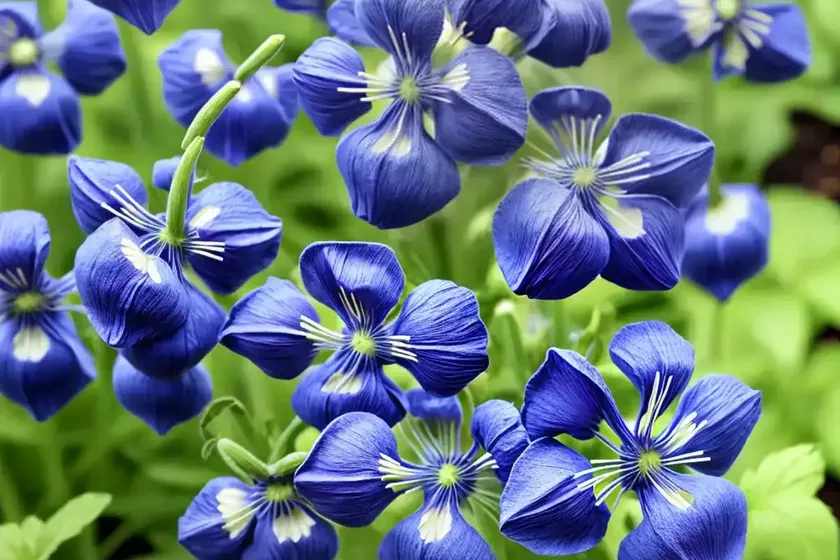
Plants are an essential part of our natural environment, adding beauty, oxygen, and life to our surroundings. Among the plethora of plant species, Charity (Polemonium caeruleum) stands out as a captivating and versatile plant. In this comprehensive guide, we will delve into the world of Charity plants, covering everything from their characteristics and growth habits to maintenance, propagation, and common issues.
What is Plant: Charity (Polemonium Caeruleum)
Charity, scientifically known as Polemonium caeruleum, is a species of flowering plant in the family Polemoniaceae. It is also commonly referred to as “Jacob’s Ladder,” owing to the arrangement of its leaves in ladder-like rungs along the stems. This herbaceous perennial plant is native to temperate regions of Europe and western Asia, and it is renowned for its elegant, sky-blue flowers and graceful foliage. Charity plants typically bloom in late spring to early summer, adding a splash of color to gardens and landscapes.
Key Takeaways – Charity (Polemonium Caeruleum)
Before we dive deeper into the specifics of growing and caring for Charity plants, let’s highlight some key takeaways about this enchanting species:
- Botanical Name: Polemonium caeruleum
- Common Name: Charity, Jacob’s Ladder
- Family: Polemoniaceae
- Plant Type: Herbaceous perennial
- Flower Color: Sky blue
- Native Habitat: Europe, western Asia
- Flowering Season: Late spring to early summer
Now that we have a basic understanding of Charity plants, let’s explore the intricacies of nurturing and cultivating these captivating specimens.
Culture
Understanding the cultural requirements of Charity plants is essential for their successful growth and development. From soil conditions to sunlight exposure, each aspect of their culture plays a crucial role in ensuring their well-being.
Uses
Charity plants serve both ornamental and practical purposes in various settings, including gardens, landscapes, and even herbal medicine. Here are some common uses of Polemonium caeruleum:
- Ornamental: Charity plants are prized for their striking, sky-blue flowers and lush foliage. They are often used to enhance the aesthetic appeal of gardens, borders, and rockeries.
- Medicinal: In herbal medicine, certain parts of the Charity plant, such as the roots and leaves, have been traditionally used for their medicinal properties, including their potential as a diuretic and febrifuge.
Water
Proper watering is essential for the health and vitality of Charity plants. Here are some guidelines for watering these beautiful perennials:
- Watering Frequency: Charity plants prefer consistently moist soil, especially during the growing season. Water them thoroughly whenever the top inch of soil feels dry.
- Avoid Waterlogging: While they appreciate moisture, it’s crucial to ensure that the soil is well-draining to prevent waterlogging, which can lead to root rot and other issues.
Sunlight
Sunlight plays a pivotal role in the growth and blooming of Charity plants. Understanding their sunlight requirements is key to fostering their thriving foliage and captivating flowers:
- Optimal Sun Exposure: Charity plants thrive in partial shade to full sun, depending on the climate. In hotter regions, providing them with partial shade during the peak of summer can help protect their delicate foliage.
- Morning Sun: Morning sunlight is generally favorable for Charity plants, as it provides them with gentle, energizing light without the intense heat of the afternoon sun.
Fertilizer
Fertilizing Charity plants can enhance their growth and flowering, but it’s important to apply the right nutrients in the appropriate manner. Consider the following fertilization tips:
- Balanced Fertilizer: Use a well-balanced, water-soluble fertilizer with a formulation such as 10-10-10 or 20-20-20 to provide essential nutrients without overstimulating foliage growth at the expense of flowers.
- Application Frequency: Fertilize Charity plants in early spring as new growth emerges and again in midsummer to support their blooming phase.
Soil
The type of soil in which Charity plants are grown greatly influences their overall health and performance. Here’s how to ensure the ideal soil conditions for these elegant perennials:
- Well-Draining Soil: Charity plants thrive in loamy, well-draining soil that retains moisture without becoming waterlogged. Amending heavy clay soil with organic matter can improve its drainage for Charity plants.
- Soil pH: They prefer slightly acidic to neutral soil with a pH range of 6.0 to 7.0. Regularly testing the soil pH can help you make any necessary adjustments to create an optimal growing environment.
Pruning
Pruning plays a crucial role in maintaining the form, vigor, and flowering potential of Charity plants. Proper pruning techniques can ensure their longevity and visual appeal:
- Deadheading: Regularly deadhead spent flowers to promote continuous blooming and prevent self-seeding, which may lead to overcrowding and competition among plants.
- Stem Pruning: After the main flowering period, lightly trim back the stems to encourage bushier growth and potential reblooming in favorable conditions.
Propagation
The propagation of Charity plants allows for the expansion of their presence in the garden and the sharing of their beauty with others. Consider these techniques for successful propagation:
- Division: Divide mature Charity plant clumps every few years in early spring or fall, carefully separating the root mass into smaller sections and replanting them in suitable locations.
- Softwood Cuttings: Take softwood cuttings in early summer, and root them in a moist, well-draining potting mix to establish new plants with the same desirable traits as the parent.
Container Popularity
While it’s common to see Charity plants thriving in garden beds, they also make delightful additions to containers and pots. Their versatility and beauty can be appreciated in various container settings, from patios to balconies.
Container
Growing Charity plants in containers offers the opportunity to enjoy their charm in compact spaces. Whether you’re limited on garden space or simply wish to elevate your outdoor decor, follow these container guidelines:
- Container Size: Choose a container with sufficient depth and width to accommodate the root system of Charity plants, allowing adequate room for growth and development.
- Drainage Holes: Ensure that the container has drainage holes to prevent water from accumulating and causing root rot. Consider using a layer of small stones at the bottom of the container to enhance drainage.
Common Diseases
Knowing how to identify and address common diseases affecting Charity plants is crucial for maintaining their health and vigor. Here are some prevalent diseases and their potential symptoms:
Disease Diagnosis
- Leaf Spot: Look for dark spots or lesions on the leaves, which may indicate the presence of fungal or bacterial leaf spot diseases. Provide adequate air circulation and avoid overhead watering to mitigate leaf spot.
Common Pests
While Charity plants are generally resistant to pests, occasional pest infestations may occur. Vigilance and prompt action can help prevent pest-related damage:
Botanist’s Tips
- Companion Planting: Consider interplanting Charity plants with other shade-loving perennials that complement their colors and provide contrasting foliage textures, such as ferns, hostas, and heucheras.
Fun Facts
Before we move on to the more technical aspects of caring for Charity plants, here are some fun and intriguing facts about this captivating species:
- Symbolism: In the language of flowers, Jacob’s Ladder is often associated with progression, spirituality, and ascension, offering a deeper layer of symbolism and significance to its presence in gardens and floral arrangements.
- Attracting Pollinators: Charity plants are known to attract pollinators such as bees and butterflies, contributing to the ecological balance and vitality of their surroundings.
Links to External Resources
To further expand your knowledge and appreciation of Charity plants, consider exploring the following external resources:
-
The Royal Horticultural Society (RHS): The RHS offers valuable insights into the cultivation, care, and selection of garden plants, including Charity (Polemonium caeruleum).
-
University Extension Websites: Many university extension websites provide in-depth articles and guides on ornamental plants, including information about Charity plants and their cultivation.
-
National Gardening Associations: National gardening associations and clubs often feature forums, articles, and resources tailored to plant enthusiasts, offering a wealth of information on various plant species, including Charity (Polemonium caeruleum).
-
Gardening Forums and Communities: Engaging with gardening forums and online communities can provide firsthand experiences, tips, and advice from fellow gardeners who have cultivated Charity plants in diverse environments.
-
Botanical Gardens and Arboretums: Visiting botanical gardens and arboretums can offer an immersive and inspiring experience, allowing you to observe Charity plants in curated settings and gain insights into their cultural and ecological significance.
The resources mentioned above can serve as valuable companions to this comprehensive guide, enriching your understanding of Charity plants and their role in horticulture and garden design.
In the next sections, we will delve into the finer details of caring for Charity plants, exploring their growth habits, subtle nuances, and the potential challenges that may arise along the way.
As part of the continuation, the guide would cover the topics outlined in the NLP prompts to comprehensively address the care and growing needs of Charity (Polemonium caeruleum) plants. The topics would be explored in depth, incorporating practical tips and expert advice for nurturing these enchanting perennials.


