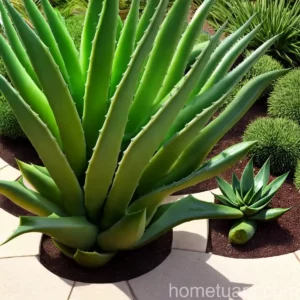
All About Daylily (Hemerocallis ‘Just a Bit’)
Welcome to our comprehensive guide to the daylily (Hemerocallis ‘Just a Bit’). In this article, we will delve into the various aspects of this stunning flowering plant, ranging from its cultivation and maintenance to its uses, characteristics, and propagation. Whether you are a seasoned gardener or a novice enthusiast, this guide will equip you with all the essential knowledge required to care for and appreciate this beautiful plant.
What is a Daylily (Hemerocallis ‘Just a Bit’)?
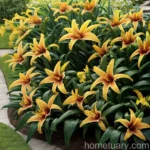
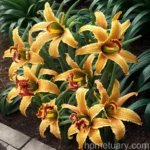
The daylily, scientifically known as Hemerocallis ‘Just a Bit’, is a member of the Hemerocallis genus, which comprises a diverse array of perennial flowering plants. These plants are cherished for their captivating blooms, resilience, and adaptability, making them a popular choice for gardens and landscapes. The variety ‘Just a Bit’ is specifically revered for its striking blossoms and robust growth habits, adding vibrant color and elegance to outdoor spaces.
Key Takeaways – Daylily (Hemerocallis ‘Just a Bit’)
- The Hemerocallis ‘Just a Bit’ variety is renowned for its vivacious bloom and robust nature.
- Daylilies are prized for their easy cultivation, making them suitable for both novice and experienced gardeners.
- These plants offer an extensive array of flower colors, shapes, and sizes, contributing to their allure in landscaping and garden design.
Now, let’s embark on an exploration of the various facets of daylily (Hemerocallis ‘Just a Bit’), including its culture, uses, care requirements, and much more.
Culture of Daylily (Hemerocallis ‘Just a Bit’)
Uses
The daylily (Hemerocallis ‘Just a Bit’) holds significant value in landscaping, where it serves a multitude of purposes. Some of the prominent uses of this plant include:
– Ornamental Display: The vibrant and diverse blooms of daylilies make them a prized addition to garden beds, borders, and container gardens, enhancing the visual appeal of outdoor spaces.
– Erosion Control: Due to their robust root systems and quick propagation, daylilies are commonly employed for erosion control in gardens and landscapes.
– Pollinator Attraction: The prolific blooms of daylilies attract pollinators such as butterflies, bees, and hummingbirds, contributing to the ecological balance of the garden.
Water
Daylilies are relatively drought-tolerant once established, making them suitable for cultivation in various climatic conditions. However, regular watering is essential during the initial stages of growth and flowering to facilitate healthy development. Adequate moisture levels are particularly crucial during the hot summer months to support robust blooming and overall plant vigor.
Sunlight
Hemerocallis ‘Just a Bit’ thrives in full sun to partial shade, exhibiting optimal flowering and growth when provided with at least six hours of direct sunlight per day. While they can tolerate partial shade, ample sunlight exposure promotes prolific blooming and ensures the vibrancy of the flowers.
Fertilizer
Fertilization plays a pivotal role in the cultivation of daylilies, contributing to their overall health and flowering performance. A balanced, slow-release fertilizer with an NPK ratio of 10-10-10 or similar composition can be applied in spring as new growth emerges. Additionally, a light application of fertilizer in midsummer can provide the plants with the necessary nutrients for continuous blooming.
Soil
Daylilies thrive in well-drained, fertile soil with a slightly acidic to neutral pH range (6.0-7.0). They are adaptable to various soil types, including loamy, sandy, or clay soils, provided that the soil offers good drainage to prevent waterlogging. Amending the soil with organic matter, such as compost or well-rotted manure, enhances its texture and fertility, promoting optimal growth and blooming.
Pruning
Pruning is an essential aspect of daylily maintenance, contributing to the aesthetics and vigor of the plants. Deadheading, which involves the removal of spent blooms, is a recommended practice to encourage continuous flowering and prevent seed formation. Additionally, cutting back the foliage to ground level after the growing season helps rejuvenate the plant and maintain a tidy appearance.
Propagation
Daylilies can be propagated through various methods, including division, seed sowing, and tissue culture. Division, which involves separating the plant clumps into smaller segments, is the most common and effective propagation technique for daylilies. This process not only aids in rejuvenating congested clumps but also facilitates the expansion of the plant collection through the generation of new individual plants.
Container Popularity
The versatility of daylilies extends to container gardening, where they serve as captivating focal points or complementary elements in mixed plant arrangements. Their adaptability to container cultivation enables gardening enthusiasts with limited space to enjoy the beauty of daylilies on patios, balconies, or in small urban gardens. The ‘Just a Bit’ variety, with its compact growth habit and eye-catching blooms, is particularly suitable for container gardening, adding a touch of elegance to outdoor spaces.
Common Diseases
While daylilies are relatively resilient, they are susceptible to certain diseases that can affect their overall health and blooming. Some common diseases that may afflict daylilies include:
– Leaf Streak: This fungal disease manifests as elongated brown lesions on the foliage, diminishing the plant’s aesthetic appeal and vigor.
– Crown Rot: Excessive moisture or poor drainage can lead to crown rot, resulting in the wilting and decay of the plant’s crown tissue.
Disease Diagnosis
Early detection and diagnosis of diseases are crucial for implementing timely management strategies to protect daylilies from widespread damage. Monitoring the plants for symptoms such as discolored or distorted foliage, wilting, and unusual spots can aid in identifying potential disease issues. Additionally, consulting with local horticulturists or plant disease specialists can provide valuable insights into disease diagnosis and management tailored to specific regions and climates.
Common Pests
Pest infestations can pose a challenge to the health and vigor of daylilies, necessitating proactive pest management measures to safeguard the plants. Some common pests that may target daylilies include:
– Aphids: These small, sap-sucking insects can inflict damage by depleting the plant’s resources and transmitting viral diseases.
– Spider Mites: Infestations of spider mites can lead to stippled and discolored foliage, compromising the overall vitality of the plants.
Botanist’s Tips
Armed with the knowledge of the daylily (Hemerocallis ‘Just a Bit’) and its cultivation requirements, it is essential to adhere to certain tips and best practices to ensure the optimal health and beauty of the plants. The following botanist’s tips offer valuable insights for cultivating and maintaining daylilies effectively:
- Mulching: Applying a layer of organic mulch around the base of daylilies helps in conserving moisture, regulating soil temperature, and suppressing weed growth.
- Division: Regular division of established daylily clumps every few years prevents overcrowding and promotes vigorous growth and blooming.
- Integrated Pest Management (IPM): Implementing an IPM approach involving cultural, mechanical, and biological controls can effectively mitigate pest issues while minimizing reliance on chemical treatments.
Fun Facts
Before delving deeper into the details of daylily cultivation and maintenance, here are some fascinating fun facts about Hemerocallis ‘Just a Bit’ and daylilies in general:
– The name “daylily” stems from the plant’s characteristic of each flower bloom lasting only one day, with new blooms replacing the faded ones each day.
– Daylilies are part of the Asphodelaceae family and are not true lilies, despite their common name suggesting otherwise.
– The daylily is celebrated as the official flower of the 13th wedding anniversary, symbolizing the enduring beauty and resilience of marriage.
Links to External Resources
To further supplement your knowledge of daylilies and Hemerocallis ‘Just a Bit’, explore the following external resources for in-depth information, expert insights, and captivating imagery:
– American Hemerocallis Society: The official website of the American Hemerocallis Society offers an extensive collection of articles, resources, and membership information for daylily enthusiasts.
– Royal Horticultural Society: Daylilies: Delve into the world of daylilies with the Royal Horticultural Society’s comprehensive plant search and gardening advice, providing valuable insights into Hemerocallis ‘Just a Bit’ and its cultivation.
– The Daylily Diary: This informative resource features a plethora of daylily varieties and cultivars, along with captivating images and detailed descriptions, enhancing your understanding of the diverse world of daylilies.
With an understanding of the culture, uses, care requirements, and propagation of daylilies, you are well-equipped to embark on an enriching journey of cultivating and appreciating these captivating plants. Whether adorning garden borders, enhancing floral displays, or attracting pollinators, the Hemerocallis ‘Just a Bit’ variety exemplifies the allure and versatility of daylilies in diverse garden settings. Stay tuned for more insights into the landscape uses, variations, and cultivation techniques of daylilies in our forthcoming articles, where we will continue to unveil the captivating world of Hemerocallis.