Plant Scientist’s Ultimate Guide to Daylily (Hemerocallis ‘Miss Victoria’)
Welcome to the ultimate guide to daylily, specifically focusing on the Hemerocallis ‘Miss Victoria’ cultivar. As a plant scientist with a passion for exploring the diversity and intricacies of plant species, I’m thrilled to dive into the world of daylilies and share everything you need to know about this stunning and versatile plant.
In this comprehensive guide, we will explore the various aspects of daylilies, including their culture, uses, care tips, common diseases, pests, propagation methods, and much more. Whether you’re an experienced gardener or someone looking to cultivate daylilies for the first time, this guide will provide valuable insights and practical advice for nurturing and appreciating these beautiful flowering plants.
What is a Daylily (Hemerocallis ‘Miss Victoria’)?
The daylily, scientifically known as Hemerocallis, is a perennial flowering plant that belongs to the Hemerocallidaceae family. The name “daylily” is derived from its characteristic of each flower typically lasting for only one day. However, each stem typically has multiple flower buds, ensuring a continuous display of blooms.
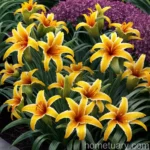
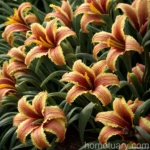
One particular cultivar that has gained widespread admiration among gardening enthusiasts is the Hemerocallis ‘Miss Victoria.’ This cultivar is cherished for its exquisite flowers, vibrant colors, and overall robust growth characteristics. Let’s delve deeper into the key attributes and characteristics of the ‘Miss Victoria’ daylily.
Key Takeaways – Daylily (Hemerocallis ‘Miss Victoria’)
Before we delve into the specifics of cultivating and caring for the ‘Miss Victoria’ daylily, let’s outline the key takeaways that will guide our exploration:
- Daylily Varieties: Exploring the diverse range of daylily varieties and the unique characteristics of the Hemerocallis ‘Miss Victoria’.
- Cultivation and Care: Understanding the optimum cultural requirements, including water, sunlight, soil, and fertilizer considerations.
- Propagation and Pruning: Techniques for propagating daylilies and essential pruning practices for maintaining plant health and vigor.
- Common Diseases and Pests: Identifying potential diseases and pests that may affect daylilies, along with effective management strategies.
- Landscape and Garden Uses: Discovering the extensive landscape uses and design ideas for incorporating daylilies, especially the ‘Miss Victoria’ cultivar, into garden settings.
With these key takeaways in mind, let’s embark on a fascinating journey into the world of daylilies, focusing on the captivating attributes of Hemerocallis ‘Miss Victoria’.
Culture
Cultivating daylilies, especially the ‘Miss Victoria’ variety, involves understanding and providing the appropriate cultural conditions that promote healthy growth and abundant flowering. Let’s explore the essential cultural aspects of nurturing daylilies to ensure their optimal development and performance.
Water
Proper watering is crucial for the well-being of daylilies, as they require sufficient moisture to support their growth and flowering. However, it’s important to strike the right balance, avoiding both waterlogging and drought stress. Here are some key considerations for watering daylilies, including the ‘Miss Victoria’ variety:
- Frequency: Daylilies generally benefit from regular watering, especially during the active growing season and flowering period. Water deeply to encourage robust root development.
- Avoid Waterlogging: Ensure that the soil has good drainage to prevent waterlogging, which can lead to root rot and other water-related issues.
- Drought Tolerance: While daylilies appreciate adequate moisture, they also exhibit a degree of drought tolerance once established. However, consistent watering during dry spells is beneficial, particularly for promoting prolific flowering.
Sunlight
Daylilies thrive in full sun to partial shade, and the ‘Miss Victoria’ cultivar is no exception. Providing the right balance of sunlight is essential for ensuring vibrant blooms and overall plant vigor. Consider the following sunlight requirements for cultivating Hemerocallis ‘Miss Victoria’:
- Optimal Sun Exposure: Aim to provide the ‘Miss Victoria’ daylilies with at least 6 hours of direct sunlight daily for the best flowering performance.
- Partial Shade Tolerance: While daylilies prefer full sun, they can also tolerate partial shade, especially in regions with intense sunlight or during excessively hot summer months.
- Sunlight Considerations: Observing the plant’s response to sunlight exposure is key. If the foliage becomes excessively pale or if flowering is limited, consider adjusting the sun exposure accordingly.
Fertilizer
Proper nutrition is vital for daylilies to thrive and produce impressive blooms. Fertilizing the soil with the right nutrients at the appropriate times can significantly enhance the growth and flowering of Hemerocallis ‘Miss Victoria.’ Consider the following fertilizer guidelines:
- Balanced Fertilization: Use a balanced, slow-release fertilizer specifically formulated for flowering perennials to nourish the ‘Miss Victoria’ daylilies. Apply the fertilizer in early spring as new growth emerges and again after the first wave of flowering.
- Avoid Excessive Nitrogen: While daylilies benefit from sufficient nitrogen for foliage growth, excessive nitrogen can inhibit flowering. Use a fertilizer with a lower nitrogen content to prioritize flowering.
- Organic Amendments: Incorporating organic matter, such as compost or well-rotted manure, into the soil can provide a steady source of nutrients for daylilies while improving soil structure.
Soil
The soil composition and structure play a crucial role in the overall health and vigor of daylilies, including the ‘Miss Victoria’ cultivar. Understanding the soil preferences and making suitable amendments can greatly benefit the growth and flowering of these perennial plants. Consider the following soil considerations for cultivating Hemerocallis ‘Miss Victoria’:
- Well-Drained Soil: Daylilies favor well-drained soil that allows excess water to percolate freely. Amending heavy clay soils with organic matter or coarse sand can enhance drainage.
- pH Level: Daylilies thrive in slightly acidic to slightly alkaline soil with a pH range of 6.0 to 7.5. Conduct a soil test to determine the pH of the planting area and make necessary adjustments using organic amendments or pH-adjusting products.
- Soil Moisture: While daylilies appreciate adequate moisture, they are susceptible to root rot in waterlogged soil. Regularly check the soil moisture levels, especially during wet periods, and modify the planting site or improve drainage if necessary.
Pruning
Pruning is an essential aspect of daylily care, and it contributes to maintaining the plant’s vigor, tidiness, and overall aesthetic appeal. Understanding the proper pruning techniques for the ‘Miss Victoria’ cultivar can help ensure that the plants remain healthy and produce abundant flowers. Consider the following pruning guidelines for Hemerocallis ‘Miss Victoria’:
- Deadheading Spent Blooms: Remove faded or spent flowers to promote continuous blooming and prevent seed formation, which can divert energy away from flower production.
- Foliage Cleanup: As the growing season progresses, remove any yellowing or damaged foliage to maintain the plant’s appearance and reduce the risk of disease development.
- Division: Every few years, consider dividing and replanting mature daylily clumps to prevent overcrowding, rejuvenate growth, and promote better flowering.
Propagation
Propagating daylilies, including the ‘Miss Victoria’ variety, is an exciting aspect of cultivating these resilient and prolific plants. Whether you’re interested in expanding your daylily collection or sharing divisions with fellow gardening enthusiasts, understanding the various propagation methods is essential. Consider the following propagation techniques for Hemerocallis ‘Miss Victoria’:
- Division: Dividing mature clumps of daylilies is a common and effective propagation method. In late summer to early fall, carefully lift the clump, separate the individual fans with roots, and replant them in prepared soil.
- Seed Propagation: While division is the primary method for propagating daylilies, collecting and germinating seeds can also yield new and unique varieties. Keep in mind that seed-grown daylilies may exhibit genetic variability and take several years to mature and bloom.
Container Popularity
Daylilies, including the ‘Miss Victoria’ cultivar, are well-suited for container cultivation, offering versatility and aesthetic appeal for gardeners with limited space or those looking to create striking arrangements on patios and balconies. Consider the following factors that contribute to the popularity of cultivating Hemerocallis ‘Miss Victoria’ in containers:
- Compact Growth Habit: The ‘Miss Victoria’ daylily exhibits a relatively compact growth habit, making it an ideal candidate for container culture. Select containers with sufficient depth and width to accommodate the plant’s root system.
- Decorative Displays: Container-grown daylilies, including the vibrant blooms of the ‘Miss Victoria’ variety, can serve as eye-catching focal points, especially when paired with complementary or contrasting foliage plants.
- Easy Maintenance: Container cultivation allows for greater control over soil conditions, moisture levels, and sun exposure, simplifying the maintenance and care of daylilies, particularly in urban or restricted garden spaces.
Common Diseases and Disease Diagnosis
As with any plant, daylilies, including the ‘Miss Victoria’ variety, are susceptible to certain diseases, including fungal infections and viral ailments. Recognizing the symptoms of common diseases and promptly addressing them can help safeguard the health and vitality of these resilient plants. Consider the following common diseases and diagnostic insights for Hemerocallis ‘Miss Victoria’:
Common Diseases
The following are some common diseases that may affect daylilies, including the ‘Miss Victoria’ cultivar, along with brief descriptions of their symptoms and potential management strategies:
- Leaf Streak: Characterized by brown or tan streaks on the foliage, leaf streak can be managed by removing and destroying affected leaves, improving air circulation, and avoiding overhead watering.
- Crown Rot: This condition presents as soft, discolored areas at the base of the plant and can be managed by lifting and dividing affected clumps, adjusting soil moisture levels, and improving drainage.
- Rust: Identified by orange-brown pustules on the foliage, rust can be managed through the removal of infected leaves, promoting good airflow, and applying appropriate fungicidal treatments.
Disease Diagnosis
When diagnosing and addressing potential diseases affecting Hemerocallis ‘Miss Victoria’ and other daylilies, consider the following diagnostic steps:
- Visual Inspection: Regularly inspect the foliage, stems, and overall appearance of the plants for any signs of discoloration, lesions, or abnormal growth.
- Consult Plant Pathology Resources: Utilize reputable plant pathology resources and extension services to identify and confirm specific diseases affecting daylilies, including access to diagnostic guides and disease management recommendations.
- Prompt Intervention: If symptoms of disease are observed, implement appropriate management practices, such as cultural adjustments, fungicidal treatments, or other targeted interventions, to limit the spread and impact of the disease.
Common Pests
In addition to diseases, daylilies, including the ‘Miss Victoria’ cultivar, may encounter various pests that can potentially affect their growth and flowering. Effective pest monitoring and management strategies are essential for preserving the health and vigor of these resilient plants. Consider the following common pests and management approaches for Hemerocallis ‘Miss Victoria’:
Common Pests
The following are some common pests that may affect daylilies, along with brief descriptions of their symptoms and potential management strategies:
- Aphids: These small, soft-bodied insects can congregate on the foliage and flower buds, causing distortion and weakening of the plant. Utilize insecticidal soaps or horticultural oils to manage aphid populations.
- Thrips: Thrips are tiny, slender insects that may cause stippling and discoloration of the foliage, as well as damage to flower petals. Consider using insecticidal treatments or introducing natural predators to control thrips.
- Spider Mites: These minute arachnids can cause stippling and webbing on the foliage, leading to reduced plant vigor. Regularly rinse the foliage with water and consider applying miticidal treatments if spider mite infestations are detected.
Pest Management
When addressing pest issues in daylilies, including the ‘Miss Victoria’ variety, consider the following pest management strategies:
- Integrated Pest Management (IPM): Utilize an IPM approach, incorporating cultural, mechanical, biological, and targeted chemical methods to manage pest populations while minimizing environmental impact.
- Regular Monitoring: Regularly inspect daylilies for signs of pest activity, such as distorted foliage, stippling, or the presence of insects, and promptly address any pest-related issues.
- Conservation of Beneficial Insects: Encourage the presence of beneficial insects, such as ladybugs and lacewings, which can naturally help control pest populations by feeding on aphids, thrips, and other harmful insects.
Botanist’s Tips
Now that we’ve delved into the various aspects of cultivating and caring for daylilies, particularly the captivating Hemerocallis ‘Miss Victoria’ cultivar, let’s consolidate our insights and complete our guide with some valuable tips from a seasoned botanist. Consider the following tips for successfully growing and appreciating daylilies in your garden:
Botanist’s Tips for Daylily Cultivation
- Selecting Varieties: Explore the diverse range of daylily varieties, and consider including the ‘Miss Victoria’ cultivar for its vibrant flowers and adaptable growth characteristics.
- Cultural Adaptability: Daylilies, including the ‘Miss Victoria’ variety, are remarkably adaptable and can thrive in various soil types and environmental conditions, making them versatile additions to diverse garden settings.
- Seasonal Maintenance: Implement regular maintenance practices, such as deadheading spent blooms, performing division as needed, and managing pest and disease issues, to ensure the long-term health and beauty of daylilies.
- Appreciating Diversity: Embrace the diversity of daylily flowers, foliage colors, and growth habits, and consider incorporating complementary companion plants to enhance the visual impact of daylily displays.
- Sharing the Beauty: Share divisions and propagation material from your daylilies, including the ‘Miss Victoria’ cultivar, with fellow gardeners to spread the joy and beauty of these resilient and captivating flowering plants.
Fun Facts
To round out our exploration of daylilies and the enchanting Hemerocallis ‘Miss Victoria’ cultivar, let’s discover some intriguing and fascinating fun facts about these versatile and visually stunning plants:
Fascinating Daylily Facts
- Hemerocallis Origins: The genus name “Hemerocallis” is derived from the Greek words “hemera” (day) and “kallos” (beauty), reflecting the fleeting yet exquisite nature of the flowers.
- Edible Flowers: While not as common as ornamental daylilies, certain daylily species produce edible flowers that can be used in culinary applications, adding a unique and colorful touch to various dishes.
- Colloquial Names: Daylilies are also known by several colloquial names, including “ditch lilies” and “roadside lilies,” for their propensity to naturalize and thrive in diverse habitats, including roadside environments.
- Historical Significance: Daylilies have a rich historical and cultural significance, and they have been revered in various traditions and folklore for their symbolism of renewal, longevity, and resilience.
- Hybridization Marvels: The world of daylily hybridization has led to the creation of an astounding array of flower colors, patterns, and forms, showcasing the remarkable diversity and creativity of plant breeders and enthusiasts.
Links to External Resources
As we conclude our comprehensive guide to daylilies, specifically focusing on the captivating and resilient Hemerocallis ‘Miss Victoria’ cultivar, I believe in the value of continued learning and exploration. To further enhance your understanding and appreciation of daylilies, I’ve curated a selection of trusted external resources that offer valuable insights, guidance, and inspiration:
- American Daylily Society: American Daylily Society
- The Daylily Hybridizer’s Journal: The Daylily Hybridizer’s Journal
- University of Illinois Extension – Daylilies: University of Illinois Extension – Daylilies
- Royal Horticultural Society – Hemerocallis: Royal Horticultural Society – Hemerocallis
- Daylily World: Daylily World
Plant Name: Daylily (Hemerocallis ‘Miss Victoria’)
I hope this comprehensive guide has enriched your knowledge and appreciation of daylilies, with a particular focus on the captivating Hemerocallis ‘Miss Victoria’ cultivar. Whether you’re a seasoned enthusiast or a curious beginner, daylilies are truly captivating and rewarding plants that offer endless possibilities for gardeners and nature enthusiasts alike. Embrace the fleeting yet enchanting beauty of daylilies, and allow the resilient ‘Miss Victoria’ variety to grace your garden with its vibrant flowers and adaptable growth characteristics.
Remember, the world of plants is a boundless realm of discovery and wonder, and daylilies are just one of the many botanical treasures waiting to be explored and cherished. Happy gardening, and may your journey with daylilies, including the stunning Hemerocallis ‘Miss Victoria,’ be filled with joy, inspiration, and a profound appreciation for the beauty of nature.