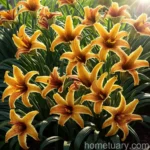
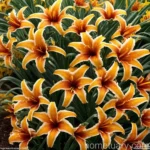
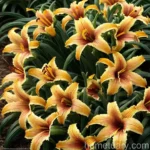
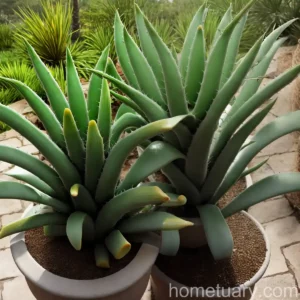
Tetraploid Daylily (Hemerocallis ‘Crown Royal’)
Introduction
In the world of horticulture, daylilies are cherished components of gardens due to their low maintenance and visually striking displays. One particularly captivating cultivar is the Hemerocallis ‘Crown Royal’. Known for its regal presence in the garden, this tetraploid daylily possesses a range of characteristics that make it a sought-after addition to landscapes. In this comprehensive guide, we will explore all aspects of cultivating and caring for the tetraploid daylily (Hemerocallis ‘Crown Royal’), from its cultural preferences and uses to disease management and propagation.
What is the tetraploid daylily (Hemerocallis ‘Crown Royal’)?
The Hemerocallis ‘Crown Royal’ is a stunning tetraploid daylily variety that boasts striking characteristics making it a desirable addition to any garden. This cultivar is known for its vibrant flowers, which bloom in a regal shade of purple, and its robust growth habits. Hemerocallis ‘Crown Royal’ is a tetraploid, indicating that it possesses four sets of chromosomes, rather than the typical diploid (two sets). This genetic makeup often results in larger and sturdier plants with more substantial blooms.
Key Takeaways – Tetraploid Daylily (Hemerocallis ‘Crown Royal’)
In this comprehensive guide, we will delve into various aspects of the tetraploid daylily (Hemerocallis ‘Crown Royal’) to provide a complete understanding of how to cultivate and care for this captivating plant. The key takeaways of this guide will include:
- Understanding the cultural preferences of the tetraploid daylily
- Exploring the various uses of this striking variety in garden landscapes
- Detailed insights into its water, sunlight, fertilizer, and soil requirements
- Pruning techniques and propagation methods specific to the Hemerocallis ‘Crown Royal’
- Common diseases and pests that affect the plant, along with effective management strategies
- Fun facts and botanist’s tips regarding the cultivation of this unique daylily variety
Culture
Uses
The tetraploid daylily (Hemerocallis ‘Crown Royal’) serves various purposes in garden landscapes, adding both aesthetic appeal and biodiversity. Some common uses include:
– Adding vibrant color to garden beds and borders
– Creating visually striking focal points within the landscape
– Attracting pollinators such as bees and butterflies
Water
Daylilies, including the Hemerocallis ‘Crown Royal’, generally prefer well-drained soil and moderate watering. While they can tolerate dry conditions, consistent moisture is essential for optimal growth and flowering.
Sunlight
These daylilies thrive in full sun to partial shade. While they can tolerate some shade, providing ample sunlight will result in more prolific blooming and vigorous growth.
Fertilizer
Fertilizing daylilies is important for maintaining their vigor and promoting robust flowering. A balanced, slow-release fertilizer applied in early spring and again after the first bloom cycle can support healthy growth.
Soil
The Hemerocallis ‘Crown Royal’ thrives in well-draining, fertile soil. Amending the soil with organic matter such as compost can improve its texture and nutrient content, contributing to the overall health of the plants.
Pruning
Pruning daylilies is relatively low maintenance. Removing spent flower stalks and dead foliage can help maintain a tidy appearance and prevent the plant from expending energy on seed production, thereby promoting more prolific flowering.
Propagation
Daylilies can be propagated through division, making it possible to expand your collection or share plants with fellow gardening enthusiasts. Dividing clumps every few years not only facilitates propagation but also rejuvenates the plants, promoting healthier growth and flowering.
Container Popularity
Though daylilies are commonly grown in garden beds, they can also thrive in containers. This versatility makes them popular choices for container gardening, allowing individuals with limited garden space to enjoy their beauty on patios, balconies, or other outdoor areas.
Container Common Diseases
While daylilies are relatively resistant to diseases, certain issues can arise, particularly in container-grown plants. Common diseases that may affect daylilies, including those grown in containers, include:
- Crown rot
- Rust
- Leaf streak
Disease Diagnosis
Diagnosing diseases in container-grown daylilies involves careful observation of symptoms such as discolored or distorted foliage, abnormal growth, or signs of fungal or bacterial infection. Identifying the specific disease enables targeted treatment, minimizing the impact on the plants’ health.
Common Pests
Daylilies are generally resistant to many pests, but certain insects can still pose a threat. Some common pests that may affect daylilies include aphids, thrips, and spider mites. Regular monitoring and prompt intervention can help mitigate pest infestations.
Botanist’s Tips
Experienced botanists and horticulturalists offer valuable insights into the cultivation and care of daylilies, including the Hemerocallis ‘Crown Royal’. Some useful tips include:
- Regular deadheading of spent blooms to encourage continuous flowering
- Monitoring for signs of stress or disease and addressing them promptly
- Providing adequate space between plants to promote good air circulation
Fun Facts
- The name “daylily” is derived from the Greek words “hemera,” meaning “day,” and “kalos,” meaning “beautiful,” alluding to the flowers’ fleeting beauty, with individual blooms typically lasting only a day.
- Daylilies are edible and have been used in culinary preparations in various cultures, adding a surprising dimension to these ornamental plants.
- The Hemerocallis genus encompasses a diverse range of species and cultivars, showcasing an array of flower colors, sizes, and forms.
Links to External Resources
To further explore the world of daylilies, including the unique characteristics and cultivation of the Hemerocallis ‘Crown Royal’, refer to the following resources:
– American Daylily Society
– The Daylily Hybridizer’s Association
– The Royal Horticultural Society – Hemerocallis Collections
– University of Florida IFAS Extension – Daylilies
As evident from the comprehensive insights provided in this guide, the tetraploid daylily (Hemerocallis ‘Crown Royal’) stands out as a captivating addition to garden landscapes, offering beauty, versatility, and resilience. Incorporating this regal daylily variety into your garden can elevate its visual appeal and provide a source of fascination for plant enthusiasts and nature lovers alike.